


How to Reduce Inflammation in the Body Quickly
You already know to put ice on a sprained ankle. But what about the kind of inflammation you can’t see? The low-grade, chronic type that contributes to persistent pain, stiffness, and fatigue is a different challenge altogether. It requires a deeper, more comprehensive approach than just simple first aid. This guide goes beyond the basics to give you a complete toolkit for calming your system from the inside out. We’ll show you how to reduce inflammation in the body quickly by focusing on powerful nutritional strategies, key lifestyle shifts, and even advanced therapies that support your body’s natural healing process.
Key Takeaways
- Listen to Your Body's Signals: Learn to distinguish between short-term, helpful inflammation from an injury and persistent, chronic signs like constant fatigue or joint pain. Recognizing the difference is the first step toward addressing the root cause.
- Fight Inflammation with Your Lifestyle: Simple, consistent changes make a huge impact. Prioritize an anti-inflammatory diet rich in colorful produce and healthy fats, aim for 7-9 hours of quality sleep, and manage stress with mindful practices to calm your body from the inside out.
- Use a Two-Part Approach for Relief: For immediate comfort, use at-home methods like cold therapy and gentle movement. For deeper, long-term healing, consider professional options like light therapy to target inflammation at the cellular level and accelerate your recovery.
What Is Inflammation (and Why Does It Happen)?
We hear the word “inflammation” thrown around a lot, but what does it actually mean? Simply put, inflammation is your body’s natural defense mechanism. Think of it as your internal first-responder team rushing to the scene of an injury or infection. When your body senses a threat—like bacteria from a cut or damage to a muscle—it sends out inflammatory cells and proteins to start the healing process.
This response is essential for our survival. It protects us from harm and helps us recover. However, this system can sometimes go into overdrive. When inflammation sticks around longer than it’s welcome, it can shift from a helpful healing process to a source of chronic problems. Understanding the difference between helpful, short-term inflammation and harmful, long-term inflammation is the first step toward taking control of your health and feeling your best.
Inflammation as Your Body's Protector
At its core, inflammation is a good thing. It’s your body’s way of protecting itself. When you sprain your ankle or catch a cold, your immune system sounds the alarm. It sends an army of white blood cells to the affected area to fight off invaders and begin repairing the damage. This process is what causes the classic signs of inflammation: redness, heat, swelling, and pain. While uncomfortable, these symptoms are proof that your body is actively working to heal itself. This protective response is a critical part of pain management and recovery, as it isolates the problem area and kicks off the rebuilding process.
Acute vs. Chronic: What's the Difference?
Not all inflammation is created equal. It’s important to know the difference between acute and chronic inflammation. Acute inflammation is the short-term, helpful kind. It happens suddenly in response to a specific injury or illness, like a bee sting or a sore throat. It does its job over a few hours or days and then quiets down once the threat is gone.
Chronic inflammation, on the other hand, is a slow, long-term response that can last for months or even years. It happens when your body keeps sending out inflammatory signals even when there’s no immediate danger. This constant state of alert can eventually start to damage healthy cells, tissues, and organs, contributing to a wide range of health issues. Managing this type of inflammation is key to preventative wellness.
What Causes Inflammation to Flare Up?
While acute inflammation is caused by a clear injury or infection, chronic inflammation is often fueled by our daily habits and environment. When your body is constantly exposed to triggers, its inflammatory response can get stuck in the “on” position.
Common causes of chronic inflammation include long-term stress, a lack of physical activity, and not getting enough quality sleep. What we eat also plays a huge role; diets high in processed foods, sugar, and unhealthy fats can promote inflammation. Other factors like smoking, excessive alcohol use, and exposure to environmental toxins can also keep the body in a persistent inflammatory state. Over time, this constant, low-grade stress can wear your body down and damage healthy tissues like your joints and organs.
Is Your Body Inflamed? Key Signs to Look For
Our bodies have their own language for telling us when something is wrong, and inflammation is one of its loudest signals. But because its signs can range from obvious to incredibly subtle, it’s easy to miss the message. Learning to recognize the key signs of inflammation is the first step toward addressing the root cause and finding relief.
Sometimes, the signs are as clear as a swollen ankle after a fall. This is your body’s acute inflammatory response rushing to the scene to start the healing process. Other times, the signals are more like a constant, low hum of discomfort—persistent fatigue, nagging joint pain, or digestive issues that just won’t quit. This is chronic inflammation, a state where your body’s defense system stays switched on, potentially causing more harm than good over time. Understanding which type of inflammation you’re experiencing helps you figure out the best path forward for your health and preventative wellness.
Physical Symptoms You Shouldn't Ignore
When your body is dealing with an injury or infection, the signs of acute inflammation are usually easy to spot. You might notice redness or discoloration, swelling, and skin that feels warm where the issue is. The area will likely feel tender or painful, making it difficult to use that part of your body normally. These are all signs that your immune system is doing its job.
Chronic inflammation, however, can be much harder to identify. Its symptoms are often more widespread and less specific. You might feel constantly tired, even after a full night’s sleep. Other signs include persistent joint pain or stiffness, skin rashes, frequent stomach problems like acid reflux or constipation, and even unexplained weight changes. Because these symptoms can be subtle, they’re often dismissed as just part of life.
When Good Inflammation Goes Bad
A little inflammation is a good thing—it’s a sign your body is protecting itself. But when that response doesn’t turn off, it can start to damage healthy cells and tissues, leading to serious health problems. This long-term, low-grade inflammation is a contributing factor in many chronic conditions.
Chronic inflammation is linked to autoimmune diseases like rheumatoid arthritis and lupus, heart disease, and even some types of cancer. It also plays a role in gut disorders like Crohn's disease, lung conditions like asthma, and metabolic issues like type 2 diabetes. By learning to manage inflammation, you’re not just addressing immediate discomfort; you’re taking a crucial step in long-term pain management and protecting your future health.
How to Get Fast Physical Relief
When inflammation flares up, the discomfort can be all-consuming. You don’t want a solution for next week—you want relief right now. While long-term strategies are essential for managing chronic inflammation, a few immediate, at-home techniques can help calm the fire and get you through a tough moment. These simple steps can make a big difference in how you feel, providing a much-needed break from the pain and swelling. Think of them as your first line of defense, giving your body the support it needs to begin the healing process. These methods are straightforward, require minimal equipment, and can be done from the comfort of your own home. They are foundational practices that work in harmony with more advanced treatments, like the pain management therapies we offer, to create a comprehensive approach to feeling better. By taking these initial actions, you empower yourself to manage symptoms effectively while you address the root cause. It's about giving your body what it needs in the moment, whether that's rest, gentle movement, or targeted temperature therapy. Understanding these basic principles of self-care can be incredibly empowering and is a critical part of any wellness journey.
Use Cold Therapy and Ice
One of the quickest ways to address acute inflammation is with cold therapy. Applying an ice pack or a bag of frozen vegetables wrapped in a towel to the affected area helps constrict blood vessels, which can significantly reduce pain and swelling. For the best results, apply the cold pack for about 15 to 20 minutes at a time, giving your skin a break for a few hours in between sessions. This simple trick is incredibly effective for new injuries like a sprained ankle or a strained muscle, offering immediate, numbing relief when you need it most. It’s a classic for a reason—it works.
Try Rest, Elevation, and Compression
When your body is sending out pain signals, it’s asking you to slow down. Resting the injured or inflamed area is a non-negotiable step for healing. If possible, elevate the affected body part above the level of your heart—propping your leg up on pillows is a perfect example. Gravity will help drain excess fluid away from the area, further reducing swelling. You can also add gentle compression with an elastic bandage. This combination of rest, elevation, and compression helps alleviate inflammation and gives your body the space it needs to repair itself without added stress or strain.
Incorporate Gentle Movement
After an initial period of rest, gentle movement can be one of the best things for an inflamed body. It might sound counterintuitive, but light activity like a slow walk or some simple stretches gets your blood flowing. This is important because improving circulation helps flush out the inflammatory substances that have built up in your tissues. Movement also keeps your joints from getting stiff and helps deliver oxygen and nutrients to the areas that need them. The key is to listen to your body—the goal is gentle motion, not a strenuous workout. Even a little bit of activity can speed up your recovery.
Which Foods Fight Inflammation Fast?
What you eat has a direct and powerful impact on inflammation levels in your body. While some foods can trigger an inflammatory response, others are packed with compounds that actively fight it. Making smart choices at the grocery store is one of the quickest and most effective ways to support your body’s healing process. Think of your plate as a tool for managing pain and improving your overall well-being. By focusing on whole, nutrient-dense foods, you can give your body the resources it needs to calm down and recover.
This isn’t about a restrictive diet; it’s about making strategic additions and swaps that work for you. Let’s look at the specific foods that can help you feel better, fast.
Foods That Calm Inflammation
To reduce inflammation, fill your plate with foods rich in antioxidants and polyphenols—natural compounds that protect your cells from stress and damage. Think colorful fruits and vegetables. Berries, especially blueberries and cherries, are fantastic choices. Leafy greens like spinach and kale are also powerhouses. For healthy fats, turn to fatty fish like salmon and sardines, which are loaded with omega-3 fatty acids. Nuts and seeds, such as walnuts and flax seeds, are another great source. Don’t forget about spices! Turmeric, ginger, and garlic have been used for centuries for their anti-inflammatory properties. Adding these foods that fight inflammation to your daily meals can make a noticeable difference.
Stay Hydrated to Reduce Swelling
It sounds simple, but drinking enough water is essential for managing inflammation. Proper hydration helps your body flush out toxins and keeps your systems running smoothly. When you're dehydrated, your body can't perform its natural detoxification processes as efficiently, which can contribute to inflammation. Aim to drink water consistently throughout the day, not just when you feel thirsty. If plain water feels boring, try infusing it with lemon, cucumber, or mint. Staying hydrated is a foundational step in any preventative wellness plan and directly supports your body’s ability to heal and reduce swelling.
Inflammatory Foods to Avoid
Just as important as what you add to your diet is what you limit. Certain foods are known to promote inflammation and can counteract your efforts. The main culprits are often highly processed items. Try to cut back on refined carbohydrates like white bread, pastries, and sugary cereals. Fried foods, sugary drinks like soda, and processed meats such as hot dogs and sausage are also known to trigger an inflammatory response. You don’t have to be perfect, but being mindful of these pro-inflammatory foods and reducing your intake can lead to quick improvements in how you feel. Simple swaps, like choosing whole-wheat bread over white or sparkling water over soda, can make a big impact.
How Lifestyle Changes Can Quickly Reduce Inflammation
While food is a fantastic starting point, your daily habits play an equally important role in keeping inflammation in check. The great news is that simple shifts in your routine can bring surprisingly fast relief. Focusing on how you sleep, manage stress, and move your body creates a powerful foundation for long-term wellness and helps calm inflammation from the inside out. Let's look at three key areas you can focus on right away.
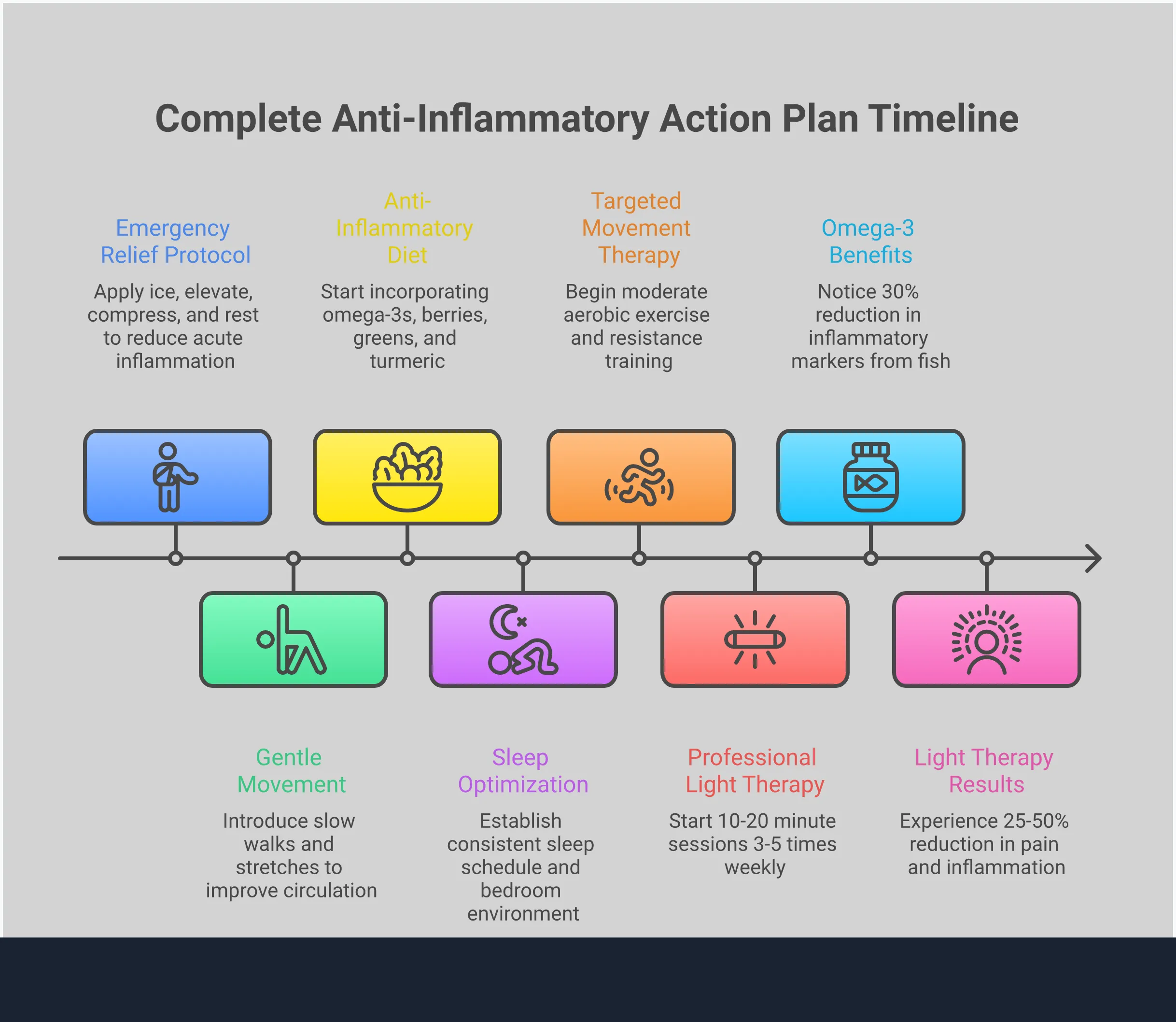
Prioritize Sleep for Better Recovery
Think of sleep as your body’s dedicated repair shift. When you don't get enough, you're essentially cutting that shift short, and your body responds with an inflammatory flare-up. Research shows that a lack of quality sleep can directly increase inflammation. Aiming for a solid 7–9 hours each night gives your immune system the time it needs to regulate and your muscles the chance to heal. This is especially crucial if you’re dealing with an injury or focused on performance recovery. Making sleep a non-negotiable priority is one of the most effective things you can do for your overall health.
Manage Stress to See Quick Results
Chronic stress puts your body in a constant state of high alert, and that emergency mode comes with a cost: inflammation. When you're stressed, your body releases hormones that can trigger an inflammatory response. The good news is you can counteract this by intentionally calming your nervous system. Simple practices like meditation, deep breathing exercises, or gentle yoga can significantly lower inflammatory markers. You don’t need an hour-long session—even five minutes of focused breathing can make a difference. Managing stress isn't just about feeling better mentally; it's a physical necessity for reducing inflammation and supporting your body's health.
Use Exercise as Natural Medicine
Movement is one of the most effective natural anti-inflammatories available. Regular physical activity helps circulate blood, deliver nutrients to your tissues, and flush out inflammatory substances. You don't have to run a marathon to see the benefits. A consistent routine is what matters most. Experts recommend aiming for 30 to 45 minutes of aerobic exercise (like brisk walking or cycling) and 10 to 25 minutes of resistance training most days of the week. This combination helps build strength and reduce inflammation throughout your entire body. By making exercise a regular part of your pain management strategy, you empower your body to heal itself.
What Supplements Can Help Reduce Inflammation?
While a balanced diet is your first line of defense, sometimes your body needs a little extra support to calm inflammation. Supplements can deliver a concentrated dose of specific compounds that are known for their anti-inflammatory properties, helping you get back to feeling your best. Think of them as a powerful ally that works alongside healthy eating, stress management, and other wellness practices to create a holistic plan for your body.
The world of supplements can feel overwhelming, but you don’t need a cabinet full of bottles to make a difference. Focusing on a few key, well-researched nutrients can provide significant benefits. These supplements work by targeting inflammatory pathways in the body, helping to reduce the production of substances that cause pain and swelling. When used correctly, they can be a safe and effective way to support your body’s natural healing processes and complement treatments that address pain management and recovery.
Consider Omega-3s and Curcumin
Two of the most powerful anti-inflammatory supplements are omega-3 fatty acids and curcumin. Omega-3s, commonly found in fish oil, are famous for their ability to fight inflammation. They work by helping to reduce the body’s production of inflammatory molecules. Adding a quality omega-3 supplement can be especially helpful if you don’t regularly eat fatty fish like salmon or mackerel.
Curcumin is the bright yellow, active compound in turmeric that gives the spice its incredible healing power. It’s a potent anti-inflammatory that can help ease pain and swelling by blocking certain inflammatory signals in your body. When looking for a supplement, choose one with black pepper (piperine), which dramatically improves your body’s ability to absorb the curcumin and get the full benefits of an anti-inflammatory diet.
Look Into Zinc and Other Nutrients
Beyond the big names, several other vitamins and minerals play a crucial role in keeping inflammation in check. Zinc is essential for a healthy immune system and helps regulate your body’s inflammatory response. If your levels are low, your body may struggle to control inflammation effectively.
Other key nutrients include vitamin D and antioxidants like vitamins C and E. Many people are deficient in vitamin D, which can contribute to chronic inflammation. Antioxidants, on the other hand, help protect your cells from damage caused by oxidative stress, which is closely linked to the causes of inflammation. Getting enough of these supportive nutrients helps your body function optimally and maintain a healthy inflammatory balance.
How to Take Supplements Safely
Before you start taking any new supplement, it’s incredibly important to talk with your doctor or a healthcare professional. This step is about more than just safety—it’s about making sure you’re choosing the right tools for your unique needs. A professional can help you determine the correct dosage and recommend high-quality brands.
They can also review any medications you’re currently taking to ensure there are no potential interactions. Supplements are powerful, and treating them with the same care as you would any other part of your health plan is key. This conversation ensures your supplement routine is both safe and effective, helping you move forward with confidence.
Can Light Therapy Help With Inflammation?
Beyond diet and lifestyle adjustments, targeted therapies can offer powerful relief from inflammation. One of the most effective and non-invasive options is light therapy. It might sound like something from a sci-fi movie, but it’s a well-researched approach that uses specific wavelengths of light to support your body’s natural healing processes. Think of it as giving your cells a gentle, energizing pep talk to help them get back on track.
This type of therapy, also known as photobiomodulation, works at a cellular level to calm inflammatory responses without drugs or surgery. It’s a fantastic option if you're looking for a natural way to address the root causes of your discomfort, rather than just covering up symptoms with medication. It can help with everything from a swollen knee after a workout to the chronic inflammation that contributes to persistent pain management. By helping your body manage inflammation more effectively, light therapy can be a key part of your plan for both immediate relief and long-term wellness. It complements other healthy habits, like a good diet and proper rest, to create a comprehensive strategy for feeling your best. It’s about empowering your body to heal itself from the inside out.
How Light Therapy Calms Inflammation
So, how does shining a light on your skin actually reduce swelling and pain? It all comes down to how your cells respond to certain wavelengths of red and near-infrared light. This light penetrates your skin and is absorbed by your cells, where it helps kickstart the production of cellular energy. This process has a powerful anti-inflammatory effect. Research shows that light therapy can help regulate the body’s inflammatory messengers, essentially turning down the volume on the signals that cause pain and swelling. It’s a way to work with your body to restore balance, rather than just masking the symptoms.
The Benefits of Professional Light Therapy
While there are at-home devices available, professional light therapy sessions offer a more powerful and targeted treatment. At a clinic like Laser Lab Therapy, we use advanced, medical-grade equipment that delivers the precise wavelengths and dosage needed for effective results. This professional approach can speed up healing, reduce pain, and get you back to feeling your best faster. As highlighted by experts at UCLA Health, red light therapy is a promising tool for a variety of health conditions, including inflammation. Whether you're dealing with an acute injury or looking for a solution for chronic pain, professional guidance ensures you get a safe and effective treatment tailored to your needs.
Your 24-Hour Anti-Inflammation Action Plan
Feeling inflamed and need relief now? While long-term changes are key, you can make a significant difference in just one day. This simple 24-hour plan is packed with actionable steps to help calm your body’s inflammatory response from morning to night. Think of it as a reset button to help you start feeling better right away.
Your Morning Routine
How you start your day sets the tone for your body's inflammation levels. Begin by prioritizing rest—aim for a solid seven to nine hours of sleep, as poor sleep is a known trigger for inflammation. When you wake up, skip the sugary cereal and opt for an anti-inflammatory breakfast. A smoothie with leafy greens like spinach, fruits like blueberries or cherries, and a handful of walnuts is a great choice. These foods are packed with antioxidants that help your body fight back against inflammation. If you’re dealing with a specific area of pain or swelling, you can also apply a cold pack for 15-20 minutes to find some immediate relief.
Your Midday Strategies
Keep the momentum going through the middle of your day. If you have a desk job, make a point to get up and take a short walk every hour. This gentle movement improves circulation and helps flush out inflammatory markers. For lunch, focus on incorporating healthy fats. A salad with salmon or drizzled with extra virgin olive oil provides a dose of beneficial Omega-3s. It’s also important to manage your stress levels, as stress can cause inflammation to flare up. Take five minutes for some deep breathing exercises or a quick meditation session to calm your nervous system and support your overall preventative wellness.
Your Evening Wind-Down
As you wind down for the evening, make choices that prepare your body for restorative rest. For dinner, consider a meal inspired by the Mediterranean diet, which is a great example of an anti-inflammatory eating plan. Think grilled fish, roasted vegetables, and whole grains. You can also add spices like turmeric and ginger to your cooking, as they contain powerful anti-inflammatory compounds. Instead of a sugary dessert, sip on a cup of green or white tea, which is rich in helpful antioxidants. This simple routine helps calm your body and sets you up for a night of quality sleep, which is essential for recovery.
Frequently Asked Questions
How quickly can I expect to feel better if I follow these tips? You can often notice improvements in just a few days, especially when you focus on diet, hydration, and getting enough sleep. Reducing processed foods and sugar can lead to less bloating and discomfort fairly quickly. However, for more persistent, chronic inflammation, consistency is what truly matters. Think of it as a long-term strategy; the positive effects will build on each other over weeks and months.
Is it okay to exercise if a part of my body is already inflamed and painful? This is a great question, and the key is to listen to your body. For acute injuries, it's best to rest for the first day or two. After that, gentle movement is incredibly beneficial. Activities like walking, swimming, or light stretching can improve circulation and reduce stiffness without adding more stress. The goal is to move in a way that feels supportive, not strenuous. If any movement causes sharp pain, it's best to stop and consult a professional.
Do I need to make all of these diet and lifestyle changes at once? Absolutely not. Trying to overhaul everything overnight can be overwhelming and is often unsustainable. A better approach is to pick one or two small, manageable changes to start with. Maybe you focus on drinking more water this week or adding a side of leafy greens to your dinner each night. Once that feels like a habit, you can add another change. Small, consistent steps are far more powerful than a giant leap you can't maintain.
Can I just take supplements like curcumin and fish oil instead of changing my diet? While supplements can be a fantastic support system, they work best as part of a bigger picture. Think of them as helpers, not replacements. A healthy diet provides a wide range of nutrients, fiber, and compounds that all work together to fight inflammation in a way that a single pill can't replicate. Using supplements alongside a whole-foods diet will give you much better and more lasting results.
When does inflammation become serious enough to see a professional? If your pain is severe, doesn't improve with at-home care, or interferes with your daily life, it's time to seek professional guidance. You should also see someone if you have symptoms of chronic inflammation—like persistent fatigue, joint pain, or digestive issues—that don't have a clear cause. A professional can help you identify the root of the problem and create a targeted treatment plan that goes beyond general advice.
Frequently Asked Questions
Is light therapy safe for athletes?

Yes, light therapy is completely safe and highly beneficial for athletes. It promotes faster muscle recovery, reduces inflammation, and supports performance without the risks of medication or downtime. That’s why professional and amateur athletes worldwide rely on it to train smarter and recover quicker.
How many sessions will I need?
The number of sessions varies depending on the type and severity of your condition. Many patients notice improvement after 3–5 sessions, while chronic conditions may require ongoing care for best results. During your initial consultation, we’ll design a personalized treatment schedule tailored to your body’s response and recovery goals.

Ready to Try Light Therapy for Recovery?