


Arthritis Treatment: Heat or Cold & When to Use It
Arthritis pain isn’t a one-size-fits-all experience. The dull, persistent ache that causes morning stiffness feels completely different from the sharp, hot pain of an acute flare-up. Since the symptoms are different, your response should be, too. This is where the choice of arthritis treatment heat or cold becomes so critical. Applying warmth to a swollen, inflamed joint can make it feel worse, while using ice on a stiff muscle won’t provide much relief. This guide will walk you through the specific scenarios for each therapy, helping you effectively soothe chronic discomfort and quickly calm sudden inflammation.
Key Takeaways
- Know When to Use Heat vs. Cold: Reach for heat to soothe chronic aches and morning stiffness, as it helps relax muscles and improve blood flow. Use cold packs for acute flare-ups to reduce swelling, calm inflammation, and numb sharp pain.
- Prioritize Safety with At-Home Care: Always protect your skin by wrapping your heat or cold pack in a towel. Keep applications to 15-20 minutes at a time to effectively manage pain without risking skin damage.
- Create a Holistic Management Plan: You don't have to choose just one method. Use heat and cold as foundational tools in your daily routine, and combine them with other natural therapies and professional medical advice for the best results.
Heat vs. Cold: Which Is Right for Your Arthritis?
When you’re dealing with arthritis pain, finding relief can feel like a full-time job. The good news is that two of the simplest and most effective tools are likely already in your home: heat and cold. Using them correctly can make a huge difference in managing your symptoms. Think of them as your go-to partners for soothing stiff joints and calming painful flare-ups.
But it’s not a one-size-fits-all solution. Knowing when to reach for a heating pad versus an ice pack is key to getting the results you want. Let’s break down how each one works and when you should use them to feel your best.
What is heat therapy and how does it work?
Think of heat therapy as a way to gently coax your muscles and joints into a state of relaxation. When you apply warmth to an achy area, it helps your blood vessels expand, which increases blood flow. This improved circulation delivers more oxygen and nutrients to the tissue, helping to ease pain and heal damage.
This is why a warm shower or a heating pad can feel so incredible on a stiff back or achy knees, especially in the morning. The warmth helps loosen stiff joints, relax tight muscles, and improve your overall flexibility. It’s a simple, comforting way to prepare your body for the day ahead.
What is cold therapy and how does it work?
Cold therapy, or cryotherapy, works in the opposite way. When you apply something cold to your skin, it causes your blood vessels to narrow. This process, called vasoconstriction, reduces blood flow to the area, which is incredibly helpful for calming inflammation and swelling.
If you’ve ever had a sudden, sharp pain or a swollen joint, you know how much of a difference an ice pack can make. The cold helps numb the area, providing immediate relief from acute pain. It’s especially effective for arthritis flare-ups that involve significant swelling, like with gout. By slowing down circulation, you’re essentially telling the inflammation to take a step back.
How each therapy soothes arthritis pain
So, how do you choose? It really comes down to the type of pain you’re feeling. Both heat and cold are fantastic, low-cost ways to help with arthritis pain, but they serve different purposes.
Use heat for chronic stiffness and dull, persistent aches. It’s perfect for relaxing muscles that have become tight and sore over time. Think of it as your tool for improving mobility and comfort. On the other hand, grab a cold pack for acute flare-ups involving sharp pain and visible swelling. Cold is your first line of defense against inflammation. For many types of arthritis, like osteoarthritis and rheumatoid arthritis, you might find yourself using a combination of both to manage your symptoms effectively.
The Benefits of Heat Therapy for Arthritis
When you’re dealing with the persistent ache of arthritis, finding simple, effective relief can feel like a huge win. Heat therapy is one of the most accessible and comforting tools you can have in your corner. Think of it as a warm hug for your joints. By applying gentle warmth, you can soothe the chronic pain and stiffness that often comes with conditions like osteoarthritis and rheumatoid arthritis.
This isn't just about feeling cozy; there's real science behind why heat works. It helps increase blood flow, relax tight muscles, and make movement easier. For many, it’s a fundamental part of a daily pain management routine that provides consistent comfort without medication. Whether you prefer a warm bath, a heating pad, or a hot water bottle, incorporating heat therapy can make a significant difference in how you feel and function each day.
Relax muscles and ease morning stiffness
If you wake up feeling like the Tin Man before he found his oil can, you know how challenging morning stiffness can be. Heat therapy is particularly brilliant for this. Applying warmth first thing helps relax muscles and makes your joints move more easily. That gentle heat coaxes your body into a state of relaxation, easing the tension that builds up overnight.
This simple practice can transform your morning routine from a painful struggle into a more comfortable start to the day. By easing stiff muscles and joints, you’re better prepared to face whatever lies ahead. A warm shower or a few minutes with a heating pad can be all it takes to loosen things up and get you moving with greater ease.
Improve circulation and joint mobility
Ever wonder exactly how a little warmth can provide so much relief? It’s all about blood flow. Heat therapy works because it increases blood flow to the sore area. This boost in circulation delivers more oxygen and nutrients to your tissues, which helps relax muscles and reduce that familiar stiffness.
This makes heat therapy an excellent warm-up tool. Applying heat before you stretch or do gentle exercises can help prepare your joints for activity, making movement less painful and more effective. By improving circulation, you’re not just temporarily soothing the pain—you’re helping your joints function better, which is a key part of maintaining mobility and independence when living with arthritis.
Increase flexibility for lasting relief
The benefits of heat therapy extend beyond immediate comfort. When used consistently, it can lead to lasting improvements in your flexibility and a reduction in overall pain. By consistently relaxing tight muscles and improving blood flow, you create a better environment for your joints to function. This can help you maintain or even improve your range of motion over time.
This approach is a cornerstone of long-term, preventative wellness for arthritis sufferers. The goal is to do more than just manage flare-ups; it's about creating a sustainable routine that helps you feel good every day. Regular heat therapy can improve flexibility and reduce pain, giving you a reliable, drug-free way to manage your symptoms and live more comfortably.
The Benefits of Cold Therapy for Arthritis
While a warm compress can feel incredibly comforting, cold therapy is your go-to for putting out the fire of an acute arthritis flare-up. Think of it as first aid for your joints. When pain is sharp and swelling is visible, applying cold can provide fast and effective relief. This process, also known as cryotherapy, works by constricting blood vessels and slowing down cellular activity in a specific area. This response is exactly what you need when your body is sending too many inflammatory signals to one spot, causing that familiar heat and puffiness. By temporarily reducing nerve activity, cold therapy can interrupt pain signals traveling to your brain, giving you a much-needed break from the discomfort. It’s a simple, powerful tool for managing the most intense moments of arthritis pain right when they happen. Unlike heat, which encourages blood flow, cold tells your body to slow things down, which is perfect for calming an overactive inflammatory response. It’s an accessible, drug-free way to take control during a flare-up, helping you reduce reliance on pain medication and get back to feeling more like yourself. This approach aligns perfectly with a holistic wellness plan, giving you an immediate strategy to handle sudden pain and inflammation without side effects. It’s about having the right tool for the right job, and when inflammation is the problem, cold is the solution.
Reduce inflammation and swelling
When a joint is inflamed, it often feels hot, looks red, and is visibly swollen. This is because your body has increased blood flow to the area. Applying cold therapy does the opposite; it constricts the blood vessels, which reduces that rush of blood. This simple action can significantly decrease both swelling and inflammation, which are the primary culprits behind the pain of a flare-up. For anyone with arthritis, learning how to effectively manage the symptoms of joint inflammation is a key part of a successful care plan. Using a cold pack is one of the most direct ways to calm an angry joint and regain comfort.
Numb pain during acute flare-ups
One of the most immediate benefits of cold therapy is its ability to numb sharp pain. When you’re in the middle of a painful flare-up, finding quick relief is everything. Applying ice or a cold pack to the affected joint creates a numbing sensation that dulls the intense pain signals being sent to your brain. This effect is crucial for managing the acute phases of arthritis, as it provides temporary but powerful relief that can help you get through the worst of the discomfort. This method allows you to numb the pain without reaching for medication, giving you more control over your day-to-day comfort.
Soothe muscle spasms and manage injuries
Arthritis pain isn’t always confined to the joint itself. Often, the muscles surrounding an inflamed joint will tighten and spasm as they try to protect the painful area. This can lead to even more stiffness and discomfort. Cold therapy is effective at soothing muscle spasms by helping to calm down the overactive nerve signals that cause the muscles to contract. This makes it a useful tool not just for the joint, but for the entire affected area. By reducing muscle tightness, you can improve your mobility and prevent the cycle of pain and stiffness from getting worse.
When to Use Heat vs. Cold for Arthritis
Deciding between a warm compress and an ice pack can feel confusing, but a simple rule of thumb can help guide you. Think of heat for aches and stiffness, and cold for acute pain and swelling. Your body often tells you what it needs; the key is learning how to listen. Understanding when to use each therapy can make a huge difference in your daily comfort and mobility. It’s all about matching the treatment to the type of pain you’re feeling at that moment.
When to apply heat therapy
Reach for heat when your joints feel stiff and your muscles are achy. Heat therapy works by widening your blood vessels, which increases blood flow to the area. This helps relax tight muscles and eases the chronic, dull pain that can make mornings so difficult. If you’re dealing with stiffness that limits your flexibility, applying warmth before you start your day can help loosen everything up. A warm shower, heating pad, or a heated wrap can be a simple yet effective way to soothe that persistent ache and get you moving more comfortably.
When to apply cold therapy
Cold therapy is your best friend during an acute arthritis flare-up. When a joint is swollen, red, or feels hot to the touch, it’s a sign of inflammation. Applying cold constricts the blood vessels, which helps reduce that swelling and numbs the sharp pain. An ice pack or a bag of frozen vegetables wrapped in a towel can provide immediate relief. Think of cold therapy as a way to calm down an angry, irritated joint. It’s especially helpful after an activity or exercise that may have put a little too much stress on your joints.
Common myths about heat and cold therapy
One of the biggest myths is that you have to choose one therapy and stick with it forever. The truth is, both heat and cold are valuable tools for arthritis relief. There’s no single "best" option—it all depends on your symptoms. Some people believe cold therapy can make arthritis worse, but it’s actually very effective for reducing the inflammation that causes so much pain. The most effective pain management strategy is a personal one, so feel free to use whichever therapy feels best for your joints at any given time.
How to combine both therapies effectively
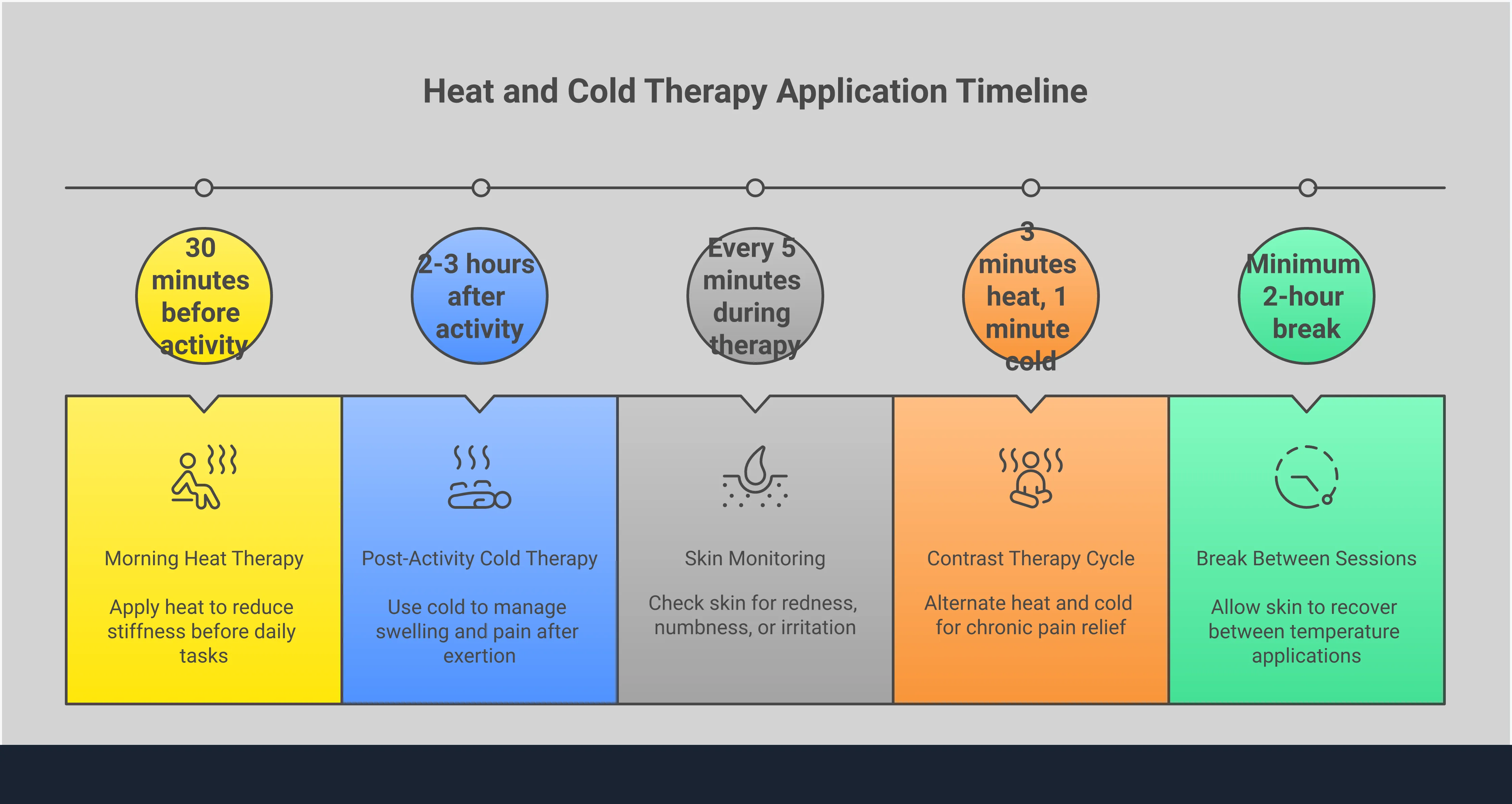
You don’t have to pick a side; you can absolutely use both heat and cold to manage your symptoms. Many people find a combination approach works best. For example, you could start your day with heat to loosen up stiff joints and then use cold therapy in the evening to soothe any swelling that occurred throughout the day. If you’ve been active, applying ice right afterward can prevent inflammation, while using heat later can ease any resulting muscle soreness. Experimenting with this cycle is a great step toward building a routine for your long-term preventative wellness.
How to Safely Use Heat and Cold Therapy at Home
Using heat and cold therapy can be a game-changer for managing arthritis pain, but doing it safely is the most important part. When you’re dealing with discomfort, it’s easy to think more is better, but with temperature therapy, there are a few key rules to follow. Protecting your skin and listening to your body’s signals will help you get all the benefits without any of the risks. Think of these guidelines as your go-to safety checklist for at-home care. By following these simple steps, you can make sure you’re soothing your joints effectively and safely every time.
Safe ways to use heat therapy
When you’re ready to apply warmth, you have a few great options. An electric heating pad, a microwavable gel pack, or even a warm, damp towel can provide gentle relief. You can also soak in a warm bath or shower to ease stiffness all over. The key is to aim for a comfortable warmth, not intense heat. Apply your chosen heat source for about 15 to 20 minutes at a time. To prevent burns, always place a layer of fabric, like a thin towel, between the heating element and your skin. Be sure to check your skin periodically for any signs of excessive redness or blistering.
Safe ways to use cold therapy
For cold therapy, a gel-filled ice pack or even a bag of frozen peas will do the trick. The most important rule is to never place a frozen item directly on your skin, as this can cause skin damage or even frostbite. Always wrap your cold pack in a light towel before applying it to the affected joint. Like with heat, you’ll want to limit the application to about 20 minutes. This gives you enough time to numb the area and reduce inflammation without putting your skin at risk. Following this simple step ensures you get effective pain relief without any unwanted side effects.
How long and how often to apply treatment
A good rule of thumb for both heat and cold therapy is the 15-20 minute rule. Keeping your sessions within this timeframe is the sweet spot for effectiveness and safety. Applying heat or cold for too long can damage your skin and underlying tissues. After each session, give your skin a break for at least a couple of hours. This allows your body to return to its normal temperature and helps you avoid any potential harm. You can repeat the applications throughout the day as you need them, just be sure to include those important rest periods in between.
When to stop: Important warning signs
Listening to your body is crucial. There are specific situations where you should avoid one therapy or the other. Don’t use heat on a new injury that is already swollen and warm to the touch, as this can increase inflammation. You should also avoid cold therapy if you have poor circulation or nerve damage that causes numbness in the area. If you notice your skin becoming bright red, blistered, or numb during a session, stop immediately. These are signs that you’re overdoing it. When in doubt, it’s always best to consult with a healthcare professional to find the safest approach for your specific needs.
Build Your Holistic Arthritis Management Plan
Finding lasting relief from arthritis isn't about a single quick fix; it's about building a smart, sustainable plan that works for your body. A holistic approach combines simple, at-home strategies with powerful, natural therapies to help you manage pain, reduce inflammation, and improve your mobility day after day. Think of it as creating a personal toolkit filled with different options you can turn to depending on how you feel.
This plan puts you in control. By understanding how different therapies work, you can create a routine that addresses your specific symptoms, whether it's morning stiffness, a sudden flare-up, or general achiness. The goal is to layer these strategies—from daily habits like heat and cold therapy to advanced treatments like light therapy—to build a comprehensive approach. When you combine these methods with guidance from your healthcare provider, you create a powerful system for feeling and moving better without relying on heavy medications or invasive procedures.
Add heat and cold therapy to your daily routine
One of the most accessible ways to manage arthritis symptoms is by using heat and cold therapy. These simple methods are effective because they work in opposite ways to bring you relief. Heat therapy, like a warm compress or a bath, helps relax muscles, loosen stiff joints, and improve circulation, making it perfect for easing that morning stiffness. On the other hand, cold therapy, such as an ice pack, reduces swelling and inflammation by constricting blood vessels. It also has a numbing effect that can be a lifesaver during an acute flare-up. Learning how to use heat and cold is a cheap and easy way to help with arthritis pain, stiffness, and swelling.
Explore light therapy and other natural options
While surface-level heat feels good, some natural therapies work on a deeper level to promote healing. Light therapy, for example, uses specific wavelengths of light to penetrate tissues, enhance blood circulation, and reduce inflammation right at the source. Unlike a heating pad, this approach supports your body’s natural healing processes for more lasting results. At Laser Lab Therapy, we focus on this kind of targeted, non-invasive pain management to help you find relief without drugs or surgery. By incorporating treatments that support cellular repair, you can address the root causes of your discomfort and build a stronger foundation for long-term joint health.
Partner with your healthcare provider for the best results
As you build your arthritis management plan, think of your doctor or physical therapist as a key partner. While you are the expert on your own body, their guidance is essential for ensuring your routine is both safe and effective. It’s always a good idea to discuss new treatments with them, especially if you have other health conditions like diabetes or circulatory issues. They can help you understand the arthritis pain do's and don'ts and confirm whether heat, cold, or other therapies are right for you. Working together ensures your holistic plan is tailored perfectly to your health needs, giving you the confidence to manage your symptoms effectively.
Frequently Asked Questions
How long should I apply heat or cold? A good rule of thumb for both is to stick to sessions of 15 to 20 minutes. This is long enough to get the therapeutic benefits without putting your skin at risk. After a session, be sure to give the area a rest for at least an hour or two before you reapply any temperature therapy.
Can I use both heat and cold on the same day? Absolutely. Using both is a smart strategy for managing different symptoms. For example, you might start your day with a warm shower to ease morning stiffness and then use a cold pack on a sore knee in the evening to calm any swelling from your daily activities. There's no need to choose just one.
Is one therapy better for certain types of arthritis, like osteoarthritis or rheumatoid arthritis? The best choice really depends on your symptoms at that moment, not the specific name of your arthritis. Both conditions can cause dull, chronic aches as well as sharp, inflammatory flare-ups. Use heat for the persistent stiffness and aches, and turn to cold when you’re dealing with acute pain and visible swelling.
When is the best time to use heat or cold in relation to exercise? Applying heat before you stretch or exercise is a great way to warm up your muscles and prepare your joints for movement. After your activity, applying a cold pack to any joints that feel tender can help reduce inflammation and prevent soreness before it starts.
What should I do if heat and cold therapy aren't providing enough relief? While heat and cold are fantastic tools, they are just one piece of the puzzle. If you feel like you need more support, it might be time to explore therapies that address pain and inflammation on a deeper level. Treatments like light therapy, for instance, work at the cellular level to support your body’s healing processes for more lasting results.
Frequently Asked Questions
Is light therapy safe for athletes?

Yes, light therapy is completely safe and highly beneficial for athletes. It promotes faster muscle recovery, reduces inflammation, and supports performance without the risks of medication or downtime. That’s why professional and amateur athletes worldwide rely on it to train smarter and recover quicker.
How many sessions will I need?
The number of sessions varies depending on the type and severity of your condition. Many patients notice improvement after 3–5 sessions, while chronic conditions may require ongoing care for best results. During your initial consultation, we’ll design a personalized treatment schedule tailored to your body’s response and recovery goals.

Ready to Try Light Therapy for Recovery?