


9 Practical Tips for Managing Rheumatoid Arthritis
A rheumatoid arthritis diagnosis can feel overwhelming, sometimes making it seem like you’ve lost control over your own body. But you have more power than you think. While you can't change the diagnosis, you can change how you live with it every single day. This guide is about reclaiming that power through small, consistent choices that make a big difference. We’ll explore how simple adjustments to your diet, movement, and daily routines can help calm inflammation and ease pain. These practical tips for managing rheumatoid arthritis are designed to put you back in the driver's seat of your health journey, empowering you to live more comfortably and fully.
Key Takeaways
- Build a supportive daily routine: Small, consistent habits make a big difference. Prioritize getting enough sleep, maintaining a healthy weight to reduce joint strain, and making simple adjustments at home to make daily tasks easier.
- Use food and gentle exercise as powerful tools: Focus on an anti-inflammatory diet rich in fatty fish, leafy greens, and olive oil. Pair it with joint-friendly movements like swimming, walking, or yoga to improve strength and flexibility without causing pain.
- Expand your toolkit beyond medication: Manage the mind-body connection by building a strong support system and practicing stress-reducing techniques. Explore drug-free options like heat/cold therapy and light therapy to directly target pain and inflammation.
What is Rheumatoid Arthritis (RA)?
If you’re dealing with rheumatoid arthritis (RA), you know it’s much more than a simple ache or pain. RA is a chronic autoimmune disease where your body's own defense system gets confused and starts attacking your healthy cells, primarily in the lining of your joints. This attack causes inflammation, leading to the swelling, stiffness, and pain you might be feeling. Unlike the wear-and-tear damage of osteoarthritis, RA can affect more than just your joints; it can also damage a wide variety of body systems, including the skin, eyes, lungs, heart, and blood vessels.
Understanding that RA is a systemic condition is the first step toward managing it effectively. It’s not just about treating a sore knee or wrist; it’s about caring for your entire body. The inflammation can cause a ripple effect, leading to fatigue and a general feeling of being unwell. Because it’s a chronic condition, the symptoms can come and go. You might have periods of intense symptoms, known as flares, followed by periods of remission where the swelling and pain fade. Learning to manage daily life with RA involves understanding these patterns and finding strategies that work for you.
Common Symptoms and How They Affect Daily Life
Living with RA means managing a unique set of symptoms that can change from day to day. You might experience tender, warm, swollen joints, often affecting smaller joints first, like those in your hands and feet. A key sign is morning stiffness that lasts for more than 30 minutes. This isn't just a little grogginess—it can make getting out of bed and starting your day a real challenge.
Beyond joint pain, one of the most significant symptoms is fatigue. This isn't just feeling tired; it's a profound exhaustion that can interfere with work, family life, and social activities. Many people with RA also experience fever and unintended weight loss. These symptoms combined can make even simple tasks feel overwhelming, which is why finding practical ways to conserve energy and manage pain is so important.
How RA Differs from Other Types of Arthritis
It’s easy to get RA confused with other forms of arthritis, but there are key differences. A common myth is that RA is the same as osteoarthritis. While both affect the joints, osteoarthritis is a degenerative disease caused by mechanical wear and tear over time. In contrast, RA is an autoimmune disorder that can strike at any age and affects your whole body.
Another misconception is that RA is just a normal part of getting older. While it’s more common in older adults, RA can develop at any point in life. Dismissing the symptoms as simple aging can delay diagnosis and treatment, which is crucial for protecting your joints from long-term damage. Understanding that RA is a distinct medical condition empowers you to seek the right kind of care and support.
Lifestyle Changes to Help Manage RA
Living with rheumatoid arthritis goes beyond just medical treatments. The small choices you make every day can have a big impact on your symptoms and overall well-being. By making a few strategic lifestyle adjustments, you can reduce strain on your joints, lower inflammation, and feel more in control of your health. Think of these changes not as limitations, but as powerful tools to help you live more comfortably and fully. From how you sleep to how you organize your kitchen, these practical steps can make a world of difference.
Prioritize Sleep for Better Joint Health
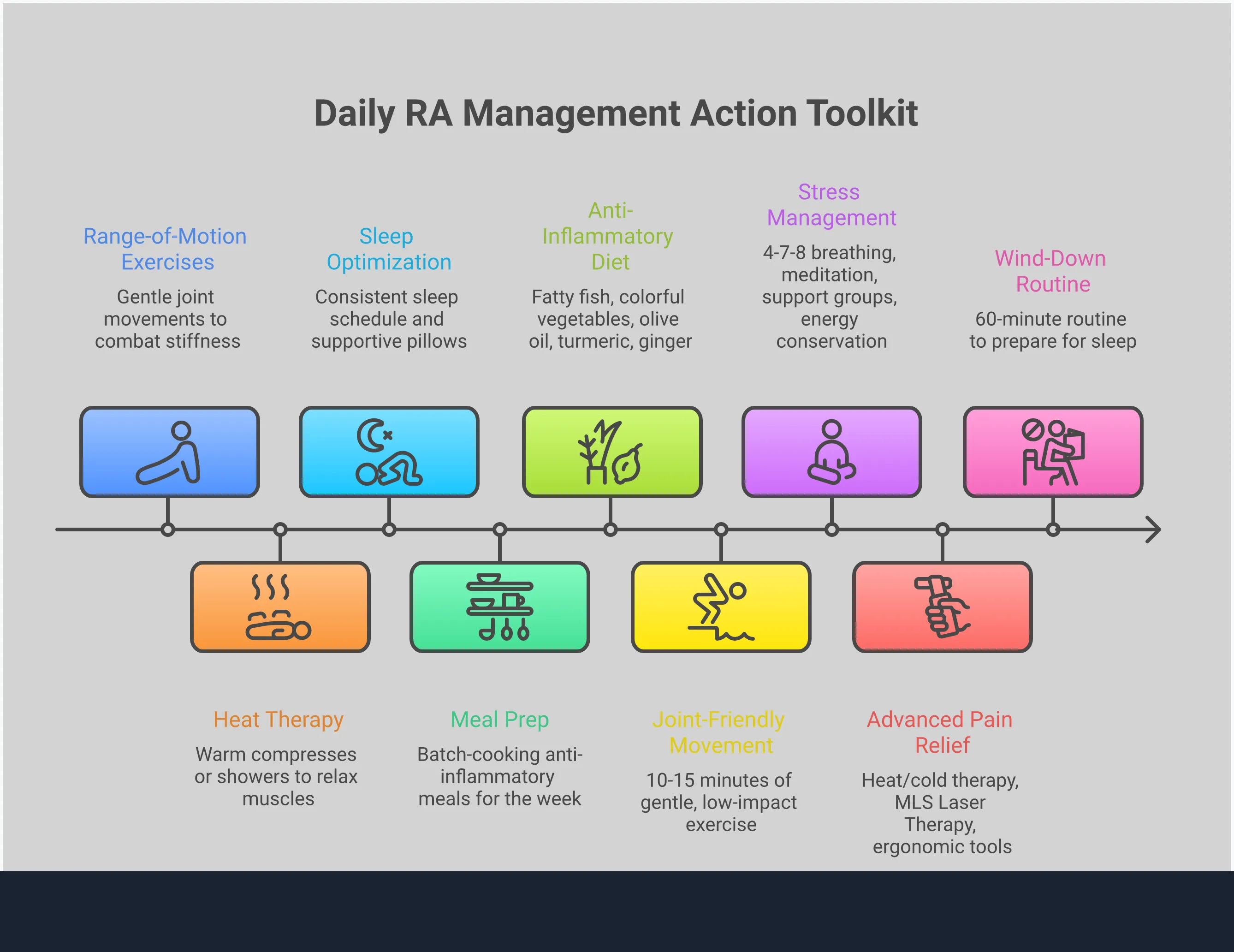
When you're dealing with chronic pain and fatigue, a good night's sleep can feel like a distant dream. But rest is one of the most important things you can give your body. Getting enough sleep is absolutely crucial for managing rheumatoid arthritis because it gives your body the time it needs to repair tissues and reduce inflammation. Aim for a solid seven to nine hours each night. To make this happen, try creating a relaxing bedtime routine. Dim the lights, turn off screens an hour before bed, and make sure your bedroom is cool, dark, and quiet. Your joints will thank you for it in the morning.
Maintain a Healthy Weight to Reduce Joint Strain
Carrying extra weight can be tough on your joints, especially weight-bearing ones like your knees, hips, and feet. But the impact goes beyond simple mechanics. Research shows that fat cells can release proteins that cause inflammation, which can worsen joint pain and even make RA medications less effective. Maintaining a healthy weight reduces the daily load on your joints and helps lower overall inflammation in your body. Even a modest amount of weight loss can lead to a significant improvement in your symptoms and help slow the progression of the disease.
Create an RA-Friendly Home Environment
Making a few simple tweaks around your home can save you a surprising amount of pain and energy. The goal is to reduce the stress on your joints during everyday tasks. You can start by adapting your home with helpful tools designed for easier living. Think about getting easy-to-grip knives for the kitchen, using levers instead of traditional doorknobs, or finding grippy pads to help open stubborn jars. Even small changes, like using a pen with a wider barrel or swapping out shoelaces for ones that only need to be tied once, can make daily life much more comfortable.
Learn Techniques to Protect Your Joints
Learning to listen to your body is a skill that pays off immensely when you have RA. Pain and swelling are your body’s signals to slow down and rest—don’t ignore them. You can also learn simple techniques to protect your joints from unnecessary strain. For example, try to use your larger, stronger joints for heavy lifting. Push open a heavy door with your shoulder or side instead of your hands. When carrying groceries, loop the bag over your forearm instead of gripping the handle with your fingers. These small adjustments distribute the weight more evenly and protect the smaller, more vulnerable joints in your hands and wrists.
How Your Diet Can Help Manage RA
When you’re living with rheumatoid arthritis, inflammation is the main source of your pain and joint damage. While there’s no magic diet that will cure RA, the food you eat can either help fight that inflammation or make it worse. Think of your diet as one of the most powerful tools you have for managing your symptoms day-to-day. Making thoughtful food choices is a practical way to support your body and can work alongside other treatments to improve your quality of life.
Focusing on a diet rich in whole, anti-inflammatory foods can make a noticeable difference in your energy levels and joint pain. It’s not about restriction or perfection; it’s about consistently giving your body the nutrients it needs to thrive. By understanding which foods help and which might hurt, you can create a sustainable eating plan that supports your overall preventative wellness goals and helps you feel more in control of your health.
Focus on Anti-Inflammatory Foods
One of the best things you can do for your joints is to fill your plate with foods that naturally fight inflammation. Fatty fish like salmon, mackerel, and tuna are packed with omega-3 fatty acids, which are well-known for their anti-inflammatory effects. Add a splash of color to your meals with berries, strawberries, and dark leafy greens like kale and spinach. These are loaded with antioxidants that protect your body from stress.
Don’t forget about healthy fats and spices. Cooking with extra virgin olive oil instead of other fats can help reduce inflammation. Spices like turmeric and ginger also have powerful anti-inflammatory properties. Adding them to your cooking is an easy way to support your joints while making your food more flavorful. These small, consistent choices can add up to significant relief.
Know Which Foods May Worsen Symptoms
Just as some foods can calm inflammation, others can trigger it. Becoming aware of these can help you manage flare-ups and daily discomfort. Processed foods, especially those high in sugar, unhealthy fats, and refined carbohydrates, are common culprits. Think sugary sodas, packaged snacks, fried foods, and white bread. These items can contribute to inflammation throughout your body, potentially making your RA symptoms feel worse.
You don’t have to eliminate these foods entirely, but reducing your intake can make a real difference. Start by swapping a sugary drink for water or trading a packaged cookie for a piece of fruit. By limiting these pro-inflammatory foods, you create more space in your diet for the nourishing, anti-inflammatory options that help your body feel its best.
Explore the Benefits of a Mediterranean Diet
If you’re looking for a structured way to eat for joint health, the Mediterranean diet is an excellent place to start. This eating pattern isn’t a strict diet but rather a lifestyle focused on whole foods. It emphasizes fruits, vegetables, nuts, whole grains, legumes, and fish, with olive oil as the primary source of fat. It limits red meat and processed foods, which aligns perfectly with an anti-inflammatory approach.
Research has shown that following a Mediterranean-style diet can help lower inflammation levels in the body, which may lead to a reduction in RA symptoms. It’s a balanced, sustainable, and delicious way of eating that supports not just your joints but your overall health, from your heart to your brain.
Simple Tips for Meal Planning and Hydration
When you’re dealing with fatigue and joint pain, the last thing you want to do is spend hours in the kitchen. A little meal planning can go a long way in making healthy eating feel less overwhelming. Try planning your meals for the week ahead of time and breaking up food prep into smaller, more manageable tasks. Pacing yourself is key.
Staying hydrated is another simple but crucial habit. Drinking plenty of water throughout the day helps keep your joints lubricated and supports all of your body’s functions. Keep a water bottle with you as a visual reminder. These small daily life management tips can help you conserve energy and stick to your healthy eating goals, even on days when you’re not feeling your best.
The Best Exercises for Rheumatoid Arthritis
When your joints are stiff and sore, exercise might be the last thing on your mind. But gentle, consistent movement is one of the most effective ways to manage RA symptoms, improve flexibility, and strengthen the muscles that support your joints. The key is finding the right kind of exercise that works for you, not against you. Instead of high-impact activities that can cause more pain, the goal is to focus on movements that are kind to your body while still delivering powerful benefits.
Think of it as a way to reclaim control and show your body some love. Starting a new routine can feel intimidating, but even small, regular efforts can make a significant difference in your daily comfort and mobility.
Embrace Low-Impact, Joint-Friendly Exercise
The best approach to exercise with RA is to choose activities that are gentle on your joints. Low-impact exercises strengthen your muscles and improve your range of motion without putting extra stress on sensitive areas. Think about activities like brisk walking, cycling on a stationary bike, or using an elliptical machine. Even simple stretching can go a long way.
Gentle practices like yoga and Tai Chi are also fantastic options. They not only help with flexibility and balance but also incorporate mindfulness, which can be a great tool for managing the stress that often comes with chronic pain. The goal is to find a joint-friendly exercise you genuinely enjoy, making it easier to stick with it long-term.
The Benefits of Swimming and Water Therapy
If you're looking for an exercise that feels incredible on sore joints, head to the pool. Swimming and water aerobics are some of the best activities for people with RA. The buoyancy of the water supports your body weight, which takes the pressure off your joints and allows you to move more freely than you might on land. This supportive environment makes it easier to build strength and improve your cardiovascular health without causing a flare-up.
The warm water often found in therapy pools can also be incredibly soothing for stiff muscles and joints. It’s a workout and a form of heat therapy all in one. This combination helps reduce pain and makes movement feel less like a chore and more like a relief.
How to Build Strength Without Joint Strain
Building muscle is crucial because strong muscles act as shock absorbers for your joints. You don’t need to lift heavy weights to get there. Using light weights or resistance bands is a safe and effective way to build strength without straining your joints. You can perform simple exercises at home that target key muscle groups in your arms, legs, and core.
Pilates is another excellent choice for developing core strength and improving posture, which can help distribute your body weight more evenly and reduce joint stress. As with any strength program, the key is to start slow and focus on proper form. These gentle exercises can also help reduce pain and improve your overall sense of well-being.
Safely Incorporate Exercise into Your Routine
Before you start any new fitness routine, it’s always a good idea to talk with your doctor or a physical therapist. They can help you create a plan that’s tailored to your specific needs and limitations. They’ll guide you on which exercises are best for you and how to perform them correctly to avoid injury.
Most importantly, listen to your body. The "no pain, no gain" motto does not apply here. While some mild muscle soreness is normal, sharp or increased joint pain is a signal to stop. On days when you’re having a flare-up, you might need to scale back to simple stretching or take a rest day. Your exercise plan should be flexible and adapt to how you feel each day.
How to Manage Stress with RA
Living with rheumatoid arthritis is more than just managing physical symptoms; it’s also about caring for your emotional well-being. Stress and RA are closely linked. When you’re stressed, your body releases chemicals that can increase inflammation, potentially triggering a flare-up where your symptoms suddenly worsen. This can create a frustrating cycle: your symptoms cause stress, and that stress makes your symptoms worse.
Breaking this cycle is key to feeling better. Learning to manage stress is not just a nice-to-have—it's a fundamental part of your overall RA care plan. It’s about giving your body a chance to rest and recover, which can help reduce the frequency and intensity of flares. Finding healthy ways to relax that fit into your life can make a significant difference in your day-to-day comfort and long-term health. The goal is to build a toolbox of simple, effective strategies you can turn to whenever you start to feel overwhelmed. From gentle exercises to connecting with loved ones, these techniques can help you regain a sense of control and improve your quality of life.
The Mind-Body Connection in Autoimmune Conditions
When you live with an autoimmune condition like RA, the connection between your mind and body becomes incredibly clear. Stress isn't just a feeling; it's a physical response that can directly cause your RA symptoms to flare up. Think of it as an alarm system—when your brain senses stress, it signals your body to go on high alert, which can ramp up the inflammation that causes joint pain and swelling.
Finding healthy ways to relax is one of the most powerful things you can do for yourself. This doesn't have to be complicated. It could be as simple as meditating for a few minutes each morning, taking a gentle walk in nature, or just spending quiet time with a pet. The key is to find what truly helps you unwind and make it a regular part of your routine.
Try Meditation, Yoga, and Breathing Exercises
Incorporating gentle, mindful practices into your day can be a game-changer for managing both stress and pain. Techniques like deep breathing or guided imagery help calm your nervous system and can provide immediate relief when you feel tension building. Even a few slow, deep breaths can signal to your body that it’s safe to relax.
Gentle forms of exercise like yoga or tai chi are also excellent options. They combine slow, deliberate movements with focused breathing, which can help improve your mood and overall sense of well-being. The most important thing is to listen to your body. A good instructor will help you modify poses, and you should always avoid any movements that cause pain.
The Importance of a Strong Support Network
You don’t have to manage the challenges of RA alone. This condition can affect every part of your life, from work to family, and it’s completely normal to feel worried, sad, or isolated at times. Connecting with others is a powerful way to cope with these feelings and remind yourself that you have people in your corner.
Lean on your friends and family and let them know how you’re feeling and what you need. Sometimes, just talking to someone who understands can make a world of difference. You might also consider joining a support group, either online or in person, to connect with other people who are also living with RA. Sharing experiences and advice can be incredibly validating and empowering.
Strategies for Managing Flare-Ups and Emotions
When a flare-up hits, it can feel like your body is working against you. This is when it’s most important to be kind to yourself and slow down. Pain and swelling are clear signals that your body needs to rest. Instead of pushing through, give yourself permission to take a break.
Practicing energy conservation can help you get through tough days without completely draining your battery. A helpful framework is the "4 Ps": Planning, Pacing, Prioritizing, and Positioning. This means planning your day to avoid over-scheduling, pacing yourself with steady work and short breaks, prioritizing essential tasks, and positioning your body to protect your joints. Even a short 10- to 20-minute nap can help you recharge and face the rest of your day.
Find Relief Beyond Medication
Managing rheumatoid arthritis often involves medication, but that doesn't have to be the only tool in your kit. Many people find significant relief by incorporating drug-free therapies into their routine. These methods can help manage pain, reduce inflammation, and improve your overall quality of life without the side effects that can come with some prescriptions. From simple at-home remedies to advanced light-based treatments, exploring these options can give you more control over your symptoms and help you feel your best.
When to Use Heat and Cold Therapy
One of the most accessible ways to manage joint pain is with heat and cold therapy. The key is knowing which one to use and when. Think of heat as a way to relax and loosen things up. Applying a warm compress or taking a warm shower can ease stiff joints and relax tight muscles, making it a great way to start your day. Cold therapy, on the other hand, is your go-to for acute pain and swelling. An ice pack can help numb the area and reduce inflammation after you’ve been active. The Mayo Clinic suggests using this dual approach to get the benefits of both muscle relaxation and pain reduction.
How Light Therapy Reduces Pain and Inflammation
For a more advanced, non-invasive approach, light therapy is an excellent option for targeting RA symptoms at their source. Treatments like MLS Laser Therapy use specific, synchronized wavelengths of light to penetrate deep into your tissues. This process helps reduce inflammation, alleviates pain, and stimulates your body’s natural healing and repair processes at a cellular level. It’s a gentle, drug-free way to get relief directly where you need it most. Our pain management services are designed to help decrease joint pain and swelling, allowing you to improve your mobility and get back to the activities you love.
Discover More Natural Pain Relief Methods
Beyond heat, cold, and advanced light therapy, several other natural methods can complement your RA management plan. Gentle practices like acupuncture and massage can help relieve pain and reduce stress, which is often a trigger for flare-ups. Cold laser therapy, in particular, is gaining recognition as a powerful, non-invasive way to manage RA pain without medication. These therapies focus on supporting your body’s ability to heal and function properly. The goal is to build a well-rounded approach that addresses your symptoms from multiple angles, giving you a more comprehensive and sustainable path to feeling better.
Work with Your Doctor on a Comprehensive Plan
As you explore these different therapies, it’s essential to keep your doctor in the loop. Think of it as building your personal healthcare team. Your doctor can help you create a comprehensive management plan that safely incorporates these natural methods alongside your current medical treatments. Regular check-ups are important for monitoring your joint health and making sure your overall plan is working effectively. By working together, you can ensure all your efforts are aligned, giving you the best possible strategy for managing your rheumatoid arthritis and living a full, active life.
Putting It All Together: Your RA Action Plan
Managing rheumatoid arthritis is about more than just knowing what to do—it’s about creating a sustainable plan that fits your life. Think of it as building your personal RA toolkit. By combining medical treatments with supportive lifestyle habits, you can create a comprehensive strategy that helps you feel more in control and live more comfortably. The key is to find a blend of therapies and routines that work for you, and to be willing to adjust as your needs change.
How to Combine Therapies for the Best Results
The most effective RA management plans are rarely one-dimensional. Instead, they layer different strategies to address symptoms from multiple angles. Your doctor’s treatment plan is the foundation, so regular check-ups are essential to monitor your joint health and adjust medications. From there, you can build on that foundation with supportive lifestyle changes.
Combining prescribed treatments with a healthy diet, gentle exercise, and sufficient rest creates a powerful, holistic approach. You can also explore complementary therapies that focus on natural pain management to help ease discomfort without adding more medication. It’s this combination of medical care and personal wellness habits that often yields the best results.
Monitor Your Symptoms and Adjust Your Plan
Your body provides constant feedback, and learning to listen to it is one of the most important skills you can develop. Some days you’ll have more energy, while on others, pain and swelling may signal that it’s time to slow down. Keeping a simple journal can help you track your symptoms, identify potential triggers, and see which treatments are working best.
Your action plan shouldn’t be rigid. It’s a living document that you can adapt over time. Be open with your doctor about how you’re feeling, any side effects from medication, and your personal health goals. This ongoing conversation ensures your treatment plan evolves with you, giving you the best support for the long term.
Create a Daily Routine You Can Stick With
Consistency is more important than intensity when it comes to managing RA. A predictable daily routine can help you conserve energy and build healthy habits that feel second nature. Start by structuring your day to include time for gentle movement, balanced meals, and periods of rest. You might find that planning ahead or using adaptive tools for difficult tasks makes a huge difference.
By incorporating small, manageable habits into your schedule, you create a supportive framework for your health. This isn't about perfection; it's about building a rhythm that prioritizes your well-being. A steady routine can reduce stress, improve your mood, and contribute to your overall preventative wellness journey.
Frequently Asked Questions
I'm always exhausted. Is there anything I can do besides just resting? That deep, bone-weary fatigue is one of the toughest parts of RA. While rest is essential, you can also fight fatigue by addressing its root cause: inflammation. Focusing on an anti-inflammatory diet rich in foods like salmon, berries, and leafy greens can help lower your body's overall inflammatory load. Prioritizing seven to nine hours of quality sleep each night also gives your body the time it needs to repair itself. These habits work together to give you more energy from the inside out.
Exercise sounds like it would hurt my joints more. How can I get started safely? It’s completely understandable to be wary of exercise when you’re in pain. The key is to choose movements that support your joints instead of stressing them. Activities like swimming, water aerobics, or gentle cycling are fantastic because they strengthen your muscles without the impact. Before you begin, it’s a great idea to talk with your doctor or a physical therapist. They can help you create a plan that’s right for your body and teach you how to listen for the difference between normal muscle soreness and joint pain that signals you should stop.
Can I manage my RA with just diet and lifestyle changes, or do I still need my doctor? Think of diet and lifestyle changes as powerful partners to your medical treatment, not replacements for it. Eating well, moving gently, and managing stress can make a huge difference in your daily symptoms and overall quality of life. However, working with your doctor is still crucial. They help monitor the condition of your joints, prevent long-term damage, and ensure your comprehensive care plan is safe and effective for you.
When should I use a heating pad versus an ice pack for my joint pain? A simple way to remember is to use heat for stiffness and cold for swelling. A warm compress or a warm shower is great for loosening up stiff, achy joints, especially in the morning. Cold packs are best for acute pain and inflammation, like when a specific joint is swollen and tender after activity. The cold helps numb the area and reduce that swelling.
How is light therapy different from other natural pain relief methods? While methods like heat packs provide temporary, surface-level relief, advanced light therapy works on a deeper, cellular level. It uses specific, targeted wavelengths of light that penetrate your tissue to reduce inflammation and pain right at the source. This process supports your body’s own natural healing mechanisms, helping to provide more lasting relief and improve your mobility without drugs or invasive procedures.
Frequently Asked Questions
Is light therapy safe for athletes?

Yes, light therapy is completely safe and highly beneficial for athletes. It promotes faster muscle recovery, reduces inflammation, and supports performance without the risks of medication or downtime. That’s why professional and amateur athletes worldwide rely on it to train smarter and recover quicker.
How many sessions will I need?
The number of sessions varies depending on the type and severity of your condition. Many patients notice improvement after 3–5 sessions, while chronic conditions may require ongoing care for best results. During your initial consultation, we’ll design a personalized treatment schedule tailored to your body’s response and recovery goals.

Ready to Try Light Therapy for Recovery?