


Light Therapy for Arthritis: A Drug-Free Option
The idea that light can heal your joints might sound like science fiction, but it's grounded in simple biology. Your body is designed to heal itself; sometimes, it just needs a little help. Photobiomodulation therapy provides that help, using specific wavelengths of light to give your cells an energy kickstart. Think of it like a charging station for your body’s mitochondria. This extra energy helps them do their job better: repairing tissue, calming inflammation, and reducing pain. This is how light therapy arthritis care works, supporting your body’s natural abilities for real relief without drugs or surgery.
Key Takeaways
- Light therapy supports your body's natural healing: It uses targeted red and near-infrared light to energize your cells, which helps reduce inflammation and repair damaged joint tissue from within.
- Get lasting relief by addressing the root cause: Instead of temporarily masking pain like medication, light therapy calms the inflammatory response that causes arthritis pain, leading to more sustainable comfort and mobility.
- Professional treatment is key for effective results: The success of light therapy depends on the right dose and wavelength, and a trained provider with medical-grade equipment can deliver a precise, powerful treatment that at-home gadgets cannot replicate.
The Widespread Impact of Arthritis
A Leading Cause of Disability in the U.S.
It’s easy to dismiss arthritis as a minor ache that comes with getting older, but the reality is far more significant. Arthritis is a major health issue and the leading cause of disability in the United States, impacting the lives of nearly 60 million adults. This isn't just a statistic; it represents millions of people struggling with joint pain, stiffness, and reduced mobility that can make simple, everyday tasks feel incredibly challenging. Conditions like rheumatoid arthritis and osteoarthritis don't just cause physical discomfort—they can profoundly limit a person's quality of life, making it crucial to find effective ways to manage the symptoms.
When you’re dealing with chronic joint pain, the typical path often involves medications designed to reduce inflammation and mask the discomfort. While these can offer temporary relief, they frequently come with a long list of unwanted side effects that can create a new set of health problems. This leaves many people feeling stuck between living with the pain or dealing with the consequences of the treatment. It’s this frustrating cycle that leads so many to search for safer, more sustainable options for pain management that address the root cause of inflammation without introducing harsh chemicals or invasive procedures.
What is Photobiomodulation Therapy?
You’ve probably heard about the benefits of light, but you might not know that specific wavelengths can actually help your body heal from the inside out. That’s the core idea behind Photobiomodulation Therapy (PBM), a name that sounds complex but describes a very natural process. It’s also known as low-level light therapy (LLLT), and it’s a safe, non-invasive way to manage pain and support your body’s recovery without drugs or surgery.
Instead of just masking symptoms, PBM works at the cellular level to address the root cause of pain and inflammation. By using targeted red and near-infrared light, we can stimulate your body’s natural healing mechanisms. Think of it as giving your cells a supercharged pep talk, encouraging them to repair tissue, reduce swelling, and get you back to feeling and moving better. It’s a gentle yet powerful approach that supports your overall wellness journey.
How Does Light Actually Heal Your Body?
So, how can light actually heal your body? It’s a bit like photosynthesis for your cells. Just as plants use sunlight to create energy, your body’s cells can absorb specific wavelengths of light and convert them into cellular energy. During a PBM session, we use advanced equipment to deliver controlled red and near-infrared light directly to your skin. This light penetrates deep into your tissues without any heat or discomfort. It then triggers a natural biological reaction inside your cells, kicking off a cascade of therapeutic benefits that are essential for effective pain management. This process helps your body do what it’s designed to do—heal itself, only more efficiently.
Why Red and Near-Infrared Light?
The real magic happens inside your cells’ tiny powerhouses, called mitochondria. Red and near-infrared light are absorbed by these mitochondria, which stimulates them to produce more energy in the form of a molecule called ATP. This extra energy is exactly what your cells need to repair damage, regenerate, and function at their best. The process also triggers the release of nitric oxide, which improves blood flow to the treated area. Better circulation means more oxygen and nutrients can get in, while waste products are cleared out more effectively. This one-two punch of more energy and better blood flow is what helps reduce inflammation, calm pain signals, and accelerate healing. It’s a foundational part of the holistic care we provide.
Understanding Wavelengths and Penetration Depth
Not all light is created equal, and the color of the light—or its wavelength—determines how deeply it can travel into your body. Think of it this way: red light, with wavelengths around 630-660 nm, works wonders on the surface, making it great for skin health. But for joint pain from arthritis, we need to go deeper. That’s where near-infrared light (around 800-850 nm) comes in. Its longer wavelength allows it to penetrate past the skin and reach deep into your muscles, joints, and even bones. This ability to target the source of the pain is what makes professional light therapy so effective for conditions like arthritis. By using the correct wavelength, we can ensure the healing light energy gets exactly where it needs to go to calm inflammation and support tissue repair from within.
How Does Light Therapy Work in Your Body?
It might sound like science fiction, but the way light therapy works is actually quite simple and rooted in our own biology. It’s not about heat; it’s about light. Specifically, it uses targeted wavelengths of red and near-infrared light to create a natural, positive reaction within your cells. Think of it as giving your body a specific set of instructions to kickstart its own healing and repair mechanisms.
This process, known as photobiomodulation (PBM), doesn't just mask symptoms. It goes straight to the source of pain and dysfunction to help your body heal from the inside out. By working at the cellular level, light therapy helps reduce inflammation, energize cells for repair, and support your body’s incredible ability to recover. It’s a gentle, non-invasive way to get you feeling and moving better, without the need for drugs or surgery.
How Light Therapy Recharges Your Cells
Every cell in your body has tiny powerhouses called mitochondria. Their job is to create energy, known as ATP, which fuels every single thing your body does—from breathing to healing a cut. When tissues are injured or stressed by chronic conditions, the mitochondria can’t produce enough ATP. This energy deficit slows down the healing process, leaving you stuck in a cycle of pain and dysfunction. Light therapy acts like a cellular charging station. The light energy is absorbed by the mitochondria, helping them produce ATP more efficiently. This energy surge gives your cells the fuel they need to repair damage, regenerate tissue, and get back to optimal function, which is a core part of effective pain management.
Calming Inflammation at the Source
Inflammation is your body’s natural response to injury, but when it becomes chronic, it’s a major source of persistent pain and tissue damage. Light therapy helps restore balance by calming this overactive inflammatory response. It works by decreasing the production of pro-inflammatory molecules while increasing the presence of anti-inflammatory agents. Essentially, it tells the body to turn down the alarm bells that are causing swelling, stiffness, and pain. By addressing inflammation at its source, light therapy doesn't just soothe your symptoms—it helps create a better environment for long-term healing and is a key component of preventative wellness.
Lowering Pro-Inflammatory Chemicals
When your joints are inflamed, your body releases specific chemicals that act like fuel for the fire, causing more swelling and pain. Photobiomodulation therapy works by directly targeting this process. It helps lower the levels of these pro-inflammatory chemicals, known as cytokines, which are major culprits in arthritis symptoms. By calming this chemical storm, light therapy helps to dial down the inflammation that causes so much discomfort. This isn't just about masking the pain; it's about interrupting the inflammatory cycle at a molecular level, which allows your body to start healing and provides a foundation for lasting pain relief without relying on medication.
Blocking Pain-Inducing Enzymes
Beyond calming inflammation, light therapy also helps protect your joints from further damage. Certain enzymes in your body, like COX-2, actively contribute to pain and the breakdown of cartilage—the very tissue that cushions your joints. PBM therapy steps in to inhibit the activity of these destructive enzymes. By blocking them, the therapy helps preserve your existing cartilage and slows down the degenerative process associated with arthritis. This protective action is crucial for long-term joint health, as it not only reduces current pain but also helps maintain joint function and mobility over time, supporting a more active and comfortable life.
Supporting Anti-Inflammatory Cells
Your immune system plays a huge role in inflammation, and sometimes it can go into overdrive. Light therapy helps bring it back into balance. It can reduce the number of aggressive immune cells that gather in your joints and cause damage. Even better, it can encourage other immune cells, called macrophages, to switch from a pro-inflammatory state to an anti-inflammatory one. Think of it as converting troublemakers into helpers. This shift helps your body move from a state of chronic attack to one of active healing and repair, which is a core principle of our holistic approach to wellness.
Jump-Starting Your Body's Natural Repair System
Once your cells are energized and inflammation is under control, your body is in the perfect position to heal. Light therapy supports this process in several ways. It improves circulation, allowing more oxygen and nutrient-rich blood to flow to the affected area. It also stimulates the release of your body’s own natural pain relievers, like endorphins, providing immediate comfort. This comprehensive approach helps your body rebuild damaged tissue, calm irritated nerves, and accelerate recovery. By enhancing these natural healing processes, photobiomodulation therapy helps you recover faster and build a stronger, more resilient body.
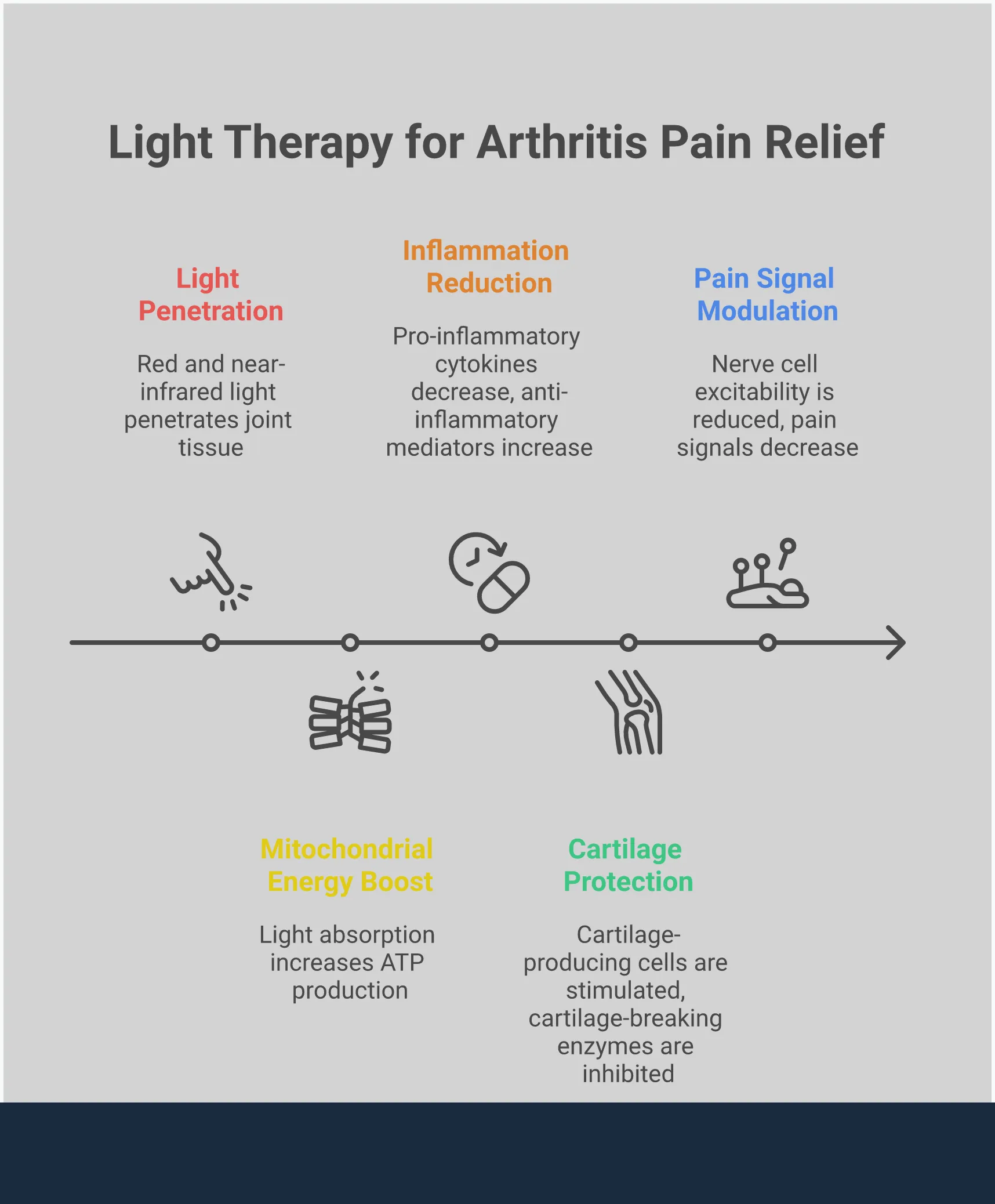
Influencing Cellular Behavior and Gene Expression
Photobiomodulation therapy does more than just give your cells an energy top-up; it actively guides their behavior and even influences which genes are switched on or off. This is a game-changer for managing conditions like arthritis. Research shows that PBM can enhance the production of ATP, the fuel that powers every cell, which is vital for repairing damaged joint tissues. Beyond just fueling repairs, light therapy can actually change the instructions your genes are giving your cells. It quiets the activity of genes that promote inflammation while encouraging the expression of anti-inflammatory ones. This shift helps dial down the overactive inflammatory response, creating a more balanced and calm environment within your joints for long-term healing.
This therapy also has a profound effect on key players in your immune system, like macrophages. These cells can exist in two states: one that promotes inflammation and another that helps reduce it. Light therapy encourages these immune cells to switch from their pro-inflammatory mode to an anti-inflammatory one, which is a critical step in breaking the cycle of chronic pain. This dual action of calming inflammation while actively promoting tissue repair is what makes PBM such a powerful and comprehensive tool. It not only helps relieve your immediate pain but also fosters the right conditions for your body to heal itself, which is a core principle of effective preventative wellness.
How Does Light Therapy Target Arthritis Pain?
When you're dealing with arthritis, you want relief that gets to the root of the problem. Light therapy works with your body on a cellular level to address the core issues causing joint pain and stiffness. Instead of a temporary fix, it uses a multi-pronged approach to calm inflammation, improve blood flow, protect your joints, and even soothe the pain signals your nerves are sending. Let’s break down exactly how it provides comprehensive pain management.
Reducing Swelling in Your Joints
A major source of arthritis pain is inflammation, which causes that familiar swelling, stiffness, and aching in your joints. Light therapy directly addresses this by calming your body’s inflammatory response. Specific wavelengths of light penetrate the tissue and help decrease the production of pro-inflammatory molecules—the chemical messengers that tell your body to swell up. At the same time, it encourages an increase in anti-inflammatory factors. By dialing down the inflammation at the source, light therapy helps reduce swelling and relieve the pressure and pain in your joints, allowing for more comfortable movement.
Getting Blood Flowing to Your Joints
Healthy blood flow is essential for healing. When circulation is poor, your joints don't get the oxygen and nutrients they need to repair themselves, which can prolong pain and stiffness. Light therapy helps widen blood vessels in the treated area, a process called vasodilation. This simple change significantly improves blood flow, bringing a fresh supply of oxygen-rich blood to your sore joints. This enhanced circulation not only helps flush out waste products that contribute to pain but also delivers the vital resources your tissues need to heal more effectively and efficiently.
Protecting Your Cartilage from Damage
Cartilage acts as the cushion in your joints, but arthritis can wear it down over time, leading to bone-on-bone friction and severe pain. Light therapy plays a key role in cartilage health by helping to slow this breakdown. It works by reducing the activity of enzymes that degrade cartilage while stimulating the cells responsible for building it back up. This process helps preserve the cartilage you have and supports your body’s natural repair mechanisms. Think of it as a form of preventative wellness for your joints, aimed at maintaining their long-term function and resilience.
Soothing Your Body's Pain Signals
Sometimes, chronic pain can make your nervous system extra sensitive, causing it to overreact and send intense pain signals even from minor stimuli. Light therapy can help calm this heightened response. It works on the nerve cells themselves, helping to modulate their activity and reduce what’s known as central sensitization. Essentially, it helps turn down the volume on your body’s pain alarms. By soothing these overactive pain pathways, light therapy can provide profound relief that goes beyond just the treated joint, helping your entire nervous system return to a more balanced state.
Does It Really Work? A Look at the Research
When you’re dealing with persistent joint pain, it’s natural to be skeptical of new treatments. You want to know if something is truly effective before you invest your time and hope. The good news is that light therapy, also known clinically as photobiomodulation therapy (PBMT), isn’t just a wellness trend—it’s a field with a growing body of scientific evidence supporting its use for arthritis pain.
Instead of just taking our word for it, let’s look at what the research says. Scientists have been studying how red and near-infrared light interact with the body for decades, and their findings are promising. From controlled clinical trials to studies on cellular mechanisms, the evidence points to light therapy as a legitimate, effective way to manage arthritis symptoms and improve your quality of life. We’ll explore what these studies have found and what it could mean for you.
What the Clinical Trials Say
Clinical trials are the gold standard for medical research, and the results for light therapy in treating arthritis are compelling. Multiple studies have focused on its effects on knee osteoarthritis, one of the most common forms of joint pain. The findings are consistent: light therapy can make a real difference. In fact, some trials report that patients experienced pain reductions of over 50%.
These studies show that photobiomodulation therapy doesn't just mask the pain; it helps improve physical function, making it easier to walk, climb stairs, and get back to the activities you love. For anyone whose life has been limited by stiff, aching joints, these results offer a clear path toward meaningful relief.
Understanding Nuances in the Research
While the results from clinical trials are impressive, it helps to understand the “why” behind them. The science of photobiomodulation (PBM) isn't about magic; it's about biology. Research shows that the therapy works by using specific wavelengths of red and near-infrared light to kickstart a healing process at the cellular level. This light is absorbed by the mitochondria—your cells' tiny powerhouses—which stimulates them to produce more energy, known as ATP. This energy boost is crucial because it gives your cells the fuel they need to repair damage, calm inflammation, and function at their best. It’s a foundational approach that supports your body’s own ability to heal, which is why studies show it can significantly reduce pain and improve physical function, not just mask the symptoms.
Real-World Results: Less Pain, More Movement
So, how does light therapy achieve these results? It works by targeting one of the root causes of arthritis pain: inflammation. Research shows that PBMT helps calm your body’s inflammatory response at a cellular level. It encourages your cells to shift from a pro-inflammatory state to an anti-inflammatory one, which helps reduce the swelling and tenderness in your joints.
This isn't just a temporary fix. By modulating the inflammatory response, light therapy helps create a better healing environment within your body. The outcome is simple but profound: less pain and stiffness, which directly translates to better mobility and more freedom of movement in your daily life.
The Future of Light Therapy for Arthritis
The research also points to some exciting possibilities for using light therapy as a proactive approach to joint health. Some studies suggest that PBMT is particularly effective for people in the earlier stages of osteoarthritis or those with minor cartilage damage. This means that starting treatment sooner rather than later could help you manage symptoms more effectively over the long term.
Above all, the research consistently highlights that light therapy is a non-invasive, safe, drug-free method for pain relief. For those looking to avoid the side effects of medication or the risks of surgery, this makes it an incredibly appealing option for managing both acute flare-ups and chronic arthritis pain.
Setting Realistic Expectations: What Light Therapy Can and Can't Do
While light therapy is an incredible tool for managing arthritis, it's important to be clear about what it can and can't do. In a world of quick fixes, it’s easy to hope for a magic wand that will erase your joint pain overnight. Photobiomodulation is a powerful, science-backed therapy, but it’s not a magic wand. Instead, think of it as a way to partner with your body, giving it the resources it needs to heal itself more effectively. It’s a process that supports your body’s natural functions to provide lasting relief, but it requires a realistic mindset and a commitment to the process.
What Light Therapy Excels At
Where light therapy truly shines is in its ability to address the root causes of your pain. Unlike medications that often just mask symptoms, PBM works at a cellular level to calm the inflammation that drives arthritis. By stimulating your cells to produce more energy and improving circulation, it creates an environment where your body can genuinely repair and recover. Clinical trials back this up, with some studies showing patients experience pain reductions of over 50%. This is why it's such a cornerstone of effective pain management—it leads to less pain, reduced stiffness, and better mobility, allowing you to get back to your life with more freedom and comfort.
What Light Therapy Is Not
Let's be honest: light therapy is not a cure for arthritis. It cannot reverse severe, long-term joint damage or regrow cartilage that has been completely worn away. Arthritis is a chronic condition, and the goal of treatment is to manage it so you can live your life to the fullest. Light therapy is an exceptionally powerful tool for that management. It helps slow the progression of damage, significantly reduces your daily pain and inflammation, and improves your joint function. It’s about giving you more good days and helping you maintain an active, healthy lifestyle despite your diagnosis.
Why Consistency is Your Best Friend
Think of light therapy like exercise for your cells. A single session can provide noticeable relief, much like one good workout can make you feel great for a day. But for lasting change, consistency is key. The benefits of photobiomodulation are cumulative. Regular treatments help retrain your body’s inflammatory response and provide the ongoing energy your cells need to repair tissue over time. This is why we often recommend a consistent treatment plan, as our memberships are designed to provide the ongoing support your body needs for long-term results. Committing to a series of sessions is what builds momentum and helps you achieve the most profound and durable relief.
How Does Light Therapy Compare to Traditional Treatments?
When you’re dealing with arthritis pain, the usual treatment path can feel limited. It often involves a cycle of pain medications, steroid injections, or even discussions about surgery. While these methods can offer relief, they often come with side effects, downtime, and may only mask the symptoms temporarily.
Light therapy, or photobiomodulation (PBMT), offers a completely different approach. Instead of overriding your body’s signals with drugs or surgically altering a joint, it works with your body, supporting its incredible, built-in ability to heal itself. It’s about getting to the source of the inflammation and pain, not just putting a band-aid on it.
A Drug-Free, Non-Invasive Approach
One of the biggest draws of light therapy is that it’s a safe, drug-free, and non-invasive way to manage pain. There are no pills to remember, no prescriptions to refill, and no needles involved. The term "non-invasive" means nothing breaks the skin. We simply use a specialized device to direct targeted wavelengths of light to the affected joint. This light penetrates the tissue to stimulate healing and reduce inflammation right at the source.
This is a huge shift from traditional pain management strategies that can carry risks of side effects or dependency. With light therapy, you’re using the power of light to help your body heal from the inside out, without introducing any foreign substances.
Avoiding the Side Effects of Common Medications
Many of us are familiar with the typical path for managing arthritis: reaching for over-the-counter NSAIDs or getting prescriptions for stronger drugs. While these can provide temporary relief, they often come with a list of potential downsides. Traditional treatments like NSAIDs and other common medicines can have serious side effects, including stomach issues, heart problems, and even bone thinning with long-term use. For anyone concerned about relying on these medications day after day, light therapy presents a powerful and reassuring alternative that helps you manage pain without the worry of these unwanted complications.
Unlike medications that introduce chemicals to block pain signals, light therapy supports your body’s own healing processes. It’s considered a very low-risk and safe treatment with virtually no side effects. Instead of forcing a change, it gently encourages your cells to calm the inflammatory response right at the source, creating a better environment for healing. For those looking to avoid the side effects of medication or the risks of surgery, this makes it an incredibly appealing option. It’s a sustainable approach that aligns with long-term preventative wellness, helping you feel better without compromising other aspects of your health.
No Downtime and Minimal Side Effects
If you’ve ever had a steroid injection or surgery, you know that recovery time is part of the deal. You might have to take time off work, limit your activities, and deal with post-procedure soreness. Light therapy sessions are the opposite. Because the treatment is so gentle, there is no recovery time needed. You can walk out of your appointment and get right back to your day.
This makes it incredibly easy to fit into your life. You don’t have to plan for downtime or worry about side effects that interfere with your daily routine. The process is comfortable and straightforward, allowing you to focus on one thing: feeling better. Our goal is to provide care that supports your lifestyle, not disrupts it.
Get Lasting Relief, Not a Temporary Fix
Pain medications can be effective at dulling arthritis pain, but the relief is often temporary. Once the medication wears off, the pain returns because the underlying inflammation is still there. Light therapy works differently by targeting that inflammation directly. By energizing your cells and improving circulation, it helps your body resolve the root cause of the pain.
This is why many people experience long-term relief, not just a temporary fix. The goal is to achieve sustainable results that allow you to move more freely and comfortably. By supporting your body’s natural healing mechanisms, you’re investing in your long-term preventative wellness and creating a foundation for lasting joint health, rather than just chasing symptoms.
What Types of Arthritis Can It Help?
Light therapy is a versatile tool for managing pain and inflammation, and it has shown promising results for several types of arthritis. Because it works by supporting your body’s natural healing mechanisms at a cellular level, its benefits can apply to various forms of joint pain. Whether you're dealing with the wear-and-tear of osteoarthritis or the autoimmune challenges of rheumatoid arthritis, photobiomodulation can offer a gentle, non-invasive path toward relief. It targets the underlying inflammation and cellular stress that contribute to your discomfort, helping you find more freedom in your movement.
Relief for Knee Osteoarthritis
If you’re struggling with knee osteoarthritis (KOA), you know how much it can impact your daily life. The good news is that this is one of the most well-studied areas for light therapy. Also known as photobiomodulation therapy (PBMT), this treatment uses red and near-infrared light to stimulate healing, calm inflammation, and reduce pain without surgery or medication. In fact, multiple studies have shown that PBMT can significantly alleviate knee pain and improve physical function for people with KOA. Some reports even show pain reductions of over 50%, helping people get back to walking, climbing stairs, and living with greater ease.
Aiding Rheumatoid Arthritis Symptoms
Rheumatoid arthritis (RA) presents a different challenge since it’s an autoimmune condition, but light therapy can still play a valuable supportive role. For those living with RA, the chronic inflammation can lead to persistent pain and significant morning stiffness that makes starting the day difficult. Research suggests that red light therapy can be an effective short-term treatment for alleviating this pain and stiffness. By targeting inflammation at the source, it helps soothe your joints and can make your mornings more manageable. While it’s not a cure for RA, it’s a safe, drug-free way to manage symptoms and improve your quality of life.
A Note on Psoriatic Arthritis and UV Light
It's important to note that the light therapy used for psoriatic arthritis (PsA) is a bit different from the red and near-infrared therapy we've been discussing. PsA is a unique condition that involves both joint pain and skin issues in the form of psoriasis. For the skin symptoms, doctors often recommend a different treatment called phototherapy, which uses ultraviolet (UV) light. The Arthritis Foundation explains that this approach can be a safe and effective way to manage psoriasis plaques. It works by using specific UV wavelengths to calm inflammation and itching in the skin. While this is a powerful tool for skin-related symptoms, it's a distinct treatment from the photobiomodulation we use to target joint pain and inflammation deep within the body.
What About Other Types of Joint Pain?
The benefits of light therapy aren't limited to just knee osteoarthritis or rheumatoid arthritis. Its ability to reduce inflammation and promote tissue repair makes it a powerful option for a wide range of joint-related issues. Photobiomodulation has shown promise in addressing pain from other arthritic conditions, as well as discomfort from acute injuries, overuse syndromes like tendonitis, and general hip or shoulder pain. By improving circulation and energizing your cells, light therapy supports your body’s ability to heal itself. This makes it a fantastic complementary treatment for anyone seeking lasting, non-invasive relief from persistent joint pain, no matter the cause.
Your First Light Therapy Session: What to Expect
Stepping into a new type of treatment can feel uncertain, but your first light therapy session is designed to be simple and comfortable. The goal is to get you on the path to feeling and moving better without drugs or invasive procedures. Knowing what to expect can help you feel confident and prepared from the moment you walk in.
What Happens During a Session?
Think of your session as a targeted treatment that gives your body’s cells a helping hand. The process is completely non-invasive. A trained therapist will use a specialized device to apply red and near-infrared light directly to the area causing you pain. This light penetrates deep into your muscles and joints, where it gets to work. You won’t feel any pain—at most, you might notice a gentle, soothing warmth. This light energy helps your cells reduce inflammation and kickstart the repair process, forming the foundation of our pain management approach.
How Long Are Sessions (And How Many Will I Need)?
The length and frequency of your sessions depend on your specific needs. An acute injury might require a different plan than a chronic condition like arthritis. Most treatments are quick, often lasting 10 to 20 minutes. For mild to moderate joint pain, many people feel a real difference within three to six sessions. If you're dealing with a more serious or long-standing issue, your therapist will create a personalized plan. We can work with you to find a schedule that fits your life, including options available through our memberships.
When Can You Expect to Feel Relief?
While some people feel better after just one or two sessions, for most, the relief is cumulative. Photobiomodulation supports your body's natural healing mechanisms, and that process takes time. The therapy works at a cellular level to reduce inflammation and repair tissue, building with each treatment. Clinical research shows that light therapy can significantly reduce knee pain and improve physical function, with some studies reporting pain reductions of over 50%. The key is consistency. As you continue your treatment plan, you should notice a gradual decrease in pain and an increase in your ability to move freely.
Is Light Therapy Right for Everyone?
Light therapy is incredibly safe and effective for a wide range of conditions, but like any treatment, it’s not a universal fit. Your unique health profile, the specific condition you’re dealing with, and even the type of light therapy used all play a role in determining if it’s the right path for you. The key is to work with a professional who understands the science behind the light and can tailor a plan that puts your safety and results first. Before starting, it’s important to consider a few key factors to ensure you get the most out of your sessions and feel confident in your care. This isn't about a one-size-fits-all gadget; it's about targeted, professional care designed for your body's specific needs. We believe in transparency and making sure you have all the information you need to make an informed decision about your health and wellness journey. We'll walk through some of the most common questions to help you understand if this treatment is a good match for your health goals, because your peace of mind is just as important as your physical relief.
Safety First: What to Consider
One of the best things about light therapy is that it’s non-invasive and has very few side effects. It’s a gentle process that supports your body’s natural functions. However, safety always comes first. For example, treatments on the head or neck require a careful approach. While the low-intensity light used in most photobiomodulation is very safe, a trained professional knows how to adjust the settings to avoid any discomfort, especially for those with more sensitive skin. This is why working with an experienced team is so important—we can ensure your preventative wellness plan is both effective and perfectly safe for your individual needs.
Protecting Your Eyes and Skin
Your safety is our top priority, and that includes protecting your eyes and skin during every session. While the light we use is therapeutic, we always provide protective goggles to ensure your eyes are completely shielded from the powerful, targeted light. As for your skin, the treatment is gentle and non-invasive, meaning nothing ever breaks the surface. A trained professional understands exactly how to adjust the light’s intensity and duration based on your specific needs and skin sensitivity. This careful calibration ensures the treatment is both effective and comfortable, preventing the kind of skin irritation that can happen with improper use. It’s a core part of the safe, holistic care we provide, giving you peace of mind so you can relax and focus on your healing.
Why Your Results Might Be Different
If you and a friend both have knee pain, you might respond differently to the same light therapy plan. Why? Because photobiomodulation works by interacting with your body on a cellular level, and everyone’s body is unique. Factors like the severity of your arthritis, your overall health, and even your lifestyle can influence how quickly you see results. The effectiveness of the therapy also depends on getting the right “dose”—the precise wavelength and intensity of light. A one-size-fits-all approach just doesn’t work. That’s why we create personalized pain management plans designed to deliver the optimal energy to your cells for the best possible outcome.
Who Should Avoid Light Therapy?
While light therapy is safe for most people, there are a few situations where it’s best to hold off. The primary contraindication is active cancer. Because light therapy stimulates cellular activity and proliferation, it should not be used directly over a known tumor. It’s also generally recommended that pregnant women avoid treatment, simply because it’s an area that hasn’t been extensively studied. Your health history is the most important part of the conversation. During your initial consultation, we’ll go over everything to make sure light therapy is a safe and appropriate choice for you. If you have any questions about your specific situation, please contact us to discuss them.
How to Find the Right Light Therapy Provider
Okay, you're sold on the idea of light therapy for your arthritis pain. That's a fantastic first step! But where you go for treatment matters just as much as the treatment itself. The right provider can make all the difference between feeling a little better and getting back to the activities you love. With so many at-home gadgets and new clinics popping up, it can be tough to know who to trust. Choosing a clinic isn't just about finding a place with a laser; it's about finding a partner in your health journey who understands the science and knows how to apply it to your specific needs.
The effectiveness of photobiomodulation therapy is deeply tied to the expertise of the person administering it and the quality of the equipment they use. Think of it like finding a great personal trainer or a trusted mechanic—you want someone with the right tools, the right knowledge, and a genuine interest in getting you the best possible results. A professional clinic will guide you through a structured plan designed for your body, ensuring every session builds on the last. Let's walk through what to look for so you can feel confident in your choice and start your journey toward lasting pain management.
Professional vs. At-Home Devices: What's the Difference?
It’s tempting to order a red light wand or panel you see online, but there’s a big difference between at-home gadgets and professional equipment. While some home devices can be useful for general wellness, they often lack the power and specific wavelengths needed to penetrate deep into joint tissue and create real change for arthritis. Research suggests that many forms of red light therapy are more effective when done in a clinical setting. A professional provider uses medical-grade technology that is more powerful and precise, ensuring you get a therapeutic dose of light exactly where you need it most. Investing in professional treatment means you’re investing in proven results, not just a hopeful experiment.
What to Look for in a Clinic
When you're researching clinics, look for a team that prioritizes expertise and personalized care. A great provider won't just point a light at you; they'll create a custom plan. The success of light therapy depends heavily on using the right settings, including the light's wavelength, power, and duration. Don't be afraid to ask questions! A reputable clinic should be able to clearly explain their treatment protocols and how they tailor therapy to your specific condition. Look for a team that is knowledgeable and passionate about the science of light therapy and dedicated to helping you achieve your health goals. This ensures you're getting a safe, effective, and side-effect-free method for pain relief.
Frequently Asked Questions
Does the light therapy treatment hurt? Not at all. It’s a common question because the word "laser" can sound intense, but this therapy is completely non-invasive and doesn't generate heat. Most people feel nothing at all during the session, while some notice a very gentle, soothing warmth in the treatment area. The entire process is designed to be comfortable and relaxing.
How is this different from using a heating pad for my joint pain? A heating pad provides temporary relief by warming the surface of your skin, which can feel good and relax tight muscles. Light therapy works on a much deeper, cellular level. The specific wavelengths of light penetrate your tissue to stimulate your cells' mitochondria, helping them produce more energy for repair. This process helps reduce inflammation at its source and supports your body's own healing mechanisms for more lasting results.
How many sessions will I need before I feel a difference? This really depends on your specific situation, such as how long you've had arthritis and its severity. Some people notice an improvement after just a few sessions, but the effects are cumulative. Think of it as building a foundation for healing. Each session adds to the progress of the last one. We typically find that a series of treatments delivers the most significant and lasting relief.
Are the results permanent? Because arthritis is a chronic condition, light therapy is best viewed as an effective management tool rather than a one-time cure. The therapy provides long-term relief by addressing the underlying inflammation and supporting joint health. Many people find that after their initial treatment plan, periodic maintenance sessions help them keep pain at bay and maintain their mobility for the long haul.
Why should I go to a clinic instead of just buying a red light device online? The main differences are power, precision, and expertise. The equipment we use in the clinic is medical-grade, meaning it's powerful enough to deliver a therapeutic dose of light deep into your joint tissue. At-home devices are often not strong enough to create the same cellular change. A professional also creates a personalized treatment plan, ensuring the correct dosage and application are used to get you the best possible results safely.
Understanding the Costs
When you're exploring new ways to manage your health, cost is always a big part of the conversation. It’s important to understand not just the price tag, but the value you’re getting for your investment. Light therapy offers a path to relief without the ongoing expense of prescription refills or the high cost of surgery, but it's helpful to know what to expect financially. Let's break down the costs associated with professional treatment versus at-home devices and explore smart ways to pay for your care.
Professional vs. At-Home Device Costs
The internet is full of at-home red light devices, and while the price might seem appealing, the main risk is often to your wallet. Many of these gadgets, which can cost anywhere from under a hundred to thousands of dollars, simply lack the power and specific wavelengths needed to penetrate deep into joint tissue and create real change for arthritis. The success of light therapy depends on getting the right dose, and a trained provider with medical-grade equipment can deliver a precise, powerful treatment that at-home options can't replicate. Investing in professional sessions means you're paying for targeted, effective care that is designed to deliver results, rather than spending money on a device that may not be strong enough to make a difference.
Using Your HSA or FSA
A great way to make light therapy more affordable is by using your Health Savings Account (HSA) or Flexible Spending Account (FSA). These accounts allow you to set aside pre-tax money for qualified medical expenses, which can often include treatments like photobiomodulation. Using these funds is like getting a discount of around 30%, depending on your tax bracket. This makes it easier to invest in a full treatment plan and even budget for the periodic maintenance sessions that help keep you feeling your best long-term. It’s a smart way to use the benefits you already have to support your journey toward lasting pain relief and wellness.
Frequently Asked Questions
Is light therapy safe for athletes?

Yes, light therapy is completely safe and highly beneficial for athletes. It promotes faster muscle recovery, reduces inflammation, and supports performance without the risks of medication or downtime. That’s why professional and amateur athletes worldwide rely on it to train smarter and recover quicker.
How many sessions will I need?
The number of sessions varies depending on the type and severity of your condition. Many patients notice improvement after 3–5 sessions, while chronic conditions may require ongoing care for best results. During your initial consultation, we’ll design a personalized treatment schedule tailored to your body’s response and recovery goals.

Ready to Try Light Therapy for Recovery?