


Red Light Therapy for Joint Pain: A Guide to Relief
The idea of using light to heal your joints might sound like science fiction, but the principle behind it is surprisingly simple and grounded in biology. Think of it like photosynthesis for your body. Just as plants use sunlight to create energy, your cells can absorb specific wavelengths of red and near-infrared light to power their own repair processes. This gentle, non-invasive treatment gives your cells the energy they need to reduce inflammation, improve circulation, and rebuild damaged tissue from the inside out. This guide will break down the science behind red light therapy for joint pain and explain how it can be a powerful tool for your health.
Key Takeaways
- It Powers Your Body's Natural Repair System: Red light therapy gives your cells a direct energy infusion, helping them produce more of the fuel they need to reduce inflammation and rebuild tissue. It’s about supporting your body’s own healing process, not just masking symptoms.
- Find Relief Without Drugs or Surgery: This therapy offers a gentle, non-invasive way to manage joint pain. It's an effective choice for anyone looking to avoid the side effects of long-term medication or delay more invasive procedures like injections and surgery.
- Consistency and Quality Matter Most: Lasting results are built over time with regular sessions. Using professional-grade equipment is also key, as it delivers the specific, powerful light wavelengths needed to reach deep into joints for effective relief.
What Is Red Light Therapy?
If you’re picturing a tanning bed or a harsh laser, think again. Red light therapy, also known as photobiomodulation (PBM), is a gentle, non-invasive treatment that uses specific wavelengths of light to support your body’s natural healing processes. It’s a way to work with your body, not against it, providing targeted light energy that helps your cells function better.
Think of it like photosynthesis for your body. Just as plants use sunlight to create energy and thrive, your cells can use certain wavelengths of red and near-infrared light to repair themselves and reduce inflammation. This makes it a powerful tool for managing joint pain, speeding up recovery, and improving your overall wellness without drugs or invasive procedures. It’s all about giving your body the resources it needs to heal from the inside out.
The Science of Light Therapy
So, how does light actually help your joints? It all comes down to what happens on a cellular level. Red light therapy uses low-level wavelengths of red and near-infrared light that are absorbed by your cells. Specifically, the light stimulates tiny powerhouses inside your cells called mitochondria. When mitochondria absorb this light energy, they get better at producing something called ATP (adenosine triphosphate).
ATP is essentially the fuel that every cell in your body runs on. By helping your cells create more of this energy, red light therapy gives them the power they need to repair damage, fight inflammation, and regenerate healthy tissue. This increased cellular energy is the key to reducing the joint pain and stiffness that’s holding you back.
Reaching Deep into Your Tissues
You might be wondering how light can reach a deep joint like your knee or shoulder. This is where the different types of light come into play. Red light therapy uses a combination of visible red light and invisible near-infrared light, and each one has a different job. Red light wavelengths are shorter and work closer to the skin’s surface, which is great for skin health.
Near-infrared light, however, has a longer wavelength that allows it to penetrate much deeper into your body’s tissues. It can pass through skin and superficial layers to reach muscles, connective tissues, and even the joints themselves. This ability to reach deep-seated problem areas is what makes red light therapy such an effective approach for pain management and joint-related issues.
Energizing Your Cells for Repair
Let’s get a little more specific about how this energy boost works. Inside your mitochondria, there’s a part of the cell called cytochrome C oxidase that acts like a light receptor. When red and near-infrared light hits this receptor, it helps the cell use oxygen more efficiently to produce that all-important ATP energy. Think of it as flipping a switch that turns on your body’s repair mode.
With this extra energy, your cells can get to work. They can build new proteins, regenerate tissue, and reduce the oxidative stress that contributes to chronic inflammation and pain. Instead of just masking symptoms, you’re giving your cells the fuel they need to fix the underlying problem. This focus on healing at the source is what makes our holistic care approach so effective for long-term relief.
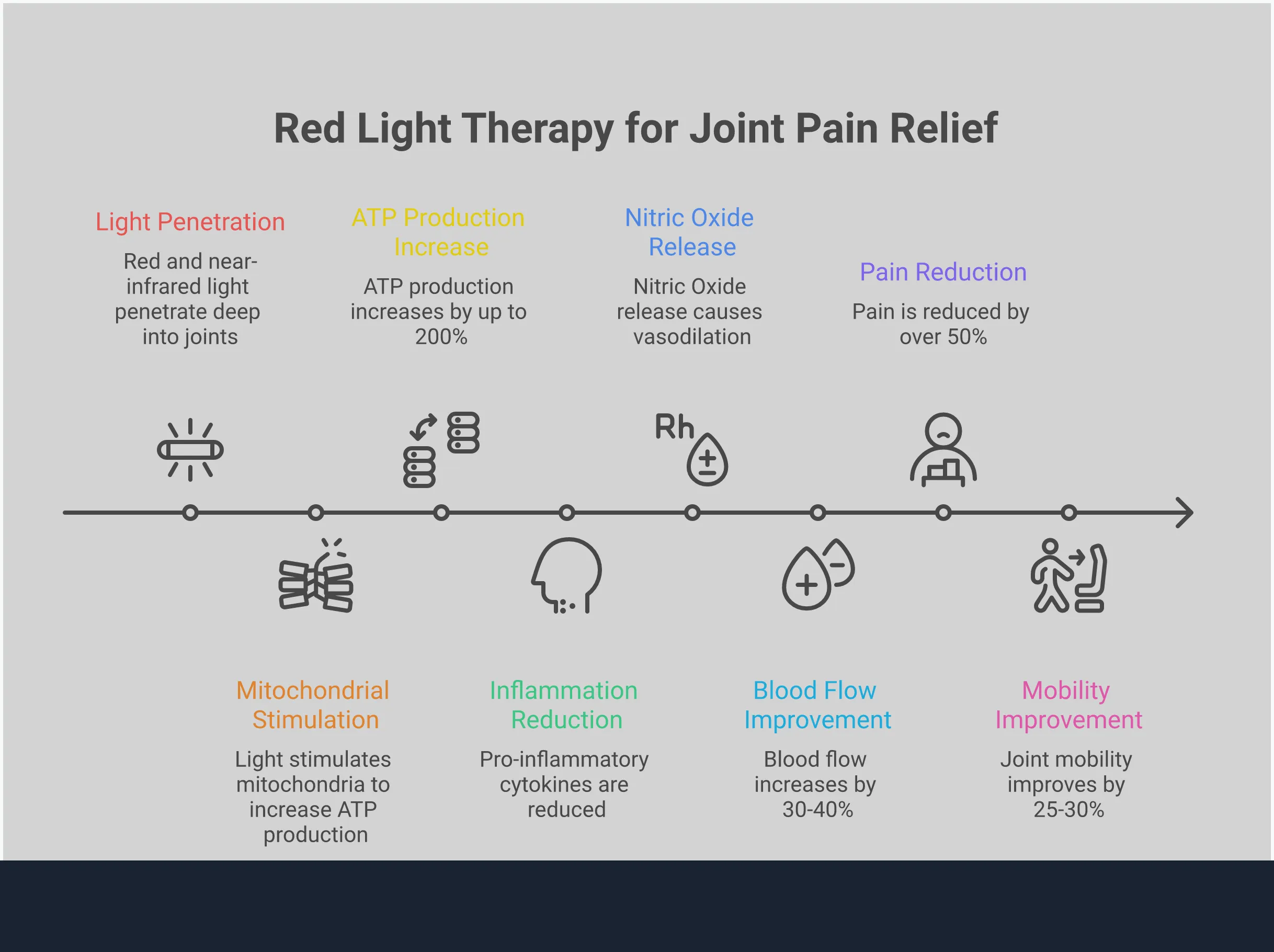
How Red Light Therapy Eases Joint Pain
When you’re dealing with stiff, aching joints, you want relief that gets to the root of the problem instead of just masking the symptoms. That’s exactly where red light therapy shines. It works at a cellular level to address the underlying causes of joint pain, helping your body manage inflammation, improve circulation, and kickstart its own natural repair processes. Think of it as giving your joints the specific tools and energy they need to start healing from the inside out. This approach supports your body’s ability to restore function and find lasting comfort, moving beyond temporary fixes.
Calming Inflammation Directly
Inflammation is your body’s natural response to injury, but when it becomes chronic, it’s a major source of joint pain and stiffness. Red light therapy helps bring things back into balance. It works by calming the overactive inflammatory response in your tissues. Studies show that specific wavelengths of light can decrease the levels of pro-inflammatory chemicals that send your body into high alert. At the same time, it encourages an increase in anti-inflammatory agents, creating a more peaceful environment in your joints. This dual action is key to providing effective pain management and reducing the swelling and discomfort that hold you back.
Increasing Blood Flow to Joints
Healthy circulation is essential for healing. Your blood delivers the oxygen and nutrients your tissues need to repair themselves, and it also carries away waste products that can contribute to pain. Red light therapy gives your circulation a helping hand by triggering the release of nitric oxide, a molecule that helps relax and widen blood vessels. This process, known as vasodilation, allows more blood to flow to the treated area. For your joints, this means a fresh supply of everything they need to heal, which can speed up performance recovery and ease the stiffness associated with poor circulation.
Helping Your Body Rebuild and Repair
Your cells need energy to function, especially when they’re working to repair damage. Red light therapy acts like a battery charger for your cells. The light is absorbed by the mitochondria—the powerhouses of your cells—which stimulates them to produce more ATP. ATP is the energy-carrying molecule that fuels virtually every activity in your body. By giving your cells this energy surge, red light therapy helps them work more efficiently to rebuild damaged cartilage and other tissues. This focus on cellular health is a cornerstone of preventative wellness, as it empowers your body to maintain stronger, more resilient joints over the long term.
Can Red Light Therapy Help Your Joints?
If you’re tired of joint pain dictating your daily life, you’ve probably wondered if there’s a better way to find relief. The good news is that red light therapy is showing incredible promise for easing joint discomfort and improving mobility without drugs or invasive procedures. By targeting inflammation and supporting your body’s natural healing processes, this gentle therapy can help you get back to moving with more freedom and less pain. It’s a proactive approach to pain management that works with your body, not against it.
Instead of just masking symptoms with medication, red light therapy gets to the source of the problem by helping your cells function better. This means it can help reduce swelling, calm irritated tissues, and encourage repair on a cellular level. Whether you're dealing with the chronic ache of arthritis, recovering from an injury, or just experiencing the general stiffness that comes with an active life, light therapy offers a way to address the root causes of your discomfort. It’s a safe, effective way to support your body’s own ability to heal. Let’s look at how it can specifically help with different types of joint issues.
Finding Relief from Osteoarthritis
For those living with the wear-and-tear of osteoarthritis (OA), red light therapy can be a game-changer. Research has shown it can significantly reduce the pain that comes with this condition. In one study focused on degenerative knee osteoarthritis, participants reported a pain reduction of over 50% after treatment. Imagine what that could mean for your daily routine—walking more comfortably, climbing stairs with less effort, and simply enjoying your day without a constant, nagging ache. This therapy helps calm the inflammation in the joint, offering a natural path to lasting comfort and better function.
Managing Rheumatoid Arthritis Symptoms
Rheumatoid arthritis (RA) is an autoimmune condition that brings its own unique challenges, including painful inflammation and frustrating morning stiffness. While red light therapy isn't a cure, it can be an effective tool for managing these daily symptoms. Studies suggest it provides meaningful short-term relief from both the pain and stiffness associated with RA. Starting your day with less rigidity can completely change your outlook and ability to stay active. By incorporating red light therapy into your routine, you can gain more control over your symptoms and improve your overall quality of life.
Improving Mobility and Easing Stiffness
Joint pain isn’t just about the ache; it’s about the loss of movement and freedom. Red light therapy helps address this by reducing the swelling and inflammation that cause stiffness and limit your range of motion. As the light penetrates your tissues, it improves circulation and helps your body’s cells repair themselves more efficiently. This can lead to healthier cartilage and more resilient joint tissue over time. The result is not just less pain, but also better mobility and flexibility, making it a key strategy for long-term preventative wellness and keeping you active for years to come.
Is Red Light Therapy a Safe Choice for Joint Pain?
When you’re dealing with persistent joint pain, the last thing you want is a treatment with a long list of scary side effects. It’s completely normal to ask: Is this safe? When it comes to red light therapy, the answer is overwhelmingly positive. This therapy is known for being gentle and non-invasive, but like any treatment, it’s important to understand how it works and how to use it correctly.
This therapy doesn't use drugs, surgery, or needles to achieve results. Instead, it uses specific, proven wavelengths of light to reduce inflammation and support your body’s own healing processes. It’s a way to work with your body, not against it. Let’s walk through the safety profile of red light therapy so you can feel confident about your options for joint pain relief.
Understanding the Low-Risk Profile
One of the most reassuring things about red light therapy is its strong safety record. Current research shows that it's a low-risk treatment. What does that actually mean for you? It means the therapy doesn't rely on heat, harsh chemicals, or invasive procedures to work. Unlike sunlight, it uses specific wavelengths of light that don't contain damaging UV rays.
Instead of forcing a change, it supports your body’s natural healing mechanisms at a cellular level. Because it’s gentle and works with your body, the risk of side effects is very low when performed by a trained professional. At Laser Lab Therapy, we are committed to providing safe, effective, and all-natural care to help you feel your best.
A Gentle, Drug-Free Approach
If you’re trying to avoid pain medications or delay surgery, red light therapy is an excellent alternative. It offers a way to manage joint pain and inflammation without the potential side effects that come with long-term medication use. This is why so many people, from elite athletes to those with chronic arthritis, turn to it for relief.
This therapy can be a powerful tool for managing pain and improving joint mobility, allowing you to get back to the activities you love. It’s not about masking the pain; it’s about addressing the underlying inflammation and helping your tissues repair themselves. This approach provides lasting relief that supports your body’s overall health.
When to Be Cautious
While red light therapy is very safe, its effectiveness depends on being used correctly. The dose, wavelength, and duration of the light all matter. Using a professional-grade device under the guidance of a trained technician ensures you’re getting a treatment tailored to your specific needs for the best and safest results.
It’s always a good idea to discuss any new treatment with a professional, especially if you have underlying health conditions. We can help you determine if red light therapy is the right fit for your joint pain and answer any questions you might have. Feel free to reach out to us to learn more about how we can create a personalized and safe treatment plan for you.
What Does the Research Say?
It’s one thing to hear about how red light therapy can help, but it’s another to see what the science says. The good news is that a growing body of research supports its use for joint pain, inflammation, and mobility. Scientists have been studying the effects of specific wavelengths of light on the body for years, and the results are promising for anyone seeking a natural approach to pain management. Let's look at what some of the key studies have found.
Studies on Knee Pain and Osteoarthritis
Knee pain from osteoarthritis can be particularly stubborn, but research shows red light therapy can make a real difference. One study focused on 50 people with degenerative knee osteoarthritis and found that treatment with red and infrared light reduced arthritis pain by over 50%. This is a significant improvement that suggests light therapy is a powerful, non-invasive tool for managing chronic knee pain. By targeting the cellular mechanisms behind the pain and degradation, it offers a way to find relief without resorting to more aggressive treatments.
Proof of Pain Reduction and Better Movement
Feeling better isn’t just about having less pain—it’s also about moving more freely. Red light therapy addresses both. A comprehensive review of studies confirmed that it’s a beneficial tool for managing arthritis because it effectively reduces pain while also improving joint function. This dual-action benefit is what makes it so appealing. It means you’re not just masking the pain; you’re helping your joints work better, which can lead to a big improvement in your overall quality of life and allow you to get back to the activities you love.
Evidence of Reduced Inflammation
Inflammation is a major driver of joint pain, and the anti-inflammatory effects of red light therapy are well-documented. Research has shown that this therapy has a significant positive impact on arthritis and other inflammation-related symptoms. A 2021 review of studies further supports this, noting that red light therapy can provide pain relief for both acute and chronic conditions, including fibromyalgia. By calming inflammation at the source, red light therapy helps your body’s natural healing processes take over, leading to lasting comfort and healthier joints.
Getting the Most from Your Red Light Therapy Sessions
You’ve decided to give red light therapy a try—that’s a fantastic step toward feeling better. But like any effective treatment, how you approach it matters. To truly get the results you’re looking for, it’s helpful to understand the best practices for frequency, positioning, and consistency. Think of it less as a one-time fix and more as a part of your ongoing wellness routine.
When you commit to a regular schedule, you give your body the steady support it needs to reduce inflammation, repair tissues, and manage pain effectively. It’s about creating a rhythm that allows the light energy to work its magic cumulatively. Let’s walk through how to make every session count, so you can get back to moving with ease and living with less pain.
How Long and How Often?
To see the best results for joint pain, aim for sessions that last between 10 and 20 minutes. The sweet spot for frequency is typically three to five times a week, especially when you're first starting. This regular exposure helps your cells absorb a consistent amount of light energy, which is essential for reducing inflammation and kickstarting the repair process.
Think of it like starting a new fitness routine. You wouldn't expect to see major changes after just one trip to the gym. The real benefits come from showing up regularly. Sticking to a consistent schedule helps you achieve lasting pain management and supports your body’s natural healing abilities over the long term.
Finding the Right Position and Distance
Getting the right dose of light is crucial, and that means being the correct distance from the light source. If you’re too far away, the light won’t penetrate deeply enough to reach your joints. If you’re too close, you might not cover the entire area. When you come in for a professional session, our trained technicians handle all of this for you.
We use state-of-the-art equipment and position it precisely to ensure the therapeutic wavelengths reach the target tissue effectively. This takes the guesswork out of your treatment, so you can simply relax knowing you’re receiving the optimal dose for relief. It’s one of the key advantages of a professional setting—we make sure every minute of your session is as effective as possible.
Why Consistency Is Key
Consistency is truly the secret ingredient for long-term joint pain relief with red light therapy. While many people report feeling better during or right after a session, the most significant and lasting changes come from regular treatments. Consistent exposure helps keep inflammation at bay, reduces stiffness, and can dramatically improve your day-to-day mobility.
Making red light therapy a regular part of your routine helps you build on your progress week after week. To make this easier, we offer memberships that help you stay on track with your wellness goals. By sticking with it, you’re not just treating symptoms as they appear—you’re investing in your long-term joint health and function.
Professional vs. At-Home Red Light Therapy
With the growing popularity of red light therapy, you’ve probably seen countless at-home devices for sale. While the convenience of using a panel or wand in your living room is appealing, it’s important to understand the differences between at-home and professional treatments, especially when you’re dealing with persistent joint pain. The truth is, not all red light therapy is created equal. The devices used in a clinical setting are designed to deliver specific, powerful, and targeted light energy that most consumer-grade products simply can’t match.
When you’re seeking relief from something as disruptive as joint pain, the goal is to get effective results safely and efficiently. Professional sessions ensure you’re receiving a therapeutic dose of light from medical-grade equipment that is calibrated for optimal healing. At Laser Lab Therapy, we use advanced technology to ensure the light penetrates deep into the tissues and joints where it’s needed most. This professional approach to pain management can make a significant difference in your outcome, helping you find relief faster and more effectively than you might on your own.
The Power of Professional-Grade Equipment
Think of the difference between a prescription medication and an over-the-counter remedy. Both have their place, but one is significantly more potent and targeted. The same principle applies here. Clinical red light therapy devices are much stronger and more powerful than the ones you can buy for home use. This increased power allows the light energy to reach deeper tissues and produce a more profound therapeutic effect. For chronic joint pain rooted deep within the knees, hips, or shoulders, that extra strength is crucial for stimulating cellular repair and reducing inflammation at the source. A stronger, more efficient treatment often means quicker and more lasting relief.
Why the Right Wavelength Matters
The effectiveness of red light therapy hinges on using the correct wavelength of light. Different wavelengths penetrate the body to different depths. While red light is excellent for skin-level issues, near-infrared (NIR) light is the key to addressing joint pain because it penetrates deeper into muscles, connective tissues, and bones. Professional clinics use equipment that can deliver precise, targeted near-infrared wavelengths, ensuring the light energy reaches the inflamed or damaged joint. Many at-home devices are not powerful enough to deliver a therapeutic dose at these depths, which can leave you with disappointing results.
The Difference Quality and Power Make
For red light therapy to work, your cells need to absorb enough light energy to kickstart the healing process. This light is absorbed by mitochondria, which then produce more adenosine triphosphate (ATP)—the energy currency of your cells. More ATP means your cells have more fuel to repair damage, reduce inflammation, and function properly. The amount of energy a device delivers is measured by its power, or irradiance. Professional-grade systems have a much higher power output, which ensures your cells receive an optimal dose of light for maximum cellular energy production. This is why a 10-minute professional session can be far more effective than a 20-minute session with a low-quality home device.
What to Expect from Your Treatment
Starting any new treatment comes with questions, and the most common one is, "Will this actually work for me?" When it comes to red light therapy, the answer is encouraging. While it’s not an overnight miracle, it is a steady, science-backed process that helps your body heal from the inside out. The key is understanding that the journey is a partnership between you, the technology, and your commitment to consistency. By setting clear expectations and pairing your sessions with healthy habits, you can create a solid foundation for lasting joint relief and improved mobility.
Setting Realistic Timelines for Relief
One of the first things people want to know is how quickly they’ll feel a difference. While some individuals report feeling better after just a few sessions, the most significant changes happen over time. Think of it like starting a new fitness routine—results build with each visit. The therapy works by reducing inflammation and energizing your cells to repair tissue, and this process takes time. For the best results, consistency is everything. We typically recommend a series of sessions to allow the cumulative effects to take hold and provide meaningful pain management. Sticking to a regular schedule gives your body the steady support it needs to heal effectively.
Pairing RLT with Other Healthy Habits
Red light therapy is a powerful tool on its own, but it works even better when it’s part of a broader wellness strategy. Integrating your sessions with other healthy habits can amplify your results. For example, by reducing pain and stiffness, RLT can make it easier to participate in physical therapy or gentle exercises like walking and stretching. It complements the work you’re already doing to support your joints. Combining your treatments with an anti-inflammatory diet and proper hydration can also help your body respond more effectively. This holistic approach is central to achieving lasting preventative wellness and getting you back to the activities you love.
Supporting Long-Term Joint Health
Unlike medications that simply mask pain, red light therapy addresses the underlying issues like inflammation to provide lasting relief. It’s a safe, non-invasive approach with very few side effects, making it an excellent choice for long-term joint care. Instead of relying on temporary fixes, you’re investing in the actual health of your tissues. Many people find that regular maintenance sessions help keep their joints feeling good long after their initial symptoms have subsided. Committing to a consistent plan through one of our memberships can help you maintain your progress, manage flare-ups, and support your mobility for years to come.
Red Light Therapy vs. Traditional Treatments
When you’re dealing with persistent joint pain, the typical path often involves a cycle of pain medications, injections, or even discussions about surgery. While these methods can offer relief, they don’t always address the underlying issues and can come with unwanted side effects or lengthy recovery times. Red light therapy offers a fundamentally different approach. Instead of masking symptoms or requiring invasive procedures, it works with your body’s natural healing processes to reduce inflammation, ease pain, and improve mobility from the inside out. It’s a gentle, non-invasive option that can stand on its own or complement your existing care plan.
A Smarter Alternative to Pain Meds
It’s easy to get into the habit of reaching for a bottle of painkillers whenever joint stiffness and aches flare up. While medications can temporarily dull the pain, they often do little to fix the root cause of the inflammation. Plus, long-term use can lead to side effects. Red light therapy provides a safe, drug-free alternative for pain management. It uses specific wavelengths of light to penetrate deep into your tissues, helping to calm inflammation at the source. Because it has no known harmful side effects, you can use it to manage discomfort without the risks associated with daily medication.
Avoiding Injections and Surgery
For many, when medication stops being effective, the next steps are often steroid injections or surgery. These options can feel daunting, as they come with their own set of risks, recovery periods, and no guarantee of a permanent fix. Many common medicines for joint conditions have drawbacks and don't offer a long-term cure, highlighting the need for effective treatments without these issues. Red light therapy is a powerful tool that can help you manage your symptoms and potentially delay or even avoid more invasive procedures. By consistently reducing pain and inflammation, it helps maintain joint function and gives your body a better chance to heal itself.
How It Works with Physical Therapy
Choosing red light therapy doesn’t mean you have to abandon other treatments that work for you. In fact, it’s an excellent partner to physical therapy, exercise, and other healthy habits. Think of it as a way to make your other efforts more effective. By reducing pain and stiffness in the joints, red light therapy can make it easier to perform your physical therapy exercises with a greater range of motion. This synergy helps you build strength and stability more efficiently, supporting your performance recovery and long-term joint health. It’s a supportive therapy that helps you get more out of the hard work you’re already doing.
Frequently Asked Questions
What does a red light therapy session actually feel like? Many people are surprised by how gentle and relaxing the experience is. You won’t feel any pain or intense heat. The light-emitting panels are positioned near the target joint, and you may feel a very mild, soothing warmth in the area. Most people find the sessions to be a calm and comfortable time to simply rest while the light does its work.
How soon will I notice a difference in my joint pain? While some people report feeling a subtle sense of relief after their first few sessions, the most significant and lasting results come from consistency. Red light therapy works by supporting your body's cellular repair processes, which takes time. Think of it as building a foundation for better joint health. A regular treatment schedule over several weeks is typically needed to achieve a meaningful reduction in pain and inflammation.
Is this the same as using an infrared sauna? That's a great question, as they both involve light, but they work very differently. An infrared sauna uses heat to warm your entire body, which is great for promoting circulation and relaxation. Red light therapy, on the other hand, uses specific, non-thermal wavelengths of light to deliver targeted energy directly to the cells in your joints. This energy helps your cells repair tissue and reduce inflammation at the source, making it a much more focused treatment for joint pain.
Can I stop my other treatments, like physical therapy, if I start this? Red light therapy is best viewed as a powerful partner to your existing wellness routine, not a replacement for it. In fact, it can make your other efforts more effective. By reducing pain and stiffness, it can help you get more out of your physical therapy exercises and daily movements. We always recommend you continue with the care plan prescribed by your doctor or physical therapist and think of light therapy as a way to support and accelerate your progress.
Why is a professional treatment better than an at-home device? The main differences come down to power, precision, and professional guidance. The medical-grade equipment we use is far more powerful than consumer devices, allowing the light to penetrate deep into joint tissues where it’s needed most. We also use precise, clinically-proven wavelengths of light for the best results. A trained technician ensures you receive the correct dose for your specific condition, taking all the guesswork out of the process so you can achieve safe and effective relief.
Frequently Asked Questions
Is light therapy safe for athletes?

Yes, light therapy is completely safe and highly beneficial for athletes. It promotes faster muscle recovery, reduces inflammation, and supports performance without the risks of medication or downtime. That’s why professional and amateur athletes worldwide rely on it to train smarter and recover quicker.
How many sessions will I need?
The number of sessions varies depending on the type and severity of your condition. Many patients notice improvement after 3–5 sessions, while chronic conditions may require ongoing care for best results. During your initial consultation, we’ll design a personalized treatment schedule tailored to your body’s response and recovery goals.

Ready to Try Light Therapy for Recovery?