


Your Guide to Blue Light Therapy for Arthritis
When you hear the term “blue light,” your mind probably jumps to the warnings about screen time and eye strain. It’s a fair connection, but it’s not the whole story. In a controlled, therapeutic setting, specific wavelengths of blue light become a powerful tool for healing. Unlike the scattered light from your phone, this is a targeted, non-invasive treatment designed to penetrate the skin and calm inflammation where it starts. Using blue light therapy for arthritis is about leveraging the healing properties of light to support your body’s natural functions. It’s a safe, gentle way to manage pain without medication or surgery. Let’s clear up the confusion and look at how this science-backed approach can make a real difference for your joints.
Key Takeaways
- Go Beyond Masking Symptoms: Unlike medications that just dull pain, blue light therapy works at a cellular level to address the root causes of arthritis discomfort—inflammation and swelling—by supporting your body's natural healing processes.
- Enhance Your Existing Care Plan: This therapy is a safe and effective addition to your current routine. It can be combined with physical therapy, chiropractic care, and healthy lifestyle habits to create a more comprehensive approach to managing joint health.
- Commit to Consistency for Lasting Relief: The benefits of blue light therapy are cumulative, meaning each session builds on the last. Sticking to the treatment plan designed by your provider is the key to achieving significant, long-term improvement in your mobility and comfort.
What is Blue Light Therapy and How Does It Work?
You’ve likely heard about the blue light from your phone or computer screen, but that’s not the whole story. When used in a controlled, therapeutic setting, blue light becomes a powerful tool for healing. Blue light therapy is a non-invasive treatment that uses specific wavelengths of light to gently penetrate the skin, helping to reduce pain and inflammation right at the source. For people exploring laser therapy services for arthritis relief, this type of treatment can be an appealing non-invasive option.
Unlike UV light, therapeutic blue light is safe and targeted. It works with your body’s natural processes to kickstart healing, making it an effective option for managing chronic conditions like arthritis. Think of it as giving your cells a gentle, encouraging nudge to do what they do best: repair and regenerate. It’s a way to find relief without resorting to medication or more invasive procedures, and it may also support broader pain management for arthritis symptoms.
The Science Behind Blue Light
At its core, blue light therapy uses a very specific slice of the light spectrum to promote healing beneath the skin’s surface. Research shows that these particular wavelengths are great at reducing the inflammation and pain that come with conditions like arthritis. The light energy is absorbed by your skin, where it helps enhance your body’s natural defenses.
This process can lead to better blood flow and less swelling in the targeted area. By improving circulation, blue light helps deliver more oxygen and nutrients to your tissues, which is essential for repair. This makes it a promising approach for natural pain management, allowing you to address discomfort at its source instead of just masking the symptoms.
How Blue Light Interacts with Your Body's Cells
So, what’s happening on a microscopic level? Blue light has natural anti-inflammatory properties that help calm down overactive cellular responses. It can also directly affect the pain-sensing nerves in your body, helping to dial down their sensitivity and bring you relief. For anyone dealing with the persistent ache of arthritis, this can make a world of difference.
When combined with other light wavelengths, blue light can also help stimulate the mitochondria—the tiny powerhouses inside your cells. This stimulation gives your cells more energy to function, repair, and regenerate more efficiently. By supporting your body at a cellular level, this therapy becomes a key part of a proactive approach to preventative wellness and long-term joint health.
How Can Blue Light Therapy Help with Arthritis?
If you’re dealing with the daily aches and stiffness of arthritis, you know how much it can impact your life. While there are many ways to manage symptoms, blue light therapy offers a gentle, non-invasive approach that works with your body’s natural processes. It targets the root causes of arthritis discomfort—pain and inflammation—to help you move more freely and feel better. By using specific wavelengths of light, this therapy can penetrate the skin to stimulate cellular activity, providing relief right where you need it most. Let’s look at the specific ways blue light therapy can make a difference for your joints.
Ease Pain at a Cellular Level
One of the most significant benefits of blue light therapy is its ability to provide effective pain management by working at a cellular level. Instead of just masking symptoms, it helps to calm overactive nerve signals that send pain messages to your brain. Research shows that blue light has an "antihyperalgesic" effect, which is a scientific way of saying it helps reduce pain sensitivity. By absorbing the light energy, your cells can function more efficiently, helping to interrupt the pain cycle that makes arthritis so debilitating. This process helps your body manage discomfort naturally, without relying on medication.
Reduce Inflammation and Swelling
Arthritis is fundamentally an inflammatory condition, and the visible swelling and internal inflammation are what cause so much stiffness and pain. Blue light therapy is a powerful tool for calming this response. The light energy helps decrease the production of inflammatory molecules in your joints. At the same time, it can encourage your body to release its own natural pain relievers, known as endorphins. This dual action helps reduce the puffiness and tenderness in areas like your knees, hands, and hips, allowing for more comfortable movement and a better quality of life. Combined with preventative wellness for long-term joint support, this can help people stay more proactive about their mobility and comfort.
Improve Blood Flow and Circulation
Healthy circulation is essential for healing, and it’s another area where blue light therapy shines. The treatment helps widen blood vessels, which improves blood flow to the affected joints. Think of it like clearing a traffic jam on a busy highway. This increased circulation delivers more oxygen-rich blood and vital nutrients to the cartilage and tissues that need them most. Better blood flow also helps flush out inflammatory waste products that contribute to pain and stiffness, supporting your body’s ability to repair itself and maintain healthier joints over time. It may also provide valuable recovery support for joint pain and stiffness as part of a broader care plan.
Regain Joint Mobility and Function
When pain and inflammation decrease, your mobility naturally improves. The ultimate goal of any arthritis treatment is to help you get back to doing the things you love, and blue light therapy can play a key role in that performance recovery. By addressing the underlying issues of pain and swelling while also improving circulation, this therapy helps restore function to your joints. You may find it easier to bend your knees, grip objects, or walk for longer distances. This gradual return to comfortable movement can make a world of difference in your daily activities and overall independence.
Is Blue Light Therapy for Arthritis Backed by Science?
When you’re dealing with the daily reality of arthritis pain, you want solutions that actually work. It’s completely understandable to be skeptical of new treatments, especially when they sound as simple as using light. The good news is that blue light therapy isn’t just a wellness trend; it’s a field with a growing body of scientific research supporting its benefits for pain and inflammation.
Researchers have been exploring how different wavelengths of light interact with our bodies at a cellular level, and the results are promising. Instead of just masking symptoms, this therapy aims to address some of the underlying issues that cause arthritis discomfort, like inflammation and poor circulation. Let’s look at what the studies show and how this science translates into real relief.
What Clinical Studies Say About Pain Reduction
One of the biggest questions about any arthritis treatment is, "Will it help with the pain?" Clinical research points to yes. Studies have found that blue light can have a significant pain-reducing effect. In fact, one human experimental pain model showed that blue light treatment effectively reduced both spontaneous and evoked pain.
In simpler terms, it helps lower your body’s sensitivity to pain signals. For someone with arthritis, this could mean less intense daily aches and a better ability to move without that familiar twinge. This research suggests that blue light isn't just a temporary distraction from pain but a potential therapeutic tool for managing it long-term.
Research on Its Anti-Inflammatory Effects
Arthritis is fundamentally a condition of inflammation. That persistent swelling in your joints is what causes so much stiffness and pain. This is where blue light therapy really shines. Research shows that it helps reduce swelling and can ease muscle and knee pain by encouraging your body to release its own natural pain relievers, called endorphins.
By targeting inflammation at the source, blue light therapy offers a way to calm the irritation in your joints without relying on medication. It’s a gentle, non-invasive approach that supports your body’s inherent ability to heal itself. This focus on reducing inflammation is a core part of effective pain management for chronic conditions like arthritis.
Findings from Comprehensive Reviews
When scientists want to get a big-picture view, they look at comprehensive reviews of multiple studies. These reviews highlight that light therapy has several key advantages. First, it’s convenient and has minimal side effects, making it a safe option for many people. Second, it works beautifully as a complementary treatment.
This means you don’t have to choose between blue light therapy and your current care plan. It can be integrated alongside traditional methods to enhance your results. This flexibility makes it an accessible and practical option for anyone looking to add another tool to their arthritis management toolkit without disrupting the care they already receive from their doctors.
Is Blue Light Therapy a Safe Option for Arthritis?
When you’re dealing with chronic pain, the last thing you want is a treatment with a long list of scary side effects. So, it’s completely natural to ask about the safety of something like blue light therapy. The short answer is yes, when administered correctly, it is a very safe, non-invasive option for managing arthritis symptoms. Unlike medications that can affect your whole body or surgeries that require significant recovery time, light therapy works directly on the targeted area without breaking the skin. This means no needles, no incisions, and no downtime. You can come in for a session and get right back to your day.
The key is working with a trained professional who understands how to use this technology effectively. They can create a treatment plan tailored to your specific needs, ensuring you get the benefits without the risks. At its core, blue light therapy is a gentle approach that supports your body’s natural healing processes. It’s about finding relief without introducing harsh chemicals or invasive procedures. We’ll break down the potential risks, who should be extra careful, and the simple precautions that make this a reliable part of your pain management plan.
Understanding the Potential Risks and Side Effects
One of the most appealing aspects of blue light therapy is its strong safety profile. Research describes it as a promising treatment with few side effects, especially when compared to other pain relief methods. Because the therapy is non-invasive, the risks are minimal. Most people don’t experience any side effects at all.
On the rare occasion that side effects do occur, they are typically mild and temporary. You might notice slight redness or dryness on the skin in the treated area, which usually fades quickly after the session. This is a world away from the potential complications of long-term pain medication or the recovery involved with surgery, making it a gentle yet effective choice for many.
Who Should Be Cautious with Blue Light Therapy?
While blue light therapy is safe for most people, it’s always smart to be informed. Some people associate it with the negative effects of staring at a phone or computer screen all day. However, therapeutic blue light is very different; it’s a controlled, targeted application designed for healing, not the unfiltered, prolonged exposure from electronic devices.
If you have a condition that causes photosensitivity or are taking medications that increase your sensitivity to light, it’s important to talk with a specialist first. A qualified provider can review your health history to determine if light therapy is the right fit for you. Open communication ensures your treatment plan is both safe and effective for your unique circumstances. You can always contact us to discuss your specific situation.
Simple Safety Precautions for Treatment
Ensuring your blue light therapy is safe comes down to a few simple steps. The most important one is choosing a qualified provider instead of relying on unregulated at-home devices. A professional setting ensures the equipment is calibrated correctly and that you’re receiving the right dose for your condition. Plus, a specialist can enhance the treatment’s effectiveness by combining blue light with other therapeutic wavelengths, like red and near-infrared light, to support deeper tissue healing.
A typical treatment plan involves sessions two or three times a week, but your provider will customize the frequency based on your progress and needs. Following their recommended schedule is key to getting the best results safely. By working with an expert, you can relax knowing you’re in good hands.
Common Myths About Blue Light Therapy for Arthritis
When you’re exploring new ways to manage arthritis pain, it’s natural to have questions. New technologies often come with a bit of mystery and, unfortunately, some misinformation. You’ve probably heard a few things about blue light and might be wondering what’s true. Let’s clear the air and look at some of the most common myths about blue light therapy so you can feel confident in your choices.
Separating fact from fiction is the first step toward finding a treatment that truly works for you. We'll walk through the concerns you might have, from eye safety to how it compares to your daily screen time, and set realistic expectations for what this therapy can do for your arthritis symptoms.
Myth: It Will Damage Your Eyes
The first thing many of us think of with "blue light" is the warning to limit screen time to protect our eyes. So, it’s completely understandable to worry if a light-based therapy could be harmful. The good news is that the blue light used in a professional therapeutic setting is very different from the kind emitted by your phone or laptop.
Therapeutic light panels are designed for safety and use specific, controlled wavelengths that are beneficial for your body without harming your eyes. Unlike the broad-spectrum blue light from consumer electronics, clinical treatments are targeted and administered by professionals who understand how to deliver them safely and effectively. At Laser Lab, your well-being is our top priority, and we ensure every treatment is safe.
Myth: It's the Same as Screen Time
It’s easy to lump all blue light together, but the light from your devices and the light in a therapy session are worlds apart. Staring at your computer all day won't help your arthritis, because consumer devices emit a wide range of blue light wavelengths that can cause eye strain and disrupt sleep.
In contrast, blue light therapy uses a very specific wavelength that has been studied for its healing properties. This targeted light works at a cellular level to reduce inflammation and pain. Think of it like the difference between sitting in the sun for general warmth versus using a focused infrared lamp for a sore muscle. One is scattered and uncontrolled, while the other is a precise tool for pain management.
Myth: It's an Instant, Miraculous Cure
While blue light therapy can be incredibly effective for reducing arthritis pain and inflammation, it’s not a magic wand. True, lasting relief is a process that works with your body’s natural healing cycle. You may feel better after your first few sessions, but the real benefits come from consistency.
Think of it as physical therapy or a new fitness routine—results are cumulative. Each session builds on the last, helping to reduce inflammation and improve joint function over time. It’s a powerful, non-invasive tool that supports your long-term health goals. Following a consistent treatment plan, like those offered through our memberships, is the best way to achieve significant and lasting results.
How Does Blue Light Therapy Compare to Traditional Treatments?
When you’re dealing with arthritis, your treatment plan can feel like a collection of trade-offs. Medications might ease the pain but come with side effects, and surgery is often a constant worry. It’s understandable to look for options that align with your body’s natural healing process. Blue light therapy offers a different path. It’s not about masking symptoms; it works with your body to address the root causes of pain and inflammation. By comparing it to traditional methods, you can see how it might fit into your life as a standalone treatment or a powerful addition to your wellness routine.
An Alternative to Relying on Pain Medication
Living with arthritis often means relying on pain medication. While pills provide temporary relief, they aren’t a long-term solution for everyone. Blue light therapy offers a drug-free way to manage discomfort at the source. Instead of just dulling pain signals, it works on a cellular level to reduce inflammation. Research found that blue light can effectively reduce pain, with one study noting it "shows antihyperalgesic effects." In simpler terms, it helps calm overactive pain responses. This makes it a compelling alternative for effective pain management without the side effects of daily medication.
How It Complements Your Current Care Plan
Adopting blue light therapy doesn’t mean abandoning treatments that already work. It’s an excellent complementary therapy that can enhance your current care plan. Because it’s non-invasive with minimal side effects, it integrates easily alongside physical therapy or chiropractic care. Think of it as another tool in your wellness toolkit. By reducing pain and inflammation, it can make your exercises more manageable and effective. It’s a simple way to build a more comprehensive approach to your preventative wellness and get better results from your overall efforts.
A Non-Invasive Option to Avoid Surgery
For many with advanced arthritis, surgery can feel inevitable. Blue light therapy is a powerful, non-invasive option that can help you maintain joint health and potentially avoid going under the knife. This treatment gets to the heart of the issue by reducing inflammation and improving blood circulation. Because this approach "doesn't involve surgery or medicines," it allows your body to heal more naturally. By managing inflammation and supporting tissue repair, you can slow joint damage and preserve mobility, offering a safe path to relief without the risks and lengthy recovery of surgery.
What to Expect During a Blue Light Therapy Session
Stepping into a new type of therapy can feel a little uncertain, but knowing what’s ahead makes all the difference. A blue light therapy session is a straightforward and relaxing experience designed to help you find relief. From the moment you walk in, our goal is to make you feel comfortable and confident in your care. We’ll guide you through every step, ensuring you understand the process and feel at ease. Think of it as dedicated time to help your body heal, where you can simply relax while the light does its work. It's a gentle, effective approach that supports your body's natural ability to reduce pain and inflammation without invasive procedures or medication.
How Long and How Often You'll Need Treatment
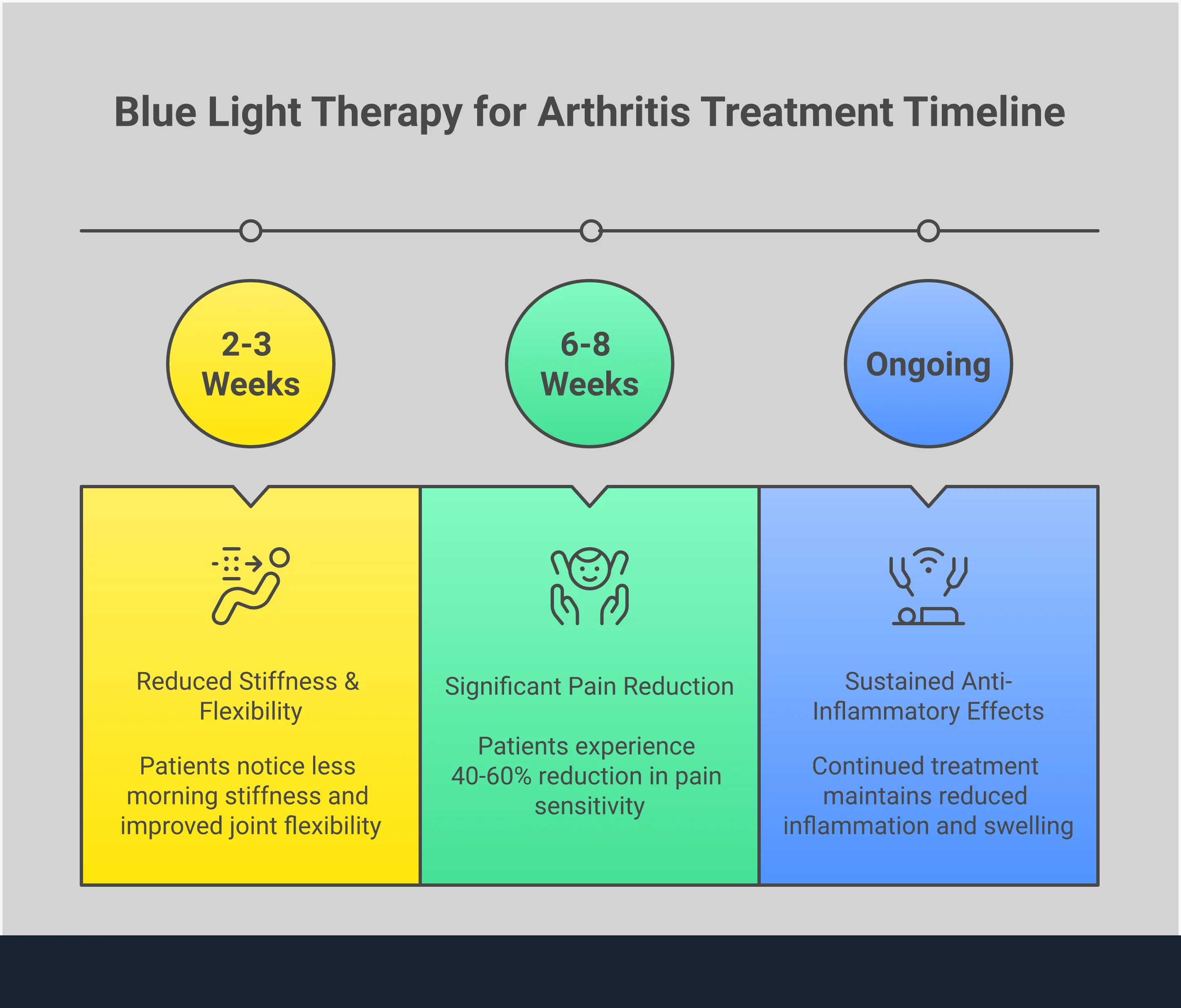
Consistency is key when it comes to seeing real, lasting results from blue light therapy. For arthritis, treatments are most effective when you come in two or three times a week. This frequency gives your body the steady support it needs to reduce inflammation and repair cellular damage. The length of each session is typically short, making it easy to fit into your schedule. Of course, every person is different. We’ll create a personalized pain management plan tailored to the severity of your arthritis and how your body responds, adjusting as we track your progress together.
What a Session Feels Like and How to Prepare
One of the best parts of blue light therapy is that it’s completely non-invasive and comfortable. During your session, you’ll feel a gentle, soothing warmth over the treatment area as the light works to improve blood circulation and ease inflammation. There’s no pain involved—just a relaxing sensation. Preparing for your appointment is simple. We just ask that the skin over the affected joint is clean and free of any lotions or creams. We’ll provide you with protective eyewear, and then you can just sit back and let the therapy begin. It’s a simple, calming process focused entirely on your relief.
How to Monitor Your Progress
Tracking your progress is an empowering way to see just how effective your treatment is. Studies show that patients often experience significantly less pain with light therapy, and you can measure this for yourself. We recommend keeping a simple journal to note your pain levels on a scale of 1 to 10 before and after each session. You can also track changes in your joint mobility and your ability to do daily activities that were once difficult. This feedback is incredibly valuable, helping us fine-tune your treatment plan and celebrate your wins along the way to better preventative wellness.
How to Get Started with Blue Light Therapy
Taking the first step toward a new treatment can feel like a big deal, but it doesn't have to be complicated. Finding the right provider and asking the right questions will set you up for a positive experience. Here’s a straightforward guide to getting started with blue light therapy for your arthritis pain.
Find a Qualified Provider Near You
When you’re looking for a light therapy provider, you want to find a clinic that specializes in non-invasive, drug-free care. Look for professionals who have deep experience using light-based technology for pain management and can explain the process clearly. A great provider will take the time to understand your specific arthritis symptoms and create a personalized plan.
Blue light therapy is a gentle way to ease pain by encouraging your body to release its own natural pain relievers and reduce the inflammation that causes so much discomfort. A quick online search for "light therapy for pain near me" is a good starting point. Be sure to read reviews and explore their websites to get a feel for their approach to patient care.
Important Questions to Ask Your Provider
Your initial consultation is the perfect time to get all your questions answered. Don’t be shy—a qualified provider will welcome your curiosity. It shows you’re an active participant in your own health journey.
Here are a few key questions to ask:
- What type of light therapy technology do you use?
- How does this treatment specifically help with arthritis symptoms?
- What does a typical treatment plan look like for someone with my condition?
- Are there any other wellness practices you recommend alongside the therapy?
Understanding how light interacts with your body is key. Different wavelengths, like red and infrared light, can penetrate the skin to help manage the inflammation that causes pain. Asking about the science shows you’re invested and helps you find a provider who is truly an expert in their field. You can learn more about our holistic approach and commitment to patient education.
What to Know About Cost and Insurance
Let’s talk about the practical side of things: cost. Because light therapy is often considered a complementary treatment, insurance coverage can vary widely. The best first step is to call your insurance company directly to ask about your benefits. At the same time, ask the therapy provider’s office if they work with insurance or offer any payment options.
Many clinics provide packages or memberships to make consistent care more affordable. While it might seem like an extra expense, think of it as an investment in your long-term mobility and comfort. Light therapy offers the advantage of being a convenient, non-invasive option with minimal side effects that can easily fit alongside your current arthritis care plan.
Get the Most Out of Your Blue Light Therapy
Blue light therapy is a powerful tool for managing arthritis, but its effects don't happen in a vacuum. Think of it as a partnership—the therapy provides the targeted relief, and your daily habits create the right environment for it to work its magic. By taking a few simple, supportive steps, you can amplify your results and get back to feeling your best, faster. It’s all about creating a holistic approach where your treatment and your lifestyle work together to help you heal.
Follow Your Recommended Treatment Plan
Consistency is everything when it comes to light therapy. Just like you wouldn’t expect to get fit after one trip to the gym, you won’t see the full benefits of blue light from a single session. The therapy works cumulatively, with each session building on the last to reduce inflammation and ease pain. Your provider will create a personalized pain management plan tailored to your specific needs, which often involves two or three sessions a week. Sticking to this schedule is the single most important thing you can do to ensure you get the relief you’re looking for. Trust the process and give your body the consistent support it needs to repair and recover.
Lifestyle Habits That Support Your Results
You can give your blue light therapy a major assist by adopting habits that also fight inflammation and support your body’s natural healing processes. Since the therapy works by reducing swelling and encouraging your body to release its own pain relievers, you can enhance these effects through your daily choices. Simple things like staying well-hydrated, eating anti-inflammatory foods like leafy greens and berries, and getting enough sleep can make a huge difference. Gentle movement, such as walking or stretching, also keeps your joints lubricated and improves circulation. These small adjustments contribute to your overall preventative wellness and help create the ideal internal environment for your therapy to be as effective as possible.
Pair Therapy with Other Wellness Practices
Blue light therapy plays well with others. It’s a safe, non-invasive treatment that can easily be integrated with other wellness practices you may already be using. In fact, it often works best as a complementary treatment. You can continue with physical therapy, chiropractic care, massage, or acupuncture while undergoing blue light therapy. Combining these approaches can create a powerful, synergistic effect, addressing your arthritis from multiple angles. For example, using blue light therapy before a physical therapy session can help reduce pain and inflammation, allowing you to get more out of your exercises. This kind of stacked approach is a cornerstone of effective performance recovery and can be just as beneficial for managing chronic conditions.
Frequently Asked Questions
Is the blue light used in therapy the same as the blue light from my phone and computer screen? That’s a great question, and the short answer is no. The blue light from your devices is uncontrolled and can lead to eye strain and disrupt your sleep patterns. Therapeutic blue light is entirely different. It uses a very specific, narrow wavelength that has been studied for its healing properties. In a professional setting, the light is targeted directly at the area of concern, like a sore joint, to help reduce pain and inflammation safely without affecting your eyes.
How quickly can I expect to feel relief from my arthritis pain? While some people notice a subtle improvement after just a few sessions, blue light therapy isn't an overnight fix. The benefits are cumulative, meaning each treatment builds on the one before it. True, lasting relief comes from consistency, as the therapy works with your body’s natural healing cycle to reduce inflammation over time. We'll work with you to track your progress so you can see the gradual improvements in your pain levels and mobility.
What does a blue light therapy session actually feel like? Is it painful? Not at all. A blue light therapy session is completely painless and most people find it very relaxing. You will likely feel a gentle, soothing warmth on the skin over the treated area. There are no needles or invasive procedures involved. You just get to sit back comfortably while the light does its work to improve circulation and calm inflammation in your joints.
Can I do this therapy if I'm already getting other treatments for my arthritis? Absolutely. Blue light therapy works very well alongside other treatments like physical therapy, chiropractic adjustments, or massage. Because it’s non-invasive and drug-free, it won’t interfere with your current care plan. In fact, it can even make your other treatments more effective by reducing the pain and inflammation that might otherwise limit your ability to participate fully in exercises or other therapies.
Why is it better to get this treatment at a clinic instead of using an at-home device? Professional clinics use powerful, medical-grade equipment that is far more effective and precisely calibrated than most consumer devices. A trained specialist can also create a personalized treatment plan for you, often combining blue light with other therapeutic wavelengths like red and near-infrared light to target healing at different tissue depths. This ensures you get a safe, effective, and customized treatment that you simply can't replicate at home.
Frequently Asked Questions
Is light therapy safe for athletes?

Yes, light therapy is completely safe and highly beneficial for athletes. It promotes faster muscle recovery, reduces inflammation, and supports performance without the risks of medication or downtime. That’s why professional and amateur athletes worldwide rely on it to train smarter and recover quicker.
How many sessions will I need?
The number of sessions varies depending on the type and severity of your condition. Many patients notice improvement after 3–5 sessions, while chronic conditions may require ongoing care for best results. During your initial consultation, we’ll design a personalized treatment schedule tailored to your body’s response and recovery goals.

Ready to Try Light Therapy for Recovery?