


8 Best Supplements for Arthritis Pain Relief
Walking down the supplement aisle can feel like a pop quiz you didn't study for. With rows of bottles all promising joint relief, how do you know what actually works and what’s just clever marketing? It’s easy to feel lost, especially when you’re just trying to find something safe and effective to ease your discomfort. We created this guide to cut through the noise. We’ll focus on the most researched and trusted supplements for arthritis pain, explaining what they are, how they help, and what to look for on a label. Our goal is to give you the clear, straightforward information you need to choose high-quality products with confidence.
Key Takeaways
- Choose Supplements with a Dual Purpose: Focus on options that do double duty by both calming inflammation (like turmeric and omega-3s) and protecting your joint cartilage (like ASU and SAM-e) for more complete, long-term relief.
- Put Safety and Quality First: Always get your doctor’s approval before starting a new supplement to avoid risky drug interactions. When you buy, look for products with a third-party testing seal from groups like USP or NSF to ensure you're getting what the label promises.
- Layer Your Therapies for Better Results: Use supplements as a complementary part of your arthritis care, not as a replacement for medical treatment. Combining their internal benefits with other non-invasive therapies, like light therapy, creates a more powerful and holistic approach to managing pain.
What Is Arthritis? A Guide to Natural Pain Management
If you're dealing with joint pain, stiffness, and swelling, you might be familiar with the term "arthritis." It’s not just a single condition but a general term for over 100 different types of joint inflammation. The two most common forms you’ll hear about are osteoarthritis and rheumatoid arthritis. Osteoarthritis is often called "wear and tear" arthritis, developing as our joint cartilage breaks down over time. Rheumatoid arthritis, on the other hand, is an autoimmune condition where the body’s own immune system attacks the joints, causing chronic inflammation.
Knowing which type you have is the first step toward finding effective relief. The good news is that you have options beyond just traditional medication. Many people find significant relief by managing their symptoms naturally, which can include gentle exercise, a balanced diet, and targeted light therapy. Another powerful tool in your natural toolkit can be dietary supplements.
Certain vitamins and supplements for arthritis have been studied for their ability to reduce inflammation and support joint health. For example, omega-3 fatty acids are known for their anti-inflammatory properties, while compounds like glucosamine and chondroitin may help protect cartilage. We’ll get into the specifics of the most effective supplements later in this post. The key is to build a holistic plan that addresses your specific needs, always in partnership with a healthcare professional who understands your health history.
Beyond Supplements: Holistic Strategies for Arthritis Relief
While supplements can be a fantastic addition to your routine, they work best as part of a bigger picture. True, long-lasting relief often comes from a holistic approach that combines several different strategies. Think of it as building a comprehensive toolkit for your joint health. By layering different therapies and lifestyle adjustments, you can address arthritis from multiple angles—reducing inflammation from the inside out, strengthening your body to better support your joints, and making daily life more comfortable. This multi-faceted strategy for pain management not only helps with symptoms but also empowers you to take an active role in your own wellness journey, creating sustainable habits for a more mobile and comfortable future.
First, Get a Proper Diagnosis
Before you start any new diet, exercise plan, or supplement regimen, the most critical first step is getting an accurate diagnosis from a healthcare professional. "Arthritis" is an umbrella term, and the two most common types, osteoarthritis and rheumatoid arthritis, are very different conditions that require distinct management plans. Understanding exactly what you're dealing with ensures that the strategies you choose are not only effective but also safe for your specific situation. A proper diagnosis is the foundation of your entire treatment plan, guiding every decision you make and setting you on the right path toward meaningful relief.
The Role of an Anti-Inflammatory Diet
The food you eat can either contribute to inflammation or help fight it. Adopting an anti-inflammatory diet is one of the most powerful lifestyle changes you can make to manage arthritis symptoms. Research suggests that incorporating foods rich in omega-3 fatty acids, like salmon and walnuts, can help reduce the body's inflammatory response. Similarly, a diet high in fiber, especially from whole grains and cereals, may offer protective benefits. The goal isn't about restriction but about addition—focus on crowding your plate with colorful fruits, vegetables, lean proteins, and healthy fats to give your body the nutrients it needs to thrive and keep inflammation in check.
Movement is Medicine: The Right Exercises for Joint Health
When your joints hurt, the last thing you might want to do is move. However, the right kind of physical activity is essential for managing arthritis. Exercise helps maintain joint function, strengthens the muscles that support your joints, and can significantly reduce pain. Studies have shown that consistent resistance training can lead to major improvements in pain and joint function, particularly for those with knee and hip osteoarthritis. The key is to find a balance between staying active and avoiding activities that put too much stress on your joints, turning movement into a healing and strengthening part of your daily routine.
Types of Effective Exercises
The best exercises for arthritis are gentle on the joints while still building strength and flexibility. Low-impact activities are your best friend here. Think about incorporating activities like swimming or water aerobics, where the buoyancy of the water supports your body weight and reduces stress on your joints. Cycling, whether on a stationary bike or outdoors, is another excellent choice for building leg strength without the pounding impact of running. Even a simple daily walk can do wonders for maintaining mobility and improving your overall sense of well-being. The goal is to keep your joints moving through their full range of motion regularly.
Starting Your Exercise Routine Safely
Before you jump into a new fitness routine, it’s always a good idea to chat with your doctor or a physical therapist. They can help you create a plan that’s tailored to your specific condition and fitness level, ensuring you get the benefits without risking injury. A great rule of thumb is to "start low and go slow." Begin with shorter sessions and lighter intensity, and gradually increase the duration and difficulty as you get stronger. Listen to your body—a little muscle soreness is normal, but sharp pain is a signal to stop and reassess.
Simple Lifestyle Changes for Daily Comfort
Managing arthritis effectively often comes down to the small, consistent choices you make every day. Beyond diet and exercise, simple lifestyle adjustments can have a profound impact on your comfort and mobility. One of the most overlooked factors is sleep. Research has shown that poor sleep can actually worsen arthritis pain and inflammation, creating a frustrating cycle. By prioritizing good sleep hygiene and making small modifications to your daily activities, you can reduce unnecessary strain on your joints and improve your overall quality of life, making day-to-day tasks feel much more manageable.
Activity Modification Tips
Making small tweaks to how you perform daily tasks can significantly reduce the strain on your joints. For example, if you have arthritis in your hands, look for ergonomic tools for the kitchen and garden that have larger, padded grips. When lifting, always use your largest, strongest joints—carry items with your arms instead of just your hands. It’s also helpful to take frequent breaks during repetitive activities like typing or crafting to stretch and change positions. These simple adjustments help conserve your energy and protect your joints from unnecessary stress throughout the day.
The Importance of Quality Sleep
Never underestimate the power of a good night's sleep. When you're sleep-deprived, your body becomes more sensitive to pain, and inflammation can flare up. To improve your sleep, try to establish a consistent and relaxing bedtime routine. This could include taking a warm bath, reading a book, or practicing gentle stretches. Make sure your bedroom is dark, quiet, and cool, and invest in a supportive mattress and pillows that keep your joints in a comfortable, neutral position. Prioritizing sleep is a non-negotiable part of a holistic preventative wellness plan for arthritis.
Understanding Conventional Arthritis Treatments
While natural and holistic strategies are powerful, it’s also important to be aware of the conventional treatments available for arthritis. A truly comprehensive care plan often integrates the best of both worlds. Understanding these options allows you to have more informed conversations with your healthcare provider and make decisions that feel right for you. From simple at-home remedies to more advanced medical interventions, these treatments provide additional tools for managing pain and preserving joint function. Knowing what’s available ensures you have a full range of options to pull from when you need them most, creating a well-rounded and effective approach to your health.
At-Home Care: Heat, Cold, and OTC Options
Some of the most effective relief can be found right in your own home. Applying heat, such as with a heating pad or a warm bath, can help increase blood flow, relax tight muscles, and soothe stiff joints. On the other hand, using a cold pack can be beneficial for acute flare-ups, as it helps decrease blood flow to reduce swelling and numb sharp pain. Many people also find relief from over-the-counter (OTC) nonsteroidal anti-inflammatory drugs (NSAIDs) like ibuprofen. These simple, accessible options can be a great first line of defense for managing day-to-day discomfort.
When to Consider Prescription Treatments
If lifestyle changes, supplements, and over-the-counter options aren't providing enough relief, it may be time to talk to your doctor about prescription treatments. Depending on the type and severity of your arthritis, your doctor might recommend stronger NSAIDs, corticosteroids, or disease-modifying antirheumatic drugs (DMARDs), which are particularly important for inflammatory conditions like rheumatoid arthritis. This step is about finding a more powerful intervention to control inflammation and prevent further joint damage. It’s a collaborative decision between you and your healthcare provider to find the right medication for your specific needs.
Supportive Devices for Mobility and Pain Relief
Sometimes, your joints need a little extra support to get through the day. Supportive devices like braces, splints, and orthotic shoe inserts can make a world of difference in both pain levels and mobility. A brace can help stabilize a weak or painful joint, like a knee or wrist, allowing you to move with more confidence and less discomfort. Similarly, custom orthotics can correct foot alignment issues that may be contributing to pain in your ankles, knees, or hips. These devices work by reducing strain and providing external support, making daily activities more manageable.
Surgical Options for Severe Cases
In situations where arthritis has caused severe joint damage and conservative treatments are no longer effective, surgery may be considered as an option to restore function and relieve pain. Procedures can range from arthroscopy, a minimally invasive technique to clean out the joint, to a full joint replacement (arthroplasty), where the damaged joint is replaced with an artificial one. This is typically considered a last resort after all other avenues have been explored. The decision to undergo surgery is a significant one, requiring in-depth discussions with an orthopedic surgeon to weigh the potential benefits against the risks.
How Supplements Can Soothe Arthritis Pain
When you’re dealing with the daily aches of arthritis, finding relief that works with your body, not against it, is everything. Natural supplements can be a powerful part of your pain management plan because they often address the root causes of discomfort. Instead of just masking symptoms, many of these compounds work to calm inflammation and support the health of your joints from the inside out. Think of it as giving your body the specific tools it needs to fight back against joint damage and swelling, helping you move more freely and with less pain.
This approach complements other natural therapies, like the pain management services we offer, by creating a holistic strategy for your well-being. By combining internal support from supplements with external treatments, you can build a comprehensive plan that helps you feel and move better for the long term.
Calming Painful Inflammation
Inflammation is the primary driver behind the swelling, stiffness, and pain of arthritis. The good news is that several natural compounds are fantastic at cooling that fire. Curcumin, the active ingredient in turmeric, is a standout because it directly blocks the inflammatory chemicals that cause joint pain. Similarly, the omega-3 fatty acids found in fish oil don't just block these chemicals; your body also converts them into powerful anti-inflammatory agents called resolvins. Even common ginger has been shown to have anti-inflammatory effects similar to ibuprofen. The Arthritis Foundation includes these on its list of the best supplements for arthritis for their ability to effectively reduce swelling.
Supporting Your Joints and Cartilage
Beyond just managing inflammation, the right supplements can help protect your joints and the cartilage that cushions them. Some may even help your body rebuild. For example, SAM-e (S-adenosylmethionine) is a compound that not only helps with pain and swelling but may also encourage new cartilage growth. You’ve likely also heard of glucosamine and chondroitin, which are popular because they can slow the breakdown of existing cartilage. Another effective option is Avocado-Soybean Unsaponifiables (ASU), which helps prevent the breakdown of the joint lining and may support the repair of joint tissue, offering a great way to manage joint pain proactively.
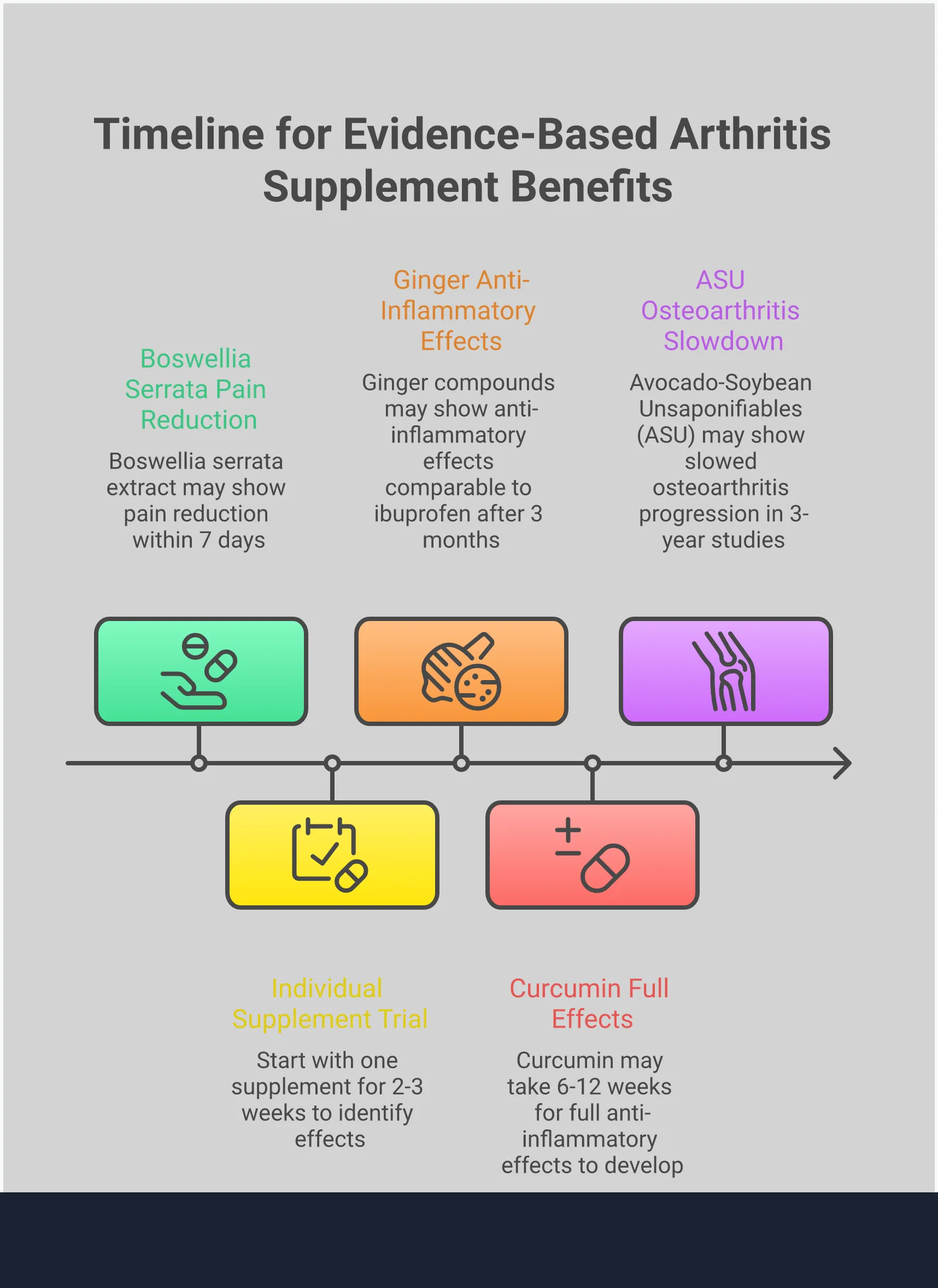
8 Proven Natural Supplements for Arthritis Pain
When you're dealing with the daily aches of arthritis, finding relief that aligns with a natural approach can feel like a game-changer. While there's no single magic bullet, several supplements have shown real promise in easing joint pain and inflammation. Think of them as allies in your wellness toolkit. They work by targeting inflammation and supporting joint health from the inside out, offering a way to manage symptoms without relying solely on traditional medications. Let's walk through some of the most researched and effective options you might consider adding to your routine for pain management.
Turmeric: The Golden Spice for Inflammation
You’ve probably heard about turmeric, the vibrant yellow spice. Its power comes from a compound called curcumin, a natural anti-inflammatory. Curcumin works by blocking the specific chemicals in your body that trigger inflammation, which helps reduce joint pain and swelling. Research has been really encouraging here. One study focusing on people with osteoarthritis found that a turmeric supplement led to long-term improvements in both pain levels and knee function. It’s a great example of how a natural ingredient can support your body’s ability to manage chronic pain.
Omega-3s: More Than Just Heart Health
Found in fatty fish like salmon and mackerel, omega-3s are famous for their health benefits, especially when it comes to inflammation. The key players are EPA and DHA, two types of fatty acids that block inflammatory pathways. Your body even converts them into powerful anti-inflammatory compounds. Numerous studies have explored the benefits of fish oil for rheumatoid arthritis (RA). A major review of the research found that it significantly reduced joint stiffness and tenderness for people with RA, making it a strong contender for your daily regimen.
Reducing Pain and Medication Needs
One of the biggest wins for many people with arthritis is finding relief that lets them cut back on pain medication. This is where targeted supplements can really shine. Take SAM-e, for example. It not only helps with pain and swelling but may also encourage new cartilage growth. Some research even shows it can work as well as certain NSAIDs, but with fewer side effects. In the same way, the omega-3s in fish oil are known to reduce joint stiffness and tenderness, which can often mean reaching for the pill bottle less frequently. When you add these to your routine, along with other anti-inflammatory heroes like curcumin, you’re doing more than just covering up symptoms. You’re giving your body the tools it needs to support its own health. This approach helps you manage pain more naturally and can be a key step in reducing your reliance on conventional drugs over time.
Boswellia Serrata: An Ancient Answer to Joint Pain
Also known as Indian frankincense, Boswellia serrata is an herbal extract that has been used for centuries in traditional medicine. It’s a potent anti-inflammatory that not only helps with pain and swelling but may also prevent cartilage loss—a huge win for joint health. What’s really impressive is how quickly it can work. One study showed that a specific Boswellia extract called Loxin 5 significantly improved osteoarthritis pain and function in as little as seven days. This makes it a fantastic option if you're looking for faster, noticeable relief.
Ginger: A Powerful, Natural Pain Reliever
This familiar kitchen spice does more than just flavor your food. Ginger contains compounds that have anti-inflammatory effects similar to what you’d find in over-the-counter pain relievers like ibuprofen. It’s a natural way to target the same pathways that cause pain and swelling. One study found that a specialized ginger extract was as effective as steroids at reducing inflammation in rheumatoid arthritis. Other research has shown it can reduce knee pain from osteoarthritis after about three months of consistent use, proving that this humble root has some serious pain-fighting power.
Glucosamine & Chondroitin: The Building Blocks for Your Joints
If you’ve ever walked down the supplement aisle, you’ve likely seen bottles of glucosamine and chondroitin. These two are some of the most popular supplements for arthritis because they are natural components of cartilage. The idea is that supplementing with them can help protect your joints. They are most commonly used for osteoarthritis and can offer some people noticeable pain relief. While they may not replace the need for traditional pain relievers entirely, many find them to be a helpful part of their overall arthritis management plan.
Understanding the Research and Potential Side Effects
While many supplements are generally safe, it's essential to remember that "natural" doesn't automatically mean risk-free. Before you add anything new to your routine, the most important step is to talk with your doctor. They can review your health history and current medications to make sure a new supplement won't cause any unwanted interactions. According to the Arthritis Foundation, this conversation is critical for understanding if a supplement is truly safe for you and how it might affect your other medicines. This simple check-in ensures you’re making a choice that supports your health goals without creating new problems.
The research on supplements for joint pain is promising, with many studies showing they can reduce pain and improve function, especially when used with other treatments. For example, curcumin has been shown to be as effective as some NSAIDs but with fewer side effects. However, it's important to see supplements as one part of a larger, holistic strategy. They work best when they complement other healthy habits and non-invasive therapies. Combining the internal support of supplements with external treatments like light therapy for preventative wellness can create a more comprehensive and effective approach to managing your arthritis pain for the long haul.
SAM-e: For Joint Comfort and a Better Mood
SAM-e is a compound your body naturally produces, and it plays a role in everything from mood to joint health. As a supplement, it’s known to help with pain and reduce inflammation. Even better, some research suggests it may stimulate cartilage growth. Two different studies found that SAM-e was just as effective for osteoarthritis pain as common NSAIDs (nonsteroidal anti-inflammatory drugs). The best part? It came with fewer side effects and its benefits seemed to last longer, making it a compelling alternative for long-term joint support and preventative wellness.
ASU: A Unique Combo for Cartilage Health
This one might sound a bit scientific, but it’s simply a natural extract made from avocado and soybean oils. ASU works by blocking the inflammatory chemicals that damage cartilage and may even help regenerate normal joint tissue. It’s not just a theory—the research is solid. A large, three-year study on individuals with hip osteoarthritis found that ASU significantly slowed the progression of the condition. This suggests that ASU doesn't just mask symptoms; it may actually help protect your joints over the long term, which is a fantastic goal for anyone managing arthritis.
How ASU Can Reduce the Need for Pain Medicine
One of the most compelling reasons to consider ASU is its potential to help you cut back on traditional pain relievers. Unlike medications that simply mask symptoms, ASU works on a deeper level by blocking the inflammatory chemicals that damage your cartilage. This isn’t just a temporary fix; a large, three-year study on people with hip osteoarthritis showed that ASU actually slowed the progression of joint damage. This means it offers long-term protection, which is a key part of a sustainable strategy for natural pain relief. By addressing the root cause of the breakdown, ASU can help reduce your daily discomfort and, in turn, your reliance on over-the-counter or prescription drugs.
Cat's Claw: An Amazonian Herb for Immune Support
Don’t worry, no felines were harmed! Cat’s claw is a tropical vine with powerful anti-inflammatory properties. It works by inhibiting a substance called TNF (tumor necrosis factor), which is a major trigger for inflammation in rheumatoid arthritis. In fact, some of the strongest RA medications also target TNF. While it’s a natural option, it packs a punch. A small but significant study showed that people taking cat’s claw experienced a reduction in joint pain and swelling of over 50% compared to those taking a placebo. It’s a promising herb for taming RA-related inflammation.
Capsaicin: Topical Relief from Chili Peppers
If you like a little spice, you’ll be interested in this one. Capsaicin is the compound that gives chili peppers their heat, and it’s also a powerful ingredient in many topical pain relief creams, gels, and patches. When you apply it to your skin, it works by temporarily reducing a chemical in your body that sends pain signals to your brain. It’s especially effective for osteoarthritis, and some people use it for rheumatoid arthritis and fibromyalgia, too. The Arthritis Foundation highlights research where it cut joint pain by half after just three weeks of use, making it a great option for targeted, fast-acting relief.
Gamma Linolenic Acid (GLA): An Anti-Inflammatory Omega-6
While you often hear about omega-3s, a specific type of omega-6 fatty acid called Gamma Linolenic Acid (GLA) is also a strong ally against inflammation. Your body converts GLA into powerful anti-inflammatory chemicals that can help soothe joint pain. It’s found in the oils of certain plant seeds, like evening primrose and borage. GLA is particularly beneficial for those with rheumatoid arthritis. Studies have shown that after six months of consistent use, it can lead to noticeable improvements in joint pain, stiffness, and even grip strength, with those benefits continuing to build over a full year.
Collagen: Supporting Cartilage and Joint Function
Collagen is the most abundant protein in your body, acting like the "glue" that holds everything together, including your cartilage. As we age, our natural collagen production slows down, which can affect joint health. Taking a collagen supplement may help counteract this. Research suggests that for people with osteoarthritis, collagen can help reduce pain and improve joint function. More importantly, it appears to help protect the cartilage you still have, making it a smart choice for a long-term strategy focused on preserving your joint structure and maintaining mobility.
Essential Vitamins and Minerals for Bone Health
Sometimes, getting back to basics is the best approach. Essential nutrients like Vitamin D play a critical role in your joint health, even if they aren't the first things that come to mind. Vitamin D is vital for strong bones because it helps your body absorb calcium. Research from WebMD shows that people with rheumatoid arthritis often have low levels of Vitamin D, and this deficiency can actually make their symptoms worse. Ensuring you have adequate levels of key vitamins and minerals provides a solid foundation for any other natural therapies you use, supporting your body’s overall ability to stay strong and resilient.
Green Tea: Antioxidant Protection for Joints
Your daily cup of green tea might be doing more than just giving you a gentle energy lift. It’s packed with a powerful antioxidant compound called EGCG, which has shown exciting potential for joint health. While most of the research is from lab and animal studies, the findings are promising. EGCG appears to help protect both cartilage and bone from damage. This antioxidant action may also lower the overall risk of developing osteoarthritis and rheumatoid arthritis. It’s a simple, enjoyable way to incorporate more joint-protective compounds into your routine as part of a preventative wellness plan.
CBD (Cannabidiol): What the Research Says
CBD has gained a lot of attention for its potential health benefits, including pain relief. It’s thought to work by interacting with your body’s system that helps control pain and inflammation. So far, animal studies have been encouraging, showing that CBD can reduce both pain and swelling in arthritic joints. Human research is still catching up, but one study did find that a synthetic form of CBD helped with knee osteoarthritis pain. While we need more studies to fully understand its effects, it remains a compound of interest for many seeking natural ways to manage their pain.
Other Promising Natural Compounds
The world of natural supplements is always evolving, with new research highlighting other promising options for arthritis relief. While they may not be as well-known, a few "honorable mentions" are worth keeping on your radar. For osteoarthritis, pine bark extract has shown some positive results. For those with rheumatoid arthritis, both rosehips and green-lipped mussel extract have demonstrated potential in early studies. As research continues, these compounds may become more mainstream, offering even more choices for building a personalized and effective natural pain management plan.
How Much Should You Take? Finding Your Dose
Okay, so you've picked out a few supplements you'd like to try. The next big question is: how much should you take? This is where things can get a little tricky, because finding the right dosage is crucial for seeing results without overdoing it. Too little might not have an effect, while too much could cause unwanted side effects. It’s definitely not a one-size-fits-all situation; the ideal amount can depend on your body, the severity of your symptoms, and the specific supplement formulation you choose.
Think of the recommendations below as a starting point, not a strict rulebook. The best approach is often to begin with a standard dose and pay close attention to how you feel. It can take several weeks, or even a couple of months, to notice a real difference with some of these natural options, so patience is your best friend here. For example, some studies show turmeric can take 6 to 12 weeks to show its full effect. This is why tracking your symptoms in a journal can be really helpful. Before you start any new routine, it's always a smart move to chat with your doctor. They can help you create a plan that works safely with any other treatments you're using, like our non-invasive pain management therapies, and ensure you're on the right track for your specific health needs.
A Quick Guide to Supplement Dosages
Here are some general guidelines for the supplements we've discussed. Remember to always check the product label for specific instructions, as formulations can vary.
- Turmeric/Curcumin: A common recommendation is 500 mg twice a day. For the best results, take it with a meal containing healthy fats to help your body absorb it.
- Fish Oil: Look for a supplement with at least 1 gram each of EPA and DHA. Taking it with food can help prevent those pesky "fish burps."
- Glucosamine and Chondroitin: Typical daily doses are around 1,500 mg of glucosamine and 1,200 mg of chondroitin.
- Boswellia Serrata: A suggested dose is between 100 to 250 mg per day.
- Ginger: Dosing can vary, but some studies on arthritis show that specific ginger extracts can be as effective as steroids for reducing inflammation.
Timing Is Everything: When to Take Your Supplements
Timing can make a big difference in how well your body uses a supplement. For instance, taking fat-soluble options like turmeric and fish oil with a meal can improve absorption. Consistency is also vital. Taking your supplements at the same time each day helps maintain steady levels in your system. Be patient, as some supplements like SAM-e can take about a month to start working.
Most importantly, always talk to your doctor before adding any new supplement to your routine. This is especially important because supplements can interact with other medications you might be taking. Your doctor can review your current health plan, help you find the right starting dose, and ensure your path to pain relief is both safe and effective.
What About Side Effects and Drug Interactions?
It’s easy to hear the word “natural” and immediately think “safe.” And while supplements can be a fantastic tool in your wellness kit, it’s important to remember that they are powerful substances that can have real effects on your body. Just because you can buy something over the counter doesn’t mean it comes without rules. Like any medication, supplements can cause side effects or interact with other drugs you’re taking.
Thinking about these factors isn’t meant to scare you off—it’s about empowering you to make the smartest, safest choices for your health. Being informed helps you work with your healthcare provider to create a pain management plan that truly works for you, without any unwelcome surprises. Understanding the full picture is a key step in taking control of your arthritis symptoms and feeling your best.
Potential Side Effects to Watch For
Even the most popular supplements can have side effects. For example, turmeric is celebrated for its anti-inflammatory properties, but it can sometimes cause stomach upset or dizziness. More importantly, it can interact with common medications like pain relievers and has been linked to liver issues in some cases, which is why doctor supervision is so important. The term "natural" doesn't automatically mean it's a perfect fit for every person. Being aware of potential side effects allows you to monitor how you feel and have an open conversation with your doctor about what’s normal and what’s a red flag.
Could Your Supplements Interact with Your Meds?
This is a big one, especially if you’re already taking medication for arthritis or other conditions. Many natural supplements can change how your prescriptions work. For instance, omega-3 fish oil can have a blood-thinning effect, which could increase the risk of bleeding if you’re also taking a blood thinner like warfarin. Similarly, Boswellia can sometimes amplify the side effects of other drugs, including antidepressants, anti-anxiety medicines, and even over-the-counter options like ibuprofen. This is why giving your doctor a complete list of everything you take—prescriptions, vitamins, and supplements—is absolutely essential for your safety.
When to Talk to Your Doctor
Here’s the most important takeaway: always talk to your doctor before adding any new supplement to your routine. Think of your doctor as your partner in health. They have the full context of your medical history, your current medications, and your specific needs. They can help you determine if a supplement is a good choice for you, recommend a safe dosage, and suggest a quality brand. This conversation is a crucial part of building a safe and effective wellness plan. It ensures that all your efforts, from supplements to other treatments, are working together to help you feel better and move better.
How to Choose a High-Quality Supplement
Walking into the supplement aisle can feel overwhelming. With countless bottles all promising relief, how do you know which ones are effective and, more importantly, safe? The supplement industry isn't regulated in the same way as pharmaceuticals, which means the quality can vary dramatically from one brand to the next. It’s up to you to be a savvy consumer.
Making an informed choice is about more than just picking the right herb or vitamin; it’s about choosing a high-quality product that contains what it promises without any harmful extras. A low-quality supplement might be ineffective at best and dangerous at worst. It could contain less of the active ingredient than stated, or it might be contaminated with heavy metals or other toxins. To get the results you’re looking for and protect your health, you need to know what to look for. We’ll walk through the three most important steps: checking for third-party testing, learning how to read a label properly, and understanding the role of the FDA in regulating supplements.
Why Third-Party Testing Matters
Think of third-party testing as a background check for your supplements. Since manufacturers aren't required to get FDA approval before selling their products, independent organizations step in to verify quality. Groups like NSF International and USP (U.S. Pharmacopeia) test products to confirm a few key things: that the supplement actually contains the ingredients listed on the label in the stated amounts, that it doesn’t have harmful levels of contaminants, and that it will break down properly in your body. When you see a seal from one of these organizations on the bottle, you can feel more confident that you’re getting what you paid for. It’s a simple way to filter out low-quality products.
Decoding the Supplement Label
A supplement label tells a story, and it’s important to read the whole thing. Start with the serving size and the amount of the active ingredient per serving—sometimes you need to take multiple capsules to reach the dosage listed on the front. Next, scan the "other ingredients" list. You might find fillers, binders, or potential allergens you want to avoid. Most importantly, before you start taking anything new, you should always talk to your doctor. They can review the supplement and your current medications to make sure there are no potential interactions or side effects to worry about. This conversation is a critical step in using supplements safely and effectively.
Understanding the FDA's Role (and What It Isn't)
It’s a common misconception that the Food and Drug Administration (FDA) vets all supplements for safety and effectiveness before they hit shelves. In reality, the FDA regulates supplements more like food than drugs. Manufacturers are responsible for ensuring their products are safe, but they don’t need to prove it to the FDA before selling them. This is why the term "natural" can be misleading. Even natural substances can cause side effects or interact with other medications. For example, high doses of fish oil can have a blood-thinning effect, which could be risky if you’re already taking a blood thinner. Your healthcare provider is your best resource for understanding these potential risks and making sure a supplement is a good fit for you.
Can Natural Supplements Replace Traditional Arthritis Treatments?
When you're dealing with the daily realities of arthritis pain, it’s natural to look for every possible tool to feel better. Natural supplements can be a fantastic addition to your routine, offering support for managing symptoms like stiffness and inflammation. However, it's important to see them as part of a team effort, not a solo act. They are not a replacement for the treatment plan you've developed with your doctor. While the idea of a single, natural pill solving everything is appealing, arthritis is a complex condition that usually requires a multi-faceted approach to manage effectively.
Leading medical organizations are clear on this point. The American College of Rheumatology states that herbal remedies and supplements should never be the only treatment for arthritis. Think of your arthritis management plan like a well-rounded diet; you need a variety of components working together for the best results. Your doctor may prescribe medications to slow disease progression or manage severe pain, while a physical therapist can provide exercises to maintain joint mobility. At the same time, lifestyle adjustments like diet and exercise play a huge role. This is where supplements fit in—as a piece of the puzzle, not the whole picture. They can help fill gaps and provide additional anti-inflammatory support, but they can't do the heavy lifting of prescribed medications or therapies.
Complementary vs. Alternative: What's the Difference?
It’s helpful to understand the language used when talking about these treatments. Supplements are best viewed as a complementary therapy, meaning they work alongside your primary medical care. An alternative therapy, on the other hand, is used in place of traditional treatment. When it comes to arthritis, the evidence points toward a complementary approach. The Arthritis Foundation notes that vitamins and supplements for arthritis are most effective when used with regular treatments, not as a substitute. By adding supplements to your existing plan, you can enhance your overall strategy for managing pain and protecting your joints, giving you a more robust and effective path to relief.
Working with Your Doctor for the Best Plan
Before you add any new supplement to your routine, the most important step is to have a conversation with your doctor. This isn't just a suggestion—it's a crucial part of using supplements safely and effectively. Your doctor understands your complete health profile, including any other conditions you have or medications you take. They can help you avoid potential interactions and ensure you’re choosing supplements that are right for you. As the Arthritis Foundation advises, "Always talk to your doctor before starting any new supplement to make sure it's right for you and that you're taking a safe amount." This partnership ensures every part of your care plan works together, helping you get the best possible results without compromising your safety.
Get Better Results: Combine Supplements with Light Therapy
Taking the right supplements can make a huge difference in managing arthritis pain. But what if you could amplify those benefits? By pairing your supplement routine with other natural, non-invasive treatments, you can create a powerful, multi-faceted approach to pain relief. This is where light therapy comes in. It’s a safe, drug-free way to address pain and inflammation directly at the source, working hand-in-hand with the supplements you’re taking to support your body from the inside out. This combination helps you build a truly comprehensive wellness strategy that targets discomfort from every angle, helping you feel better and move better.
How This Powerful Duo Works Together
Think of it as a tag-team effort for your joints. Supplements like turmeric and ginger are fantastic for their anti-inflammatory properties, working systemically to calm inflammation throughout your body. Light therapy, on the other hand, provides targeted relief. Our pain management treatments use specific wavelengths of light to penetrate deep into your tissues. This process helps reduce localized inflammation and improve blood flow right where you need it most. When you combine these two approaches, you get a synergistic effect. The supplements create an anti-inflammatory internal environment, while light therapy accelerates healing and provides direct relief to painful joints.
Creating Your Holistic Pain Relief Routine
Creating a holistic plan is about more than just taking a pill and hoping for the best. It’s about layering effective, natural strategies that work together. Start by talking with your doctor about which supplements, like turmeric or Boswellia serrata, are right for you. Then, consider how a non-invasive treatment like light therapy can fit into your routine. Studies have shown that this kind of integrative strategy can be incredibly effective for managing osteoarthritis pain. Your complete plan is a partnership between you, your healthcare provider, and specialists who can guide you. We're here to help you figure out how light therapy can complement your efforts and get you back to feeling your best.
Your Next Steps: A Simple Arthritis Relief Plan
Ready to build a routine that works for you? Creating a personal relief plan is an empowering step toward managing your arthritis symptoms. It’s about moving beyond just trying different things and instead developing a thoughtful, consistent approach. This plan isn't just about which supplements to take; it's about how you take them, how you track their effects, and how they fit into your broader wellness goals alongside things like diet, exercise, and other therapies.
Think of it as your personal roadmap. It combines smart, research-backed choices with your own unique experience. A good plan is flexible, allowing you to make adjustments as you learn what your body responds to best. By taking the time to create a structured approach, you can feel more confident that you’re supporting your health safely and effectively. The goal is to integrate supplements into your life in a way that complements your existing care and truly makes a difference in how you feel each day. This is your guide to getting started on the right foot.
Starting Your Supplement Routine Safely
Before you add any new supplement to your routine, the most important first step is to talk with your doctor. They can help you understand potential side effects or interactions with any medications you’re currently taking. It’s also helpful to know that the FDA doesn't regulate supplements the same way it does prescription drugs. This means it’s up to you to be a savvy consumer. When you’re shopping, look for a third-party seal from organizations like USP or NSF on the label. These seals verify that the product contains what it says it does and isn’t contaminated. The Arthritis Foundation offers great tips for choosing supplements you can trust.
Listen to Your Body: Tracking and Adjusting
Once you’ve chosen a supplement with your doctor’s approval, introduce it on its own. Trying one new thing at a time for a few weeks makes it easier to see what’s actually making a difference. Consider keeping a simple journal to note your dosage, symptoms, and any changes you feel. Remember, supplements are meant to be part of a complete wellness strategy, not a replacement for medications prescribed to slow joint damage. As you build your routine, it’s a great idea to review everything—prescriptions, over-the-counter meds, and supplements—with your pharmacist to double-check for any interactions. This helps ensure your entire holistic pain management plan is working together safely.
Frequently Asked Questions
How long will it take to feel a difference after I start taking a supplement? Patience is key when it comes to natural supplements. Unlike over-the-counter pain relievers that offer quick, temporary relief, these supplements work by addressing underlying inflammation and supporting joint health over time. You might start to notice subtle improvements in a few weeks, but it can often take two to three months of consistent use to experience the full benefits.
Can I take several of these supplements together? While it can be tempting to combine a few promising options, it’s best to introduce new supplements one at a time. This approach allows you to see how your body responds to each one individually. Once you know what works for you, you can talk with your doctor about creating a combination that safely and effectively meets your specific needs.
Are natural supplements a good substitute for my prescription arthritis medication? It's important to view supplements as a complementary part of your care plan, not a replacement for your prescribed medications. Think of them as a supportive teammate. While supplements can be excellent for managing symptoms like pain and stiffness, many prescription drugs are designed to slow the progression of the disease itself. Always follow your doctor's treatment plan and discuss how supplements can fit into it.
With so many options, which supplement is the best one to start with? There isn't a single "best" supplement for everyone, as the right choice depends on your type of arthritis, your overall health, and your specific symptoms. However, options like turmeric (curcumin) and omega-3 fish oil are often great starting points because they are well-researched and target general inflammation. The most effective first step is to discuss your symptoms with your doctor to determine which supplement is the most logical fit for you.
How does something like light therapy work with supplements? Pairing supplements with light therapy creates a powerful two-pronged approach to pain relief. Supplements work from the inside out, helping to reduce inflammation throughout your entire body. Light therapy provides targeted relief from the outside in, using specific light wavelengths to penetrate deep into a painful joint to reduce localized inflammation and improve circulation. Together, they offer a comprehensive strategy for managing your arthritis symptoms.
Frequently Asked Questions
Is light therapy safe for athletes?

Yes, light therapy is completely safe and highly beneficial for athletes. It promotes faster muscle recovery, reduces inflammation, and supports performance without the risks of medication or downtime. That’s why professional and amateur athletes worldwide rely on it to train smarter and recover quicker.
How many sessions will I need?
The number of sessions varies depending on the type and severity of your condition. Many patients notice improvement after 3–5 sessions, while chronic conditions may require ongoing care for best results. During your initial consultation, we’ll design a personalized treatment schedule tailored to your body’s response and recovery goals.

Ready to Try Light Therapy for Recovery?