

Natural Pain Relief Options Without Surgery
If pain is shaping your day, a list of natural pain relief options without surgery can feel both hopeful and confusing. Heat, movement, massage, and light-based care are not the same thing, and none of them replaces a diagnosis. The useful question is narrower: which choice matches the goal you have this month, and which one is a poor fit for how you live?
Explore non-surgical pain care at Laser Lab Therapy in Murrells Inlet if you want a clinic visit, not another home remedy list, and a plan you can review.
This guide sorts common choices by what they are meant to do. It also shows where Laser Lab Therapy, a Murrells Inlet clinic serving the Grand Strand, fits if you want a drug-free, non-invasive path. It is not a surgical consult checklist. If you are already comparing an operation with your specialist, start with our guide to questions to ask before surgery.
How to sort natural pain relief options without surgery
Start with the job you want the plan to do. Some people need to sleep through the night. Others need to walk a grocery aisle, finish a round of golf, or get through a desk day without a flare. A choice that eases a sore muscle after activity will not answer a different problem, such as nerve pain in the feet.
Write down three facts before you add anything new. A short list beats a long memory when you are comparing unlike choices and trying to stay honest about what has already failed.
- Where the pain is, and whether it stays in one spot or spreads.
- What you have already tried, for how long, and what changed.
- Which daily task matters most if it gets easier.
Then match the choice to that task. The National Center for Complementary and Integrative Health notes that some complementary approaches may help manage certain painful conditions, and that a good safety record still does not make a method risk-free for every person. Pregnancy, other diagnoses, and medicines can change what is reasonable. Natural does not mean harmless.
Use the same four questions for every option on your list. Asking them in the same order makes a heat pack and a clinic visit easier to compare without pretending they do the same job.
- What result is realistic in the next few weeks?
- What time, travel, or home practice does it ask of me?
- What should I stop or change if symptoms get worse?
- Who should review this alongside the care I already have?
Those questions keep a broad search from turning into a pile of unrelated tips. They also keep you from judging a short clinic visit by the same rules you would use for a daily home habit.
Compare the choices side by side
The table below is a conversation guide, not a ranking and not a treatment plan. Your clinician can tell you which rows even belong in the discussion. Some rows may be a poor fit because of a diagnosis, a medicine, or another health issue.
| Option | What it is for | What it will not do | A practical question |
|---|---|---|---|
| Activity changes and pacing. | Protect a task you still want to do, such as walking, golf, or desk work. | It does not explain the cause of pain by itself. | Which part of the task should I change first? |
| Heat or cold. | Short comfort for a sore area after activity or stiffness. | It does not rebuild tissue or settle a long-running condition. | How long should I use it, and when should I stop? |
| Guided movement. | Rebuild tolerance for a specific activity with a qualified professional. | It is not a quick fix you finish in one visit. | What should feel like work, and what should I avoid? |
| Massage and hands-on care. | Muscle tightness and recovery support when a licensed therapist is a fit. | It does not replace imaging or a medical workup. | Which technique matches this area, and how often? |
| Class IV laser and LED light therapy. | Non-invasive support for minor muscle and joint aches, stiffness, and local circulation. | It is not surgery, and it is not a promise that pain will disappear. | What does one visit involve, and how will we judge a response? |
Read the last column out loud with your clinician. If you cannot answer it, you do not yet have a plan. You only have a label.
Keep condition-specific reading in its own place. Knee pain has its own path in our knee pain relief without surgery guide. Back pain has a separate guide to non-surgical back pain relief. This page stays with the choice between kinds of care, not one joint.
What each natural option can and cannot do
Change the task before you change the treatment.
Pacing is the least glamorous option, and it is often the first one that helps you tell whether anything else is working. Shorten a walk, split a chore, or change the grip on a club or racquet. Then notice what happens over a week, not an hour. If the same task always flares the same spot, that pattern is useful information for the next person you see.
Activity changes fail when they become avoidance. Staying still for days can make stiffness worse. The goal is a version of the task you can repeat, not a week of doing nothing and hoping the pain forgets you.
Use heat and cold as comfort, not as a cure
Heat can ease stiffness before a gentle activity. Cold can take the edge off a sore area after one. Both are home tools with a short job. They should not be the only plan if pain is changing how you walk, sleep, or work. Stop and ask a clinician if skin is numb, broken, or unusually sensitive, or if you have a circulation problem that makes temperature unsafe.
Let guided movement have a job and a review date
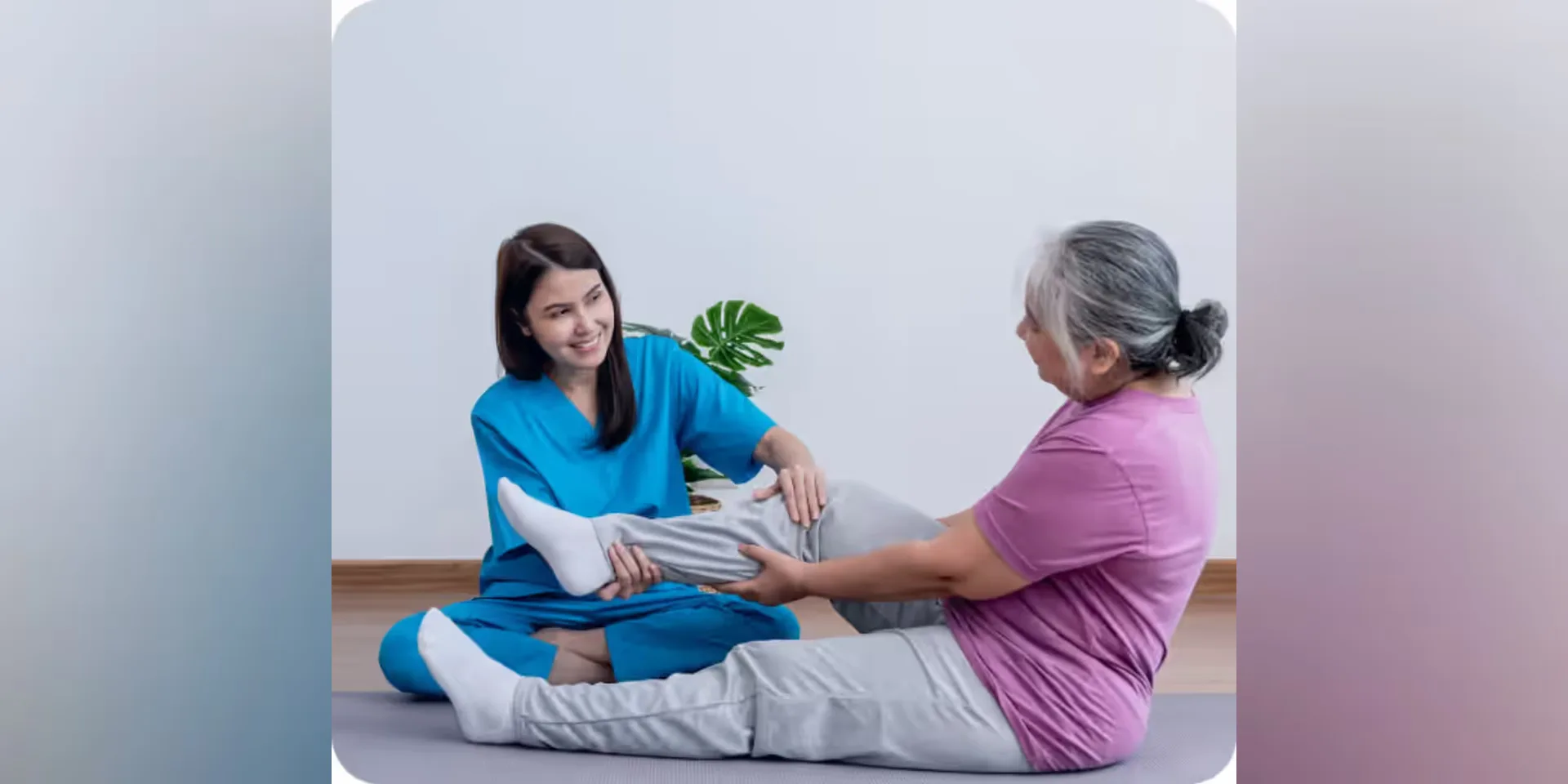
Working with a physical or occupational therapist is a different kind of natural care. The point is to match exercise to a diagnosis and a goal, then review it. Ask what the exercise is for, how many weeks you will try it, and what "better" will look like in daily life. A plan with no review date is hard to judge.
Do not stack a new home program on top of a flare and call that consistency. If a movement sharply increases pain, swelling, or numbness, stop and get advice before you push through it.
Hands-on care has a scope
Massage can be part of recovery when muscle tightness is part of the picture. At Laser Lab Therapy, licensed massage can sit alongside light-based care, including myofascial release, lymphatic drainage, trigger point work, and deep tissue. It is still bodywork. It is not a scan, and it is not a reason to skip medical care for red-flag symptoms.
Where Class IV laser and light therapy fit
Laser Lab Therapy organizes care around three pillars: pain relief, preventative wellness, and performance recovery. The pain program uses a Summus Class IV laser and photobiomodulation. Sessions are short, about 5 to 10 minutes, and people often come two or three times a week for a few weeks. The homepage notes that many patients feel they move better after 3 to 6 light therapy sessions. That is a clinic observation, not a guarantee for every person or every condition.
The public site describes the laser as FDA-cleared for temporary relief of minor muscle and joint aches, arthritis and muscle spasm relief, stiffness, muscle relaxation, and a temporary increase in local blood circulation. Staff apply the laser to the area being treated. You stay clothed except where the area needs to be reached, and you can return to your day afterward. There is no incision and no medication given at the visit.
The same clinic also offers a full-body LED light bed, Normatec compression, vibration therapy, and Thorne supplements. Those are supporting tools, not substitutes for the pain visit. If you want the technology comparison rather than the care decision, read photobiomodulation versus red light therapy and our guide to full-body red light therapy for pain.
A consult is the right next step when you want to know whether this kind of visit matches your history. It is the wrong next step if you are looking for someone to cancel a surgery your specialist has already said you need. Bring your questions. Leave the medical decision with the clinician who knows your case.
Dr. Heather Hinshelwood provides medical oversight for the Murrells Inlet clinic. The team screens history before treatment and can tell you if light-based care is not appropriate. If you are comparing membership for ongoing sessions rather than a single problem, the membership options page explains Silver, Gold, and Platinum session counts.
How to tell if a plan is helping
Pick one or two signs you can count. Examples: minutes you can walk before pain rises, nights you wake from pain, or whether you can finish a hobby you had dropped. Check those signs on the same day each week. A good week and a bad week will both happen. The pattern over two to four weeks is the useful one.
Also track the cost of the plan in time. A home stretch you never do is not a failed treatment. It is a plan that did not fit your week. A clinic visit you can keep is sometimes the more honest choice, even if a list online makes the home option look simpler.
Share the log with whoever is guiding you. If nothing you care about has changed, say so. Continuing out of politeness wastes the time you were trying to protect. If one task is clearly easier, that is the reason to continue, not a slogan on a website.
For active weeks, recovery care can sit next to pain care. Our performance recovery page is the place for training soreness and return-to-sport questions. Ongoing wellness, rather than a current injury, belongs on the preventative wellness page. Mixing those goals in one visit makes the result harder to read.
When to get medical help first
Natural options are for stable, understood problems and for comfort while you follow a clinician's advice. They are not the first stop for new or dangerous symptoms. Seek urgent care for chest pain, trouble breathing, or sudden weakness. Do the same for loss of bowel or bladder control, a hot swollen joint with fever, pain after a major injury, or pain that is rapidly getting worse.
Call your own clinician before you add supplements, stop a prescribed medicine, or assume a "natural" product is safe with what you already take. NCCIH makes the same point: some supplements interact with medicines, and a method that is safe for many people can be wrong for you.
If your goal is simply to understand non-invasive care at this clinic, the non-surgical pain care page is the service overview. It describes drug-free, surgery-free visits aimed at chronic and acute pain, with plans shaped around your symptoms and routine.
Frequently asked questions
What are natural pain relief options without surgery?
They are non-operative ways to manage pain, such as pacing a task, heat or cold, guided movement, massage, and light-based therapies like Class IV laser care. Which ones belong in your plan depends on the cause of the pain and your health history.
Can these options replace a surgery my doctor recommended?
No. This article cannot tell you to skip, delay, or choose an operation. Use it to understand supportive choices, then decide with the clinician who recommended surgery.
Is Class IV laser therapy the same as a home remedy?
No. At Laser Lab Therapy it is a clinic visit using an FDA-cleared Summus laser, usually for about 5 to 10 minutes, under a plan overseen by the medical director. Heat packs and stretches are home tools with a different job.
How do I know which option to try first?
Match the first step to your goal and to what you can actually repeat. If you need a professional to look at the cause, start with a consult instead of adding another home remedy. If a task is the problem, change that task and track it for a week.
Does Laser Lab Therapy serve only Murrells Inlet?
The clinic is in Murrells Inlet, South Carolina. It serves the Grand Strand, including Myrtle Beach, Surfside Beach, Pawleys Island, and Conway.
If you want to talk through whether non-invasive laser care fits your goals, request a visit or call the Murrells Inlet clinic and bring the task you most want to get back.
Request an appointment or call (843) 376-9322 to ask whether a Class IV laser visit is a reasonable next step for you.
Frequently Asked Questions
Is light therapy safe for athletes?

Yes, light therapy is completely safe and highly beneficial for athletes. It promotes faster muscle recovery, reduces inflammation, and supports performance without the risks of medication or downtime. That’s why professional and amateur athletes worldwide rely on it to train smarter and recover quicker.
How many sessions will I need?
The number of sessions varies depending on the type and severity of your condition. Many patients notice improvement after 3–5 sessions, while chronic conditions may require ongoing care for best results. During your initial consultation, we’ll design a personalized treatment schedule tailored to your body’s response and recovery goals.

Ready to Try Light Therapy for Recovery?