

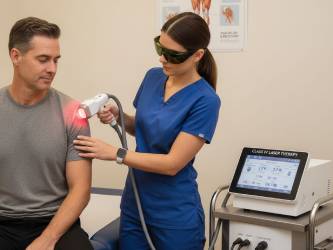
5 Benefits of Full Body Red Light Therapy for Pain
Using light to heal pain might sound like something from the future, but the technology has a surprisingly long and credible history. It was first studied by NASA to help with cell regeneration in space and is now used in clinical settings worldwide for its therapeutic effects. This therapy uses specific, proven wavelengths of light to stimulate your cells’ natural repair mechanisms, reducing inflammation at the source. It’s a non-invasive, drug-free approach backed by extensive research and cleared by the FDA for pain management. Here, we’ll break down the science behind the benefits of full body red light therapy for pain and show you why it’s a trusted solution for lasting relief.
Key Takeaways
- Supports healing from the inside out: Red light therapy works on a cellular level by helping your mitochondria, your cells' powerhouses, produce more energy. This fuels your body's natural repair processes, calms inflammation, and eases pain at its source.
- A versatile tool for different kinds of pain: Backed by scientific research, this therapy can help manage discomfort from a wide range of issues, including chronic conditions like arthritis, acute injuries, and post-surgery recovery.
- Consistency is key for lasting results: The benefits of red light therapy are cumulative, much like a fitness routine. Following a consistent treatment plan with professional-grade equipment is the most effective way to achieve your long-term wellness goals.
What Is Full Body Red Light Therapy?
You may have heard of red light therapy, sometimes called photobiomodulation, and wondered what it’s all about. Think of it as a gentle, non-invasive treatment that uses specific wavelengths of red and near-infrared light to support your body’s natural healing processes. Unlike UV light from the sun, which can damage the skin, the light used in this therapy is safe and works to stimulate positive changes within your cells. It’s a quiet, relaxing experience where you simply lie down and let the light do its work.
At Laser Lab Therapy, we use advanced, full-body light beds that deliver these therapeutic wavelengths to your entire body at once. This comprehensive approach ensures that your skin, muscles, and other deep tissues all receive the benefits. The process helps kickstart repair and regeneration from the inside out. It’s a drug-free, surgery-free approach to pain management and overall wellness, designed to help you feel and move better. The goal is to address the source of discomfort, not just mask the symptoms, by giving your body the tools it needs to heal itself effectively.
How It Works on a Cellular Level
So, what’s happening inside your body during a red light therapy session? The magic happens at the cellular level. The red and near-infrared light penetrates your skin and is absorbed by your cells, specifically by the mitochondria. You might remember from biology class that mitochondria are the "powerhouses" of our cells; they create the energy that fuels every function in our bodies.
When the mitochondria absorb this light, they are stimulated to produce more energy. This energy boost helps cells repair themselves more efficiently, regenerate faster, and function at their best. According to University Hospitals, this process also encourages collagen production and helps lower inflammation, which is often a major source of pain and discomfort.
The Science Behind Pain Relief
This isn't just a wellness trend; there's solid science behind red light therapy's ability to relieve pain. Numerous clinical studies have explored its effects on a wide range of conditions. A review of research from UCLA Health found that red light therapy significantly helped reduce pain from issues like knee arthritis, low back pain, and fibromyalgia.
The therapy works by reducing inflammation and improving circulation, which helps deliver more oxygen and nutrients to damaged tissues. This speeds up the healing process, whether you're dealing with a chronic condition or recovering from an injury. By targeting inflammation, red light therapy can provide lasting relief and support your journey toward preventative wellness, helping you stay active and comfortable.
How Does Red Light Therapy Fight Pain and Inflammation?
When you’re dealing with pain, you want relief that gets to the root of the problem, not just something that masks the symptoms. That’s exactly where red light therapy shines. It works on a cellular level to support your body’s natural healing mechanisms. Instead of just covering up pain with medication or resorting to invasive procedures, it helps your body resolve the underlying issues causing it.
This process isn’t magic; it’s based on how our bodies respond to specific wavelengths of light. Think of it like photosynthesis for your cells. Just as plants use sunlight for energy, your cells can use red and near-infrared light to function better. This targeted light penetrates your skin and tissues, triggering a series of beneficial reactions that reduce inflammation, improve circulation, and give your cells the energy they need to repair themselves. It’s a gentle yet powerful way to manage pain and inflammation by working with your body, not against it. Let’s look at exactly how it works.
Powering Your Cells to Heal
Every cell in your body contains tiny powerhouses called mitochondria. Their job is to take nutrients from food and oxygen from the air to create energy for your body. When your cells are stressed or injured, your mitochondria can’t produce energy as efficiently. Red light therapy gives them a helping hand. The light waves are absorbed by the mitochondria, which helps them produce more energy. This extra fuel allows your cells to repair themselves, regenerate, and perform their functions more effectively, which is the first step toward healing and pain relief.
Calming Inflammation from Within
Inflammation is your body’s natural response to injury, but when it becomes chronic, it’s a major source of persistent pain. Red light therapy helps calm this response from the inside out. It encourages better blood flow, bringing more oxygen and nutrients to injured tissues while helping to clear out waste products and inflammatory agents. Clinical studies have shown that red light therapy can effectively reduce pain and inflammation, which is why it’s so helpful for conditions like arthritis, tendonitis, and general joint pain. By soothing irritated tissues, it provides lasting relief.
Speeding Up Tissue Repair
When your cells have more energy and inflammation is under control, your body can get to work repairing damaged tissues much faster. Red light therapy stimulates the production of collagen, a key protein that provides structure to your skin, muscles, and connective tissues. This process is crucial for healing wounds, recovering from surgery, or mending muscle tears. For athletes or anyone active, this means you can enhance recovery time and get back to your routine with less downtime and soreness. It gives your body the tools it needs to rebuild and get stronger.
What Kinds of Pain Can Red Light Therapy Help With?
One of the most common questions we hear is, "Will red light therapy work for my pain?" It’s a great question. The good news is that this therapy is incredibly versatile. Because it works at a cellular level to reduce inflammation and support healing, it can address a wide spectrum of issues, from the nagging ache of a chronic condition to the sharp pain of a new injury. Let’s look at some of the specific types of pain that respond well to full body red light therapy.
Relief for Chronic Conditions
Living with chronic pain can feel like a constant battle. Conditions like fibromyalgia, persistent low back pain, and nerve pain can make daily activities feel draining. Red light therapy offers a gentle, non-invasive way to find relief. By helping to reduce underlying inflammation and swelling, it can soothe discomfort and improve your quality of life. Many people find it helps take the edge off their pain, making movement easier. It’s a supportive therapy that works with your body’s own healing mechanisms, offering a path toward effective pain management without relying on medication.
Faster Recovery from Injuries and Surgery
Whether you’re an athlete or recovering from an injury or surgery, getting back on your feet quickly is the goal. Red light therapy is a favorite among trainers because it can help speed up the body’s repair processes. It supports circulation and cellular energy, which are crucial for healing damaged tissues. This can lead to reduced soreness, less stiffness, and a quicker return to your favorite activities. If you’re looking to optimize your performance recovery, incorporating red light therapy can give your body the support it needs to bounce back stronger and faster.
Easing Joint Pain and Arthritis
Stiff, aching joints can seriously impact your mobility. For those dealing with arthritis, red light therapy can be a game-changer. Research, including a review of studies, has shown it can be a helpful short-term treatment for the pain and morning stiffness that often come with rheumatoid arthritis. It also shows promise for osteoarthritis, particularly in the knees. By calming inflammation directly in the joint tissues, red light therapy can help reduce pain and make it easier to move freely. It’s a safe way to support your joint health and maintain an active lifestyle.
Is Red Light Therapy for Pain Backed by Science?
It’s smart to be skeptical of any treatment that sounds too good to be true. When you’re dealing with pain, you want solutions that are not only effective but also proven. The good news is that red light therapy isn't just a wellness trend; it's a therapeutic approach supported by a growing body of scientific research and recognized by regulatory bodies like the FDA.
For years, researchers have been studying how specific wavelengths of light interact with our bodies on a cellular level. These studies explore how red light therapy can reduce inflammation, speed up healing, and ultimately provide relief from both acute and chronic pain. This research has paved the way for its use in clinical settings for everything from arthritis to muscle recovery. Beyond the lab, the FDA has cleared red light therapy devices for specific uses, giving it a stamp of legitimacy in the medical community. This means you can feel confident that you’re choosing a therapy grounded in real science.
What the Clinical Research Shows
When you look at the clinical research, a clear picture emerges. Multiple studies show that red light therapy can significantly reduce pain from a variety of conditions. A review of scientific literature found it to be a helpful tool for people with fibromyalgia, knee arthritis, low back pain, and even post-surgical pain.
High-quality clinical trials have demonstrated that red light therapy not only eases pain but also helps reduce inflammation and tissue damage. It shows particular promise for treating inflammatory conditions and tendon issues that are closer to the skin’s surface. This body of evidence confirms that red light therapy is a powerful, non-invasive option for managing discomfort and supporting your body's natural healing processes.
Understanding FDA Clearance and Medical Recognition
The scientific support for red light therapy goes beyond academic studies. The U.S. Food and Drug Administration (FDA) has granted clearance to many red light therapy devices, classifying them as Class II medical devices. This is an important distinction because it means the technology has been reviewed for safety and effectiveness for its intended use.
Specifically, these devices are cleared for applications like providing temporary relief from minor aches, pains, and muscle stiffness. This recognition is a key reason why red light therapy has become a trusted tool in professional settings for pain management and recovery. When you receive treatment from a provider using FDA-cleared equipment, you can be sure the technology meets established standards for safety and performance.
Is Full Body Red Light Therapy Safe?
It’s one of the first questions people ask, and for good reason. When you’re exploring a new treatment for pain or wellness, you want to know that it’s safe. The short answer is yes, full body red light therapy is widely considered safe, non-invasive, and free of major side effects. It’s a gentle therapy that works with your body’s natural healing processes.
Of course, safety also depends on using the technology correctly and understanding your own health profile. Let’s walk through what you need to know to feel confident and comfortable with your treatment, from protecting your eyes to clearing up a few common misconceptions.
Your Safety Profile and Eye Protection
Red light therapy has an excellent safety profile because it’s a non-invasive treatment that doesn’t break the skin or use harsh chemicals. Most people tolerate sessions very well with no issues at all. The key is to use it correctly. While the light itself is safe for your skin, your eyes are more sensitive. That’s why you should always wear protective goggles during a session. At a professional clinic like Laser Lab Therapy, our team provides FDA-cleared equipment and ensures you have the proper eye protection before your session begins. Your comfort and safety are our top priorities.
Potential Side Effects and Who Should Be Cautious
Side effects from red light therapy are very rare and typically mild. Some people might experience temporary redness or tightness in the skin, but this usually fades quickly after the session. It’s also important to know if you should take extra precautions. If you take medications that increase your sensitivity to light (like certain antibiotics or acne treatments), you should talk to your doctor first. The same goes for anyone with a history of skin cancer or eye disease. Being open about your health history helps ensure that red light therapy is the right fit for your preventative wellness plan.
Debunking Common Safety Myths
Let’s clear up a couple of myths. First, red light therapy is not the same as a tanning bed. It does not use harmful ultraviolet (UV) rays, so it won’t burn your skin or increase your risk of skin cancer. Second, this isn’t a new or untested fad. The technology has been studied for decades, starting with NASA in the early 1990s. Many professional red light therapy devices are FDA-cleared for safety and effectiveness in providing pain management and promoting healing. It’s a well-established therapy backed by a significant body of scientific research.
How to Get the Best Results from Red Light Therapy
So, you're ready to give red light therapy a try. That's fantastic! To truly get the most out of every session, it helps to understand a few key things. Getting the best results isn't just about the light itself; it's about the quality of the treatment and your commitment to a consistent plan. Let's walk through how you can set yourself up for success and achieve the lasting relief you're looking for.
Professional Treatments vs. At-Home Devices
You've probably seen red light therapy wands and masks for sale online. While these at-home devices can be a nice supplement, they often don't pack the same punch as professional equipment. The devices used in a clinical setting, like ours, are significantly more powerful and are designed to deliver a precise, therapeutic dose of light energy deep into your tissues. This is why many forms of red light therapy are simply more effective when done in a professional's office. When you're dealing with persistent pain or a specific injury, a professional treatment ensures you get the strength and coverage needed for real, noticeable results.
Your Guide to Treatment Frequency and Duration
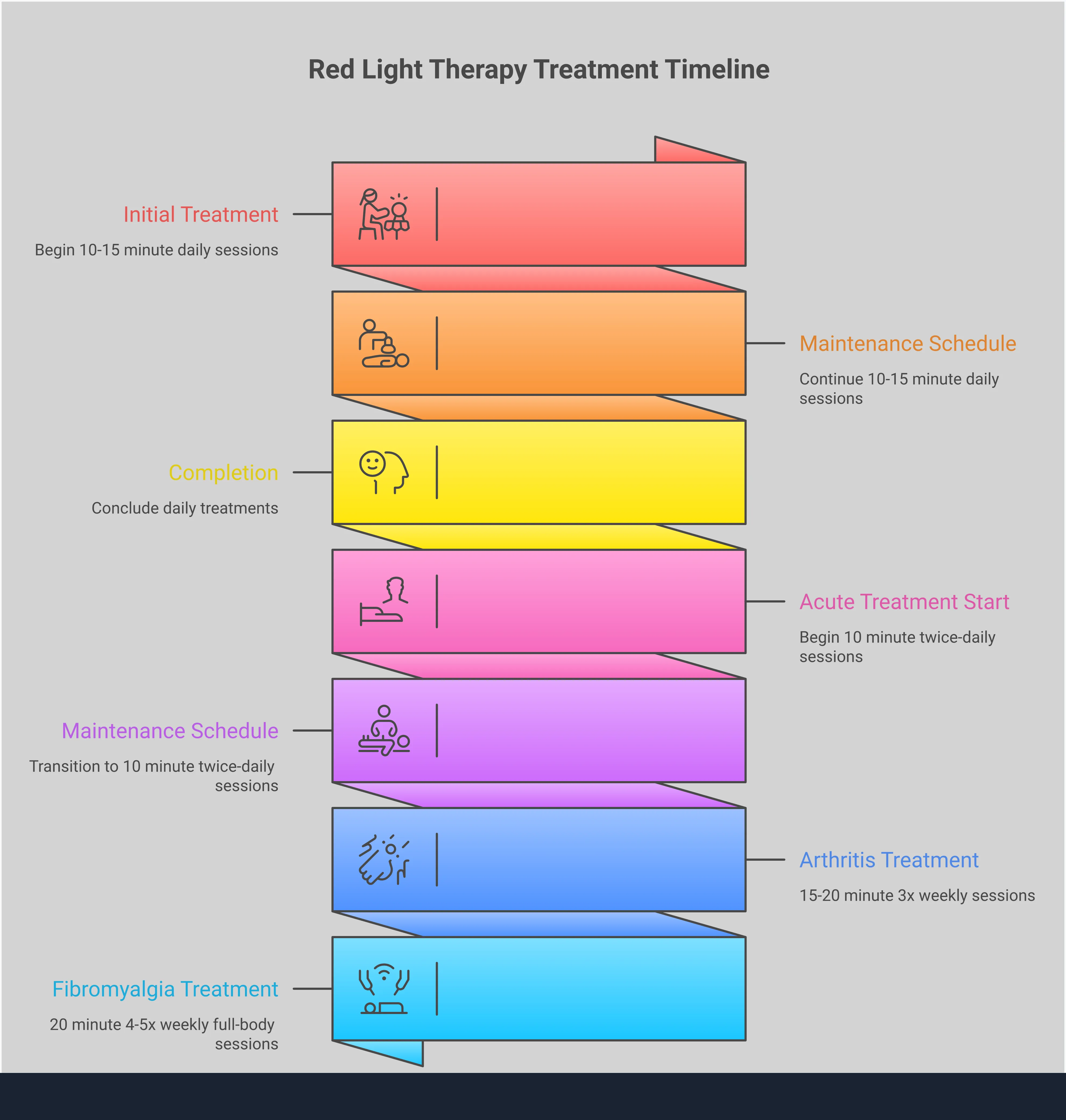
One of the most common questions we get is, "How long until I feel better?" The answer is that red light therapy is a process, not a quick fix. Think of it like starting a new fitness routine. You won't see a major change after just one workout, but with consistency, the results build on each other. You will likely need a series of sessions over several weeks or months to achieve your goals. The exact frequency depends on what you're treating, but regular use is the key to success. We create personalized plans to make consistency easy, helping you stay on track for effective performance recovery and long-term wellness.
How to Get Started with Red Light Therapy
Taking the first step toward a new therapy can feel like a big deal, but it doesn't have to be complicated. Getting started with red light therapy is a straightforward process focused on understanding your unique needs and creating a plan that works for you. It all begins with a simple conversation and a comfortable first session. Here’s a look at what you can expect when you begin your journey toward pain relief and better wellness with us.
What to Expect at Your First Appointment
Your first visit is all about getting to know you. We’ll start with a consultation to discuss your health history, your specific concerns, and what you hope to achieve. This conversation helps us tailor the therapy directly to your needs. During the treatment, you’ll relax as a specialized device delivers low levels of red light to the targeted areas. Most people feel a gentle, soothing warmth but no pain. The entire process is designed to be comfortable and reassuring, setting a positive foundation for your healing. Ready to see if it's right for you? You can contact our team to schedule your initial assessment.
Choosing the Right Treatment Plan for Your Needs
Red light therapy isn’t a one-size-fits-all solution, so your treatment plan will be unique to you. Based on your initial consultation, we’ll recommend a schedule that aligns with your goals. The frequency of sessions can vary; some conditions benefit from several treatments a week, while others may require less. Because red light therapy is considered very safe with a low risk of side effects, we can create a consistent plan to help you achieve the best results. We'll work together to build a strategy that supports your long-term preventative wellness and helps you feel your best.
Frequently Asked Questions
What does a red light therapy session feel like? Most people find the experience to be incredibly relaxing. You will lie comfortably on our full-body light bed and may feel a gentle, soothing warmth on your skin, but there is no pain, burning, or discomfort. It’s a quiet, peaceful treatment, and many of our clients use the time to rest or meditate while the light works to support their body’s healing processes.
How long does it take to see results from red light therapy? This really depends on your body and what you're treating. Some people notice a subtle reduction in pain or inflammation after just a few sessions. For more chronic or deep-seated issues, it may take several weeks of consistent treatments to experience significant, lasting changes. The key is consistency, as the benefits are cumulative and build upon each other over time.
Is red light therapy the same as an infrared sauna? That's a great question, as they are often confused. While both use parts of the light spectrum, they work differently. An infrared sauna uses heat to warm your body from the inside out, which is great for detoxification and relaxation. Red light therapy, however, uses specific wavelengths of light with very little heat to directly stimulate your cells, promoting repair and reducing inflammation at the source.
Can I do too much red light therapy? While the therapy is very safe, more is not necessarily better. Your cells can only absorb a certain amount of light energy in one session. We create a personalized treatment plan for you that specifies the ideal frequency and duration to get the best results. Following that professional guidance ensures your body gets exactly what it needs to heal effectively.
Do I need to do anything to prepare for my session? Preparation is very simple. For the best results, you should arrive with clean, dry skin that is free of any lotions, oils, or makeup, as these can block the light from penetrating properly. We also recommend wearing comfortable clothing. Our team will provide you with everything else you need, including protective eyewear.
Frequently Asked Questions
Is light therapy safe for athletes?

Yes, light therapy is completely safe and highly beneficial for athletes. It promotes faster muscle recovery, reduces inflammation, and supports performance without the risks of medication or downtime. That’s why professional and amateur athletes worldwide rely on it to train smarter and recover quicker.
How many sessions will I need?
The number of sessions varies depending on the type and severity of your condition. Many patients notice improvement after 3–5 sessions, while chronic conditions may require ongoing care for best results. During your initial consultation, we’ll design a personalized treatment schedule tailored to your body’s response and recovery goals.

Ready to Try Light Therapy for Recovery?