

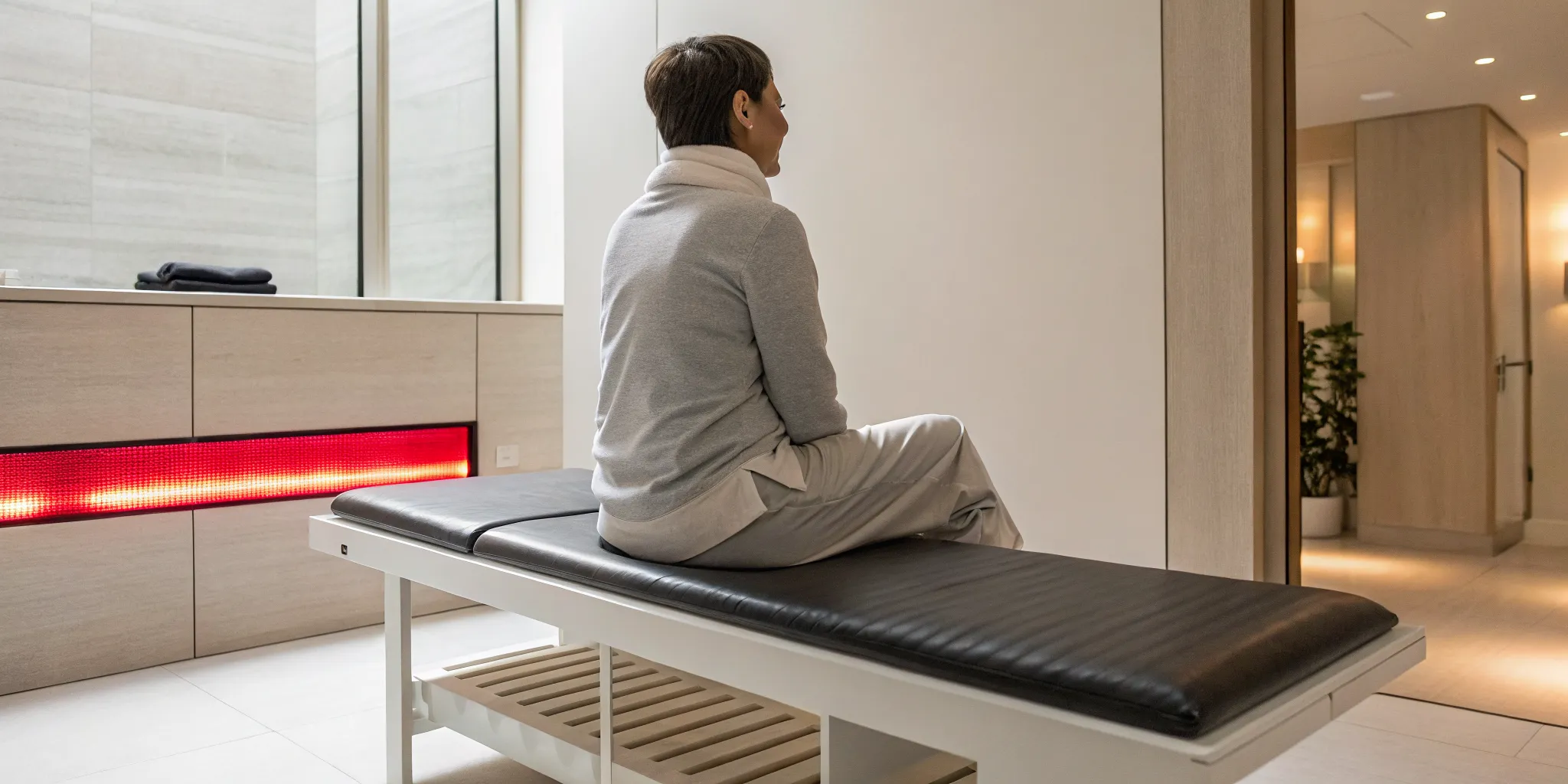
How Does Light Therapy Help Back Pain? A Guide
The idea of using light to heal might sound like something from a science fiction movie, but the principle behind it is surprisingly simple. Think of your body’s cells like tiny, rechargeable batteries. When you’re injured or dealing with chronic inflammation, these batteries get drained, slowing down the repair process. Light therapy delivers specific wavelengths of light that act like a charger, giving your cells the energy they need to get back to work. This simple but powerful process is the key to understanding how does light therapy help back pain. It’s not magic; it’s biology. We’ll explore the science, the different types of light used, and how this cellular boost translates into real, lasting relief.
Key Takeaways
- Light therapy works at the cellular level to address pain's root causes: It uses targeted light to reduce inflammation, improve blood flow, and give your cells the energy they need to repair damaged tissue.
- It's an effective tool for various types of back pain: Whether you're dealing with chronic aches, a sudden injury, or nerve-related discomfort, light therapy is a clinically supported method for finding relief without medication.
- Lasting results come from consistent use: Light therapy is a safe, non-invasive treatment, but its benefits build over time. Integrating regular sessions into a holistic wellness plan is the best way to achieve long-term relief.
What Is Light Therapy and How Does It Work?
You’ve probably heard about light therapy, but it might sound a bit like science fiction. The concept is actually quite simple: light therapy uses specific, targeted wavelengths of light to stimulate your body’s natural healing processes. It’s a non-invasive way to encourage cell repair, reduce inflammation, and find relief from pain without resorting to medication or surgery.
Think about how sunlight helps a plant grow. In a similar way, our bodies can absorb certain types of light and convert that energy into fuel for cellular repair. This process, known as photobiomodulation, is the science that powers light therapy. By delivering the right kind of light to the right area, we can help your body get to work healing damaged tissues, calming irritation, and getting you back to feeling your best.
The Science Behind How Light Heals (Photobiomodulation)
Photobiomodulation is a long word for a straightforward idea: using light to create a positive change in the body. When specific wavelengths of red and near-infrared light are applied to your skin, they penetrate deep into your tissues and are absorbed by your cells. This absorption triggers a response in the mitochondria, which are the tiny powerhouses inside each cell. The light gives them an energy kick, helping them produce more of the fuel that powers cellular repair and regeneration. This process is key to our approach to pain management, as it helps reduce inflammation and accelerate healing right at the source.
Red Light vs. Infrared: What's the Difference?
While both red and infrared light are used in therapy, they work at different depths. Red light has a shorter wavelength, making it great for treating issues closer to the skin’s surface. Infrared light, however, has a longer wavelength that allows it to penetrate much deeper into your body’s tissues. This makes it incredibly effective for reaching muscles, connective tissues, joints, and even bones. For something like back pain, infrared light is essential for targeting the deep sources of discomfort. At Laser Lab, we use advanced technology that harnesses the right wavelengths to ensure the light reaches exactly where you need it most. You can learn more about our approach and the technology we use.
What Kind of Light Therapy Is Best for Back Pain?
When you hear "light therapy," you might not realize there are a few different technologies that fall under that umbrella. Each one uses specific wavelengths of light to interact with your body in a unique way. Understanding the differences can help you figure out which approach is the right fit for your back pain. Let's look at the most common types used for pain relief and what makes each one effective.
Low-Level Laser Therapy (LLLT)
Low-level laser therapy, or LLLT, is often called cold laser therapy because it doesn't produce heat. Instead, it uses focused light to kickstart a process in your cells called photobiomodulation. Think of it as giving your cells a gentle, light-based pep talk. This process helps stimulate healing, reduce inflammation, and interrupt pain signals right at the source. Because the laser is so precise, it can target the exact area of your back that’s causing trouble, making it a powerful tool for effective pain management. It’s a highly researched method for providing relief without medication or invasive procedures.
LED Light Therapy
LED light therapy is another fantastic, drug-free way to ease back pain and soreness. Unlike the focused beam of a laser, LEDs (Light Emitting Diodes) cover a broader surface area, which can be great for general aches or larger muscle groups. The real magic here often comes from infrared light, which penetrates deep beneath the skin's surface to reach muscles and tissues. This deep-reaching light helps soothe aches and calm inflammation from the inside out. It’s a gentle and natural approach, making it a great option for anyone looking to support their body’s healing process and maintain their overall preventative wellness.
Infrared Therapy
You’ll often hear infrared mentioned alongside both laser and LED treatments, and for good reason. Infrared therapy isn't so much a separate device as it is a specific wavelength of light that’s incredibly effective for pain. This type of light is invisible to the naked eye but penetrates deeper into the body than any other wavelength. Clinical studies have shown that infrared light can significantly reduce pain and improve function for people with chronic low back pain. By reaching deep into muscles and nerves, it helps increase circulation and calm inflammation, which is essential for both immediate relief and long-term performance recovery.
How Does Light Therapy Actually Reduce Back Pain?
It can be hard to imagine how something as simple as light can have such a profound effect on back pain. Unlike medications that mask symptoms or surgeries that involve significant downtime, light therapy works at the cellular level to address the root causes of your discomfort. It’s a gentle yet powerful process that helps your body heal itself from the inside out. The scientific term for this is photobiomodulation, which sounds complex, but the idea is simple: specific wavelengths of light can trigger positive changes within your cells, much like sunlight helps a plant grow.
This isn't about the heat from a lamp. Instead, targeted light energy penetrates the skin to interact directly with your tissues, kickstarting a cascade of beneficial biological effects without any invasive procedures. It’s a way to give your body a focused boost right where it needs it most. By targeting the core issues of inflammation, poor circulation, and low cellular energy, light therapy provides a solid foundation for lasting relief and recovery. It’s a cornerstone of modern, non-invasive care. Let’s look at the three key ways it gets the job done.
Energizing Your Cells for Repair
Think of the cells in your back muscles and tissues like tiny batteries. When you’re dealing with an injury or chronic strain, these batteries can get run down, slowing the healing process. Light therapy acts like a cellular charger. Specific wavelengths of light penetrate your skin and are absorbed by the mitochondria, the powerhouses inside your cells. This gives them a clean energy source to produce more of a molecule called ATP, which is the fuel your cells use for everything they do. With more energy, your cells can repair damage, regenerate tissue, and get you back to feeling your best. This is a core part of our approach to pain management.
Calming Inflammation to Promote Healing
Inflammation is your body’s natural response to injury, but when it sticks around too long, it becomes a major source of chronic pain and stiffness. Light therapy helps to gently dial down this inflammatory response. It works by reducing the presence of inflammatory markers in your tissues and improving the function of your lymphatic system, which helps drain excess fluid and swelling from the area. By calming this inflammation, light therapy not only eases your pain but also creates a much better environment for your body to carry out its natural healing processes. This makes it a great tool for preventative wellness and keeping inflammation in check.
Improving Blood Flow to Damaged Tissues
Healthy circulation is essential for healing. Your blood is like a delivery service, carrying oxygen and vital nutrients to your tissues while clearing out metabolic waste. When an area is injured, this flow can be restricted. Light therapy helps improve circulation by promoting the formation of new capillaries, the tiny blood vessels that service your tissues. This increased blood flow ensures that the damaged areas in your back get a steady supply of everything they need to rebuild and recover. Better circulation also helps relax tight muscles and reduce stiffness, which is why it’s so effective for performance recovery and everyday aches.
Is There Proof That Light Therapy Works for Back Pain?
It’s completely fair to ask for the receipts when you’re exploring a new treatment for your back pain. You want to know if it’s backed by real science or just wishful thinking. The great news is that light therapy, specifically low-level laser therapy (LLLT), has been the subject of numerous studies, and the results are promising. Researchers have looked closely at how this technology interacts with the body to relieve pain and support healing, giving us a solid foundation for its use in clinical settings. Let's look at what the science says.
What the Clinical Trials Show
When you look at the research, you’ll find a consistent pattern. Clinical studies have shown that laser therapy is effective at reducing pain and improving function for people with chronic low back pain. For instance, the National Center for Complementary and Integrative Health (NCCIH) points to low to moderate-quality evidence suggesting that LLLT can genuinely help. The general conclusion from many of these trials is that this type of therapy is an effective, non-invasive way to manage musculoskeletal pain, helping people get back to their daily activities with greater comfort and mobility.
Proven Relief for Both Chronic and Acute Pain
So, how does light therapy work for both a nagging, long-term ache and a sudden injury? The magic is in a process called photobiomodulation. Think of it as giving your cells a high-energy pep talk. The light energy penetrates your tissues and encourages your cells to stimulate multiple signalling pathways that kickstart healing and calm inflammation. This dual action is key. It doesn’t just mask the pain; it addresses the underlying inflammation while helping your tissues repair themselves. This makes it a comprehensive treatment for a wide range of back pain issues.
Can Light Therapy Help My Specific Type of Back Pain?
Back pain isn’t a single condition. It can show up as a dull, constant ache from years of muscle tension, a sharp pain from a sudden injury, or a radiating sensation from an irritated nerve. Because the causes are so varied, the right approach to relief can be, too. The good news is that light therapy is versatile enough to address many of these specific issues right at the source. Whether your pain is chronic, acute, or nerve-related, this gentle therapy can help your body’s natural healing processes get to work.
Soothing Chronic Lower Back Pain and Muscle Tension
If you live with persistent lower back pain, you know how draining it is. This long-term discomfort often involves tight muscles and deep-seated inflammation. Light therapy offers relief without pills or invasive procedures. Clinical studies show that laser therapy can effectively reduce pain and improve daily function for people with chronic low back pain. By penetrating deep into muscle tissue, it helps calm inflammation and increase circulation, allowing tense muscles to relax. It’s a gentle yet powerful tool for managing chronic pain and getting back to the activities you love.
Addressing Acute Injuries and Disc Issues
When you pull a muscle or have a disc problem, your body’s first response is inflammation. While natural, it’s also the primary source of pain. Light therapy, or cold laser therapy, uses a process called photobiomodulation to support your body’s repair crew. It gives your cells a gentle nudge to promote healing and reduce inflammation at the injury site. This can help you recover more comfortably from sprains, strains, and even post-surgical pain. As a non-invasive treatment, it’s a safe way to support your recovery without side effects.
Managing Nerve Pain and Inflammation
Pain that shoots down your leg or creates a tingling sensation is often tied to nerve irritation, like sciatica. This pain can be particularly stubborn. Light therapy helps on two levels: it calms inflammation around the nerve and modulates nerve function to reduce pain signals. Think of it as a "wake-up call" for your cells. The light energy is absorbed by mitochondria, the tiny powerhouses in your cells. This helps them produce more energy, allowing them to repair themselves and work better. This cellular support is key for long-term wellness and finding lasting relief from nerve discomfort.
Why Choose Light Therapy Over Traditional Treatments?
When you're dealing with back pain, it can feel like your only options are medication or more invasive procedures. But many people are looking for a different path, one that works with the body instead of against it. Light therapy offers a powerful alternative that addresses pain at its source without the risks and side effects that often come with traditional treatments. It’s about finding relief that helps you feel better and move better, supporting your body’s incredible ability to heal itself. This approach focuses on long-term solutions, not just temporary fixes, giving you a way to manage pain that feels both effective and empowering.
A Gentle, Non-Invasive Approach
One of the biggest draws of light therapy is that it’s completely non-invasive. That means no needles, no incisions, and no lengthy recovery times. Instead, you can simply relax while targeted light works to reduce pain and speed up healing deep within your tissues. This innovative treatment is a gentle way to get the relief you need without the stress and downtime of surgery. At Laser Lab, our approach to pain management is built around this principle. We provide a comfortable, calming experience that helps you get back to your life faster, without the complications that can come from more aggressive procedures.
A Drug-Free Alternative to Pills and Surgery
If you’re tired of relying on pain medication that only masks the symptoms, light therapy offers a refreshing change. It’s a drug-free solution that gets to the root of the problem. By increasing blood flow and stimulating your body’s natural healing mechanisms at a cellular level, it helps soothe tired muscles and aches. This process empowers your body to repair itself, providing lasting relief rather than a temporary fix. It’s a way to break free from the cycle of pills and find a sustainable path to feeling good, which is central to our holistic philosophy of care.
A Safe Way to Complement Your Care Plan
Light therapy is not only effective on its own, but it also plays well with other treatments. Because it’s generally safe and doesn't have the harsh side effects associated with things like UV light, it can be easily integrated into your existing wellness routine. Combining light therapy with physical therapy, chiropractic adjustments, or massage can actually improve your results by tackling pain from multiple angles. This makes it a versatile tool for anyone focused on preventative wellness and building a comprehensive plan for long-term health. It’s a safe, supportive addition to your self-care toolkit.
How to Safely Use Light Therapy at Home
While professional treatments offer targeted, high-powered therapy, at-home devices can be a fantastic way to manage your back pain and support your wellness routine. To get the best results, it’s important to use them correctly and safely. Think of at-home care as a way to maintain the benefits you gain from your professional sessions. Here’s a simple guide to get you started.
Choosing a Quality Device
The market for at-home light therapy is growing, and you can find everything from large panels to flexible wraps and handheld wands. When you’re shopping, look for a device that is FDA-cleared, as this indicates it meets certain safety standards. Check the specifications to ensure it emits clinically studied wavelengths for pain and inflammation, typically in the red and near-infrared spectrum. Reading reviews from trusted sources can help you find the best red light therapy device for your needs, ensuring you invest in a product that is both safe and effective.
Best Practices for At-Home Sessions
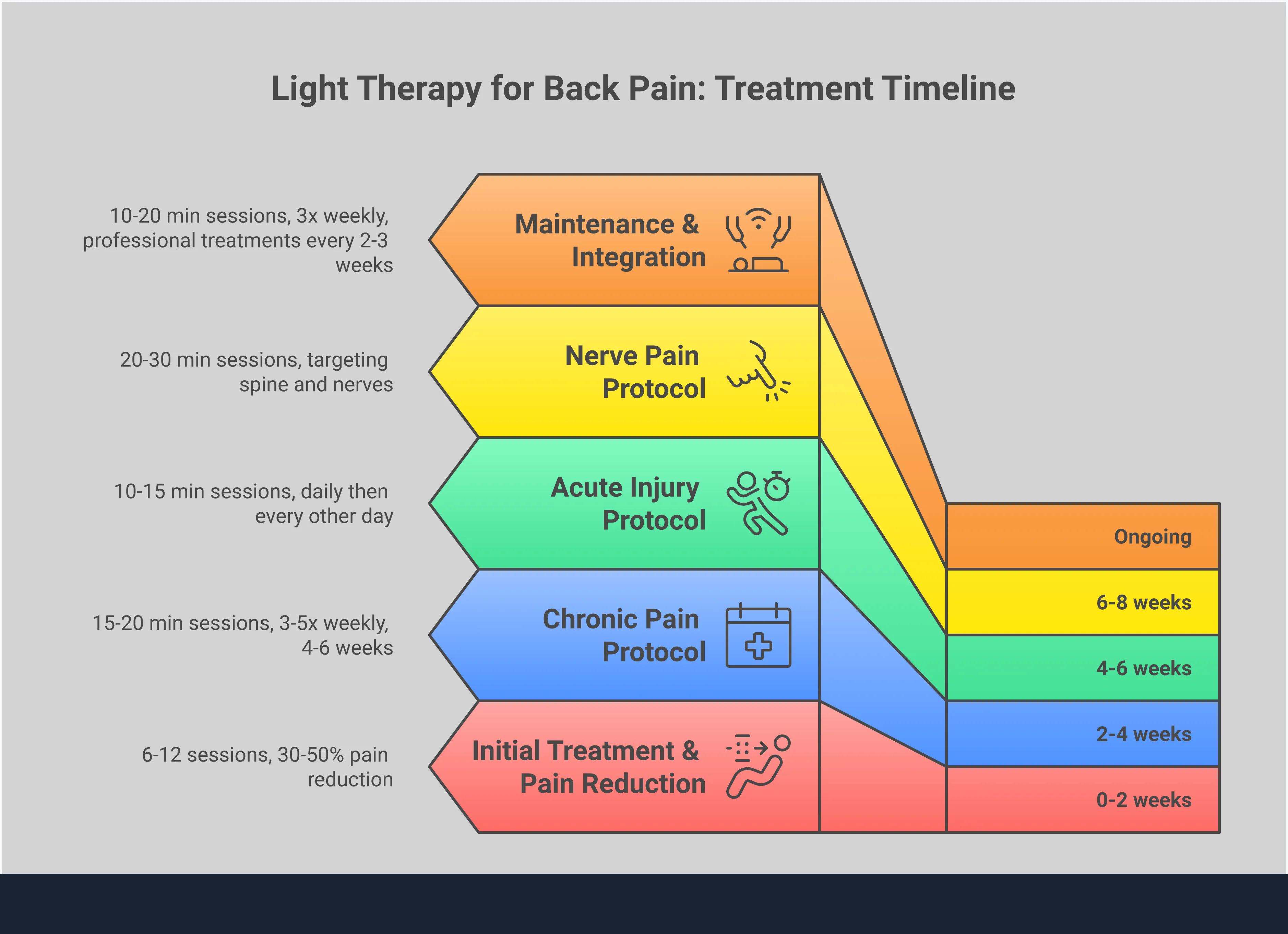
Consistency is key when it comes to light therapy. For back pain, a good starting point is using your device for 10 to 20 minutes per session, three to five times a week. Always place the device directly on your clean, dry skin over the area you want to treat. This allows the light energy to penetrate your tissues without being blocked by clothing. While at-home devices are great for maintenance, they often have lower power than professional equipment. Combining them with a clinical pain management plan can help you achieve more significant and lasting relief.
Safety Tips and How Often to Use It
Light therapy is known for its excellent safety profile because it uses non-invasive light to stimulate healing in damaged cells without harming surrounding healthy tissue. You might feel a gentle, soothing warmth during treatment, which is a sign of increased blood flow to the area. To stay safe, always follow the manufacturer’s instructions for your specific device. Avoid the temptation to overuse it, as more isn’t necessarily better. It’s also wise to wear any protective eyewear that comes with your device. If you have questions or underlying health conditions, it’s always a good idea to contact a professional before starting a new therapy at home.
How Long Does It Take for Light Therapy to Work?
One of the first questions on everyone’s mind is, “How soon will I feel better?” It’s completely understandable to want a clear timeline, especially when you’re dealing with persistent pain. While there’s no magic number, the answer depends on your body, your specific condition, and your consistency. Light therapy works at a cellular level to support your body’s natural healing processes, which takes time.
The good news is that each session is quick, painless, and relaxing, making it easy to stick with a plan. Think of it as a cumulative process. Each treatment builds on the last, helping to reduce inflammation, improve circulation, and give your cells the energy they need to repair. Let’s break down what you can realistically expect.
A Realistic Timeline for Relief
Your path to relief often depends on whether your back pain is a recent issue or something you’ve been living with for a while. If you’re dealing with an acute problem, like muscle soreness after a tough workout or a minor strain, you might feel a noticeable improvement after just a few sessions. For more chronic, long-term conditions, it can take several weeks of consistent treatment to experience significant, lasting changes. Each pain management session is an investment in your body’s recovery. The treatments themselves are brief, typically lasting between 5 and 30 minutes, so you can easily fit them into your routine.
Factors That Can Influence Your Results
Several factors can shape your light therapy journey. The severity and duration of your back pain play a big role; a deeper, long-standing issue will naturally require more time to resolve than a surface-level one. Consistency is also crucial. While a single session can provide temporary relief, a regular treatment schedule is what allows for deep, cellular healing. Our memberships are designed to make consistent care simple and affordable. Finally, your overall wellness matters. Combining light therapy with other healthy habits and rehabilitative care, like physical therapy, can lead to even better and faster outcomes by addressing your pain from multiple angles.
How to Add Light Therapy to Your Wellness Routine
Light therapy is a powerful tool for managing back pain, but it works best when it’s part of a bigger picture. Think of it less as a solo act and more as a key player on your wellness team. Integrating it thoughtfully into your existing routine can make a significant difference in your results. By combining light therapy with other healthy habits, you create a comprehensive approach to healing that addresses pain from multiple angles. Here’s how you can weave it into your life for the best possible outcome.
Pairing Light Therapy with Exercise and PT
If you’re already working with a physical therapist or have a regular exercise routine, light therapy can be a fantastic partner. Using it before a session can help warm up your muscles and reduce discomfort, allowing you to move more freely. Afterward, it can help soothe soreness and support your performance recovery. Combining light therapy with your existing movement plan can lead to better results, helping you heal faster and improve mobility. It’s a simple addition that can make your current efforts even more effective, supporting your body’s ability to repair and strengthen.
Creating a Consistent Treatment Schedule
Consistency is key when it comes to light therapy. Just like you wouldn’t expect to get fit from one trip to the gym, a single session isn’t a magic fix. The healing effects are cumulative, meaning they build on each other over time. For lasting relief, it’s important to stick to a regular schedule, typically around three to five times per week. We can help you figure out a plan that works for your specific needs and lifestyle. Our memberships are designed to make it easy to stay on track and make light therapy a seamless part of your weekly routine.
Building a Complete Pain Management Plan
While light therapy is incredibly effective, it shines brightest as part of a holistic wellness strategy. True, long-term relief comes from addressing your health from all sides. This means pairing your light therapy sessions with other healthy practices like gentle exercise, mindful stress management, a nutrient-rich diet, and getting enough quality sleep. This comprehensive approach creates an environment where your body can truly heal. Light therapy provides a powerful foundation for pain management by reducing inflammation and repairing tissue, but these lifestyle habits are what will sustain your progress for years to come.
Frequently Asked Questions
Is light therapy the same as using a sauna or a tanning bed? Not at all. While they all involve light or heat, they work in completely different ways. Tanning beds use damaging UV light, and saunas use heat to warm your body. Light therapy, on the other hand, uses specific wavelengths of red and near-infrared light that are clinically proven to support healing. This light works at a cellular level to reduce inflammation and repair tissue without any harmful UV rays or intense heat.
What does a light therapy session actually feel like? Most people find the sessions to be incredibly relaxing. You shouldn't feel any pain. The most you might notice is a very gentle, soothing warmth in the area being treated. This subtle warmth is a good sign, as it indicates an increase in circulation, which is exactly what helps your tissues heal.
How many sessions will I need to see results for my back pain? The timeline for relief really depends on your individual situation. If you're dealing with a recent, acute injury, you might feel better after just a few sessions. For chronic pain that you've had for a long time, it generally takes a more consistent series of treatments over several weeks to achieve lasting results. Each session builds on the last to support deep cellular repair.
Can I use light therapy if I'm also getting chiropractic care or physical therapy? Yes, and it’s actually a great combination. Light therapy works very well alongside other treatments like physical therapy, massage, and chiropractic adjustments. Using it before a session can help relax muscles, and using it after can help reduce any post-treatment soreness and inflammation. It’s a safe way to support and even improve the results of your current care plan.
Why should I get professional treatments if I can just buy a device to use at home? While at-home devices can be great for maintenance, professional treatments use clinical-grade technology that is far more powerful and precise. Our equipment can deliver light energy deeper into your tissues to address the root cause of your pain more effectively. Plus, a professional can create a treatment plan tailored specifically to your needs, ensuring you get the best possible results safely.
Frequently Asked Questions
Is light therapy safe for athletes?

Yes, light therapy is completely safe and highly beneficial for athletes. It promotes faster muscle recovery, reduces inflammation, and supports performance without the risks of medication or downtime. That’s why professional and amateur athletes worldwide rely on it to train smarter and recover quicker.
How many sessions will I need?
The number of sessions varies depending on the type and severity of your condition. Many patients notice improvement after 3–5 sessions, while chronic conditions may require ongoing care for best results. During your initial consultation, we’ll design a personalized treatment schedule tailored to your body’s response and recovery goals.

Ready to Try Light Therapy for Recovery?