

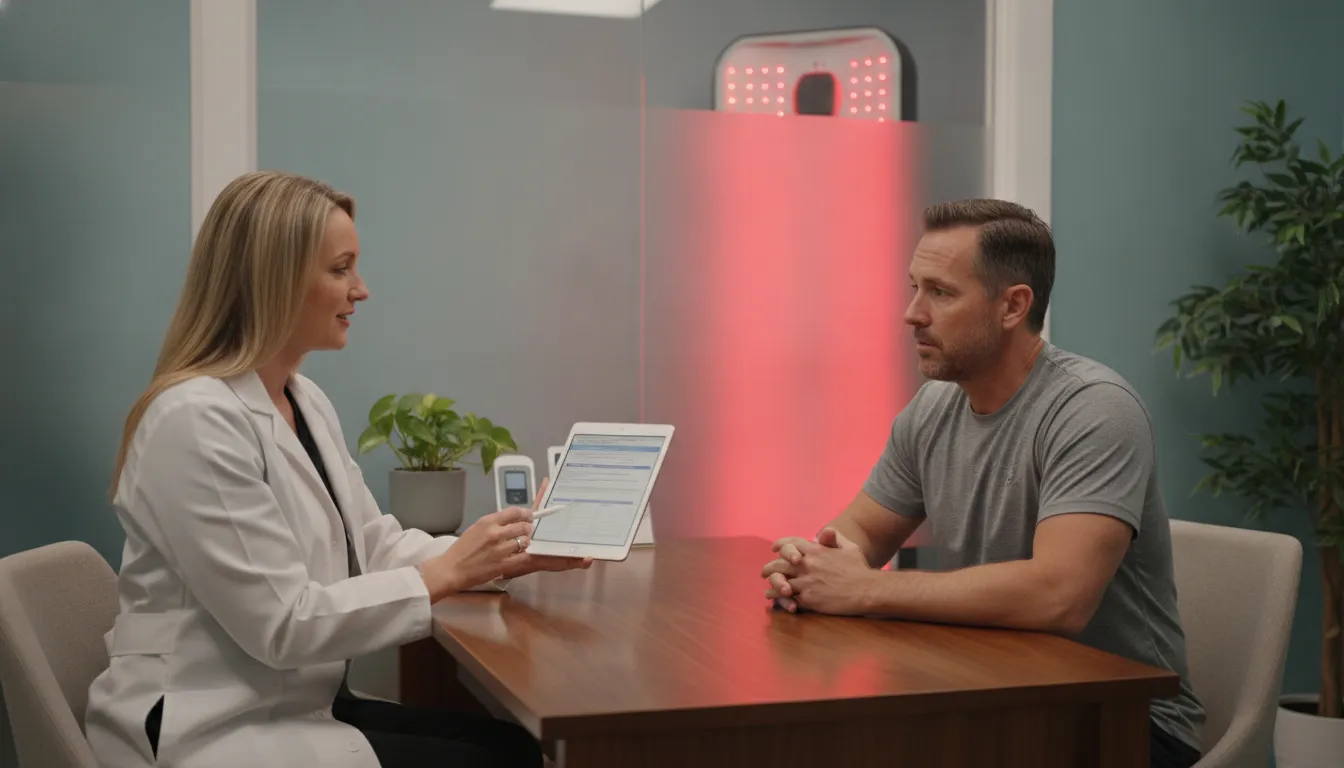
Laser Therapy Contraindications: A Safety Guide
Modern laser therapy offers a drug-free way to manage chronic pain without the need for invasive surgery. However, knowing when to avoid this technology is vital for your safety and long-term health.
Laser therapy contraindications are health factors or medical conditions that make light-based care unsafe for some people, such as those with active cancer. Absolute reasons to avoid this care also include direct eye exposure and use on the stomach during pregnancy, as well as caution for people with epilepsy. While many old fears about these treatments are now seen as weak or unsupported, finding real risks is a key part of a safe medical plan. According to academic research, these factors are put into groups to help doctors keep you safe and ensure the best results for your health. Knowing these limits ensures you get the most from light therapy only when it is truly safe and right for your specific needs and body.
You may wonder if your own health history will keep you from trying this drug-free relief. It is vital to learn about Laser therapy contraindications: what they mean for your specific needs. Before you start any new plan, you should know which factors matter most. The path begins with a clear discussion of the safety factors below.
Laser therapy contraindications: what they mean
Laser therapy contraindications are safety factors that may require avoiding treatment, postponing it, or adjusting the treatment area and settings. A qualified provider should distinguish firm exclusions from situations that simply call for added caution.
When you start a new health plan, safety is the first thing to think about. Laser therapy uses deep light to help the body heal, but it is not for everyone. Doctors use a list of safety rules called laser therapy contraindications to decide if the care is safe for you. These rules help protect you from harm while making sure you get the best results from your visit.
A health flag does not always mean you cannot have the care. Some flags are hard stops, while others just need a small change to the plan. Knowing these terms helps you talk with your care team. If you have questions about your past health, you can see our patient info blog for more info on how light therapy works.
Absolute versus relative risks
Doctors split safety flags into two groups. The first group is called absolute health flags. These are reasons why you must not have laser therapy in a certain spot or at all. For example, light should never go right into the eyes. It is also a rule to avoid light treatment over active cancer sites or a pregnant belly. These rules exist because the risks are too high for the person or the baby.
The second group is called relative health flags. These are points that need extra care or a talk with your doctor. You might still get care, but the doctor may change the power of the light. Having a tattoo in the treatment area is a common case. The ink can soak up more light and get too hot, so the team must be careful. People using steroids or those with certain immune issues also fall into this group.
| Type of Flag | What it Means | Common Cases |
|---|---|---|
| Absolute | A hard stop for safety. | Active cancer, pregnancy, or eye exposure. |
| Relative | Needs a talk or a change. | Tattoos, steroid use, or immune issues. |
| Area Based | Avoid a certain spot only. | High thyroid levels or fresh wounds. |
| Drug Based | Depends on your drugs. | Drugs that make skin prone to light. |
Why medical screening matters
A good clinic will always ask about your health past before they start. This check is not just a form to fill out. It is a way for a health pro to look for safety flags that you might not know about. For instance, some people have high thyroid levels that make it unsafe to treat the neck area. Others may have epilepsy, which can be a reason to skip light care to avoid a seizure.
At Laser Lab Therapy, we use a team led by an MD to check these facts. We look at your past health and any drugs you take. Some drugs make your skin more sensitive to light, which could lead to a burn. A proper check ensures that your plan is built for your body. It helps us find the best way to help you feel better without any new risks.
Why you should not self-diagnose
It is tempting to look up health rules on the web and decide on your own. But health facts can be hard to read and often change. For example, some old reports say you cannot have laser care if you take certain drugs. But newer studies show that photosensitizing meds may not be as risky as people once thought. Only a trained expert can weigh these facts for your specific case.
Trying to guess if you are a good fit for care can lead to missing out on help you need. It can also lead to taking a risk you did not see. An expert can tell the difference between a minor issue and a big health flag. They can also suggest other ways to help if one spot is off-limits. To get a safe check for your pain, you can request a visit with our team in Murrells Inlet.
When should you avoid or postpone laser therapy?
Avoid or postpone laser therapy until a qualified provider reviews pregnancy, active cancer, eye exposure risks, seizure history, skin concerns, and other relevant health factors. The safest decision depends on the treatment area and your complete medical history.
While Class IV laser therapy is safe for most people, some health facts mean you should wait or skip a session. These cases are known as questions to ask about laser therapy contraindications. Our goal is to give you care that helps you feel better without any risk to your health. You should always tell your staff about your full health history before you start. This includes any drugs you take and any health issues you have.
Medical health and safety needs
You should avoid laser light over the stomach area during pregnancy. Studies show that direct light on the abdomen during pregnancy is a firm reason to skip the care. This helps keep the growing baby safe from any extra light energy or heat that the laser might create. If you are pregnant, we can still talk about other ways to help your pain. We want to ensure both you and your baby stay safe during your time with us.
People with a history of cancer should take care. You should not use the laser over any area where a tumor is active or was found in the last year. Health experts agree that active cancer tumors are a top reason to avoid this care. This rule keeps you safe by making sure the light does not change how cells grow in those spots. If you have had cancer in the past, please tell our team so we can plan your care.
Eyes and brain safety
Keeping your eyes safe is vital. You must never let the laser light hit your eyes or the area behind them. Research shows that light on the retina can cause deep harm or even loss of sight. Because of this, we use special glasses to block the beam and keep your eyes safe. Every person in the room must wear these glasses while the laser is on.
People with epilepsy may also need to skip certain types of pulsed light. Fast flashes of red light can sometimes trigger a seizure in some people. It is known that pulsed red light in the 5 to 10 Hz range may be a risk for those with this brain issue. If your care uses a pulsed beam, we will check to make sure it is safe for you. Always let your team know if you have a history of seizures or brain issues.
Skin and medicine concerns
Some drugs make your skin very sensitive to light. If you take these medicines, the laser could cause a skin reaction or a burn. While some tests show no big problems, many clinics still check for skin reactions to drugs before they start. It is best to wait until you finish these drugs or talk to your doctor first. We can look at a list of your drugs to see if any of them might cause a problem.
You may also need to talk about understanding when laser therapy may not be appropriate if you have tattoos. Dark ink in the skin can soak up too much light and get hot very fast. This can lead to pain or a burn on the tattooed skin. Also, if you use steroids or have a high fever, it might be best to wait to have your visit. This helps your body focus on healing from the sickness before you start light care.
Lastly, some health cases are not clear or depend on how you feel. These include things like big blood loss, new nerve pain, or thyroid issues. In these cases, our health team will look at your needs and your health state. We want to make sure you get the best result from your session at the right time. Your safety is our first concern, so we always check every detail before we start.
Can medications affect laser therapy planning?
Yes. Some medications and supplements can change sensitivity to light or affect healing, so disclose everything you take before treatment. Do not stop a prescribed medication without guidance from the clinician who prescribed it.
Photosensitizing drugs
Some drugs can make your skin react much more to light. These are called photosensitizing agents, and they can be a key part of questions to ask about laser therapy contraindications. If you take them, your skin might react too much to the laser light during a session. The list of drugs that cause this effect is broad, including common acne pills and skin creams. Since this list is wide, clinic teams check a large database to scan for reactions. But a published review found no reports of safety issues from laser use in people taking these drugs. Still, your doctor needs to check what you take to plan your care.Steroid use and healing times
Steroids are another class of drugs that can alter your plan. People often use these drugs to lower swelling or calm a hyper immune system. These changes can impact how your deep tissues respond to light. As a result, steroids can alter the speed at which your body heals over time. When you use these pills or shots, your body might react to light energy in a new way. For this reason, clinics view steroid use as a relative contraindication. This means you may still be able to get care, but your team must adjust the laser settings. They will tailor each session to make sure the care fits your current health state.The need for clear health talks
It is not just prescribed drugs that matter when planning care. Over the counter pills and daily health supplements can also affect your sessions. Many people do not think to mention vitamins or herbs, but these items can change how your body handles light therapy. Sharing a full list of everything you take helps your team build a safe path forward. Each person has a unique health profile. What works for one patient might not be right for you. Instead of looking for a rigid list of unsafe drugs online, you should talk with your clinic team. When you are discussing laser therapy safety and contraindications with a provider, being open is the best way to protect your wellness.What health details can change a treatment plan?
Skin condition, tattoos, recent procedures, medications, and systemic health conditions can all change laser therapy planning. A provider may adjust the dose, avoid a specific area, delay care, or recommend another option.
A laser therapy visit is quick and safe for most people. But your specific health past matters. Some facts may not stop you from getting care, but they can change how we apply the laser. We call these linked parts. They help us adjust the dose, timing, or spot of your care. Sharing your full past helps us keep your care useful and safe. It makes sure we pick the right laser therapy contraindications to watch for.
Skin status and tattoos
The state of your skin is the first thing we check. Tattoos are a common detail that changes a plan. Tattoo ink, mostly dark colors, can soak up more laser light than your skin does. This could make the spot feel too warm or cause skin changes. If you have a tattoo in the care area, we may move the laser path. We can also change the settings to protect the ink and your skin.
Skin changes like rashes, burns, or open sores also matter. We usually avoid placing the laser right over broken or swollen skin. If you have had recent sun contact or used a tanning bed, tell our staff. We want to make sure your skin is not too prone to light before we begin. You can learn more about the safety and process of laser therapy on our site. This helps you know what to expect during your care.
We also look for dark spots or dry skin in the care area. While most spots are fine, we avoid dark or odd moles as a safety step. If your skin is thin, we might use a lower power level. We want your visit to be easy and helpful for your healing.
Current drugs and reaction
The drugs you take can change how your body reacts to light. Some pills make your skin more prone to light-based care. While research in Photomedicine and Laser Surgery did not find many problems, we still take extra care. We may start with a lower dose to see how your body feels after your first visit. Common drugs to discuss include:
- Steroids like prednisone that can thin the skin.
- Blood thinners that change local blood flow.
- Herbal pills like St. John's Wort that increase light reaction.
- Certain skin creams used to treat acne or aging.
Steroid use is a key detail. Long-term use of these drugs can slow down how fast your body heals. If you take them, we may change the timing of your visits. We also look at blood thinners. While they are not a hard stop, they can change how your body handles blood flow. Always bring a full list of your pills to your visit. This helps us find any safety factors and contraindications for laser treatments that apply to you.
Autoimmune and systemic health
Your whole health also guides your care plan. Some people with immune states may be more prone to the light from the laser. Conditions like lupus can sometimes cause light reactions. We often do a small test patch if you have an active flare. This makes sure you do not have an odd reaction to the visit. We want you to feel better, not worse, after you leave our clinic.
Other health states like a high fever or an infection are also important. We usually wait until you feel well before we treat you. While things like fever and infectious diseases are not always hard stops, we prefer to wait. We want your body to focus on fighting the illness first. This makes the laser care more helpful once you are back on your feet.
If you have reduced feeling in a spot, tell us. We need to know if you cannot feel heat or touch well. This can happen with nerve issues or old injuries. It helps us make sure the laser settings are always in a range that is safe for your skin. By sharing these health details, you help us create a plan that works for you.
How to prepare for a laser therapy safety screening
Bring a current medication and supplement list, relevant diagnoses, recent procedures, and questions about the area you want treated. Complete disclosure helps the care team identify contraindications and plan responsibly.
Before you start your first session, you must go through a safety check. This step helps your provider find any questions to ask about laser therapy contraindications. A good screening makes sure the care you get is both safe and helpful. It also gives you a chance to talk about your health goals with a medical expert. At Laser Lab Therapy, our medical oversight ensures every plan fits your unique needs.
What to bring to your check
You should have a full list of your health history ready. This includes any past or current diagnoses you have. It is also vital to share a list of all your medications and supplements. Some drugs make your skin more sensitive to light. While research on photosensitizing drugs shows few reported problems, your provider still needs to know what you take. This helps them adjust the laser power to keep you safe and comfortable.
Sharing your recent medical history is just as important. Tell your provider about any surgeries or shots you have had in the last few weeks. If you have any new skin changes or marks near the pain site, point them out. For example, understanding when laser therapy may not be appropriate often involves looking at skin health or recent procedures. Being open about these details helps us give you the best care possible.
The screening checklist
- Gather your medical history. List any chronic health conditions you have now. Be ready to talk about past issues like heart health or thyroid problems.
- Update your drug list. Write down all current prescriptions and over-the-counter pills. Do not forget to include vitamins or herbal mixes.
- Note recent skin changes. Check the area where you feel pain for new rashes, moles, or marks. Tell your provider if you have tattoos in that spot.
- Confirm pregnancy status. Laser light should not be used over a pregnant womb. Let your provider know if you are pregnant or think you might be.
- Detail past cancer care. Share any history of cancer, especially if it was in the last year. This is a major safety rule for laser use near tumor sites.
- Define your goals. Think about what you want to achieve with care. Whether it is less pain or better movement, knowing your goal helps us help you.
- List your symptoms. Track when your pain started and what makes it feel better or worse. This helps your provider find the best treatment spots.
What to expect from medical oversight
A trained medical professional will lead your screening at our clinic. They will review your notes and answer your questions. This is not just a form you sign. It is a real talk about your health and how light-based care can help. They will check for safety considerations and contraindications for laser treatments before you ever start. This careful approach is part of why Class IV laser care is so effective for pain.
Once the screening is done, you will get a plan made just for you. Your provider will explain how many sessions you might need and how long each one will last. Most visits take only five to ten minutes, making them easy to fit into your day. This oversight ensures that your path to wellness is clear and focused. If you are ready to start, request an appointment today to begin your safety screening.
What should you watch for after a session?
Follow the provider's aftercare guidance and report an unexpected or worsening response. Prompt communication allows the care team to assess whether your plan should be paused or adjusted.
Most people feel a sense of relief right after their laser therapy visit. The deep light helps boost blood flow and calm tight muscles. But it is helpful to know what to expect as your body starts to heal. You might notice small changes in how you feel over the next day or two. Most of these are good signs that the therapy is working to fix your pain.
Normal short-term responses
It is common to feel a bit of heat or a slight tingling in the treated area. Some people even feel more sore for a short time after the first few visits. This is often called "retracing." It happens because the laser helps restart the healing process in old injuries or chronic spots. This short-term soreness usually fades within 24 to 48 hours. If you want to learn more about the safety and process of laser therapy, you can see how the light helps your cells heal.
Drink plenty of water after your session. This helps your body flush out waste that the laser might have loosened in your tissues. You should also pay attention to your energy levels. Some patients feel a burst of energy, while others feel very relaxed. Both are normal ways for your body to react to the boost in cell energy. We see this often in our three main areas of care: pain relief, wellness, and recovery for sports.
Try to avoid heavy work or hard exercise right after your session. Give your body a few hours to process the light energy. This is mostly true if you are treating a joint or a muscle strain. Let the area rest so the healing can take hold. Many people find that a short walk helps keep the blood moving without overdoing it.
When to contact your provider
While laser therapy is very safe, you should watch for signs that do not feel right. Most side effects are mild and do not last long. However, if you have a fever or a skin rash, you should call your clinic. These are not common but need a quick check by a pro. Research shows that certain health states can change how you respond to the light therapy.
If your pain gets much worse and does not go away after two days, tell your provider. We want to make sure your care plan is still the best fit for you. Unusual skin changes like blisters or deep redness are also signs to report. Our team at LaserLab Murrells Inlet is here to help you through every step of your path to better health. We check your progress at every visit to make sure you are on the right track.
Keep a simple log of how you feel after each session. Note any changes in your pain levels or how well you move. This info is very helpful for your doctor. It helps us tweak your care to get the best results. If you feel anything that worries you, do not wait. A quick call can give you peace of mind and keep your healing on schedule.
Reviewing laser therapy contraindications
Your safety is our top goal. Before each visit, it is wise to talk about any new health changes. This includes new pills or if you think you might be pregnant. Some health issues are laser therapy contraindications that may mean we should wait or change how we use the light. For example, we do not use the laser over active cancer sites or over the belly of a pregnant woman.
Always be open with your care team about your health history. If you are discussing laser therapy safety and contraindications with a provider, you can find the best path for your needs. We look at things like thyroid issues or if you take pills that make your skin sensitive to light. We also check for other issues like tattoos or the use of steroids. Sharing this info helps us give you the safest and most helpful care possible.
FDA-cleared Class IV lasers are powerful tools. They are made to give relief from minor joint aches and muscle spasms. But they must be used the right way. That is why we have medical oversight for every patient. We want to make sure you get the boost you need without any risk. By watching for these signs and talking with your team, you can get back to the life you love.
Why qualified provider oversight matters
Qualified provider oversight turns a general contraindication list into an individualized safety decision. At Laser Lab Therapy, medical oversight supports careful screening, appropriate treatment planning, and referral when laser therapy is not suitable.
Safety is the most vital part of any health care. At Laser Lab Therapy, we put your well being first by using a team led by a doctor. Dr. Heather Hinshelwood heads our clinic to make sure every patient gets the right care. This expert lead helps us give you safe and helpful visits. You can always find learning tips on our site to see how we work.
Assessing safety and health history
Every person who comes to our clinic starts with a full health check. We look for laser therapy contraindications to keep you safe. These are reasons why a treatment might not be a good fit for you now. As one case, we do not use lasers near the eyes or over a growing baby. We also avoid areas with active cancer. Finding these risks is how we provide good care for every patient in the Grand Strand.
A trained expert knows when to wait or change a plan. Some health issues mean we must stop or delay your care. High level studies show that a past of some cancers is a clear reason to avoid laser use. By checking your health first, we protect you from harm. This step is a key part of our safety rules at our Murrells Inlet office.
Guiding your personalized care plan
Your care plan is made just for you. An expert looks at your own needs and any health quirks you may have. Some items are other risks, like having a tattoo in the treatment area. People who use steroids or have autoimmune issues also need a close look. It is helpful to discuss laser therapy safety and contraindications with a pro before you start. This talk helps make sure the light therapy fits your body and your goals.
We only use the laser for things the FDA has cleared. This includes relief for minor muscle and joint aches. It also helps with arthritis and muscle spasms. During your session, we use safety tools like eye gear. Using proper safety gear is vital to keep your eyes safe from the bright light. Our team makes sure these steps happen every time you visit us.
Expert support for better outcomes
Expert help does more than just keep you safe. It also helps you know what to expect. Some people feel a bit more sore after their first visit. This is a normal event called retracing. A qualified expert can explain why this happens and how to manage it. This expert view takes the guesswork out of your healing and helps you stay on track.
Our high speed model at our Murrells Inlet clinic gives you fast care that fits your busy life. Most visits take only five to ten minutes. Even in a short time, our team stays focused on your safety and results. If you have questions about your health, you should request an appointment for a talk. We are here to help you move and feel better with the best care we can give.
Frequently Asked Questions
These frequently asked questions address common laser therapy contraindications, including pregnancy, active cancer, eye safety, and epilepsy. They are educational and should not replace a personal medical screening.
What are the absolute contraindications for laser therapy?
Absolute contraindications are health states where you should not use laser light. Major reasons to avoid care include treating over a known cancer site or a growing baby. Doctors also stay away from the eyes and the thyroid gland. According to a study in PubMed, these safety rules help protect your most delicate tissues. A medical expert will check your past to ensure care is safe before your first session begins.
Is laser therapy safe for pregnant patients?
You should generally avoid laser light over the stomach and lower back during pregnancy. While the light does not reach the baby, the effects on a fetus are not fully known. Safety is the top goal for both the mother and child. A report in PubMed lists pregnancy as a key reason to skip care in certain body areas. You may still treat other areas, like your feet, after a doctor's review.
Can I receive laser therapy if I have cancer?
Doctors advise that laser care should be avoided over active cancer or tumor sites. The light helps cells grow, which could be a risk for cancer cells. If you have had cancer in the last year, you must tell your provider. Facts from Laser Lab Therapy show that care near a known tumor is not safe. However, some people use light therapy for other pain after their cancer care is finished.
Does laser therapy affect patients with epilepsy?
Patients with epilepsy should talk to their doctor before starting laser therapy. Some types of pulsing light can trigger seizures in people with certain brain conditions. For this reason, epilepsy is often seen as a reason to avoid certain light-based care. According to a study on PubMed, epilepsy is a correct contraindication for noninvasive laser care. A trained medical expert will review your past to decide if this care is right for you.
Ready to talk to a doctor about your laser therapy safety?
A safety-focused consultation is the right next step if you are unsure whether a health condition or medication affects your eligibility. Share your complete history so the care team can recommend an appropriate path.
Not treating your joint or muscle pain now may lead to more stress on your body and make your path to health much longer. By starting your care plan this week, you can begin to see good results in how you move and feel in your daily life. You can also read our guide on laser therapy to learn more about the safety and the process of this light-based care. Our team of experts will help you find the right path and make sure that this care is a safe fit for your specific health.
Ready to request an appointment? Contact our office today to talk to a doctor and start your path to better health and more comfort.
Frequently Asked Questions
Is light therapy safe for athletes?

Yes, light therapy is completely safe and highly beneficial for athletes. It promotes faster muscle recovery, reduces inflammation, and supports performance without the risks of medication or downtime. That’s why professional and amateur athletes worldwide rely on it to train smarter and recover quicker.
How many sessions will I need?
The number of sessions varies depending on the type and severity of your condition. Many patients notice improvement after 3–5 sessions, while chronic conditions may require ongoing care for best results. During your initial consultation, we’ll design a personalized treatment schedule tailored to your body’s response and recovery goals.

Ready to Try Light Therapy for Recovery?