


What is the Fastest Way to Relieve Arthritis Pain?
The search for arthritis relief can be overwhelming, with countless suggestions and conflicting advice. When you're in pain, you don't have the time or energy to sort through it all; you just want to know, "What is the fastest way to relieve arthritis pain?" This guide cuts through the noise to give you straightforward, proven methods for immediate comfort. We’ll explore how to use simple tools like heat and cold to your advantage, discuss effective over-the-counter options, and introduce drug-free therapies that can make a real difference. It’s all about empowering you with the knowledge to take action and find relief today.
Key Takeaways
- Use heat and cold for quick relief: Apply warmth to soothe chronic stiffness and use cold packs to calm acute, swollen flare-ups. These simple, at-home tools can provide immediate comfort while you build a broader pain management strategy.
- Combine lifestyle habits for better results: A successful long-term plan goes beyond quick fixes. Incorporate gentle exercise to support your joints, adopt an anti-inflammatory diet to reduce swelling, and consider non-invasive therapies to manage pain at its source.
- Know when to ask for help: If your pain consistently disrupts daily life or over-the-counter options aren't enough, it's time to consult a professional. They can help you explore advanced, drug-free treatments and create a personalized plan that gives you back control.
Need Arthritis Pain Relief Now? Start Here
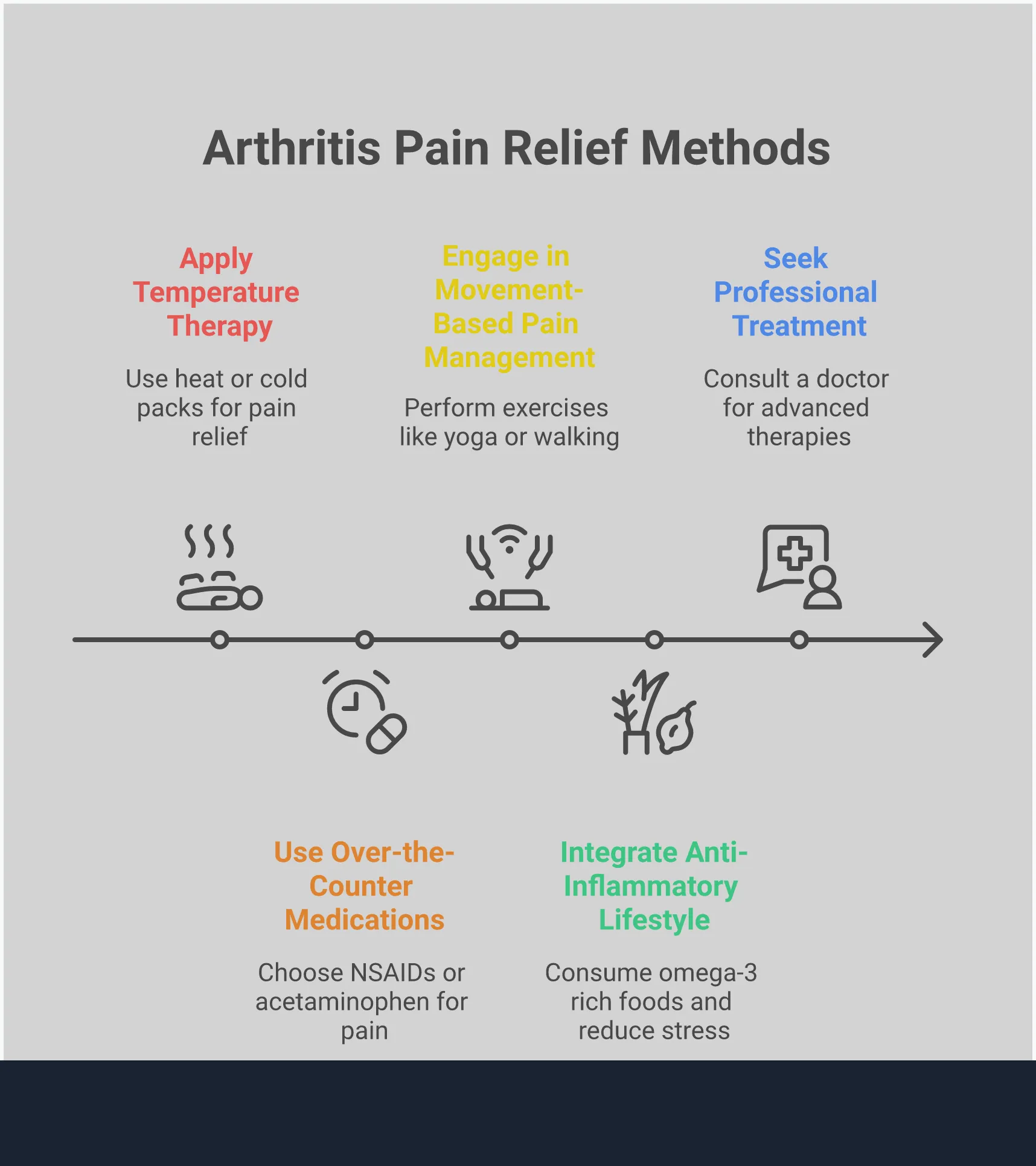
When an arthritis flare-up hits, the pain can feel all-consuming, and your first thought is likely, "How can I make this stop?" While building a long-term strategy is key to managing arthritis, you also need immediate, effective ways to handle the pain right now. The good news is that you have several options you can try at home to get some much-needed relief without having to schedule an appointment or wait for a prescription. These methods are designed to be simple, accessible, and fast-acting, giving you a sense of control when you need it most.
From using temperature to your advantage to finding the right over-the-counter aid, these strategies can help you get through a tough day. Think of them as your first line of defense—tools you can reach for when stiffness and aches disrupt your life. It’s about having a toolkit ready so you’re not caught off guard. Finding what works for your body is the first step toward building a more comprehensive pain management plan that supports your long-term well-being. Below, we’ll cover four practical approaches you can use today to ease discomfort and get back to your routine.
Soothe Aches with Heat Therapy
If your joints feel stiff and achy, a little warmth can work wonders. Heat therapy is excellent for relaxing tight muscles and improving blood flow to your joints, which helps ease that deep, nagging ache. A warm bath or shower is a perfect way to start or end your day, allowing the heat to penetrate multiple joints at once. For more targeted relief, you can use an electric heating pad or a moist heat pack on a specific area, like a sore knee or shoulder. Applying heat for about 15-20 minutes can significantly reduce joint stiffness and make movement feel a little easier.
Reduce Swelling with Cold Therapy
When your pain is sharp and accompanied by noticeable swelling, it’s time to cool things down. Cold therapy is your go-to for calming inflammation. The cold temperature helps constrict blood vessels, which reduces swelling, and it also has a numbing effect that can temporarily dull the pain signals sent to your brain. You can use a gel ice pack, a bag of frozen vegetables wrapped in a towel, or even a cold compress. Apply it to the inflamed joint for 10-15 minutes at a time. This is a simple yet powerful drug-free pain management tool for managing acute flare-ups.
Consider Over-the-Counter Pain Relievers
For pain that comes and goes, over-the-counter (OTC) medications can offer reliable, temporary relief. Options like ibuprofen (Advil) or naproxen sodium (Aleve) are nonsteroidal anti-inflammatory drugs (NSAIDs) that help reduce both pain and swelling. Another choice is acetaminophen (Tylenol), which focuses primarily on relieving pain. It’s important to remember that these are short-term solutions. Always read the label carefully and follow the dosage instructions. If you find yourself needing them regularly, it’s a good idea to discuss your arthritis pain with a healthcare professional to ensure you’re using them safely.
Apply Topical Creams and Gels
If you prefer a more targeted approach, topical treatments can be a great option. These are creams, gels, or patches that you apply directly to the skin over a painful joint. Some products contain ingredients like menthol or camphor, which create a cooling or warming sensation that distracts your brain from the pain. Others use capsaicin, a compound found in chili peppers, which can interfere with pain signals over time. These treatments work locally, which means you can get relief right where you need it without taking a pill. They are a great way to manage localized pain throughout the day.
Heat vs. Cold: What's Best for Your Arthritis Pain?
When your joints are aching, the heat-versus-cold debate can feel confusing. The truth is, both can be incredibly effective for arthritis pain, but they work in different ways. Think of them as two different tools for two different jobs. One is perfect for soothing chronic stiffness, while the other is your go-to for calming a sudden, painful flare-up. Understanding when to reach for the heating pad and when to grab an ice pack can make a huge difference in how you feel day-to-day.
How Heat Therapy Eases Stiffness
If you wake up with stiff, achy joints that protest every movement, heat therapy can be your best friend. Applying warmth helps relax your muscles and gets your blood flowing, which can significantly relieve joint stiffness. It’s especially helpful for the chronic, nagging pain that comes with osteoarthritis. Try starting your day with a warm shower, soaking in a warm bath, or applying a heating pad to the affected area. This gentle warmth can help ease that morning rigidity and make it easier to get moving.
How Cold Therapy Calms Inflammation
When your arthritis flares up, causing sharp pain, redness, and swelling, it’s time to cool things down. Cold therapy is excellent for acute pain because it constricts blood vessels, which reduces swelling and numbs the area. This makes it a great choice after you’ve been particularly active or during an inflammatory flare-up. You can use a gel ice pack, a cold compress, or even a bag of frozen vegetables wrapped in a towel. It’s a simple, drug-free pain management tool that can provide quick relief when you need it most.
Choosing Between Heat and Cold
So, how do you choose? It really comes down to the type of pain you’re feeling. As a general rule, use heat for muscle soreness and chronic stiffness, and use cold for acute pain and inflammation. Think of heat as a comforting hug for persistent aches and cold as a firefighter for a sudden, angry flare-up. Listening to your body is key. Some people find that alternating between the two provides the most relief. Experiment to see what works best for your specific symptoms and gives you the most comfort.
How to Use Them Safely
Whether you choose heat or cold, it’s important to protect your skin. Never apply a heating pad or ice pack directly to your skin; always wrap it in a thin towel first. Limit each session to about 20 minutes, and give your skin a break in between applications to avoid burns or frostbite. Using these therapies safely ensures you get all the benefits without any risks. These at-home methods are great for immediate relief, but for deeper, lasting results, exploring professional pain management can be a game-changer.
Which Over-the-Counter Medications Work Best?
When an arthritis flare-up hits, your first instinct might be to reach for something in your medicine cabinet. Over-the-counter (OTC) medications can be a helpful first line of defense for managing sudden pain and stiffness. They are accessible and can provide temporary relief that helps you get through your day. However, it's important to understand what you're taking, as different medications work in different ways. Some are designed to tackle inflammation, while others focus solely on blocking pain signals. Knowing the difference can help you choose the right option for your specific symptoms and use it safely and effectively. For many people, this also leads to exploring laser therapy for arthritis pain relief as part of a broader non-invasive care plan.
NSAIDs: Fighting Inflammation and Pain
If your joints feel swollen, warm, and stiff, nonsteroidal anti-inflammatory drugs (NSAIDs) might be a good choice. Common options you’ll find on the shelf include ibuprofen and naproxen. These medications work by blocking the body's production of chemicals that cause inflammation, which in turn helps relieve pain. Because they can sometimes cause an upset stomach, it’s always a good idea to take them with a bit of food. While they can be very effective for short-term relief, they are best used to manage temporary flare-ups rather than as a long-term solution. That’s why many adults also look into arthritis pain management options that go beyond medication alone.
Acetaminophen: Focusing on Pain
Another popular choice is acetaminophen, widely known by the brand name Tylenol. Unlike NSAIDs, acetaminophen doesn't target inflammation. Instead, it works primarily on the parts of the brain that receive pain signals. This makes it a solid option for managing the kind of come-and-go aches that often accompany arthritis, without the anti-inflammatory effects. It’s crucial to follow the dosage instructions on the package carefully, as taking too much can lead to liver damage. If you find your pain is more about soreness than swelling, acetaminophen could be the right fit. At the same time, building habits around preventative wellness for ongoing joint support and seeking recovery support for arthritis pain and stiffness may help improve long-term comfort and mobility.
Using OTC Medication Safely
While OTC medications can provide much-needed relief, they aren't always a complete solution. If you find that they aren't managing your pain effectively or that you need them for more than a few days, it’s a sign that you should talk to a healthcare provider. Overusing pain relievers can lead to unwanted side effects. The Mayo Clinic offers helpful guidelines for managing arthritis pain and using medication wisely. Remember, these options are tools for temporary relief, and exploring other therapies can help you build a more sustainable plan for long-term comfort.
Find Fast, Drug-Free Arthritis Relief
If you’re looking for ways to manage arthritis pain without relying on medication, you have several powerful options. These drug-free strategies focus on reducing inflammation, soothing stiff joints, and calming your body’s pain response. By incorporating these approaches, you can build a well-rounded plan for finding comfort and getting back to the activities you love. Many of these methods can be used together to create a personalized relief plan that works for you.
Discover Light Therapy for Pain Management
Light therapy is a non-invasive treatment that uses specific wavelengths of light to penetrate the skin and stimulate your body's natural healing processes right at the source. This can help reduce inflammation, improve circulation, and ease the chronic pain associated with arthritis. Sessions are quick and painless. While treatment plans vary, a general guideline is to treat affected joints for at least 10 minutes at a time. Our team at Laser Lab Therapy can create a personalized pain management plan to help you find lasting relief without side effects.
Try Gentle Stretches and Movement
When your joints hurt, moving might be the last thing you feel like doing, but gentle activity is one of the best things for arthritis. Movement helps lubricate your joints, reduce stiffness, and strengthen the muscles that support them. You don't need an intense workout to see benefits. Simple activities like walking, swimming, or gentle yoga can make a huge difference. Regular exercise also improves your overall fitness, helps with weight management, and can even lower stress, all of which contribute to feeling better. Start slow and listen to your body.
Calm Your Mind and Body
The connection between your mind and body is incredibly strong, especially when it comes to pain. Stress can cause your muscles to tense up, which often makes joint pain feel worse. By practicing relaxation techniques, you can help calm your nervous system and ease physical discomfort. Try setting aside a few minutes each day for deep breathing, meditation, or listening to calming music. Spending quiet time in nature or writing in a journal can also be effective ways to manage stress and, in turn, reduce your perception of pain.
Explore Acupuncture and Massage
Alternative therapies like acupuncture and massage can be excellent additions to your pain management routine. Studies have shown that acupuncture can help with chronic pain, particularly for conditions like knee osteoarthritis. This ancient practice involves placing thin needles at specific points on the body to help rebalance energy flow and trigger the release of natural pain-relieving chemicals. Similarly, a gentle massage can provide temporary relief by relaxing sore muscles, improving circulation around the joints, and reducing stiffness. It’s a great way to soothe immediate discomfort and promote relaxation.
Create Your Long-Term Plan for Managing Arthritis
While quick fixes can help you get through a tough day, building a long-term strategy is the key to managing arthritis pain consistently. A sustainable plan involves making thoughtful lifestyle choices that reduce inflammation, strengthen your body, and support your overall well-being. By combining different approaches, you can create a comprehensive routine that addresses your symptoms from multiple angles, giving you more control and lasting relief.
Eat an Anti-Inflammatory Diet
What you eat has a direct impact on inflammation levels in your body. Adopting an anti-inflammatory diet can be a powerful tool for reducing the swelling and pain associated with arthritis. Research shows that primarily plant-based eating styles, like the Mediterranean diet, can make a significant difference. You don’t have to overhaul your entire kitchen overnight. Start by incorporating more fruits, vegetables, whole grains, and healthy fats like olive oil and nuts into your meals. Over time, these small changes can lead to noticeable improvements in how you feel.
Stay Active with Gentle Exercise
When your joints hurt, exercise might be the last thing on your mind, but gentle movement is essential for managing arthritis. Regular activity strengthens the muscles that support your joints, improves flexibility, and can even reduce pain. The goal is to aim for 150 to 300 minutes of moderate exercise, like brisk walking, each week. You can break this down into 30-minute walks five days a week. It’s also important to add strength training at least twice a week to keep your muscles strong and stable. Always listen to your body and choose activities that feel good to you.
Manage Pain with Your Mindset
Your mind is a powerful ally in managing chronic pain. How you think about your pain can influence how you experience it. Techniques like Cognitive Behavioral Therapy (CBT) help you identify and change negative thought patterns related to your discomfort. By understanding the connection between your thoughts, feelings, and physical sensations, you can develop healthier coping strategies. This doesn't mean the pain is "all in your head," but it does mean you can gain more control over your reaction to it, which can be incredibly empowering for long-term management.
Combine Therapies for Lasting Relief
A truly effective plan often involves more than one approach. Integrating non-drug therapies with your medical treatments can provide more comprehensive and lasting relief. For example, studies have shown that acupuncture can be effective for chronic pain from conditions like knee osteoarthritis. Another powerful, non-invasive option is light therapy. Our pain management services use advanced light technology to target pain and inflammation directly at the source, helping to reduce discomfort and promote healing without medication or surgery. Combining these therapies creates a holistic strategy for feeling and moving better.
When Is It Time to See a Professional?
While at-home remedies are fantastic for managing day-to-day discomfort, there comes a point when you might need a little more support. Trying to tough it out can sometimes do more harm than good, and you certainly don't have to go it alone. Listening to your body and knowing when to ask for help is a crucial part of managing arthritis effectively. A professional can offer a fresh perspective and create a personalized strategy that goes beyond general advice, helping you find a path to feeling and moving better.
Think of them as a partner in your health journey, someone who can help you connect the dots between your symptoms, your lifestyle, and the most effective relief options for you. They can help you understand the "why" behind your pain and build a roadmap that includes both immediate relief and long-term wellness strategies. This partnership is key to moving beyond just coping with pain to truly thriving. It’s about creating a sustainable plan that fits your life, so you can focus more on what you love and less on your limitations.
Know the Warning Signs
It’s time to call a professional when the pain starts to manage you, instead of the other way around. If over-the-counter medications no longer provide relief, or if you’re taking them more often than you’d like, that’s a clear signal. This is especially true if you have other health concerns, like kidney or heart issues, that make taking certain medications risky. Pay attention to pain that consistently disrupts your sleep, makes daily tasks like walking or opening a jar difficult, or simply doesn’t go away. You don’t have to accept this as your new normal. Reaching out for professional guidance is the first step toward getting back in control.
How a Professional Can Help
A healthcare professional can help you build a comprehensive plan tailored specifically to your body and lifestyle. The goal isn't just to mask the pain but to reduce it, manage stress, and improve your overall quality of life. This plan might include a physical therapist who can design a safe and effective exercise routine, even if your joints are severely affected. They can show you how to move in ways that strengthen your muscles without adding strain. By working with an expert, you can create a multi-faceted approach to pain management that helps you move with more freedom and confidence.
Learn About Advanced Treatment Options
When you work with a professional, you get access to a wider range of treatments. Some doctors may suggest options like cortisone shots, which can offer temporary relief from swelling and pain. However, many experts agree that the most effective strategies combine medical treatments with non-drug therapies. This is where you can truly build a sustainable plan for long-term wellness. Exploring innovative, non-invasive options can be a game-changer for managing arthritis without relying solely on medication. If you're ready to learn about a drug-free approach, we invite you to contact us to see how our light-based care can fit into your wellness plan.
Frequently Asked Questions
What's the simple rule for choosing between heat and cold for my joint pain? Think of it this way: heat is for stiffness, and cold is for swelling. If your joints feel achy and rigid, especially in the morning, a warm compress or shower can help relax the muscles and improve blood flow. If you’re dealing with a sharp, painful flare-up with noticeable swelling, an ice pack is your best bet to calm the inflammation and numb the area.
Is it safe to combine different at-home treatments, like using a pain cream with a heating pad? You can often combine methods, but it’s smart to be cautious. For example, you wouldn't want to use a heating pad over a cream that already creates a warming sensation, as this could irritate or burn your skin. Always read the product labels first. A good approach might be to use a topical cream during the day for targeted relief and then enjoy a warm bath in the evening to soothe your joints more broadly.
I'm worried that moving will make my joint pain worse. How can exercise possibly help? This is a completely valid concern, but the right kind of movement is one of the best things you can do for your joints. Gentle exercise strengthens the muscles that support your joints, taking pressure off of them. It also helps keep your joints lubricated, which reduces stiffness and pain. The key is to start slow with low-impact activities like walking or swimming and to listen to your body, never pushing through sharp pain.
How does a drug-free option like light therapy actually help with arthritis pain? Light therapy works on a deeper level than just masking symptoms. It uses specific wavelengths of light to penetrate your skin and stimulate your cells' natural healing mechanisms. This process helps reduce inflammation right at the source, improves circulation to the joint, and eases pain without any medication. It’s a non-invasive way to encourage your body to repair itself, which can lead to more sustainable, long-term relief.
I've been trying these at-home tips, but how long is too long to wait before getting professional help? There isn't a magic number of days, but you should seek professional advice when the pain starts controlling your life. If your discomfort consistently keeps you up at night, makes simple daily activities feel impossible, or if you find yourself relying on over-the-counter medication just to get by, it's time to reach out. A professional can help you build a more comprehensive plan that goes beyond temporary fixes.
Frequently Asked Questions
Is light therapy safe for athletes?

Yes, light therapy is completely safe and highly beneficial for athletes. It promotes faster muscle recovery, reduces inflammation, and supports performance without the risks of medication or downtime. That’s why professional and amateur athletes worldwide rely on it to train smarter and recover quicker.
How many sessions will I need?
The number of sessions varies depending on the type and severity of your condition. Many patients notice improvement after 3–5 sessions, while chronic conditions may require ongoing care for best results. During your initial consultation, we’ll design a personalized treatment schedule tailored to your body’s response and recovery goals.

Ready to Try Light Therapy for Recovery?