

It's You Versus Arthritis Back Pain: How to Win
Not all back pain is the same. A simple muscle strain usually gets better with rest, but the deep, nagging ache from arthritis in the back is driven by chronic inflammation. This is the crucial difference when you're looking at a minor injury versus arthritis back pain. When your body's inflammatory response won't turn off, it damages the cartilage in your spine, causing that constant discomfort. If you're tired of temporary fixes, it's time to address the root cause. Recognizing the specific arthritis back pain symptoms is the first step toward finding treatments that calm the inflammation and help you heal.
Key Takeaways
- Listen to Your Body's Clues: Back pain that lingers for more than a week, feels worse in the morning, or is accompanied by stiffness isn't just a simple strain. Paying attention to these specific patterns is the first step toward identifying spinal arthritis and seeking an accurate diagnosis.
- Combine Professional Care with At-Home Strategies: The most effective relief comes from a layered approach. Pair non-invasive treatments like light therapy and physical therapy with daily habits like using heat/cold therapy and gentle stretching to manage pain from all angles.
- Proactive Lifestyle Choices are Key for Long-Term Relief: You have significant control over how arthritis affects you. Simple, consistent changes—like adopting an anti-inflammatory diet, staying active with low-impact exercise, and managing your weight—can reduce strain on your spine and help prevent your symptoms from worsening over time.
Is Arthritis Causing Your Back Pain?
If you’ve been dealing with a nagging ache in your back, you might brush it off as a simple muscle strain. But what if it’s something more? Many people are surprised to learn that persistent back pain can be a sign of arthritis. Understanding this connection is the first step toward finding effective, long-term relief. Arthritis isn't just a condition of the hands or knees; it can affect any joint in your body, including the complex structure of your spine. Let's look at how arthritis can lead to back pain and what that means for you.
How Arthritis Changes Your Spine
Your spine is an incredible structure made up of 33 individual bones called vertebrae. In between these bones are small joints, called facet joints, that allow you to bend and twist. Spinal arthritis occurs when these joints become inflamed. This inflammation wears down the cartilage—the smooth, protective tissue that cushions your joints—causing the bones to rub against each other. This friction leads to pain, stiffness, and reduced mobility. Think of it as a hinge that’s lost its lubrication; movement becomes creaky and uncomfortable, making everyday activities a challenge.
How Inflammation Fuels Arthritis Pain
Inflammation is your body's natural response to injury, but when it becomes chronic, it creates problems. In the case of arthritis, persistent inflammation is the primary source of discomfort, causing the swelling, tenderness, and deep, aching pain you feel in your back. According to the Arthritis Foundation, if your back pain sticks around for more than a week, it might be caused by an underlying inflammatory condition. Managing this inflammation is key to finding relief, which is why treatments that focus on reducing it can be so effective for long-term pain management.
Common Types of Back Arthritis to Know
"Arthritis" is a general term, and several specific types can cause back pain. The most common is Osteoarthritis, the "wear-and-tear" type that breaks down cartilage over time. Another is Rheumatoid arthritis, an autoimmune disease where your body's immune system mistakenly attacks your joints. Other forms include Psoriatic arthritis, which affects people with psoriasis, and Axial Spondyloarthritis (axSpA). This last one causes long-term inflammation in the spine and the sacroiliac joints, which connect your spine to your pelvis. Identifying the type of arthritis you have helps determine the best course of action for treatment.
Recognizing Arthritis Back Pain Symptoms
Back pain can be tricky to figure out. Was it that new workout, the way you slept, or something more? While many aches are temporary, certain clues can suggest that arthritis is the root cause. Paying attention to how and when your back hurts can help you understand what your body is trying to tell you and find the right path toward relief. Learning to spot these specific signs is the first step in addressing the pain at its source.
What Are the First Signs of Back Arthritis?
An occasional backache after a long day of yard work is one thing, but pain that sticks around is another. One of the biggest indicators that your back pain might be arthritis is its persistence. According to the Arthritis Foundation, if your back pain lasts for more than a week, it could be a sign of an underlying arthritic condition. This isn't the kind of soreness that gets better with a day of rest. Instead, it’s a chronic ache that becomes a regular part of your life. This lingering discomfort is your body’s signal that it’s time to look a little deeper into the cause.
When and Where Does It Hurt?
Arthritis pain isn't just random; it often follows a pattern. You might notice a dull, persistent ache primarily in your lower back and neck. Beyond the pain itself, a key symptom is stiffness that makes you feel less flexible. Simple movements like bending over to tie your shoes or turning your head can become difficult. According to the Cleveland Clinic, this discomfort can also be accompanied by fatigue or pain that travels into your arms or legs. If your back pain feels less like a sharp, sudden injury and more like a constant, stiff ache, arthritis could be the reason.
Struggling with Morning Stiffness?
Do you wake up feeling like the Tin Man before he found his oil can? Significant stiffness, especially in the morning, is a classic sign of spinal arthritis. This isn't just about feeling a little creaky when you first get out of bed. It’s a pronounced stiffness that can make it hard to move freely for 30 minutes or more. While the stiffness often eases as you start your day, that feeling of limited flexibility can return after periods of inactivity, like sitting at a desk or driving. This happens because inflammation can cause fluid to build up in the joints overnight.
When Back Pain Doesn't Stay in Your Back
Sometimes, the pain from spinal arthritis doesn't stay in your back. It can radiate outward, causing discomfort in other parts of your body. You might feel a deep ache that spreads from your lower back into your buttocks, thighs, or pelvic area. In some cases, you may even experience numbness, tingling, or weakness in your arms or legs. This happens when inflammation or bone spurs in the spine begin to press on nearby nerves. If you're dealing with this kind of radiating discomfort, our approach to pain management can help address both the source of the pain and the resulting symptoms.
How Is Arthritis in the Back Diagnosed?
If you suspect arthritis is behind your back pain, getting a clear diagnosis is the first and most important step toward feeling better. A proper diagnosis helps pinpoint the exact cause of your discomfort, which allows you to create a targeted and effective treatment plan. The process usually involves a combination of a physical exam, imaging, and sometimes blood tests. It’s all about gathering the right information so you can move forward with confidence and find the relief you need.
What Happens During a Physical Exam?
Your journey to a diagnosis will start with a conversation with your doctor. They’ll ask about your health history, when the pain started, and what your symptoms feel like. Be ready to describe the pain—is it a dull ache or a sharp sting? Does it get worse at certain times of the day? Your doctor will also perform a physical exam, checking your spine’s range of motion by asking you to bend and twist. They may also gently press on different areas of your back to identify sources of tenderness. This initial step helps your doctor understand your unique situation and decide if further testing is needed for effective pain management.
Why Your Doctor May Order an X-Ray or MRI
To get a better look at what’s happening inside your spine, your doctor will likely order imaging tests. An X-ray is often the first step, as it can clearly show changes in your bones, like bone spurs or a narrowing of the space between your vertebrae, which are common signs of osteoarthritis. If more detail is needed, they might suggest an MRI or CT scan. These tests provide a clearer picture of your spinal cord, nerves, and surrounding soft tissues, helping to rule out other issues like a herniated disc. These images give your doctor the visual evidence needed to confirm a spinal arthritis diagnosis.
Can Blood Tests Detect Arthritis?
While imaging tests show what’s happening structurally, blood tests can reveal what’s going on inside your body chemically. Your doctor may order blood work to check for specific inflammatory markers. These markers can indicate the presence of inflammatory types of arthritis, such as rheumatoid arthritis or ankylosing spondylitis. Blood tests are also useful for ruling out other conditions that might be causing your symptoms. While not always necessary for diagnosing osteoarthritis, they are a key part of the diagnostic puzzle for other forms of arthritis, ensuring you get the most accurate diagnosis possible.
Which Specialists Can Help?
Depending on your initial exam and test results, your primary care doctor might refer you to a specialist. An orthopedist is a specialist who focuses on the musculoskeletal system, including bones and joints. A rheumatologist is an expert in diagnosing and treating arthritis and other autoimmune diseases that affect the joints, muscles, and bones. Seeing a specialist ensures you’re getting care from someone with deep expertise in this area. They can confirm your diagnosis and work with you to develop a comprehensive treatment plan tailored to your specific type of arthritis and back pain.
Effective Ways to Manage Arthritis Back Pain
Finding the right approach to manage arthritis back pain is about creating a toolkit of strategies that work for you. The goal is to reduce pain, improve mobility, and support your spine for the long haul. The good news is that you have many options, from innovative therapies to simple at-home remedies. Combining different treatments can often provide the most comprehensive relief, helping you feel more in control of your health. Let’s look at a few effective ways to address that persistent ache and stiffness.
Using Light Therapy for Relief
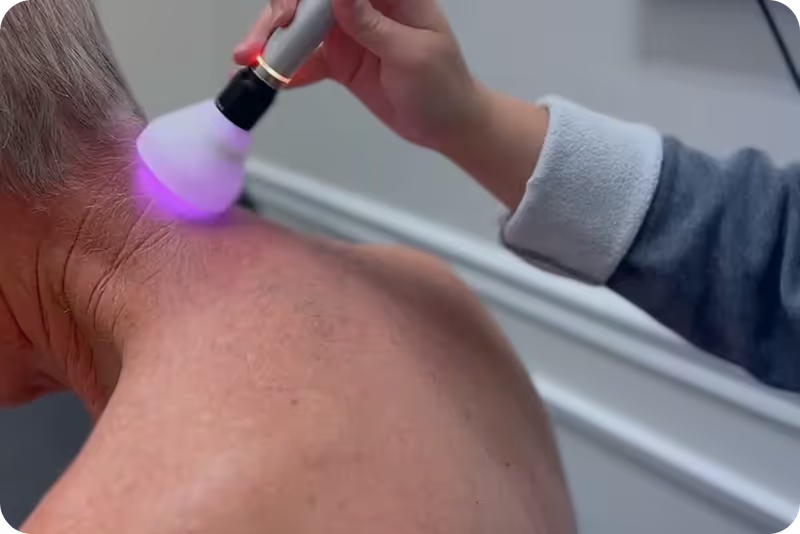
If you’re looking for a drug-free and non-invasive option, light therapy is a fantastic place to start. This modern approach uses specific wavelengths of light to penetrate deep into your muscles, joints, and tissues. It works at a cellular level to help reduce inflammation, improve circulation, and give your cells the energy they need to repair themselves. Think of it as a helping hand that encourages your body’s natural healing process. Many people find that consistent pain management sessions with light therapy can significantly decrease stiffness and restore balance, allowing them to move more freely and get back to the activities they love.
Building Strength with Physical Therapy
Movement is medicine, especially when it comes to an arthritic back. A physical therapist can design a personalized exercise plan to help you manage your symptoms safely. Gentle stretches are often a core part of the routine, as they can do wonders for alleviating the stiffness and discomfort that come with spinal arthritis. Beyond stretching, a physical therapist will guide you through strengthening exercises that build up the muscles supporting your spine. A stronger core and back can take pressure off your joints, improve your posture, and reduce the strain that contributes to pain. It’s an active approach that empowers you to build a more resilient back.
How Physical Therapy Improves Balance and Posture
When your back hurts, your body naturally tries to compensate, often leading to poor posture that you might not even notice. Over time, this misalignment puts extra stress on your spinal joints, making arthritis symptoms worse. Physical therapy helps correct these imbalances. A therapist will teach you exercises that strengthen your core and back muscles, which act as a natural corset for your spine. According to experts at KC Rehab, a consistent physical therapy routine improves your balance and how you stand. By retraining your body to maintain proper alignment, you can distribute your weight more evenly and reduce the daily strain on your inflamed joints.
Reducing Joint Swelling and Pain
It might seem counterintuitive to exercise when you're in pain, but gentle, controlled movement is one of the best things you can do for an arthritic back. Inactivity allows stiffness to set in, while the right exercises can significantly reduce discomfort. As the Arthritis Foundation points out, managing inflammation is the key to finding relief. Physical activity increases blood flow to your joints, which helps flush out inflammatory substances and deliver oxygen and nutrients that support healing. This process directly addresses the swelling and deep ache of arthritis, helping to lessen pain and stiffness over time and improve your overall mobility.
Natural Ways to Soothe Back Pain
Sometimes, the simplest remedies can make a big difference in your day-to-day comfort. Many people find relief by incorporating natural strategies into their routine alongside other treatments. This can include things like anti-inflammatory supplements (after talking with your doctor, of course), gentle yoga, or mindfulness practices to help manage the mental and emotional side of chronic pain. Even small adjustments, like ensuring your workspace is ergonomically sound or using supportive pillows at night, can contribute to less pain and better function. The key is to listen to your body and find what combination of natural approaches helps you feel your best.
Heat vs. Cold: Which Is Better for Your Pain?
Applying heat and cold is one of the oldest and most reliable methods for soothing arthritis pain. Knowing when to use each one is key. Heat therapy, like using a heating pad or taking a warm bath, is excellent for relaxing muscles and easing the chronic stiffness that makes it hard to get moving, especially in the morning. It works by increasing blood flow to the area. Cold therapy, on the other hand, is your go-to for acute flare-ups and inflammation. An ice pack wrapped in a towel can help numb sharp pain and reduce swelling by constricting blood vessels. Alternating between the two can also be effective for general pain management.
Your Daily Plan for Managing Arthritis Back Pain
While professional treatments are essential for managing arthritis, the small choices you make every day have a huge impact on your pain levels and mobility. Think of these lifestyle adjustments as your daily support system—simple, powerful habits that work alongside your treatment plan to help you feel and move better. By focusing on what you eat, how you move, and how you manage stress, you can take an active role in controlling your symptoms and improving your quality of life.
Foods That Fight Inflammation
What you put on your plate can either fuel inflammation or fight it. As experts at Pacific Arthritis note, "The foods we eat play a significant role in either reducing inflammation or worsening joint pain, making diet a powerful tool in arthritis care." To help your body combat inflammation, focus on incorporating foods rich in omega-3s, antioxidants, and vitamins. Think fatty fish like salmon, leafy greens like spinach, colorful berries, and nuts. At the same time, try to limit pro-inflammatory foods like processed sugars, fried foods, and refined carbohydrates. These simple swaps can make a noticeable difference in your joint pain and contribute to your overall preventative wellness.
Why a Strong Core is Key for Back Support
Think of your core muscles—the ones in your stomach and back—as a natural corset for your spine. When these muscles are strong, they provide essential stability for nearly every move you make, from getting out of a chair to reaching for something on a high shelf. For someone with arthritis, this support is even more critical. A strong core helps take pressure off the inflamed facet joints in your spine, which can significantly reduce the strain that contributes to pain. This is why strengthening exercises are so important. By building up the muscles that support your back, you’re not just improving your posture—you’re creating a more resilient foundation that helps you handle daily activities with less discomfort.
The Best Exercises for an Aching Back
When your back hurts, the last thing you might want to do is exercise. But gentle movement is one of the best things you can do for an arthritic spine. According to physical therapists, "exercise is the most important treatment to lessen your pain and improve your mobility." Movement helps lubricate your joints, strengthen the muscles that support your spine, and increase flexibility. Start with low-impact activities like walking, swimming, or gentle yoga. Even simple stretches can help ease stiffness and discomfort in your lower back. The key is to listen to your body and find a routine that feels good for you, helping you stay active and manage pain effectively.
Stretching and Flexibility Exercises
When your back is stiff and sore, gentle movement is your best friend. Regular stretching can help manage arthritis in your lower back by increasing blood flow, reducing stiffness, and improving your range of motion. Think of it as oiling a creaky hinge. Simple stretches like the knee-to-chest pull, where you lie on your back and gently bring one knee toward your chest, can release tension in your lower spine. Another great one is the pelvic tilt, which activates your core muscles and gently moves your lower back. The key is to move slowly and intentionally, breathing through each stretch. As physical therapists often recommend, combining a professional program with these at-home exercises offers the most significant benefits for spinal arthritis.
Strengthening Exercises
Building a strong support system for your spine is crucial, and that starts with your core muscles. Strengthening your abdominal and back muscles helps take the pressure off your inflamed joints, providing stability for nearly every move you make. This isn't about intense weightlifting; it's about controlled, targeted movements. Exercises like bridges, where you lie on your back and lift your hips, are fantastic for strengthening your glutes and lower back. The bird-dog exercise, performed on all fours while extending an opposite arm and leg, improves balance and core stability. The right exercises for you will depend on your specific condition, as research shows that gentle, low-intensity aerobic exercise is often best for severe arthritis, while more intense workouts may be suitable for milder cases.
Exercises Using Equipment
You don’t need a fancy gym membership to effectively strengthen your back. Simple tools can make a big difference in your at-home routine. Resistance bands are a great, low-impact way to add a challenge to strengthening exercises without straining your joints. An exercise ball can also be used for gentle core work and stability training. If you're looking for guided workouts, programs like the Arthritis Foundation's "Your Exercise Solution (YES)" offer fitness videos approved by physical therapists. These resources are designed to help you build strength safely, focusing on the core muscles that are so important for supporting your spine through daily activities.
Exercising Safely with Back Arthritis
While moving your body is one of the best things you can do for an arthritic back, it’s essential to approach it with care. The goal is to strengthen and soothe your spine, not aggravate it. Exercising safely means listening to your body, knowing your limits, and choosing movements that support your joints rather than strain them. A mindful approach ensures that your efforts contribute to long-term relief and mobility instead of accidentally triggering a painful flare-up. Before you jump into a new routine, it’s important to understand the basic principles of safe movement for an arthritic back.
General Safety Tips
To get the most out of your exercises without causing harm, keep a few simple rules in mind. First, always warm up with a few minutes of light movement, like walking in place, to prepare your muscles. When you stretch, move into the position slowly until you feel a gentle pull, not pain, and hold it without bouncing. Bouncing can cause small tears in your muscles. It’s also important to pay attention to your body’s signals. The "no pain, no gain" mantra does not apply here. If an exercise hurts, stop. It’s better to modify the movement or try something else than to push through pain and risk injury.
Important Health Considerations
Before you begin any new exercise program, it is absolutely essential to talk to your doctor or a physical therapist. They are your best resource for creating a plan that is both safe and effective for your specific type of arthritis and overall health. A professional can assess your condition, recommend the most beneficial exercises, and show you how to perform them with proper form to prevent injury. This expert guidance is invaluable, as they can help you understand which movements to embrace and which to avoid, ensuring your fitness routine is tailored perfectly to your body’s needs for long-term pain management.
Finding the Right Exercise Intensity for You
Figuring out how much to exercise can feel like a balancing act. You want to do enough to feel the benefits but not so much that you cause a flare-up. The best approach is to start slow and gradually increase your activity level. Begin with low-impact exercises like walking, swimming, or using an elliptical machine. These activities get your heart rate up and lubricate your joints without putting excess stress on your spine. Pay close attention to how your body feels both during and after your workout. A little muscle soreness is normal, but sharp pain is a sign to pull back. Over time, you’ll learn to recognize your body’s signals and find the perfect intensity that leaves you feeling stronger and more mobile, not sorer. This mindful approach to movement, combined with proper performance recovery, is key to staying active for the long haul.
Lighten the Load: Weight, Posture, and Pain
Extra pounds put extra pressure on your spine and other joints, which can worsen arthritis pain. Maintaining a healthy weight is one of the most effective ways to reduce that strain. Alongside weight management, pay attention to your posture. Simple adjustments throughout the day can make a big difference. As the Hospital for Special Surgery explains, "practicing good posture while sitting, and bending your knees when picking up items... can help keep spine osteoarthritis at bay." Try to sit with your back straight and shoulders back, and always lift heavy objects with your legs, not your back. These small habits protect your spine from unnecessary stress and are a key part of long-term pain management.
Why Better Sleep and Less Stress Mean Less Pain
Pain, stress, and poor sleep often create a frustrating cycle. Pain can make it hard to sleep, and a lack of sleep can make you more sensitive to pain. Similarly, chronic stress can tense your muscles and amplify your pain perception. Breaking this cycle is crucial. Research from UCLA Health suggests that "mindfulness techniques... may help reduce the intensity of chronic pain and improve physical function." Try creating a calming bedtime routine, practicing deep breathing exercises, or exploring meditation apps. By managing stress and prioritizing restful sleep, you give your body the chance to rest, repair, and better cope with arthritis symptoms.
Can You Keep Arthritis Back Pain From Getting Worse?
Living with arthritis in your back can feel like you’re just waiting for the pain to intensify, but it doesn’t have to be that way. While there’s no magic cure for arthritis, you have a lot of power to influence its progression and manage your symptoms. Taking proactive steps can make a significant difference in your daily comfort and long-term mobility. It’s not about a complete life overhaul overnight, but rather about making consistent, smart choices that support your spine.
The key is to combine immediate relief strategies with a long-term wellness plan. Think of it as a two-part approach: what you can do right now to feel better, and what you can do every day to protect your joints for the future. By focusing on daily pain management, prioritizing your overall wellness, and building healthy habits, you can take control of your health and keep arthritis from dictating your life. This approach helps you address the root causes of your discomfort while also handling the symptoms as they arise, giving you a comprehensive way to care for your back.
Your Daily Pain Management Toolkit
When you’re in the middle of a flare-up, your first thought is finding relief. Many people reach for over-the-counter pain relievers like NSAIDs to reduce pain and swelling. While these can be helpful for short-term use, it’s also important to have non-medication strategies in your toolkit. Gentle stretches are a great way to alleviate stiffness and discomfort in your lower back. Even a few minutes of stretching in the morning can set a better tone for your entire day. If your back pain lasts for more than a week, it’s a good idea to consider that it might be arthritis, which most commonly affects the lower back. Our approach to pain management focuses on providing relief without drugs or invasive procedures, helping you feel better day-to-day.
Thinking Long-Term: Protecting Your Spine
Managing daily pain is crucial, but preventing arthritis from getting worse requires a long-term strategy. The first and most important step is getting a proper diagnosis. If arthritis isn't identified and treated, it can progress and lead to more significant issues down the line. Once you know what you’re dealing with, you can create a sustainable plan. According to physical therapists, exercise is the most important treatment to lessen pain and improve your mobility. Strong muscles support your spine, taking pressure off your joints. Focusing on preventative wellness helps you build a resilient body that’s better equipped to handle the challenges of arthritis.
Joint-Friendly Habits to Start Today
The small choices you make every day add up to a big impact on your joint health. What you eat plays a huge role in managing inflammation. Following The Ultimate Arthritis Diet means focusing on whole foods like fruits, vegetables, fish, and nuts while limiting processed foods and saturated fats. Beyond diet, pay attention to your posture, especially when sitting or standing for long periods. Maintaining a healthy weight also reduces the strain on your spine. Simple habits like using a supportive chair, taking breaks to walk around, and choosing low-impact activities can protect your joints and keep you moving comfortably for years to come.
Frequently Asked Questions
How can I tell the difference between a simple backache and arthritis pain? A simple backache, like a muscle strain, usually feels better after a few days of rest. Arthritis pain tends to stick around for much longer, often lasting for weeks. A key sign of arthritis is significant stiffness, especially when you first wake up in the morning, which can make it difficult to move freely for 30 minutes or more. While a muscle strain might feel sharp and localized, arthritis often presents as a deep, persistent ache that doesn't fully go away.
Is exercise safe if I have arthritis in my back? Yes, and it's actually one of the most beneficial things you can do. The key is to choose the right kind of movement. Low-impact activities like walking, swimming, or gentle stretching are excellent because they strengthen the muscles that support your spine without putting extra stress on your joints. This helps improve flexibility, reduce stiffness, and manage pain. It's always a good idea to talk with a professional, like a physical therapist, to create a routine that's safe and effective for you.
Can I reverse the damage from spinal arthritis? While there isn't a way to reverse the physical changes to the joints caused by arthritis, you can absolutely manage the symptoms and slow its progression. Effective treatment and consistent lifestyle habits can significantly reduce pain, decrease inflammation, and improve your mobility. The goal is to manage the condition so effectively that it no longer controls your life, allowing you to move comfortably and get back to doing what you love.
How does light therapy help with arthritis back pain specifically? Light therapy works at a cellular level to address the root cause of arthritis pain: inflammation. The specific wavelengths of light penetrate your tissue and help reduce swelling and irritation around the spinal joints. This process also improves circulation to the area, which supports your body's natural healing and repair mechanisms. It's a non-invasive way to find relief from the stiffness and deep aches associated with spinal arthritis.
Besides treatment, what's the most impactful lifestyle change I can make? Focusing on an anti-inflammatory diet can make a huge difference. The food you eat has a direct effect on the levels of inflammation throughout your body. By eating more whole foods like fatty fish, leafy greens, berries, and nuts, you can help your body fight inflammation naturally. At the same time, cutting back on processed foods, sugar, and unhealthy fats can prevent you from adding fuel to the fire. This single change supports your joint health from the inside out.
Frequently Asked Questions
Is light therapy safe for athletes?

Yes, light therapy is completely safe and highly beneficial for athletes. It promotes faster muscle recovery, reduces inflammation, and supports performance without the risks of medication or downtime. That’s why professional and amateur athletes worldwide rely on it to train smarter and recover quicker.
How many sessions will I need?
The number of sessions varies depending on the type and severity of your condition. Many patients notice improvement after 3–5 sessions, while chronic conditions may require ongoing care for best results. During your initial consultation, we’ll design a personalized treatment schedule tailored to your body’s response and recovery goals.

Ready to Try Light Therapy for Recovery?