


Early Signs of Arthritis in Hands: Signs & Treatment
When your hands start to hurt, your first instinct might be to feel helpless. But what if you saw those first signs not as a setback, but as a call to action? This guide is your toolkit for taking charge of your joint health from the very beginning. You'll learn how to recognize the subtle clues of early arthritis—from morning stiffness to a weaker grip—so you can act sooner rather than later. We'll cover the full spectrum of signs of early arthritis in hands treatment, empowering you to build a personalized plan that feels right for you. It’s about moving from a place of concern to a place of confidence, equipped with the knowledge to keep your hands strong.
Key Takeaways
- Pay Attention to Early Warning Signs: Aching joints, morning stiffness, and a weaker grip are your body's first signals. Recognizing these early allows you to seek help sooner and take control of your joint health before symptoms worsen.
- Layer Your Treatments for Lasting Relief: The best results come from combining daily habits, like gentle exercises and an anti-inflammatory diet, with professional care. Integrating non-invasive options like light therapy can help manage pain and inflammation at the source.
- Build a Plan That Works for You: Your arthritis plan should be as unique as you are. Work with your healthcare providers to create a strategy, track what helps, and don't be afraid to adjust it over time to fit your changing needs.
What Are the First Signs of Arthritis in Your Hands?
It’s easy to dismiss minor hand pain as a sign of a long day, but sometimes your body is trying to tell you something more. Arthritis often starts subtly, with symptoms that are easy to ignore until they begin to interfere with your daily life. Recognizing these early signs is the first step toward finding relief and keeping your hands strong and functional. If you’re noticing new aches or stiffness, paying attention to these specific clues can help you understand what’s happening.
Aching Joints and Stiffness
One of the most common first signs is a dull or burning pain in your finger or wrist joints, especially after you’ve been using your hands a lot for tasks like typing, gardening, or cooking. You might also notice significant stiffness first thing in the morning. If it feels like your hands need a while to "warm up" and get moving, that’s a classic indicator. This morning discomfort happens because the joints become stiff from inactivity overnight. According to the Cleveland Clinic, this pain and stiffness are hallmark early symptoms of hand arthritis that shouldn't be overlooked.
Noticeable Swelling and Warmth
Have you noticed your knuckles or finger joints looking a bit puffy? Swelling is another key sign of early arthritis. This can happen after a period of heavy use or sometimes for no clear reason at all. Along with the swelling, the affected joints may feel warm to the touch. This warmth is a direct sign of inflammation, which is your body's response to the irritation within the joint. Addressing this inflammation is a crucial part of managing arthritis symptoms and finding effective pain management solutions that help you get back to your routine without discomfort.
A Weaker Grip
Finding it suddenly difficult to open a jar, turn a doorknob, or securely hold your coffee mug? A noticeable decrease in grip strength is a frustrating but common sign of hand arthritis. This weakness occurs because the pain and stiffness in your joints make it harder for your muscles to function effectively. Over time, this can impact your ability to perform simple, everyday tasks you once took for granted. As noted by experts at UChicago Medicine, this loss of strength is a significant symptom that often prompts people to seek help for their hand pain.
Morning Stiffness or Grinding Sensations
That stiff, slow-to-start feeling in your hands in the morning deserves a second mention because it’s such a tell-tale sign. In addition to stiffness, you might begin to notice a strange sensation when you move your finger or wrist joints—a sort of grinding, grating, or crunching feeling. This is known as crepitus, and it happens when the smooth cartilage that cushions your joints has worn down, causing the bones to rub against each other. According to OrthoInfo, this sensation is a clear indication of joint changes related to arthritis.
Is It Arthritis or Something Else?
When your hands hurt, it’s easy to assume it’s arthritis. But while that’s a possibility, other conditions can cause similar symptoms. Understanding the subtle differences in what you’re feeling can point you toward the right diagnosis and, more importantly, the right path to relief. Paying close attention to when the pain occurs, what makes it worse, and how it responds to rest will give you valuable clues. It could be an issue with your tendons, a temporary strain, or the early stages of arthritis. Let's break down what to look for.
Arthritis vs. Tendonitis: Telling Them Apart
Many people mistake tendonitis for arthritis, and it’s an easy mix-up. Both cause pain, but they affect different parts of your hand. Tendonitis is the inflammation of your tendons—the tough cords connecting muscle to bone. It’s often caused by a specific injury or repetitive motions, like typing or gripping tools all day. The pain can be sharp and may come and go. In contrast, arthritis is a disease of the joints themselves, where the cartilage wears down over time, causing bones to rub against each other.
Pain Patterns to Watch For
The way your pain behaves throughout the day says a lot. Arthritis pain often shows up as a dull, burning sensation that gets worse after you’ve used your hands. You might notice it hours after the activity or the next morning. A classic sign is morning stiffness that makes it hard to get going. Simple daily tasks requiring a grip, like opening a jar or turning a key, can become particularly painful. While the pain might improve with rest at first, it can become more constant over time as the condition progresses.
How Your Hands Respond to Rest vs. Activity
Think about how your hands feel when you’re resting versus when you’re active. With arthritis, pain typically flares up with use and calms down with rest. You might have a busy day of gardening and feel fine, only to experience aching later that evening. This delayed reaction is common. In the early stages, simply stopping the activity that causes pain can bring relief. As arthritis advances, however, you might find that the pain lingers even during rest. This is different from a simple strain, which usually feels better after a few days of taking it easy.
When Should You See a Professional for Hand Pain?
It’s easy to brush off hand pain as a minor annoyance, but sometimes it’s your body’s way of telling you something more is going on. Knowing when to switch from at-home care to a doctor’s visit is key to protecting your long-term joint health. If you’re unsure whether your symptoms warrant a professional opinion, here are a few clear signs it’s time to make an appointment.
Red Flags You Shouldn't Ignore
Pay close attention to pain that doesn't improve with rest or over-the-counter remedies. If your hand pain lingers for more than a week or two, or if it’s severe enough to wake you up at night, that’s a definite red flag. You should also seek medical advice if you see visible changes, like crooked fingers or large, bony nodules over your knuckles. Any pain accompanied by fever or unexplained weight loss needs immediate attention. The bottom line is, if the pain is persistent or making it hard to do daily tasks, it’s time to get it checked out.
How Long Is Too Long to Wait?
When it comes to joint pain, waiting is not your friend. The sooner you get a diagnosis, the sooner you can start a treatment plan to manage symptoms and prevent further damage. Getting early help is crucial for conditions like arthritis because it allows you to explore options that can preserve your joint function for years to come. If you’ve been experiencing stiffness, swelling, or aching for several weeks with no improvement, you’ve waited long enough. Taking that first step to talk to a professional gives you the power to get back in control and find a path toward relief.
When Pain Starts Affecting Your Daily Life
Think about your daily routine. Are you struggling with simple things that used to be effortless? Maybe you can’t open a jar, turn a doorknob, or button your shirt without a sharp pain. Perhaps gripping your coffee mug or typing an email has become a painful chore. When hand pain starts interfering with your work, hobbies, or basic self-care, it’s no longer just a minor issue—it’s impacting your quality of life. This is a clear signal that you need a professional evaluation to understand the cause and explore effective pain management strategies.
Which Over-the-Counter Treatments Can Help?
When hand pain starts to interfere with your day, finding some immediate relief is a top priority. While you're figuring out a long-term plan, several over-the-counter options can help manage the discomfort. These accessible treatments can make a real difference in your daily comfort and ability to use your hands. Think of them as the first step in your toolkit for managing arthritis symptoms.
Oral Pain Relievers like NSAIDs
You’re probably already familiar with nonsteroidal anti-inflammatory drugs (NSAIDs) like ibuprofen. These are often a go-to for arthritis because they do two jobs at once: they reduce pain and help calm inflammation and swelling in your joints. For mild to moderate hand arthritis, taking an NSAID can be an effective way to get through your day with less pain. They can help you maintain function for tasks like typing, cooking, or gardening. Just remember that these are best for short-term use unless your doctor advises otherwise.
Topical Creams and Gels for Targeted Relief
If you prefer to target the pain right at the source, topical treatments are a fantastic option. Medicated creams and gels, especially those containing an NSAID, are often a first choice for osteoarthritis. You simply rub them directly onto the sore joints in your hands. This approach delivers the medicine exactly where it's needed, which can mean fewer side effects for your whole body compared to taking a pill. It’s a great way to get localized relief without having to ingest medication.
Simple Heat and Cold Therapy
Never underestimate the power of temperature therapy. It’s simple, cheap, and you can do it right at home. Applying a cold pack to your hands can help reduce swelling and dull the sharp feelings of pain, especially after an activity that has flared up your joints. On the other hand, heat is wonderful for easing stiffness. Soaking your hands in warm water or using a heating pad in the morning can help loosen up your joints and get them ready for the day.
Using OTC Treatments Safely
Even though you can buy these treatments without a prescription, it’s smart to approach them with care. Before you start any new medication, including creams or supplements, it’s a good idea to consult with your doctor. They can make sure a new treatment won’t interact with any other medications you’re taking or affect other health conditions. This quick conversation helps you create a pain management plan that is both effective and, most importantly, safe for you.
What Professional Treatments Are Available?
If over-the-counter options aren't cutting it, it’s time to explore professional treatments. A healthcare provider can offer a diagnosis and guide you toward a plan that fits your lifestyle and goals. From hands-on therapy to advanced technologies, there are several effective paths you can take to manage pain and maintain your hand function. The key is finding the right combination of support to help you feel and move better.
Physical and Occupational Therapy
Physical and occupational therapy can make a world of difference in your daily life. A therapist won't just give you exercises; they'll help you find new ways to approach tasks that have become difficult. For instance, occupational therapy can teach you how to use special tools that make activities like opening jars or buttoning a shirt much easier on your hands. This type of therapy focuses on practical solutions, helping you protect your joints from further strain while building strength and flexibility. It’s an empowering approach that gives you the skills to manage your symptoms and stay active.
Prescription Medications and Injections
When hand pain becomes more persistent, your doctor might suggest prescription-strength treatments. Over-the-counter pain relievers like ibuprofen can help with pain and swelling, but stronger medications may be needed for more severe flare-ups. Another common option is steroid injections, which can deliver powerful, anti-inflammatory medicine directly into the affected joint. These shots can provide relief for weeks or even months, but they can only be given a few times a year. While helpful for short-term relief, many people look for complementary treatments for more sustainable, long-term pain management.
Supportive Splints and Braces
Think of a splint or brace as a supportive hug for your aching joint. These devices are designed to hold your joint in a stable, comfortable position, which can reduce pain and prevent changes in its shape over time. You might wear one at night to keep your wrist or thumb from bending into a painful position while you sleep, or during the day for activities that tend to cause a flare-up. Your doctor or therapist can recommend the right type of supportive brace for your specific needs, giving your joints the rest and protection they need to feel better.
Natural Pain Relief with Light Therapy
For those seeking a drug-free and non-invasive option, light therapy is an excellent modern solution for arthritis pain. Also known as low-level laser therapy, this treatment uses specific wavelengths of light to penetrate deep into the tissue. This process helps reduce inflammation, ease pain, and stimulate your body’s own natural healing abilities. It’s a gentle and safe technique that doesn’t come with the systemic side effects of medication, making it a great choice for ongoing care. As a non-invasive alternative to steroid shots, light therapy offers a way to manage arthritis pain by working with your body, not just masking the symptoms.
Lifestyle Changes to Manage Hand Arthritis
Receiving an arthritis diagnosis can feel daunting, but it’s also the first step toward taking control of your symptoms. Beyond professional treatments, the small choices you make every day can have a huge impact on how your hands feel and function. Think of these lifestyle adjustments not as a list of restrictions, but as powerful tools you can use to manage pain, reduce inflammation, and get back to the activities you love. It’s about empowering yourself with knowledge and practical strategies that fit into your life.
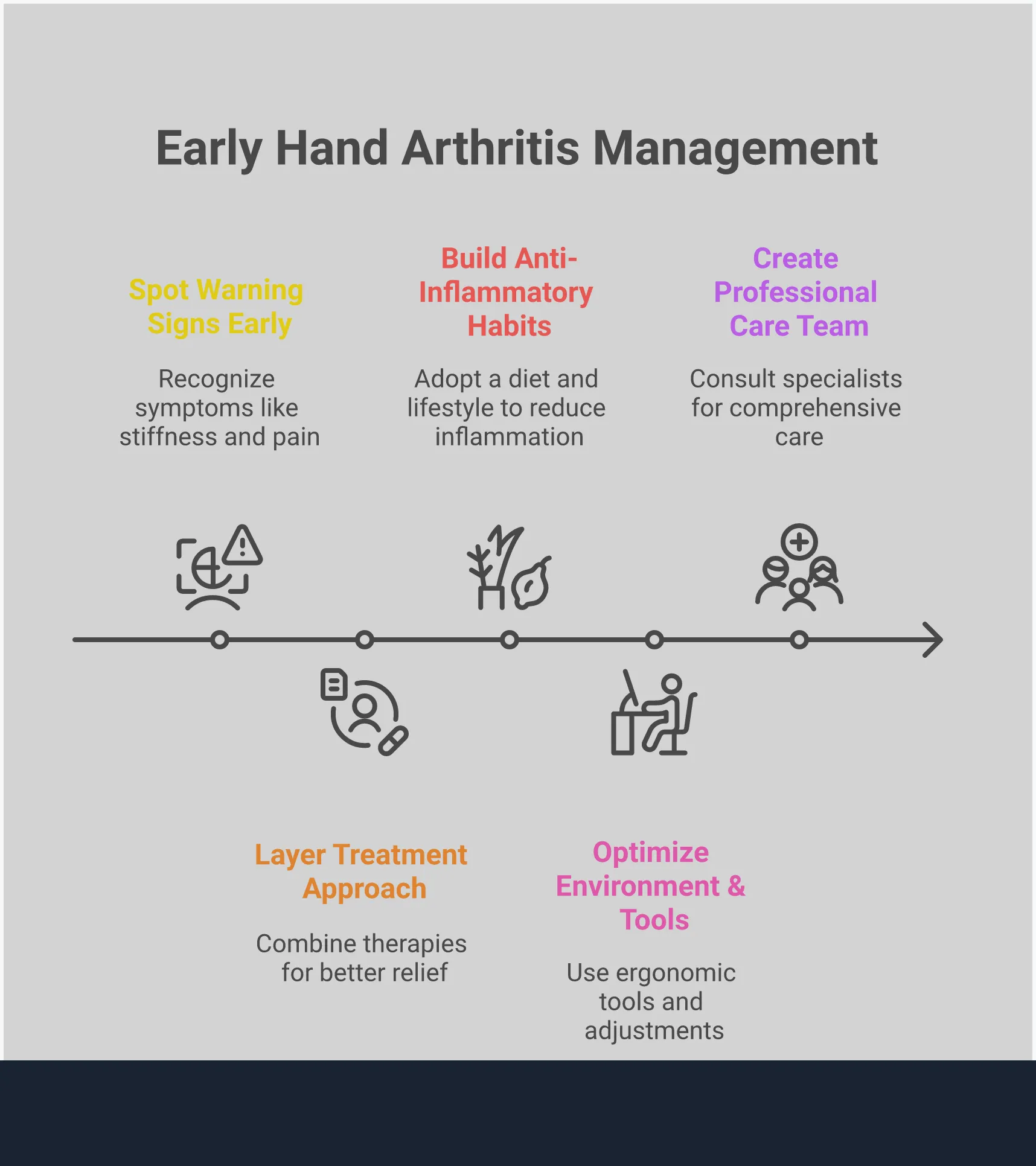
By focusing on gentle movement, nourishing foods, and smart daily habits, you can build a supportive routine that works alongside any professional care you receive. These changes help address the root causes of discomfort, like inflammation and joint stress, creating a holistic approach to your well-being. This proactive stance is fundamental to living well with arthritis. Combining these strategies with targeted, non-invasive treatments like light therapy can create a comprehensive plan for long-term pain management and help you feel more in control of your health journey, allowing you to focus on what truly matters.
Gentle Exercises and Stretches for Your Hands
When your hands hurt, the last thing you might want to do is move them. But gentle, targeted movement is one of the best ways to maintain flexibility and fight stiffness. Think of it as a mini yoga session for your hands. Simple exercises, performed a few times a day, can help strengthen the muscles that support your joints and keep your fingers nimble. Focus on slow, controlled motions like making a soft fist and then slowly uncurling your fingers, or gently bending each finger one at a time toward your palm. The goal isn't to push through pain but to encourage a healthy range of motion. These hand exercises can be done while watching TV or sitting at your desk, making them easy to fit into your daily routine.
Adopting an Anti-Inflammatory Diet
The food you eat can either contribute to inflammation or help fight it. Adopting an anti-inflammatory diet is a powerful way to support your joints from the inside out. This approach focuses on whole, nutrient-dense foods that naturally reduce inflammation in the body. Fill your plate with colorful fruits and vegetables, whole grains like oats and quinoa, and lean proteins. Healthy fats are also your friend here—think avocados, nuts, and fatty fish like salmon, which are rich in omega-3 fatty acids. At the same time, try to limit processed foods, sugary drinks, and excessive red meat, as these can trigger an inflammatory response. You don’t have to overhaul your diet overnight; start by making small, sustainable swaps that feel good for your body.
The Role of Weight and Stress Management
Your overall well-being plays a significant role in managing arthritis symptoms. Maintaining a healthy weight is important because extra pounds put more stress on all your joints, including those in your hands. Even a modest amount of weight loss can make a noticeable difference in your pain levels and daily comfort. Similarly, managing stress is crucial. When you’re stressed, your body releases hormones that can amplify inflammation and make you more sensitive to pain. Finding healthy ways to unwind, whether it’s through deep breathing, a walk in nature, or a favorite hobby, is a key part of your preventative wellness plan. Taking care of your mind is just as important as taking care of your body.
Helpful Tools and Ergonomic Adjustments
Working smarter, not harder, can save your hands from unnecessary strain. The world is full of helpful tools and ergonomic gadgets designed to make daily tasks easier. Simple things like an electric can opener, a rocker knife for chopping, or wide-grip pens can reduce the pressure on your joints. You can also wear supportive splints or compression gloves to stabilize your joints and lessen pain during activities. Take a look at your daily environment and see where you can make small changes. Adjusting your keyboard for better wrist alignment or using tools with larger handles can prevent flare-ups and protect your hands over the long term. These assistive devices are all about making your life easier and more comfortable.
How Does Light Therapy Work for Hand Arthritis?
If you’re looking for a treatment that works with your body instead of against it, light therapy is an incredible option. This non-invasive approach uses the power of light to address pain and inflammation at the source, helping your hands feel and function better without drugs or surgery. It’s a gentle yet powerful way to get relief and support your body’s natural healing abilities.
At Laser Lab Therapy, we specialize in using targeted light frequencies to provide effective pain management for conditions like hand arthritis. The goal is to reduce your symptoms and improve your quality of life, allowing you to get back to the activities you love with less discomfort. Instead of just masking the problem, we aim to help your body heal from within, offering a path to long-term relief that you can feel good about.
The Science of Low-Level Laser Therapy
When you hear "laser," you might picture something from a science fiction movie, but this is completely different. Low-level laser therapy (LLLT), also known as photobiomodulation, uses specific wavelengths of light that are gentle enough to work on a cellular level. This light penetrates through your skin without any pain or heat and is absorbed by your cells.
This process gives your cells the energy they need to repair themselves more efficiently. Think of it like jump-starting a tired battery. The light stimulates cellular activity, which in turn helps reduce pain signals, decrease inflammation, and accelerate tissue repair right where you need it most—in the joints of your hands.
Reducing Inflammation and Promoting Healing Naturally
One of the main culprits behind arthritis pain is chronic inflammation. Light therapy directly targets this issue. The light energy helps improve circulation in the affected area, allowing more oxygen and nutrients to reach the tissues while carrying away inflammatory byproducts. This process helps calm the inflammation that causes swelling, stiffness, and aching in your hands.
Instead of just masking the pain, this therapy encourages your body’s own healing mechanisms to kick in. It’s a way to facilitate natural repair, helping your joints recover and function better over time. By addressing the underlying inflammation, you can experience lasting relief and a genuine improvement in your hand mobility and strength.
What to Expect from a Treatment Session
A light therapy session is a simple and relaxing experience. You’ll sit comfortably while a device delivering the therapeutic light is placed over your hands. You won’t feel any pain, heat, or vibration—just a gentle, soothing sensation. Each session is relatively quick, and because the treatment is completely non-invasive, there is absolutely no downtime.
You can walk out of your appointment and get right back to your day without any restrictions. There are no systemic side effects, making it a safe option for nearly everyone, including those who can't tolerate pain medications. If you're curious about what a session is like, feel free to contact our team to learn more.
Create Your Personalized Hand Arthritis Plan
Finding relief from hand arthritis is less about searching for a single magic bullet and more about building a smart, sustainable plan that fits your life. Since everyone experiences arthritis differently, your approach should be just as unique as you are. A personalized plan empowers you to combine the best of different strategies—from lifestyle adjustments to professional treatments—to manage your symptoms effectively.
The goal is to create a routine that not only reduces pain and stiffness but also helps you get back to the activities you love. This involves layering different methods, working closely with professionals who understand your goals, and paying attention to what your body tells you. By taking an active role in your care, you can build a comprehensive strategy that addresses your specific needs, helping you maintain hand function and improve your overall quality of life. It’s about finding the right combination of tools to help you feel and move better.
Combine Different Treatment Methods
The most effective arthritis plans often use a multi-layered approach. Think of it as building a toolkit for your hands—relying on just one tool isn’t nearly as effective as having several at your disposal. You might combine gentle hand exercises with an anti-inflammatory diet, for example. Adding a non-invasive treatment like light therapy can significantly enhance your results. Deep tissue laser therapy is a safe, drug-free way to reduce pain and inflammation directly at the source, helping your body’s natural healing processes. By integrating different methods, you can address your symptoms from multiple angles for more complete and lasting pain management.
Work with Your Healthcare Team
You don’t have to figure this all out on your own. Creating a solid plan works best when you have a team of professionals in your corner. Your primary doctor, a physical or occupational therapist, and the specialists at Laser Lab Therapy can all provide valuable guidance. They can help you understand your specific type of arthritis, recommend safe exercises, and ensure your treatment plan is right for you. Open communication is key. When your team understands your goals—whether it’s gardening without pain or simply buttoning a shirt more easily—they can help you build a plan to get there. Our team is here to work alongside your other providers to integrate light therapy safely and effectively.
Track Your Progress and Adjust as Needed
Your hand arthritis plan shouldn’t be set in stone. Your body is dynamic, and your needs may change over time. That’s why it’s so important to monitor your symptoms and be open to making adjustments. Consider keeping a simple journal to note your pain levels, stiffness, and which activities or treatments help the most. This information is incredibly valuable for you and your healthcare team. It allows you to see what’s working and what isn’t, so you can fine-tune your approach. A flexible plan ensures you’re always using the most effective strategies for your current needs. Ready to start building your plan? Contact us to schedule a consultation and see how light therapy can fit in.
Frequently Asked Questions
How do I know if my hand pain is serious enough to see a doctor? A good rule of thumb is to pay attention to persistence and impact. If your hand pain sticks around for more than a week or two without improving, or if it’s starting to interfere with simple daily tasks like buttoning a shirt or holding a pen, it’s time to get it checked out. You should also make an appointment if the pain is severe enough to wake you up at night or if you notice any visible changes to your joints.
Can arthritis in my hands be cured or reversed? While there is currently no cure that can reverse the joint damage caused by arthritis, there are many highly effective ways to manage the symptoms and slow its progression. The goal of a good treatment plan is to reduce pain, decrease inflammation, and maintain your hand function for years to come. By combining lifestyle adjustments with professional treatments, you can significantly improve your quality of life and stay active.
How many light therapy sessions will I need to feel a difference? The number of sessions needed varies from person to person, as it depends on the severity of your arthritis and how your body responds. Some people report feeling relief after just a few sessions, while for others with more chronic conditions, it may take a bit longer to notice significant changes. We create a personalized plan for you and will discuss what you can realistically expect during your initial consultation.
Will exercising my hands make the arthritis worse? This is a common concern, but gentle movement is actually one of the best things you can do for your hands. The key is to focus on slow, controlled exercises and stretches that don't cause sharp pain. This type of movement helps maintain your range of motion, reduces stiffness, and strengthens the muscles that support your joints. Pushing through severe pain is never the goal; instead, think of it as encouraging flexibility.
Is light therapy just a high-tech heating pad? That's a great question, but they work in very different ways. A heating pad provides temporary, surface-level relief by increasing blood flow and soothing stiff muscles. Light therapy, on the other hand, uses specific wavelengths of light that penetrate deep into your tissue to work at a cellular level. It actively reduces inflammation and gives your cells the energy they need to repair themselves, promoting genuine healing from within rather than just masking the symptoms.
Frequently Asked Questions
Is light therapy safe for athletes?

Yes, light therapy is completely safe and highly beneficial for athletes. It promotes faster muscle recovery, reduces inflammation, and supports performance without the risks of medication or downtime. That’s why professional and amateur athletes worldwide rely on it to train smarter and recover quicker.
How many sessions will I need?
The number of sessions varies depending on the type and severity of your condition. Many patients notice improvement after 3–5 sessions, while chronic conditions may require ongoing care for best results. During your initial consultation, we’ll design a personalized treatment schedule tailored to your body’s response and recovery goals.

Ready to Try Light Therapy for Recovery?