

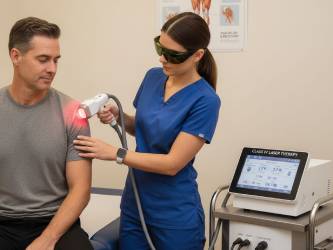
Red Light Therapy Session Cost: A Complete Guide
The market for at-home red light therapy devices is growing, promising the convenience of treatment in your own home. This often leads to a big question: is it more cost-effective to buy a device or to invest in professional sessions? While the idea of a one-time purchase is appealing, it’s important to compare the full picture. Professional sessions offer access to powerful, medical-grade technology that at-home devices simply can’t match. When you factor in a clinic membership, the red light therapy session cost can become surprisingly affordable, often providing far more value and better results than a pricey home panel. This guide will help you weigh the financial pros and cons of each option, so you can decide which path makes the most sense for your goals and your wallet.
Key Takeaways
- Plan for consistency to manage costs: The price of red light therapy depends on your location and the clinic's technology. Since results require multiple visits, consider packages or memberships to make your wellness routine more affordable than paying for each session individually.
- Match the treatment setting to your goal: Professional sessions are best for targeting specific issues like chronic pain with powerful, medical-grade technology. At-home devices are less potent and work better for general wellness maintenance or as a supplement to clinical care.
- Make a smart investment by choosing a quality provider: The effectiveness of your treatment depends on the provider's expertise and their equipment. Look for a clinic that uses FDA-cleared technology and can create a personalized plan to help you safely reach your goals.
What Is Red Light Therapy?
If you're looking for a natural, non-invasive way to support your body, red light therapy is a fantastic option to know about. It’s a simple, gentle treatment that uses specific wavelengths of red and near-infrared light to help your body’s own healing processes. You might also hear it called photobiomodulation or low-level laser therapy, but the idea is the same: using light to help you feel and move better.
Unlike sunlight, which contains UV rays, red light therapy is targeted and safe for your skin. It’s a drug-free approach that can be used for everything from soothing chronic aches to speeding up muscle recovery after a tough workout. At its core, it’s about working with your body, not against it. By supporting your cells from the inside out, this therapy helps address the root cause of issues like inflammation and pain, making it a cornerstone of holistic health. It’s a way to give your body the tools it needs to repair and rejuvenate itself without resorting to surgery or heavy medications.
How Does It Actually Work?
It might sound complex, but the science behind red light therapy is pretty straightforward. The therapy uses light at specific wavelengths, usually between 630 and 700 nanometers, that can penetrate through your skin. Once absorbed, this light gives your cells’ mitochondria a little nudge. Think of mitochondria as the tiny power plants inside every cell in your body. The red light helps them produce more energy, which in turn helps your cells repair themselves, grow, and work more efficiently. It’s like giving your cells a fresh battery charge so they can get back to doing their job right.
The Benefits: Pain Relief, Recovery, and Wellness
So, what does all that extra cellular energy do for you? The benefits are widespread and align perfectly with a holistic approach to health. For starters, it’s a game-changer for pain management. The therapy helps reduce inflammation and swelling, offering relief from conditions like arthritis and general muscle soreness. It also encourages your body to release its own natural pain relievers. For active individuals, it’s an incredible tool for performance recovery, helping muscles repair faster and reducing downtime. Beyond that, it’s a powerful method for preventative wellness, improving skin health by reducing the appearance of wrinkles and scars and supporting your body’s overall resilience.
How Much Does Red Light Therapy Cost?
Let’s talk about one of the most common questions we hear: What is the price of red light therapy? Thinking about the cost is a practical and important step when you’re investing in your health. The price can vary quite a bit, but it’s more accessible than you might think. The final cost depends on a few things, like where you live, the specific technology used in the clinic, and how you decide to pay for your sessions. It's not a one-size-fits-all answer, and that's actually a good thing because it means you have options.
Most clinics offer different payment structures to fit your unique needs, whether you’re looking for targeted pain management for a recent injury or consistent wellness support to feel your best every day. You can usually choose to pay per session, buy a package of multiple sessions at a discount, or sign up for a membership for the best overall value. Understanding these different paths will help you find a plan that fits your budget and supports your health goals without any surprises. In the sections below, we’ll break down what you can expect to pay for each option so you can make a clear and confident decision about what’s right for you. We believe that financial clarity is a key part of feeling good about your wellness choices.
What to Expect to Pay Per Session
If you’re new to red light therapy and want to try it out, paying for a single session is a great way to start. On average, you can expect a single session to cost anywhere from $25 to $200. The national average sits around $55 per session, which gives you a general idea of what to budget for. This price point allows you to experience the treatment and see how your body responds without a long-term commitment. It’s a straightforward way to get started on your wellness journey and feel the benefits for yourself before deciding on a more regular plan.
How Often You Go Affects What You Pay
Red light therapy delivers the best results with consistency. For most goals, like reducing chronic inflammation or speeding up muscle recovery, you’ll likely need to come in two to three times a week for several weeks. Because of this, paying per session can add up quickly. To make consistent care more affordable, many providers offer session packages or monthly memberships. A package of 5 to 10 sessions might cost between $100 and $300, while our memberships can offer even greater value for regular visits. These plans are designed to make your long-term health goals much more attainable and budget-friendly.
What Factors Change the Price?
When you start looking into red light therapy, you'll notice that session prices can vary quite a bit. It’s not just random; several key factors influence the cost. Understanding what you’re paying for helps you find the right fit for your budget and your wellness goals. From the clinic’s location to the type of device they use, each element plays a part in the final price tag. Let's break down the four main factors that determine the cost of a professional red light therapy session.
Your Location
Just like a cup of coffee costs more in a big city, the price of a red light therapy session often depends on your geographical location. The cost of living and running a business in a particular area directly impacts pricing. A session in a major metropolitan area might be on the higher end of the spectrum, while a clinic in a smaller town could offer more accessible rates. National averages for a single session typically range from $25 to over $200, so it's helpful to research what local clinics in your area are charging to get a realistic idea of what to expect.
The Size of the Treatment Area
The scope of your session is a major factor in its cost. Treating a small, specific area like a sore knee or an aching shoulder requires less time and machine use than a full-body treatment. Many people seek targeted pain management for a single joint or muscle, which is often priced lower. On the other hand, if you're looking for systemic benefits like reduced inflammation, improved circulation, or enhanced athletic recovery, a session in a full-body bed will cover a much larger area and naturally come with a higher price. Think of it as the difference between a spot treatment and a complete overhaul.
The Technology Behind the Light
Not all red light therapy devices are created equal, and the quality of the technology plays a significant role in pricing. A clinic that invests in medical-grade, high-output LED beds or panels will likely charge more than a spa using a small, handheld device. Advanced systems deliver specific, proven wavelengths of light at an optimal power density, which is crucial for achieving real results. When you choose a provider, you're paying for the effectiveness of their equipment. Professional-grade technology ensures you get a therapeutic dose of light for better and faster outcomes, making it a worthwhile investment in your wellness.
The Provider's Expertise
You aren't just paying to use a machine; you're also paying for the knowledge and guidance of the professionals at the clinic. A facility with a highly trained team can offer personalized treatment plans tailored to your specific needs, whether for injury recovery or general health. Their expertise ensures the therapy is applied safely and effectively, and they can answer your questions and adjust protocols as you progress. Reputable providers who are known for delivering consistent results often have pricing that reflects their level of service and care. This expert guidance is a key part of what makes professional sessions so valuable.
Single Sessions vs. Packages vs. Memberships
When you start looking into red light therapy, you'll find that clinics usually offer a few different ways to pay. Think of it like a gym membership: you can drop in for a single class, buy a 10-class pass, or get an unlimited monthly membership. Each option is designed for a different level of commitment and different goals. Choosing the right one depends on what you want to achieve, whether it's quick relief from a minor injury or long-term management of a chronic condition.
Since the benefits of red light therapy build over time, consistency is really the name of the game. While a single session can certainly provide temporary relief and a sense of well-being, the real magic happens with repeated exposure. The light works at a cellular level to reduce inflammation, repair tissue, and improve circulation, and these processes take time. A series of treatments is what creates lasting change and helps you reach your health objectives. Understanding the different payment options helps you create a sustainable plan that aligns with your body's needs and your budget. Let's break down the pros and cons of each payment structure so you can find the best fit.
Paying Per Session
Paying for one session at a time is a great way to dip your toes in the water. If you're curious about red light therapy and just want to see what it's like, this is your best bet. A single session can also be helpful for addressing an acute issue, like muscle soreness after a tough workout. Prices typically range from $25 to over $100, depending on the clinic and the type of treatment. While it’s the most straightforward option, it’s also the most expensive on a per-visit basis. Think of it as a trial run before you commit to a full treatment plan for something more involved like chronic pain management.
Buying a Package of Sessions
If you have a specific, short-term goal in mind, buying a package of sessions is a smart middle ground. This is perfect if you're recovering from an injury or want to prepare for an athletic event. Clinics often sell packages of 5 to 10 sessions at a discounted rate, which brings your per-session cost down significantly compared to paying one by one. It gives you the structure to stay consistent for a set period without the commitment of a monthly membership. This approach ensures you get the cumulative benefits needed for effective performance recovery while saving some money in the process.
Why a Membership Offers the Best Value
For anyone serious about long-term health, a membership is almost always the most cost-effective choice. If you're managing a chronic condition, focusing on preventative wellness, or simply want to make red light therapy a regular part of your routine, this is the way to go. With monthly fees often ranging from $100 to $250, the cost per session can drop dramatically, especially if you go multiple times a week. Our memberships are designed to make consistent care accessible, allowing you to get the frequent treatments you need to see and feel a real difference without breaking the bank.
Is Red Light Therapy Covered by Insurance?
This is one of the most common questions people have when considering red light therapy, and it’s a practical one. Understanding how payment works helps you plan your path to wellness without any financial surprises. Let's break down what to expect when it comes to insurance and how you can manage the cost.
Understanding Insurance Coverage
The straightforward answer is that red light therapy is usually not covered by insurance. Most insurance companies classify it as an elective or wellness treatment rather than a medically necessary procedure, even when it's used for chronic pain management. While there are rare exceptions where a doctor's prescription might lead to partial coverage for a specific condition, it’s not something to count on. It's always a good idea to check with your insurance provider, but it's best to approach this process assuming you'll be paying out-of-pocket. This way, you can focus on finding a plan that fits your budget without waiting for an approval that likely won't come.
Ways to Manage Out-of-Pocket Costs
Just because insurance doesn't typically cover it doesn't mean red light therapy is out of reach. Since consistency is the key to getting real, lasting results, most people need a series of sessions. Providers understand this, which is why many offer ways to make ongoing care more affordable. Instead of paying per visit, look into packages or memberships. Buying a bundle of sessions or signing up for a membership almost always brings the per-session cost down significantly. This is the most budget-friendly way to commit to your health goals, whether you're focused on performance recovery or long-term wellness. Think of it as an investment in feeling and moving better for the long haul.
At-Home Red Light Therapy Devices: Are They Worth It?
As red light therapy becomes more popular, you’ve probably seen at-home devices popping up everywhere, from handheld wands to full-body panels. It’s tempting to think about getting those benefits from the comfort of your own home, and for some people, it can be a good option. The big question is whether an at-home device is a worthwhile investment compared to professional sessions. The answer really comes down to your goals, your budget, and the results you’re hoping to achieve.
The main difference between at-home devices and the technology we use at Laser Lab Therapy is power, precision, and coverage. While home devices can offer a convenient way to get a dose of red light, they generally operate at a much lower intensity. This means they may not penetrate deep enough to address underlying issues related to chronic pain management or significant inflammation. Professional treatments use medical-grade equipment to deliver specific, calibrated wavelengths at an optimal power level, ensuring the light reaches the targeted tissues effectively. Let’s break down the different types of at-home devices to see what you’re really getting at each price point.
Entry-Level Devices
When you see red light therapy devices for under a few hundred dollars, you’re typically looking at entry-level options. These are usually small, handheld wands or compact panels designed for very targeted use. According to research from Brown University, you can find some of these for as little as $50. They might be useful if you want to focus on a very small area, like a single sore joint or a specific spot on your face. However, their low power and small size make them impractical for anything more, like addressing back pain or supporting overall preventative wellness. Think of them as a flashlight when what you might really need is a floodlight.
Mid-Range Panels
Moving up in price, you’ll find mid-range panels and flexible mats that can cost anywhere from several hundred to over $2,000. These devices offer greater coverage, allowing you to treat larger sections of your body at once. If you’re committed to daily, long-term use, the cost might seem reasonable compared to paying for individual professional sessions. The trade-off is still power and effectiveness. While stronger than entry-level gadgets, these panels don’t have the same intensity or specific light parameters as clinical systems. They can be a good supplement to professional care, but they may not provide the same deep therapeutic results on their own, especially for complex recovery needs.
Professional-Grade Systems
The equipment used in a dedicated clinic like Laser Lab Therapy is in a completely different category. These are medical-grade systems, and as one report notes, a machine like the Contour Light System can be a $40,000 medical device. This investment translates directly to the quality of your treatment. Professional systems deliver light at a much higher power density, which is essential for helping light energy penetrate deep into muscle tissue, joints, and nerves. This is what makes it so effective for significant performance recovery and chronic conditions. When you get a professional treatment, you’re not just paying for the light; you’re paying for powerful, precise technology and the expertise to ensure it’s applied correctly for your specific goals.
In-Clinic vs. At-Home: Which Makes More Financial Sense?
Deciding between professional red light therapy sessions and buying an at-home device can feel like a tough choice. On one hand, professional clinics offer powerful, medical-grade technology and expert guidance. On the other, an at-home device promises convenience and could seem cheaper in the long run. So, which path offers the best return on your investment? The answer really depends on your specific goals, your budget, and how you plan to use the therapy.
Think of it this way: are you trying to fix a specific, pressing issue, or are you looking for a general wellness tool to add to your routine? Professional sessions are designed to deliver targeted, high-intensity treatments that produce noticeable results for things like chronic pain or injury recovery. At-home devices are typically less powerful and better suited for maintenance or overall wellness. While the upfront cost of a device can be high, a clinic membership often provides the best of both worlds, giving you access to top-tier equipment and professional oversight for a predictable monthly fee, which can be far more cost-effective than paying per session.
When to Invest in Professional Sessions
If you’re dealing with a specific health concern like chronic pain, arthritis, or a sports injury, investing in professional sessions is almost always the right move. In a clinical setting, you get access to powerful, FDA-cleared equipment that is far more potent than anything you can buy for home use. A single session can cost anywhere from $50 to $200, but you’re paying for results.
An expert can assess your condition and create a personalized treatment plan, ensuring the right dosage and frequency for your needs. Since effective pain management often requires multiple treatments per week, this guidance is invaluable. Going to a professional ensures you’re using the therapy safely and effectively to achieve your goals, rather than just guessing at home.
When an At-Home Device Is the Smarter Choice
An at-home device can be a smart choice if your main goal is general wellness, skin health, or maintaining results after completing a professional treatment plan. If you plan to use red light therapy consistently for the long haul, the cost of a device, which can range from $100 to over $2,000, may eventually be less than years of individual sessions. The biggest benefit is convenience; you can use it whenever you want without leaving your house.
However, it’s important to be realistic. At-home devices are less powerful, and the responsibility for consistent and correct use falls entirely on you. They are best for supporting a preventative wellness routine rather than treating acute or chronic conditions. If you go this route, think of it as a supplement to, not a replacement for, professional-grade care.
Is Red Light Therapy Safe? What to Know Before You Go
When you hear the word "laser," it’s natural to wonder about safety. The good news is that red light therapy is widely considered safe, gentle, and non-invasive. Unlike ultraviolet (UV) light from the sun or tanning beds, the specific wavelengths used in red light therapy don't damage your skin. It’s a key reason why so many people use it for everything from pain management to performance recovery.
That said, safety always comes first. Like any treatment, there are important guidelines to follow to ensure you have the best and safest experience possible. Working with a trained professional is the easiest way to make sure all safety protocols are handled for you. A qualified provider understands the science behind the light and customizes the treatment to your specific needs, taking any guesswork out of the equation. Knowing what to expect will help you feel confident and comfortable as you get started.
Potential Side Effects (and How to Avoid Them)
Side effects from red light therapy are uncommon and typically very mild. When they do happen, it’s usually because the skin was exposed for too long or at an intensity that was too high. This can sometimes lead to temporary redness, tightness, or swelling in the treated area. Think of it like overdoing a workout; your body is telling you it was a little too much, too soon.
The best way to avoid these issues is to have your sessions done by a professional. A trained technician knows exactly how to calibrate the equipment for your skin type and treatment goals, ensuring you get an effective dose without overexposure. They monitor your session to keep you safe and comfortable from start to finish.
Protecting Your Eyes
Your eyes are sensitive, and the LED lights used in therapy are very bright. While the light itself isn't inherently damaging in the same way UV light is, direct, prolonged exposure is not recommended. Because of this, proper eye protection is an absolute must during any red light therapy session.
Any reputable clinic will provide you with certified blackout goggles to wear during your treatment. This is a non-negotiable safety step. At-home devices should also come with eye protection. Never look directly into the lights, and always wear the provided safety eyewear to protect your vision. It’s a simple step that ensures your sessions are both effective and completely safe.
When to Talk to a Professional First
While red light therapy is safe for most people, it’s always a smart move to chat with your doctor before starting any new health regimen. This is especially important if you have pre-existing conditions, are pregnant, or have specific health concerns. For example, if you have a history of skin or eye-related health issues, getting a green light from your doctor is a crucial first step.
A professional therapy provider will also be able to answer your questions. At Laser Lab, our team is here to help you understand the process and determine if it’s the right fit for your wellness goals. You can always reach out to us to discuss your situation. Open communication between you, your doctor, and your therapy provider ensures you get the best care possible.
Common Myths About Red Light Therapy Costs
When you're exploring a new wellness treatment, cost is always a big question. With red light therapy, there's a lot of information out there, and some of it can be misleading. Let's clear up a few common myths about what you should expect to pay. Understanding the truth behind the price tag will help you make a smart investment in your health, whether you're seeking pain relief or a way to improve your overall wellness.
Myth #1: "One Session Is All You Need"
It would be amazing if one 20-minute session could undo years of chronic pain, but that’s just not how red light therapy works. Think of it like exercise: you feel good after one workout, but real change happens with consistency. The cellular-level healing that RLT stimulates takes time. To achieve lasting results for goals like pain management or injury recovery, you’ll likely need a series of sessions, often two to three times a week for several weeks. This cumulative effect is what leads to reduced inflammation and tissue repair. That’s why most clinics offer packages or memberships, making it more affordable to stick with a plan that will actually get you the results you want.
Myth #2: "At-Home Devices Are Always Cheaper"
The market for at-home red light therapy devices has exploded, and it’s easy to see the appeal. If you plan on using it very frequently for the long haul, buying your own device might seem like the most economical path. However, the idea that it's always cheaper is a bit of a stretch. Entry-level devices can be inexpensive, but they often lack the power and coverage to be truly effective. Professional-grade systems, like the ones used in a clinic, are significantly more powerful and deliver a precise, therapeutic dose of light energy. A high-quality home panel can cost thousands, so the upfront investment is steep. You're paying for professional technology and guided care, not just access to a light.
Myth #3: "A Cheaper Session Is Just as Good"
When you see a wide range of prices for a single session, it’s tempting to go for the cheapest option. But with red light therapy, a lower price tag can often mean a lower-quality treatment. The cost of a session is influenced by several factors: the power and medical-grade quality of the machine, the duration of the session, and the expertise of the provider. A $40 session might use a less powerful device or only last for a few minutes, which isn't enough time to deliver a therapeutic dose of light. When you invest in a session at a dedicated clinic, you're paying for a treatment designed for maximum effectiveness and safety. Our team is focused on providing top-tier, holistic care to ensure you get the best possible outcome.
Getting the Most from Your Red Light Therapy Investment
Red light therapy is more than just a treatment; it’s an investment in your long-term health. To make sure you get the best possible return on that investment, it helps to be strategic. The key to seeing real, lasting results lies in consistency. A single session might feel good, but a regular routine is what truly creates change, whether you’re seeking pain management or faster muscle recovery.
Making smart choices from the start will help you achieve your goals more effectively and affordably. This means finding a plan that fits your lifestyle and budget, choosing a provider you can trust, and knowing what to ask before you even step into the treatment room. By thinking through these elements, you can create a red light therapy plan that delivers the powerful, healing results you’re looking for. It’s all about setting yourself up for success so you can feel and move better for years to come.
Pick the Right Plan for Your Goals
The best red light therapy plan is the one designed around you. Your goals will determine the frequency and duration of your sessions. If you’re dealing with an acute injury, you might need a different schedule than someone focused on preventative wellness. While a single session is a great way to experience the therapy, consistent treatments are necessary to achieve meaningful results. For most conditions, this means starting with two to three sessions per week.
Because consistency is so important, paying per session can add up quickly. This is why packages and memberships often provide the best value. A package of sessions can lower the per-visit cost, but a membership is usually the most cost-effective option for anyone committed to long-term health goals. It makes regular visits more affordable and encourages you to stick with your routine.
Find a Quality Provider
Where you go for your therapy matters just as much as how often you go. Not all red light therapy equipment is created equal. Look for a provider that uses medical-grade, FDA-cleared devices. This is a critical distinction, as an FDA clearance means the technology has been proven safe and effective for its intended use. This is different from devices that are simply "FDA-registered," which doesn't carry the same level of validation.
Beyond the technology, the expertise of the staff is essential. A qualified provider will understand the science behind light therapy and can help tailor a treatment plan specifically for you. They can guide you on the optimal frequency and duration to address your unique needs, ensuring you get the most out of every session. Learning about a clinic's team and their approach can give you confidence that you're in good hands.
Questions to Ask Before You Book
Before you commit to a plan, it’s wise to have a conversation with the provider. A great clinic will be happy to answer your questions and make sure you feel comfortable. First, always check with your doctor before starting any new therapy, especially if you have a history of skin conditions or other serious health concerns.
Once you’re ready to speak with a provider, here are a few things you can ask:
- What type of technology do you use, and is it FDA-cleared?
- What is your experience helping people with my specific goals (e.g., arthritis, athletic recovery, etc.)?
- What does a typical treatment plan look like for someone like me?
- Do you offer consultations to discuss my goals?
Asking these questions helps you make an informed decision and find a partner in your health journey. Don't hesitate to reach out and start the conversation.
Frequently Asked Questions
How many sessions will I need before I feel a difference? This is a great question, and the honest answer is that it depends on your body and your goals. For acute issues like muscle soreness after a workout, you might feel relief after just one session. For more chronic conditions like persistent joint pain, the benefits are cumulative. Most people start to notice a real shift after a few weeks of consistent treatments, typically coming in two to three times per week. The therapy works by supporting your body's natural healing process, and that takes a little time.
What does a red light therapy session actually feel like? It’s surprisingly relaxing. During a session, you’ll lie comfortably in one of our treatment beds. You won't feel any pain or discomfort at all. The most you’ll likely experience is a gentle, soothing warmth in the treatment area. Many of our clients find it to be a very peaceful and meditative experience. It’s a great opportunity to close your eyes, take a few deep breaths, and enjoy a quiet moment for yourself while the light does its work.
Is this the same as the red light I see in an infrared sauna? That's a common point of confusion, but they are quite different. While both use light, they have different purposes and technologies. The lights in an infrared sauna are designed primarily to generate heat to warm your body from the inside out. Red light therapy, or photobiomodulation, uses very specific, concentrated wavelengths of red and near-infrared light that are clinically proven to stimulate energy production within your cells. It’s a targeted therapeutic treatment, not just a source of warmth.
Can I use my HSA or FSA to pay for treatments? In many cases, yes. While red light therapy is not typically covered by standard insurance, you can often use your Health Savings Account (HSA) or Flexible Spending Account (FSA) to pay for sessions. This is especially true if you obtain a Letter of Medical Necessity from your doctor for a specific condition like chronic pain or arthritis. We recommend checking with your plan administrator to confirm the details of your coverage.
Why should I choose professional sessions over just buying a powerful at-home device? While a high-quality home device can be a good tool for general wellness, professional sessions offer a few key advantages. First, our medical-grade equipment is significantly more powerful and provides full-body coverage, ensuring a therapeutic dose of light reaches deep into tissues and joints. Second, you get a personalized treatment plan from a trained professional. We tailor the session frequency and duration to your specific goals, taking the guesswork out of the process and ensuring you get the safest, most effective results.
Frequently Asked Questions
Is light therapy safe for athletes?

Yes, light therapy is completely safe and highly beneficial for athletes. It promotes faster muscle recovery, reduces inflammation, and supports performance without the risks of medication or downtime. That’s why professional and amateur athletes worldwide rely on it to train smarter and recover quicker.
How many sessions will I need?
The number of sessions varies depending on the type and severity of your condition. Many patients notice improvement after 3–5 sessions, while chronic conditions may require ongoing care for best results. During your initial consultation, we’ll design a personalized treatment schedule tailored to your body’s response and recovery goals.

Ready to Try Light Therapy for Recovery?