


Red Light Therapy for Arthritis in Hands: A Guide
The idea that light can heal your joints might sound a little futuristic, but the science behind it is surprisingly straightforward. Think of the cells in your body as tiny engines. When you have arthritis, inflammation and damage can cause these engines to run low on energy. They can’t repair themselves effectively, leading to chronic pain and stiffness. Red light therapy for arthritis in hands acts like a cellular tune-up. Specific wavelengths of light penetrate your skin to reach the joints, giving your cells the energy boost they need to reduce inflammation, improve circulation, and get back to the work of healing.
Key Takeaways
- Go beyond masking pain: Red light therapy works at a cellular level to reduce inflammation and help your body heal, providing a safe, drug-free alternative for managing arthritis.
- Make consistency your goal: The most significant benefits come from a regular routine, so integrate your sessions into your daily life for long-term relief from stiffness and pain.
- Choose the right tool for the job: Decide between powerful, professional-grade treatments for targeted care and convenient at-home devices for daily maintenance based on your lifestyle and wellness goals.
How Does Red Light Therapy Help Hand Arthritis?
If you're dealing with the daily ache and stiffness of hand arthritis, you’ve probably tried a lot of things for relief. Red light therapy might sound futuristic, but it’s a straightforward, science-backed approach that works with your body’s natural healing processes. Instead of just masking pain, it gets to the cellular level to reduce inflammation and support tissue repair right where you need it—in the joints of your hands and fingers. It’s a gentle way to manage symptoms without resorting to heavy medications or invasive procedures. Let's break down exactly how it works.
The Science Explained
So, how can light possibly help your joints? Think of your body’s cells like tiny batteries. Over time, and especially with conditions like arthritis, these batteries can run low on energy. Red light therapy uses specific, safe wavelengths of light that penetrate your skin and are absorbed by the mitochondria—the powerhouses—inside your cells. This absorption gives them a serious energy charge, helping them produce more of what’s called ATP, the fuel your cells use for everything they do. With this extra energy, your cells can get to work repairing damage and functioning at their best, which is key for long-term preventative wellness.
Targeting Pain and Stiffness at the Source
When your hands are stiff and painful, it’s because of inflammation in the joints. Red light therapy helps calm that inflammation directly. By improving circulation and giving cells the energy they need to repair themselves, it helps reduce the swelling and irritation that cause so much discomfort. This isn’t like taking a painkiller that temporarily blocks pain signals; it’s about addressing the underlying issue. This process helps restore function and flexibility to your hands, making daily tasks easier. It’s a safe, drug-free method for effective pain management that supports your body’s ability to heal from the inside out, without any known harmful side effects.
The Right Wavelengths for Joint Relief
Not just any light will do the trick—the specific wavelength is crucial for getting results. For hand arthritis, a combination of red and near-infrared light is most effective. Red light, typically around the 660nm wavelength, is great for skin-level and superficial tissue repair. But to reach the deeper joint tissues in your hands, you need near-infrared light, usually around 850nm. This longer wavelength can penetrate further to target inflammation deep within the joints, providing a gentle, soothing warmth as it works. At Laser Lab, we use advanced, professional-grade equipment to deliver these precise wavelengths, ensuring the light energy reaches exactly where it’s needed most. You can learn more about our approach to care.
Why Choose Red Light Therapy for Your Hands?
When you’re dealing with the daily ache and stiffness of hand arthritis, finding relief that fits your life is everything. You want something that works without disrupting your routine or introducing unwanted side effects. Red light therapy is a compelling option because it addresses the root causes of discomfort—inflammation and poor circulation—in a gentle, non-invasive way. It’s a modern approach to wellness that works with your body, not against it, helping you get back to the activities you love with less pain.
Gentle, Non-Invasive Pain Relief
If the thought of invasive procedures or a daily regimen of pills makes you hesitate, red light therapy offers a welcome alternative. This treatment provides a way to manage discomfort without needles, surgery, or medication. It’s a gentle process where specific wavelengths of light work on a cellular level to ease pain and inflammation. Research shows that red light therapy is a safe, side-effect-free method for addressing musculoskeletal conditions. It’s a straightforward approach to pain management that helps you feel better without the complications that can come with more aggressive treatments.
Reduce Swelling and Improve Circulation
One of the main reasons arthritis causes so much pain is inflammation, which leads to swelling and stiffness in the joints. Red light therapy directly targets this issue by improving circulation in your hands. The light energy encourages your blood vessels to widen, allowing more oxygen-rich blood to flow to the affected tissues. This enhanced blood flow helps flush out inflammatory substances and delivers essential nutrients that support healing. According to studies, this process can significantly reduce swelling and pain, helping to restore flexibility and function to your hands and fingers.
A Safe, Drug-Free Alternative
For many, the goal is to find a long-term solution for arthritis pain that doesn't rely on pharmaceuticals. Red light therapy is a powerful, drug-free tool that can be integrated into your wellness routine. It’s a non-toxic treatment that supports your body's natural healing processes without the risk of dependency or the side effects associated with long-term medication use. When used correctly, it’s considered very safe and can help heal not just muscle and joint tissue but also your skin. It’s a simple, effective way to take control of your hand health and invest in your long-term well-being.
What to Look For in a Red Light Therapy Device
If you’re ready to try red light therapy at home, you’ll find a lot of options out there. It can feel a bit overwhelming to sort through them all, but a little knowledge goes a long way. The right device for you will depend on your specific needs, lifestyle, and budget. Think of it like finding the perfect pair of running shoes—what works for one person might not be the best fit for another. To help you make a confident choice, let’s walk through the most important features to consider, from the science behind the light to the practical design of the device itself.
Key Features: Wavelengths and Light Tech
The most critical feature of any red light therapy device is the wavelength of light it emits. Think of wavelengths as specific "colors" of light that have different effects on your body. For arthritis, research consistently points to two power players: red light at around 660 nanometers (nm) and near-infrared light at around 850 nm. Red light is fantastic for targeting surface-level issues like skin health and circulation, while near-infrared light penetrates deeper to reach muscles, joints, and bones. A quality device for hand arthritis will use one or both of these clinically-proven wavelengths to effectively reduce inflammation and pain right where you need it.
Device Design and Coverage Area
When dealing with hand arthritis, you want a device that provides thorough coverage. The pain isn't usually in just one spot—it’s often in the knuckles, fingers, and wrist. Look for designs that are specifically made for hands, like gloves or flexible wraps. These ensure the light can reach all the small, intricate joints. A simple flat panel might not be as effective because it can’t contour to your hand’s shape. The goal is to get the light as close to the skin as possible for maximum absorption. A well-designed device makes it easy to treat your entire hand comfortably and effectively in one session.
Safety Certifications and Treatment Times
Your safety is always the top priority. The good news is that red light therapy is a very safe, non-invasive, and drug-free approach to pain relief with no known harmful side effects. To be extra sure you're getting a quality product, look for devices that are FDA-cleared as medical devices. This certification indicates that the device has been reviewed for safety and effectiveness. Most at-home sessions are also quick and convenient, typically lasting between 10 to 20 minutes. This makes it simple to build into your daily routine without it feeling like a chore.
Portability and Ease of Use
The best red light therapy device is the one you’ll use consistently. That’s why portability and user-friendliness are so important. Many modern devices are cordless and have rechargeable batteries, giving you the freedom to use them anywhere—whether you’re relaxing on the couch or sitting at your desk. A lightweight, easy-to-operate device removes any barriers to regular use. If fussing with an at-home device doesn’t sound appealing, you can always opt for professional-grade pain management treatments, which offer powerful, targeted therapy without you having to lift a finger.
Your Red Light Therapy Options for Hand Arthritis
When you're ready to try red light therapy for your hand arthritis, you'll find a few different paths you can take. From professional treatments that offer powerful, targeted care to a variety of at-home devices designed for convenience, there's an option that can fit your lifestyle and needs. Understanding the differences will help you make the best choice for managing your pain and getting back to the activities you love.
Professional-Grade Treatments at Laser Lab Therapy
For the most powerful and effective results, nothing beats a professional treatment. At a clinic like Laser Lab Therapy, you get access to medical-grade equipment that is much stronger than anything you can buy for home use. We use specific, proven wavelengths to ensure the light penetrates deep into your joints for maximum relief. As experts point out, many forms of red light therapy are simply more effective when done in a professional setting. Our team guides you through the entire process, creating a personalized pain management plan to address your specific symptoms and goals, ensuring you get the most out of every single session.
At-Home Relief with Red Light Therapy Gloves
If you're looking for a convenient way to supplement your professional treatments or manage daily stiffness, red light therapy gloves are a great option. These wearable devices are designed to slip on easily, delivering red and near-infrared light directly to your entire hand and fingers. Many models also include gentle heat to further soothe aching joints. They are designed to help relieve the pain and stiffness associated with conditions like osteoarthritis and rheumatoid arthritis. Using them can be a simple part of your daily self-care routine, perfect for relaxing at the end of the day while you watch TV or read a book.
Pinpoint Accuracy with Handheld Devices
For those times when pain is concentrated in a specific knuckle or joint, a handheld red light therapy device offers incredible precision. These compact wands or panels allow you to target the exact source of your discomfort. Because red light therapy works by directly treating the affected tissues, this focused approach can be very effective for localized joint pain. Handheld devices are portable and easy to use, making them a good choice for on-the-go relief. You can easily pack one in your bag to manage flare-ups wherever you are, giving you more control over your arthritis symptoms throughout the day.
All-Around Care with Flexible Wraps and Pads
Flexible red light therapy wraps and pads offer the best of both worlds: broad coverage and versatility. You can wrap them around your entire hand and wrist or lay them flat to treat both hands at once. This makes them a fantastic tool for addressing widespread inflammation and stiffness. One of the biggest benefits of this approach is its safety profile; it’s a non-invasive, drug-free method for pain relief with no known side effects. These devices aren't just for hands, either—you can use them on your knees, back, or shoulders, making them a great investment in your overall preventative wellness.
Comparing Your Options: Professional vs. At-Home
Once you’ve decided to try red light therapy for your hand arthritis, the next big question is where to get it. You can find at-home devices online, or you can visit a professional clinic for treatment. Both paths can lead to relief, but they offer very different experiences in terms of power, cost, and guidance. The right choice for you depends on the severity of your symptoms, your budget, and your lifestyle. Let's walk through the key differences to help you find the perfect fit for your hands.
Which Type Is Most Effective?
When it comes to effectiveness, the biggest difference between professional and at-home treatments is the power of the equipment. Professional clinics like Laser Lab Therapy use medical-grade, high-density LED devices that deliver more concentrated and precise light energy. This power can often lead to more noticeable results in fewer sessions, which is ideal when you're looking for serious relief.
That’s not to say at-home devices don’t work. Many people find significant relief using them consistently. In fact, one study found that LED therapy significantly reduced pain for patients with hand osteoarthritis, with no negative side effects. The key with at-home devices is consistency. While a professional treatment provides a powerful dose of light therapy, at-home results depend on your ability to stick to a regular routine.
Understanding the Costs and Value
Cost is often a major factor in this decision. At-home devices, like red light gloves or handheld wands, involve a one-time purchase that can range from under $100 to several hundred dollars. After that initial investment, you can use the device as often as you like at no extra cost. This can be an attractive option if you're on a tight budget.
Professional sessions have a per-visit cost, which can add up over time. However, the value comes from the professional-grade technology and expert oversight you receive. At Laser Lab Therapy, we offer memberships that make regular treatments more affordable, ensuring you get consistent, powerful care without the guesswork. It’s about investing in a guided process versus managing it on your own.
What Real Users Are Saying
Across the board, people using red light therapy for arthritis report positive results, but they almost always highlight one thing: consistency is crucial. As one user with hand arthritis shared, "Red light therapy helps reduce the swelling and keeps me off pain meds." This kind of life-changing relief is possible with both at-home and professional options, as long as you stick with it.
Many users find that they start to see noticeable improvements within a few weeks of regular sessions. Whether you choose the convenience of an at-home device or the power of professional treatments, building a routine is the most important step. The best approach is the one you can commit to for the long haul.
The Pros and Cons of Each Approach
Let’s break it down. Professional treatments offer powerful, targeted therapy that can provide faster, more significant relief. You also get a personalized plan from a trained professional who can adjust your treatment as needed. The main downsides are the cost and the need to schedule appointments.
At-home devices offer incredible convenience and a lower upfront cost. You can use them while watching TV or reading a book. However, these devices are less powerful, so results may take longer to appear. You’re also on your own, which means you have to manage your own treatment schedule and consistency. Both options are considered very safe, with few side effects compared to other pain management methods. Ultimately, the best choice is the one that aligns with your needs for guidance, power, and convenience.
Red Light Therapy for Arthritis: Myths vs. Facts
When you’re exploring new ways to manage arthritis pain, it’s easy to run into conflicting information. Red light therapy is a powerful tool, but it’s important to separate the facts from the fiction. Let’s clear up some of the most common myths so you can understand exactly what this therapy can do for your hands. By getting a clear picture, you can set realistic expectations and feel confident in your approach to finding relief.
Myth: It's a Complete Cure
It would be wonderful if there were a magic wand to make arthritis disappear completely. While red light therapy is incredibly effective, it’s not a cure. Arthritis is a chronic condition, and the goal of treatment is to manage symptoms and improve your quality of life. Think of red light therapy as a powerful tool in your pain management toolkit. It works by reducing inflammation, easing pain, and stimulating your body’s natural healing processes at a cellular level. So, while it won’t reverse arthritis, it can significantly reduce your daily pain and stiffness, helping you get back to the activities you love with greater comfort and mobility.
Myth: You'll See Results Instantly
Patience is key when it comes to red light therapy. While some people report feeling mild relief after their first session, it’s not an instant fix. The therapy works by stimulating cellular changes, like increased energy production and reduced inflammation, and these biological processes take time. You may feel some fast relief from pain, but the most significant and lasting results come from consistent treatment. Each session builds on the last, gradually repairing tissue and reducing symptoms over weeks. It’s a commitment to your body’s healing journey, not a quick patch for your pain. Sticking with a regular routine is the best way to achieve meaningful, long-term relief.
Myth: It's Unsafe or Damages Skin
This is a big one, so let’s be clear: red light therapy is very safe. It’s often confused with ultraviolet (UV) light from the sun or tanning beds, which can damage skin. However, red light therapy uses specific wavelengths of red and near-infrared light that are non-damaging. These wavelengths have been studied for decades and are proven to have an excellent safety profile with no known harmful side effects. It’s a completely non-invasive, drug-free, and gentle treatment. At Laser Lab Therapy, we are committed to providing safe and proven care, so you can feel confident knowing you’re supporting your body without introducing harsh chemicals or risks.
Myth: It Replaces All Other Treatments
Red light therapy is a fantastic addition to a wellness plan, but it’s not meant to replace all other forms of care. The best approach to managing arthritis is a holistic one. Red light therapy works beautifully alongside other healthy habits, such as gentle stretching, an anti-inflammatory diet, and any treatments recommended by your doctor. Because it has such mild side effects, it’s a solid option to integrate into your routine. Consider it a key part of your overall preventative wellness strategy, helping you manage symptoms naturally while you continue with the other practices that keep you feeling your best. Always keep your doctor in the loop about the different therapies you’re trying.
Creating Your Red Light Therapy Routine
Finding relief from hand arthritis is all about consistency. Just like any effective wellness practice, the benefits of red light therapy build over time. Creating a simple, sustainable routine is the best way to manage your symptoms and support your joint health for the long haul. The key is to make your sessions a non-negotiable part of your day, something you do for yourself without a second thought. Think of it as a daily investment in your comfort and mobility. By committing to a regular schedule, you give your hands the best chance to heal and feel better.
How Often and For How Long?
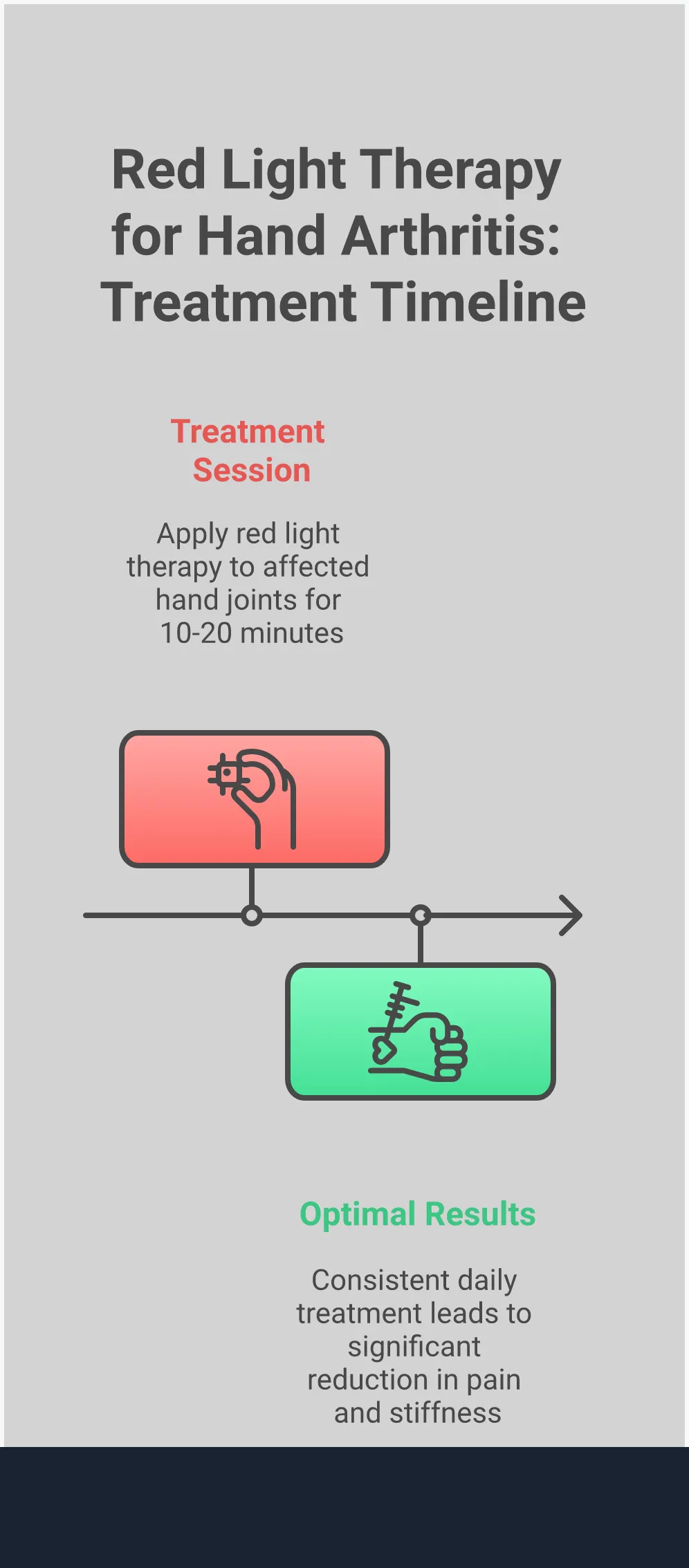
When you first start, aim for daily sessions lasting between 10 and 20 minutes. This frequency helps saturate the cells in your hands with light energy, kicking off the healing process and reducing inflammation. Many people find it helpful to use their device at the same time each day to build a solid habit. Once you begin to notice a real improvement in your pain and stiffness, you can often adjust your routine. At that point, you might scale back to three to five sessions per week for maintenance. This schedule helps maintain your results and keeps inflammation at bay. Remember, these are general guidelines, and the best routine is the one that works for your body and your pain management goals.
Tips for Staying Consistent
The secret to getting great results with red light therapy is sticking with it. It can take a few weeks to notice significant changes, so consistency is everything. The best way to stay on track is to weave your sessions into your existing daily schedule. Try pairing it with a habit you already have, like doing your 15-minute session while you listen to a podcast in the morning or as you unwind before bed. Treat your red light therapy sessions like an important appointment you wouldn't miss. You can even set a reminder on your phone to help you remember. Keeping a simple journal to track your symptoms can also be incredibly motivating. When you look back and see how far you've come, it makes it much easier to continue your preventative wellness journey.
Pairing Light Therapy with Other Care
Red light therapy is a powerful tool, but it works best as part of a complete wellness plan. Think of it as one piece of your arthritis management puzzle. Combining it with other healthy habits can create a synergistic effect that gives you even better results. Gentle hand stretches and mobility exercises, for example, can help maintain your range of motion while red light therapy works on reducing pain and swelling. A well-rounded approach also includes paying attention to your diet and staying hydrated, as these factors play a huge role in managing inflammation. At Laser Lab Therapy, we believe in a holistic approach to health. By pairing red light therapy with other supportive care, you’re not just treating symptoms—you’re creating a comprehensive strategy for long-term joint health and well-being.
Safety First: What You Need to Know
One of the best things about red light therapy is its strong safety record. It’s a gentle, non-invasive approach to feeling better, which is why so many people turn to it for relief from arthritis pain. Still, it’s smart to understand the full picture before starting any new treatment. Let’s walk through what you need to know to use red light therapy safely and effectively for your hands.
Are There Any Side Effects?
For the vast majority of people, red light therapy comes with no side effects. It’s a drug-free method that works with your body’s natural healing processes, making it a go-to for safe pain management. Unlike medications or invasive procedures, it doesn’t come with a long list of warnings.
In very rare cases, some people might notice temporary redness or tightness in the treated area, similar to a very mild sunburn. This is typically minor and fades quickly. Following proper treatment times and guidelines, especially in a professional setting where protocols are strictly followed, makes even these minor effects extremely unlikely.
Using Your Device Safely
If you’re using an at-home device, the golden rule is to follow the manufacturer’s instructions. They’ll provide specific guidelines for how long and how often to use the device to get results without overdoing it. A typical session is often around 15 to 20 minutes.
When you come to a professional clinic like Laser Lab Therapy, you can relax knowing you’re in expert hands. Our trained technicians manage the entire session, using state-of-the-art equipment with precise settings for your specific needs. This ensures you get an effective treatment that supports your preventative wellness goals while adhering to the highest safety standards.
When to Talk to Your Doctor
Think of red light therapy as a powerful partner in your overall health plan, not a replacement for medical care. It’s always a good idea to chat with your doctor before starting any new therapy, including this one. This is especially important if you have pre-existing conditions or are managing other aspects of your health.
Your doctor can help you understand how red light therapy fits into your broader wellness strategy. We believe in a holistic approach to health, and keeping your primary care provider in the loop ensures you get well-rounded, comprehensive care. You can learn more about our philosophy on our About page.
Who Should Be Cautious with Red Light Therapy?
While red light therapy is safe for most people, there are a few situations where you should be extra cautious. If you are pregnant, have active cancer, or are taking medications that cause photosensitivity (like certain antibiotics or acne treatments), it’s essential to consult your doctor before proceeding.
Your safety is the top priority. If you have any questions or concerns about whether red light therapy is right for you, we encourage you to contact us. Our team is here to provide the information you need to make a confident and informed decision about your health and wellness journey.
Making an Investment in Your Health
Thinking about red light therapy is more than just considering a new treatment—it's an investment in your long-term comfort and mobility. Whether you're exploring professional sessions or at-home devices, it’s helpful to understand the costs and how to get the most value for your money. Thinking through the financial side of things helps you choose a path that not only feels good for your hands but also for your budget. Let’s walk through what to consider so you can make a confident and informed decision about your health.
Finding Promotions and Discounts
If you’re leaning toward an at-home device, a little bit of savvy shopping can go a long way. Many companies offer seasonal sales or first-time buyer discounts that can make these tools much more affordable. It’s not uncommon to see a quality device priced at a significant discount, sometimes up to 50% off. Before you buy, take a moment to check the company’s website for any active promotions. Signing up for a brand’s email newsletter can also be a great way to get notified about upcoming sales, helping you get effective therapy without paying full price.
Understanding Warranties and Guarantees
Purchasing a health device can feel like a big commitment, but you don’t have to go into it blindly. Reputable manufacturers often stand by their products with solid warranties and money-back guarantees. For example, some companies offer a 60-day risk-free trial, which gives you plenty of time to see if the device works for you. This kind of guarantee provides peace of mind and protects your investment. Before adding anything to your cart, be sure to read the fine print on the return policy and warranty so you know exactly what to expect if the product doesn’t meet your needs.
Comparing Professional vs. At-Home Costs
When you weigh your options, it’s important to compare the cost of professional treatments with at-home devices. A single professional session can sometimes cost over $80, which can add up over time. In contrast, an at-home device is a one-time purchase. However, professional treatments at a clinic like Laser Lab Therapy use powerful, medical-grade equipment that delivers more targeted and potent light energy than most consumer devices. To make consistent care more accessible, we offer memberships that reduce the per-session cost. This approach combines the effectiveness of high-end technology with a predictable, manageable payment structure for the best possible results.
Frequently Asked Questions
How long does it really take to feel a difference in my hands? While some people notice a subtle soothing effect right away, the real, lasting relief from pain and stiffness is a gradual process. Think of it in terms of weeks, not days. Red light therapy works by helping your cells repair themselves, and that takes time. Consistent daily sessions are key to building momentum and achieving significant, long-term improvement in your hand function and comfort.
Is red light therapy actually safe? Does it feel hot or painful? Yes, it has an excellent safety record. It’s important not to confuse red light with the UV light from the sun, as they are completely different. This therapy uses specific, non-damaging wavelengths of light. The treatment itself is gentle and painless. Most people describe the sensation as a mild, pleasant warmth in the treated area, which can be quite soothing for sore joints.
Can I just buy a cheap red light bulb online and use that? That’s a common question, but unfortunately, a standard red bulb won't give you the therapeutic benefits you’re looking for. Effective red light therapy depends on very specific, clinically-proven wavelengths of light—typically red and near-infrared—that can penetrate the skin and reach your joint tissue. A generic bulb doesn't emit these precise wavelengths or have the power needed to reduce inflammation and support healing.
Should I start with professional treatments or an at-home device? This really depends on your goals and the severity of your symptoms. Professional treatments use much more powerful, medical-grade equipment that can deliver more significant results, often more quickly. At-home devices are less powerful but offer incredible convenience for daily maintenance. Many people find a combination works best: starting with professional sessions to get pain under control and then using an at-home device to maintain the benefits.
Can I use red light therapy if I'm also getting other treatments for my arthritis? Absolutely. Red light therapy is a great addition to a comprehensive wellness plan. Because it’s drug-free and non-invasive, it works well alongside other approaches like gentle stretching, an anti-inflammatory diet, or medications prescribed by your doctor. Just think of it as another tool in your toolkit for managing arthritis. It's always a good idea to keep your doctor informed about all the therapies you are using.
Frequently Asked Questions
Is light therapy safe for athletes?

Yes, light therapy is completely safe and highly beneficial for athletes. It promotes faster muscle recovery, reduces inflammation, and supports performance without the risks of medication or downtime. That’s why professional and amateur athletes worldwide rely on it to train smarter and recover quicker.
How many sessions will I need?
The number of sessions varies depending on the type and severity of your condition. Many patients notice improvement after 3–5 sessions, while chronic conditions may require ongoing care for best results. During your initial consultation, we’ll design a personalized treatment schedule tailored to your body’s response and recovery goals.

Ready to Try Light Therapy for Recovery?