


Choosing a Leg Compression Machine for Circulation
At Laser Lab, we believe in supporting the body’s innate ability to heal itself through natural, non-invasive methods. Leg compression therapy fits perfectly into this philosophy. It’s not about introducing something foreign to your system; it’s about enhancing a process your body already performs. Think of it as a helping hand for your circulatory system. A leg compression machine for circulation provides gentle, rhythmic pressure that assists in moving blood and lymphatic fluid, which is essential for reducing inflammation and promoting healing. This guide explores how this simple yet effective therapy can be a cornerstone of your preventative wellness and recovery routine.
Key Takeaways
- Find relief and recover faster: Leg compression machines apply rhythmic pressure to your legs, helping your body clear out fluid and metabolic waste. This simple process reduces swelling and muscle soreness, making your legs feel lighter and more refreshed.
- It’s a versatile tool for wellness: Compression therapy is not just for professional athletes. It is an effective, non-invasive option for anyone aiding post-surgery recovery, managing chronic vein issues, or simply seeking relief from the discomfort of a long day.
- Prioritize fit and safety before you start: To get the best results, choose a machine with adjustable pressure and correctly sized cuffs for your legs. Most importantly, talk to your doctor before trying compression therapy, especially if you have a known heart condition, skin infection, or blood clots.
What Is a Leg Compression Machine and How Does It Work?
If you’ve ever felt that heavy, achy sensation in your legs after a long day or a tough workout, you know how much it can slow you down. A leg compression machine is a fantastic tool designed to tackle exactly that. Think of it as a high-tech, automated massage for your legs. These devices, also known as intermittent pneumatic compression (IPC) devices, use inflatable cuffs that wrap around your legs. Once you turn it on, the cuffs systematically inflate and deflate, applying gentle, rhythmic pressure.
This squeezing and releasing action isn't just for relaxation; it serves a vital purpose. The pressure helps push stagnant blood and lymphatic fluid from your lower legs back up toward your heart. This movement is crucial for improving circulation, reducing swelling, and speeding up muscle recovery. By assisting your body’s natural circulatory process, these machines can make your legs feel lighter, less sore, and ready for your next challenge. It’s a cornerstone of our performance recovery programs because it offers a passive, effective way to help your body heal itself more efficiently.
The Science of Compression
So, how does simply squeezing your legs create such a positive effect? It all comes down to basic physiology. When the cuffs apply pressure, they gently narrow the diameter of your veins. This simple action makes it easier for blood to flow back toward your heart, working against gravity. At the same time, this external pressure helps prevent fluid from leaking out of your tiny blood vessels and pooling in your tissues, which is what causes that puffy, swollen feeling.
This entire process is the foundation of compression therapy. By mechanically assisting your circulatory system, you’re helping your body deliver fresh, oxygen-rich blood to your muscles while clearing out metabolic waste products like lactic acid. The result is less muscle soreness, reduced inflammation, and a faster return to feeling your best. It’s a simple, non-invasive way to support your body’s natural healing mechanisms.
Sequential vs. Static Compression
Not all compression is created equal. You’ll generally encounter two main types: sequential and static. Static compression provides constant, steady pressure. Think of compression socks or bandages. This type is great for providing ongoing support throughout the day and managing persistent, localized swelling. It’s a passive form of compression that works by simply maintaining pressure on the limb.
Sequential compression, on the other hand, is dynamic. This is the technology used in most modern leg compression machines. Instead of one continuous squeeze, the cuffs have multiple chambers that inflate and deflate in a specific order, usually starting from your foot and moving up toward your thigh. This creates a pulsing or wave-like motion that actively "milks" fluid and blood out of your legs. This dynamic action makes it particularly effective for post-workout recovery and preventing circulation issues.
How Leg Compression Improves Circulation
Leg compression therapy might seem complex, but the principle behind it is quite simple. By applying controlled pressure to your legs, these machines can significantly improve how your circulatory system functions. This process offers a trio of powerful benefits that work together to help you feel and move better.
Enhancing Blood Flow
Think of a leg compression machine as a smart massage for your circulatory system. These devices use inflatable sleeves that wrap around your legs. Once activated, they systematically inflate and deflate, creating a gentle, rhythmic pressure. This squeezing and releasing action is key; it helps push deoxygenated blood and lymphatic fluid from your lower legs back up toward your heart. By giving your circulation this helping hand, the therapy ensures that fresh, oxygen-rich blood can flow more freely to nourish your muscles and tissues. This process is a cornerstone of compression therapy benefits and is fundamental to feeling refreshed and revitalized.
Preventing Blood Clots
One of the most critical functions of leg compression is its ability to help prevent blood clots, also known as deep vein thrombosis (DVT). When you're inactive for long periods, like after surgery or during extended bed rest, blood flow in your legs can slow down, increasing the risk of clots. Intermittent pneumatic compression (IPC) devices keep your blood moving effectively. The repeated compression mimics the natural muscle contractions of walking, which discourages blood from pooling and clotting in the deep veins of your legs. This makes it an invaluable tool for post-operative care and for anyone with limited mobility.
Reducing Swelling and Inflammation
If you’ve ever dealt with puffy, swollen legs after a long day or an intense workout, you know how uncomfortable it can be. This swelling, or edema, happens when excess fluid gets trapped in your body's tissues. Leg compression directly addresses this by applying gentle, consistent pressure that encourages this trapped fluid to move back into circulation. This not only visibly reduces swelling but also helps flush out inflammatory byproducts, which can speed up healing. It’s an effective way to find relief from discomfort and support your body’s natural performance recovery process, leaving your legs feeling lighter and less sore.
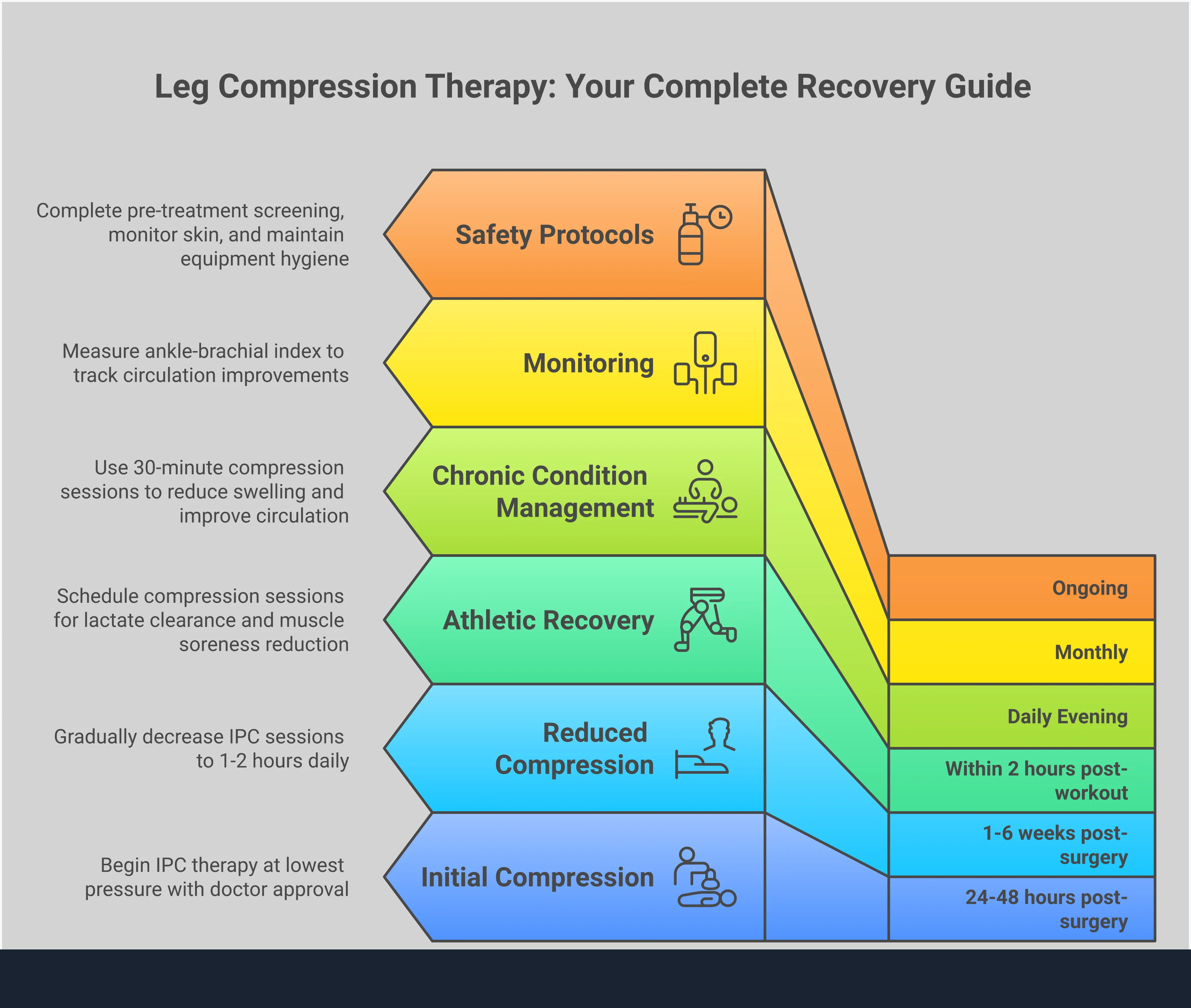
Who Can Benefit from Leg Compression Therapy?
Leg compression therapy is a versatile tool that helps a surprisingly wide range of people. You might picture a pro athlete using it after a game, but its benefits extend far beyond the locker room. From supporting your body’s healing process after a medical procedure to simply easing the strain of a long day on your feet, this therapy offers a natural way to improve circulation and feel better. If you're dealing with discomfort, recovering from an injury, or looking to maintain your health, there’s a good chance leg compression can help. It’s a straightforward, non-invasive method that aligns perfectly with a holistic approach to health, focusing on helping the body do what it does best: heal and maintain itself.
Aiding Post-Surgery Recovery
If you’ve had surgery, especially on your lower body, your doctor’s top priority is a smooth and safe recovery. When you aren't moving around as much, your circulation can slow down, increasing the risk of blood clots. This is where leg compression machines, often called intermittent pneumatic compression (IPC) devices, come in. These inflatable sleeves slide over your calves and gently inflate and deflate, mimicking the natural muscle contractions that push blood through your legs. This simple action is incredibly effective at keeping your blood moving and preventing serious complications, helping you rest and recover with greater peace of mind.
Managing Chronic Conditions
Living with a chronic condition often means finding effective ways to manage daily symptoms. For those with vein-related issues like chronic venous insufficiency or conditions that affect blood pressure like orthostatic hypotension, leg compression can be a game-changer. By applying consistent, gentle pressure, these machines help your veins work more efficiently to return blood to your heart. This can reduce the swelling, aching, and fatigue that often accompany these conditions. Incorporating compression into your routine is a proactive step toward long-term preventative wellness and can significantly improve your daily comfort and mobility.
Improving Athletic Recovery
For athletes and active individuals, recovery is just as important as the workout itself. Pushing your limits can lead to muscle soreness and fatigue, and how quickly you bounce back determines how soon you can get back to training. Leg compression therapy is a popular tool for improving athletic recovery because it helps flush out metabolic waste and reduce inflammation in your muscles. By increasing blood flow, it delivers more oxygen and nutrients to your tired legs, speeding up the repair process. Think of it as a powerful, automated massage that helps you feel fresher and less sore, so you can return to your sport feeling strong and ready to perform.
Easing Vein-Related Discomfort
You don’t need to have a specific medical condition to feel the benefits of leg compression. Many of us know the feeling of heavy, tired, or swollen legs after a long day of standing at work or sitting at a desk. This discomfort is often a simple sign of poor circulation. Compression therapy provides gentle pressure that improves blood flow, helping to reduce that achy, swollen feeling and revitalize your legs. It’s a simple, non-invasive way to support your body’s circulatory system and find relief. At Laser Lab, we believe in holistic care, and integrating therapies like leg compression can be a wonderful part of your overall wellness routine.
How to Choose the Right Leg Compression Machine
Finding the right leg compression machine can feel like a big decision, but it really comes down to matching the device's features to your personal needs. Whether you're an athlete looking to speed up performance recovery or someone seeking relief from daily aches, the perfect machine for you is out there. The market is full of options, from simple devices to professional-grade systems, so it's easy to get overwhelmed. The key is to focus on what matters most for your body and your lifestyle. Think about what you want to achieve, how often you'll use it, and where you'll be using it. For example, someone dealing with chronic swelling will have different needs than a marathon runner. By considering a few key factors like pressure settings, cuff design, and extra features, you can narrow down your options. This will help you select a machine that delivers the results you're looking for and becomes a valuable part of your wellness routine. Let's walk through the most important things to consider so you can make a confident choice and invest in a tool that will truly support your health goals.
Adjustable Pressure Settings
One of the most critical features to look for is adjustable pressure. Your comfort and the effectiveness of the therapy depend on finding the right intensity. A machine with a wide pressure range allows you to customize the session to your needs, which can change daily. Some days you might want a gentle flush, while other days you may need a more intense squeeze for pain management. It's best to find a machine with adjustable pressure so you can find what's comfortable and effective for you. A good rule of thumb is to start at a lower pressure and gradually increase it to a level that feels firm but not painful.
Cuff Sizing and Chambers
The fit of the cuffs and the technology inside them are just as important as the pressure. Cuffs that are too loose or too tight won't distribute pressure evenly, which can make the treatment less effective. Always measure your legs and check the manufacturer's sizing guide before you buy. Beyond fit, pay attention to the number of chambers in the cuffs. Machines with more chambers, such as eight or twelve instead of just four, can provide a more precise and targeted massage. This allows for a smoother, more dynamic wave of pressure that better mimics the body's natural circulation, giving you a more personalized and effective treatment.
Timers and Heat Functions
Modern compression machines often come with features that make your sessions safer and more enjoyable. An automatic timer is a must-have for convenience and safety, allowing you to relax without constantly watching the clock. Many devices also include bonus features like integrated heat functions. Heat can help relax muscles and further improve blood flow, making your compression therapy even more beneficial for preventative wellness. Some models also come with handy accessories like a remote control for easy adjustments or a carrying case for storage and travel, adding a layer of convenience to your recovery routine.
Portability and Power Source
Think about where you plan to use your machine. Your lifestyle will play a big role in determining the right model for you. Some powerful units need to be plugged into a wall outlet, making them best suited for home use. Others run on rechargeable batteries, offering the freedom to recover anywhere, from the sidelines of a game to a hotel room while traveling. If you're always on the go, a lightweight, battery-powered machine is probably your best bet. If you plan to primarily use it at home, a stationary model might offer more power and features. Trying professional equipment through a membership can also help you decide which features are most important to you before you invest in your own device.
Are There Any Risks to Consider?
While leg compression therapy is a safe and effective tool for most people, it’s smart to understand the full picture before you begin. Like any treatment, knowing how to use it correctly and when to exercise caution is key to getting the best results. Being informed helps you use your device confidently and safely, ensuring it supports your wellness goals without any unwanted surprises. The good news is that for most users, the experience is overwhelmingly positive and free of complications.
Potential Side Effects
When used correctly, leg compression machines have very few side effects. Most issues that arise, like mild skin irritation or discomfort, are typically the result of improper use. This can happen if the pressure is set too high or the cuffs are worn for too long. To avoid this, always start with a lower pressure setting and gradually increase it to a level that feels comfortable and effective. It’s also important to ensure the cuffs fit properly and your skin is clean and dry before each session. Following the manufacturer’s guidelines is the best way to ensure a safe and comfortable experience.
When to Avoid Compression Therapy
Compression therapy isn’t right for everyone. If you have certain medical conditions, using a compression machine could be harmful. You should avoid this therapy if you have open leg sores, skin infections, burns, or severe peripheral vascular disease. It's also not recommended for individuals with congestive heart failure or known blood clots. Because of these contraindications, it's always best to get a green light from a professional before starting. We recommend you consult with your doctor or a trusted health provider to make sure leg compression is a safe choice for your specific health needs.
Common Safety Myths
One common myth is that compression devices are complex or dangerous. In reality, they are a valuable, drug-free tool designed to support your body’s natural functions. These machines simply mimic the pumping action your muscles perform when you walk, helping to move fluid and improve blood flow when you can't be active yourself. Far from being risky, they are often used in medical settings to prevent life-threatening blood clots. Think of it as a way to enhance your body’s built-in systems for healing and performance recovery, making it a safe and proactive addition to your wellness routine.
Finding the Best Leg Compression Machine for Your Needs
Once you’ve decided to try compression therapy, the next step is finding the right device. The market is full of options, from medical-grade systems to portable units you can use at your desk. The best machine for you really depends on your specific goals, lifestyle, and budget. Are you recovering from surgery, managing a chronic condition, or looking for a tool to help with athletic recovery? Answering this question will help you sort through the different types and find a machine that fits your life perfectly.
To make it easier, we can group these machines into a few main categories: professional-grade options designed for clinical use, popular models for everyday home use, and more affordable alternatives that are great for getting started. Each has its own set of features and benefits, so let's walk through what makes each one unique.
Professional-Grade Options
If you’re recovering from surgery or have a medical condition that requires serious circulatory support, your doctor might recommend a professional-grade machine. These are often called Intermittent Pneumatic Compression (IPC) devices. They consist of inflatable sleeves that you wear on your legs, which are connected to a control unit that systematically inflates and deflates different sections of the sleeve. This action gently squeezes your legs to keep blood moving effectively and helps prevent dangerous blood clots from forming, especially when you’re not able to move around much. While powerful, these machines are typically used under medical supervision and can be more complex than models designed for home use.
Top-Rated Models for Home Use
For most people, a high-quality home-use machine offers the perfect blend of effectiveness and convenience. These models often come packed with features that let you customize your experience. You can typically find multiple massage modes, adjustable pressure levels to control the intensity, and even a soothing heat function to further relax your muscles. Many top-rated machines are designed with athletes and active individuals in mind, helping to speed up performance recovery after a tough workout. Look for models with adjustable cuffs to ensure you get a snug, comfortable fit, as this is key to getting the best results from your compression sessions.
Budget-Friendly Alternatives
You don’t have to spend a lot of money to experience the benefits of leg compression. Many budget-friendly machines offer fantastic relief and are a great entry point into compression therapy. While they might not have as many bells and whistles as pricier models, they still get the job done. Common features in this category include simple handheld remotes for easy operation and cordless, rechargeable designs that give you the freedom to use them anywhere. These portable options are perfect for bringing to the office or using while you relax on the couch, making it easy to fit a compression session into your busy day.
Where to Buy a Leg Compression Machine
Once you have an idea of the features you need, the next step is figuring out where to find the right machine. You have a few different avenues to explore, from big online stores to specialized shops, and there are ways to make your purchase more affordable. Thinking through these options will help you find a device that fits both your wellness goals and your budget.
Online Retailers vs. Medical Supply Stores
When you start shopping, you’ll find machines in two main places: online retailers and medical supply stores. Online platforms offer a huge variety of models designed for home use, often with features like adjustable intensity and heat for relaxation. It’s a convenient way to compare options from your couch. On the other hand, a local medical supply store can be a great resource if you want more personalized guidance. The staff there can help you find a machine that fits your specific health needs and may carry more specialized devices that aren't as common online. It really comes down to whether you prefer a wider selection or expert, in-person advice.
Using Your HSA or FSA
If you have a Health Savings Account (HSA) or Flexible Spending Account (FSA), don't forget to check if you can use those funds. Many leg compression machines are considered eligible for reimbursement, which can make this investment in your health much more manageable. Using your pre-tax dollars is a smart way to cover the cost. Before you buy, just confirm the specific model you’re interested in qualifies under your plan’s rules. It’s a simple step that can save you a significant amount of money, making your wellness goals more accessible.
Checking for Insurance Coverage
It’s also worth looking into whether your health insurance will cover the cost of a leg compression machine. Coverage isn't a given, but it's possible, especially if a doctor prescribes it for a specific medical condition. For example, some plans may cover a device if it's needed to manage lymphedema or chronic venous insufficiency. Since every insurance policy is different, the best approach is to call your provider directly to verify your specific coverage options. A quick phone call can clarify what’s covered and what documentation you might need, potentially saving you the full out-of-pocket expense.
Frequently Asked Questions
What should a leg compression session feel like? A session should feel like a firm, rhythmic squeeze that moves up your leg. Think of it as a strong, consistent massage, not a painful pinch. You want the pressure to feel snug and effective, but you should never experience sharp pain, tingling, or numbness. If you do, that’s a sign the pressure is too high, and you should lower the setting immediately. The goal is to feel relief and a sense of lightness in your legs afterward.
How long and how often should I use a leg compression machine? For most people, a session lasting 20 to 30 minutes is ideal. If you're using it for post-workout recovery or to ease tired legs after a long day, using it once daily or even a few times a week can make a big difference. If you are using compression therapy as part of a post-operative plan or to manage a chronic condition, it is essential to follow the specific frequency and duration recommended by your healthcare provider.
What's the real difference between a compression machine and compression socks? Think of it as the difference between active and passive support. Compression socks provide constant, static pressure to help prevent fluid from pooling in your legs throughout the day. A leg compression machine, however, provides dynamic, intermittent pressure. It actively pumps blood and fluid out of your legs with a wave-like motion, making it a much more powerful tool for flushing out metabolic waste and accelerating recovery after exercise or injury.
Can I use a compression machine for anything besides my legs? Yes, you often can. While they are most commonly used for legs, many compression systems offer separate attachments for your arms and hips. These attachments work on the same principle, applying sequential pressure to improve circulation and reduce soreness. This makes them a versatile tool for athletes who experience fatigue in their upper body or anyone looking for full-body recovery support.
How soon can I expect to feel a difference? Many people report feeling an immediate sense of relief. Your legs may feel lighter, less heavy, and refreshed right after your very first session. For benefits like reduced muscle soreness or a visible decrease in swelling, you will likely notice a positive change within just a few consistent sessions. The cumulative benefits for your circulatory health and long-term wellness will build over time with regular use.
Frequently Asked Questions
Is light therapy safe for athletes?

Yes, light therapy is completely safe and highly beneficial for athletes. It promotes faster muscle recovery, reduces inflammation, and supports performance without the risks of medication or downtime. That’s why professional and amateur athletes worldwide rely on it to train smarter and recover quicker.
How many sessions will I need?
The number of sessions varies depending on the type and severity of your condition. Many patients notice improvement after 3–5 sessions, while chronic conditions may require ongoing care for best results. During your initial consultation, we’ll design a personalized treatment schedule tailored to your body’s response and recovery goals.

Ready to Try Light Therapy for Recovery?