


9 Best Recovery Methods for Athletes' Sore Muscles
Ever wonder how professional athletes manage to train at such a high intensity day after day? Their secret isn’t just raw talent; it’s a deep commitment to a meticulous recovery protocol. They understand that the work you put in after your workout is what solidifies your progress. These strategies aren't reserved for the elite, though. The same principles and technologies are accessible to anyone looking to get the most out of their body. This guide will pull back the curtain on the best recovery methods for sore muscles athletes use to reduce pain, accelerate repair, and stay ready for the next challenge, from cellular-level therapies to perfectly timed nutrition.
Key Takeaways
- Soreness is a signal for growth: Post-workout aches, or DOMS, are a normal sign that your muscles are adapting. This happens because of tiny muscle tears and inflammation, which is your body's natural process for rebuilding stronger tissue.
- Recovery requires active participation: Instead of just waiting for soreness to disappear, support your body's healing with a smart approach. Prioritize refueling with protein and carbs, get seven to nine hours of quality sleep, and consider therapies like light or compression to manage inflammation effectively.
- A consistent routine is your best tool: The most effective recovery is planned, not accidental. Build a system that includes scheduled rest days, properly timed post-workout meals, and paying close attention to your body's warning signs to prevent overtraining and injury.
Why Do My Muscles Get Sore After a Workout?
We’ve all been there. You finish a tough workout feeling accomplished, only to wake up a day or two later feeling like you can barely get out of bed. That familiar ache in your muscles is a sign that you challenged your body, and while it can be uncomfortable, it’s a normal part of the process of getting stronger. This feeling has a name, and understanding what’s happening inside your muscles is the first step toward a smarter recovery. For many active adults, combining proper rest with advanced recovery and laser therapy services can be a helpful way to support healing and reduce lingering soreness.
This post-workout soreness is your body’s response to the hard work you put in. It’s a signal that your muscles are adapting and rebuilding. Let’s break down exactly what causes this feeling and why it’s actually a good thing for your fitness goals.
What is DOMS (Delayed Onset Muscle Soreness)?
That muscle pain that peaks a day or two after your workout is called Delayed Onset Muscle Soreness, or DOMS. It’s different from the acute soreness you might feel during exercise. DOMS happens when you push your muscles harder than they’re used to, either by trying a new activity or increasing the intensity of your routine. So, if you just tried a new spin class or added more weight to your squats, you can probably expect to feel it later.
This soreness is the result of tiny, microscopic tears in your muscle fibers. While that might sound alarming, it’s a completely normal response to intense exercise. Think of it as your body’s way of saying, “Okay, that was new! Let’s rebuild stronger so we can handle it next time.” This process is what leads to muscle growth and improved athletic performance. It’s also why some people look for pain management for sports-related soreness when recovery starts affecting their training schedule.
How Microtrauma and Inflammation Work
So, what’s actually happening with those microscopic tears? When your muscles are stressed during a workout, they experience what’s known as microtrauma. This damage sends a signal to your body to kickstart its natural repair process. In response, your body initiates an inflammatory response to clean out the damaged cells and begin rebuilding the muscle tissue. This inflammation is what causes the tenderness, swelling, and stiffness associated with DOMS. Supporting that process with preventative wellness for active lifestyles can help you stay more consistent, while performance recovery for athletes may improve comfort and make it easier to return to training.
This entire cycle of damage and repair is essential for building stronger, more resilient muscles. The key to effective performance recovery is managing this inflammation so your body can heal efficiently without prolonged discomfort. Methods like massage and light therapy are effective because they help control the inflammatory response, allowing your muscle fibers to repair themselves more quickly and get you back to your training.
What Are the Best Ways to Recover from Sore Muscles?
That satisfying ache after a great workout is a sign you’ve challenged your body. But when that ache turns into serious soreness, it can sideline you from your fitness goals. The good news is you don't have to just wait it out. By actively helping your body repair itself, you can feel better faster and get back to doing what you love. The key is finding the right combination of recovery methods that work for you. From gentle movement to targeted therapies, these proven strategies can help ease muscle soreness and support your body’s natural healing process. It's all about giving your muscles the support they need to rebuild stronger than before. Understanding these techniques not only helps with immediate relief but also contributes to your long-term preventative wellness. Whether you're an athlete pushing for peak performance or someone who just wants to stay active without pain, a solid recovery plan is essential. It’s the part of your fitness routine that often gets overlooked, but it’s just as important as the workout itself. Let's explore some of the most effective ways to handle post-workout recovery so you can stay consistent and feel your best.
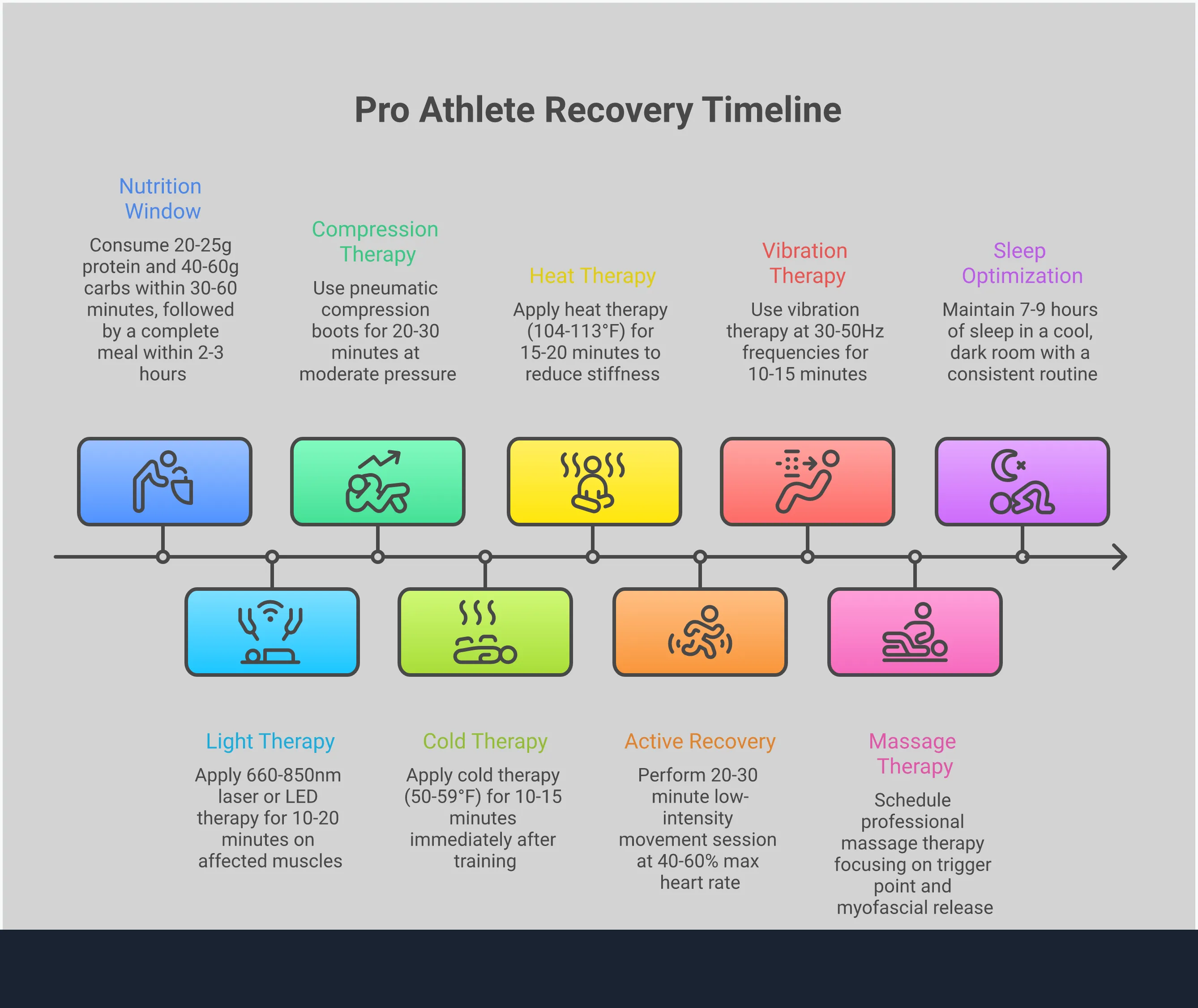
Try Active Recovery
It might sound counterintuitive, but light movement is one of the best things you can do for sore muscles. This is called active recovery, and it involves low-intensity exercise the day after a tough workout. Think of a gentle walk, a relaxed swim, or an easy bike ride. These activities get your blood flowing without putting more strain on your tired muscles. This increased circulation helps deliver fresh oxygen and nutrients to your muscle tissues while clearing out metabolic waste products that contribute to soreness. It’s a simple way to ease stiffness and speed up your recovery so you feel ready for your next challenge.
Use Massage and Manual Therapy
If you’re looking for one of the most effective ways to deal with muscle soreness, massage is at the top of the list. Research shows that massage therapy is excellent for reducing delayed onset muscle soreness (DOMS) and feelings of fatigue. A good massage helps reduce inflammation, eases muscle stiffness, and encourages tissue repair by physically working through knots and tension. It’s a powerful tool for anyone serious about their fitness, helping you maintain your body and stay on track with your training. Combining manual therapy with other treatments can create a comprehensive plan for your performance recovery and overall wellness.
Experiment with Cold and Heat Therapy
Using temperature to your advantage can make a big difference in how your muscles feel. Cold therapy, like an ice bath or a cold shower, is particularly useful right after a strenuous workout. The cold helps constrict blood vessels, which can reduce swelling and suppress the initial inflammatory response that causes soreness. On the other hand, heat therapy, such as a warm bath or a heating pad, is great for relaxing tight muscles and increasing blood flow later on. You can apply heat a day or two after your workout to soothe lingering stiffness. Many athletes alternate between cold and heat to get the benefits of both.
Stretch and Improve Your Mobility
While stretching might not erase muscle soreness completely, it plays a crucial role in your overall recovery and long-term health. Gentle stretching after a workout can help improve your flexibility and range of motion. It keeps your muscles pliable and can prevent the kind of stiffness that leads to injury down the road. Think of it less as a direct cure for soreness and more as essential maintenance for your body. Taking a few minutes to stretch can also be a calming way to wind down, helping your mind and body transition from a state of high exertion to one of rest and repair.
How Does Light Therapy Help Muscles Recover Faster?
If you’re looking for a recovery method that feels a bit like magic but is backed by solid science, let’s talk about light therapy. This isn't about just basking in the sun; it's a targeted treatment that uses specific wavelengths of light to help your body heal itself from the inside out. Think of it as a way to supercharge your body's natural repair processes, helping you bounce back from tough workouts faster and with less soreness. It’s a completely non-invasive and drug-free approach that gets to the root of muscle recovery at the cellular level, making it a powerful tool for anyone serious about their physical health.
Light therapy works by stimulating your cells, improving circulation, and calming inflammation, all of which are crucial for repairing tired, overworked muscles. Instead of just masking symptoms, it promotes actual healing where it starts. This is why so many athletes are turning to it for performance recovery. It helps reduce the downtime between training sessions and manages the aches and pains that can hold you back. We’ll get into the specifics of how it repairs cells, uses powerful lasers for deep tissue work, and reduces inflammation without you having to reach for a pill bottle. It’s a forward-thinking way to take control of your recovery and keep your body in peak condition.
How Light Repairs Your Cells (Photobiomodulation)
It sounds complex, but the idea behind photobiomodulation is pretty simple: light gives your cells energy. Specific wavelengths of red and near-infrared light penetrate your skin and are absorbed by your mitochondria, which are the tiny powerhouses inside your cells. This process stimulates them to produce more ATP (adenosine triphosphate), the molecule that provides energy for almost every process in your body. With more ATP, your cells have the fuel they need to repair damage, regenerate, and function at their best. This cellular-level boost is key for effective preventative wellness and faster muscle healing after you’ve pushed your limits.
Using Class IV Lasers for Peak Performance
Not all light therapy is created equal. For athletes needing to address deep muscle tissue, Class IV lasers are a go-to tool. These powerful lasers can penetrate much deeper than other light sources, reaching muscles, ligaments, and tendons that are harder to access. This deep penetration increases blood flow to the area, delivering more oxygen and nutrients essential for repair. By stimulating healing at a deeper level, Class IV laser therapy can significantly speed up recovery from strains and intense workouts. It’s a targeted approach that helps you maintain your training schedule and perform at your best when it counts.
Reduce Inflammation Without Drugs
Soreness and swelling are your body’s inflammatory response to the micro-damage in your muscles after a workout. While this is a natural part of the healing process, too much inflammation can slow you down and cause significant pain. Light therapy is an incredible way to manage this response without reaching for anti-inflammatory pills. The light energy helps reduce swelling and calms inflammatory markers in the tissue. This not only provides pain relief but also allows your body to heal more efficiently. By addressing inflammation directly, you can get back to your routine faster and with greater comfort, making it a cornerstone of effective pain management.
Which Advanced Tech Can Improve Your Recovery?
Beyond the basics of stretching and foam rolling, technology offers some incredible tools to help your body heal faster and more efficiently. These aren't science fiction gadgets; they are research-backed methods that work with your body’s natural recovery processes to reduce soreness and get you back to your training schedule. By integrating advanced tech, you can give your muscles the targeted support they need after a tough session. From squeezing out metabolic waste to energizing your cells with light, these therapies can make a significant difference in how you feel and perform. Let's look at a few of the most effective options available today: compression, whole-body light therapy, and vibration therapy. Each one targets recovery from a different angle, giving you a powerful toolkit for managing muscle soreness and optimizing your physical readiness. While they sound complex, the principles behind them are straightforward. They aim to enhance circulation, reduce inflammation, and speed up cellular repair, which are the fundamental building blocks of effective recovery. Incorporating one or more of these methods into your routine can help you bounce back stronger, train more consistently, and ultimately reach your performance goals with fewer setbacks from injury or fatigue.
Compression Therapy
You’ve probably seen athletes wearing high-tech boots or sleeves after a game. That’s compression therapy in action. This technique uses specialized garments or pneumatic devices (like Normatec boots) to apply controlled pressure to your limbs. The rhythmic squeezing and releasing action helps increase blood circulation, which is key for recovery. It effectively pushes out metabolic waste products that build up during exercise and helps deliver fresh, oxygenated blood to your tired muscles. The result is often a noticeable reduction in swelling, muscle soreness, and fatigue. Think of it as a systematic, hands-free massage that helps your body’s clean-up crew work more efficiently.
Whole-Body Light Therapy
Whole-body light therapy, also known as photobiomodulation, is a game-changer for cellular repair. This non-invasive treatment uses specific wavelengths of red and near-infrared light to penetrate your skin and stimulate your cells’ mitochondria. Essentially, it gives your cells an energy infusion, helping them produce more ATP, which is the fuel for all cellular activity, including muscle repair. This process helps reduce inflammation, eases oxidative stress, and accelerates tissue healing from the inside out. Regular sessions can lead to faster recovery times, improved sleep quality, and less muscle soreness, making it a cornerstone of any serious athlete's performance recovery plan.
Vibration Therapy
Vibration therapy uses a platform or handheld device to send high-frequency vibrations through your muscles. This stimulation causes your muscles to contract and relax rapidly, which helps increase blood flow, improve flexibility, and reduce the perception of pain. Research shows that using vibration therapy can be an effective way to lessen the symptoms of delayed onset muscle soreness (DOMS). You can use it before a workout to warm up and activate muscles or afterward to help flush out lactic acid and calm your nervous system. It’s a quick and simple method for soothing sore muscles and enhancing your body’s ability to repair itself after strenuous activity.
How Do Food and Water Affect Muscle Recovery?
You’ve crushed your workout, and now it’s time for the most important part: recovery. While stretching and advanced therapies are fantastic tools, what you do in the kitchen is just as critical. The food and water you consume are the raw materials your body uses to repair muscle tissue, replenish energy, and reduce inflammation. Think of it this way: your workout is the signal for your body to get stronger, but nutrition provides the building blocks to actually make it happen.
A smart nutrition strategy can make the difference between feeling sore for days and bouncing back quickly, ready for your next challenge. It’s a fundamental part of any effective performance recovery plan. While treatments like light therapy work on a cellular level to accelerate healing, they are most effective when your body has the right fuel to do its job. By focusing on a few key areas like protein, carbs, and hydration, you can create an internal environment that supports rapid repair and complements the therapies you use. Let’s look at the specific ways you can use nutrition to your advantage.
Eat Protein to Repair Muscle
When you exercise, you create tiny micro-tears in your muscle fibers. This is a normal and necessary process for growth. Protein provides the amino acids your body needs to patch up these tears, making the muscle stronger than before. To get the most out of this process, timing can be helpful. Research suggests that eating a couple of small, protein-rich meals within the first few hours after your workout can help you capture the peak of muscle protein synthesis. Aim for lean sources like chicken, fish, eggs, Greek yogurt, or plant-based options like lentils and tofu to give your muscles the fuel they need to rebuild.
Refuel Glycogen with Carbs
If protein provides the building blocks, carbohydrates provide the energy. Your body stores carbs in your muscles and liver as glycogen, which is your main fuel source during high-intensity exercise. After a tough workout, these glycogen stores are depleted. It’s essential to replenish them by eating carbohydrates to restore your energy levels and prepare your body for its next session. Don’t be afraid of carbs; they are your friend in recovery. Focus on complex carbohydrates like sweet potatoes, quinoa, oats, and brown rice to refill your energy stores effectively.
Fight Inflammation with Your Diet
That muscle soreness you feel after a workout, known as DOMS, is caused by inflammation and those micro-tears. While some inflammation is a natural part of the healing process, your diet can help keep it in check. Certain foods are packed with anti-inflammatory compounds that support recovery. Nutrients like antioxidants and omega-3 fatty acids are particularly effective at minimizing soreness. Try incorporating foods like berries, leafy greens, salmon, walnuts, and turmeric into your meals. A diet rich in these foods can be your first line of defense against post-workout aches and supports a holistic approach to pain management.
Know When to Eat After a Workout
While you don’t need to sprint to the kitchen the second you finish your last rep, eating a balanced meal or snack soon after your workout can kickstart the recovery process. For a quick recovery, aim to consume about 0.25 to 0.4 grams of protein per kilogram of your body weight. If you’ve just finished a long endurance session, like a run or bike ride, you’ll also want to focus on carbs. The goal is to consume around 1.0 to 1.2 grams of carbohydrates per kilogram of body weight each hour for the first four hours to maximize glycogen synthesis.
Stay Hydrated: Before, During, and After
It’s simple, but it’s true: hydration is everything. Water is essential for nearly every bodily function, including transporting nutrients to your muscles and flushing out metabolic waste products created during exercise. Dehydration can seriously slow down your recovery and hurt your performance. To stay ahead, try to begin your training session well-hydrated. A good rule of thumb is to drink about 500 to 600 ml of water two to three hours before you start, and another 200 to 300 ml about 10 to 20 minutes beforehand. Keep sipping during your workout and be sure to rehydrate thoroughly afterward.
Balance Your Electrolytes
When you sweat, you don’t just lose water; you also lose essential minerals called electrolytes. These include sodium, potassium, and magnesium, which are crucial for muscle function, nerve signaling, and fluid balance. If you’ve had a particularly long or sweaty workout, it’s important to replace these lost minerals. According to hydration guidelines for athletes, you should replace both fluid and sodium. You can do this with a sports drink, but natural sources like coconut water, bananas, or even a pinch of sea salt in your water can also help restore your electrolyte balance and keep your muscles firing correctly.
Why is Sleep So Important for Muscle Repair?
Think of sleep as your body’s dedicated repair shift. While you’re resting, your system is hard at work rebuilding the muscle tissues that were broken down during your workout. It’s not just about feeling less tired; sleep is a non-negotiable part of the recovery process. When you push your limits, you create tiny micro-tears in your muscles, which is a normal part of getting stronger. But the actual strengthening happens when those tears are repaired.
Sleep is crucial for muscle recovery because it’s when your body gets the uninterrupted time it needs to patch up that damage. During sleep, blood flow to your muscles increases, bringing the oxygen and nutrients they need to heal and grow. Skipping out on quality sleep is like asking a construction crew to rebuild a house without giving them any materials or time. To truly maximize your gains and feel ready for your next session, prioritizing sleep is just as important as any other performance recovery method.
How Deep Sleep Releases Growth Hormone
Not all sleep is created equal when it comes to muscle repair. The most restorative work happens during deep sleep, also known as slow-wave sleep. During this critical phase, your pituitary gland releases a significant amount of human growth hormone (HGH). This hormone is a key player in tissue repair and muscle growth.
Essentially, HGH acts as the project manager for your body's repair crew. It helps convert amino acids into proteins to fix damaged muscle fibers, making them stronger than before. If you don't spend enough time in deep sleep, you miss out on this peak hormone release, which can slow down your recovery and hinder your progress. Getting enough deep sleep is fundamental to any athlete's nutrition and recovery plan.
How Much Sleep Do You Really Need?
While everyone’s needs are slightly different, there’s a solid baseline for active individuals. Most athletes require seven to nine hours of quality sleep per night to fully recover and perform at their best. This isn't just about the number of hours you spend in bed; it's about the quality of that rest. Consistent, uninterrupted sleep allows your body to cycle through all the necessary stages, including that all-important deep sleep phase.
Think of this seven-to-nine-hour window as a performance target. Hitting it consistently gives your body the time it needs to reduce inflammation, repair tissue, and restore energy. Just as you plan your workouts and fuel your body, scheduling enough time for sleep is a key part of your training.
Create the Perfect Sleep Environment
You can significantly improve your sleep quality by making a few simple adjustments to your bedroom. The goal is to create a space that signals to your brain that it’s time to rest. Start by making your room as dark, cool, and quiet as possible. Blackout curtains, an eye mask, and a fan or white noise machine can make a huge difference.
It’s also a good idea to establish a relaxing pre-bed routine. Limiting screen time an hour before bed helps your body produce melatonin, the hormone that regulates sleep. Instead of scrolling, try reading a book or doing some light stretching. Sticking to a consistent sleep schedule, even on weekends, trains your body’s internal clock, making it easier to fall asleep and wake up feeling refreshed and ready to go.
How to Build an Effective Recovery Routine
Putting all these pieces together can feel like a lot, but building an effective routine is simpler than you think. It’s not about doing everything all at once. Instead, it’s about creating a consistent, personalized system that supports your body’s needs and fits your lifestyle. A great routine is proactive, not reactive. You don’t wait until you’re completely wiped out or injured to focus on recovery. You build it into your training schedule from the start.
Think of it as a cycle: you stress your body with a workout, then you give it the tools it needs to repair and come back stronger. This intentional approach is what separates a good athlete from a great one. By combining different methods, timing your nutrition, and scheduling proper rest, you create a powerful framework for peak performance and recovery. The goal is to find a rhythm that helps you feel your best, reduce your risk of injury, and consistently hit your goals. Your routine will likely evolve as your training changes, so stay tuned in to what your body is telling you and adjust as needed.
Combine Different Recovery Methods
The most effective recovery plans don’t rely on a single technique. Instead, they layer different methods to address muscle soreness, inflammation, and fatigue from multiple angles. While some studies show massage is a highly effective technique for reducing soreness and fatigue, it works even better when paired with other strategies. Think of it as building a recovery toolkit.
Your toolkit might include active recovery like a light walk or swim on your off days, stretching to maintain mobility, and using foam rollers to release tight spots. You can also incorporate advanced therapies like compression to improve circulation or light therapy to accelerate cellular repair. By combining these approaches, you create a comprehensive system that supports your body from every angle, helping you bounce back faster and more completely.
Time Your Strategies for the Best Results
When you recover is just as important as how you recover. This is especially true for nutrition. Your body is primed to absorb nutrients right after a workout, making the post-exercise window a critical time for refueling. During this period, your body is working hard to replenish its glycogen stores (your muscles' primary fuel source) and repair damaged muscle fibers.
To make the most of this window, aim to eat a meal or snack containing both carbohydrates and protein within an hour or two after finishing your workout. A 4:1 ratio of carbs to protein is often recommended to optimize glycogen resynthesis and muscle repair. This could be as simple as a fruit smoothie with protein powder or a plate of chicken and sweet potatoes. Timing your nutrition properly gives your body the raw materials it needs to rebuild efficiently.
Schedule Your Rest Days
Rest isn't a sign of weakness; it's a fundamental part of any smart training program. Your muscles don't get stronger during your workout. They get stronger during the recovery period that follows. That’s why scheduling dedicated rest days is non-negotiable for long-term progress and health. Ignoring rest can lead to overtraining, which brings on chronic fatigue, decreased performance, and a higher risk of injury.
Treat your rest days with the same importance as your training days. Mark them on your calendar and protect that time. A rest day doesn't have to mean sitting on the couch all day. It can include light, restorative activities like walking, gentle yoga, or stretching. The key is to give your body a break from intense physical stress. Listening to your body and embracing these planned recovery periods will ultimately make you a more resilient and powerful athlete.
Are You Making These Recovery Mistakes?
You just crushed a tough workout, and you’re feeling accomplished. It’s tempting to move on with your day, but what you do next is just as important as the workout itself. Your body builds strength and resilience during recovery, not during the training session. Unfortunately, it’s easy to fall into common traps that can slow your progress, or worse, lead to injury. Let’s walk through some of the most frequent recovery mistakes and how you can avoid them to keep your body feeling and performing its best.
Skipping Recovery After a Tough Workout
It’s a common belief that pushing harder and longer is the only way to see results. But the truth is, recovery is just as critical as training. When you exercise, you create tiny tears in your muscle fibers. The magic happens when your body repairs these tears, making the muscle stronger than before. If you constantly skip dedicated recovery time, you rob your body of this essential rebuilding phase. This not only stalls your progress but can also lead to burnout and overtraining. Think of recovery not as downtime, but as an active part of your training plan that helps you come back stronger for your next session. A solid performance recovery strategy is your key to long-term success.
Forgetting About Nutrition and Hydration
What you put into your body after a workout is the fuel for your repair process. Exercise depletes your energy stores (glycogen) and fluids, and your muscles are primed to refuel. Forgetting to eat and drink properly is like asking a construction crew to rebuild a house without any materials. You need protein to repair muscle tissue and carbohydrates to replenish your glycogen levels. According to sports nutritionists, good nutrition in the post-workout period helps your body adapt to the stress of exercise. Don’t forget to rehydrate with water and electrolytes, too. Proper fueling is a non-negotiable step for optimizing your recovery and getting the most out of your hard work.
Ignoring Your Body's Warning Signs
The "no pain, no gain" mantra can be dangerous if taken too literally. While some muscle soreness is a normal part of getting stronger, sharp or persistent pain is your body’s way of telling you something is wrong. Pushing through this kind of pain can turn a minor issue into a chronic injury. It’s crucial to listen to your body’s signals. If you’re feeling constantly fatigued, your performance is declining, or you’re dealing with nagging aches, it might be a sign of overtraining. Ignoring these warnings can lead to serious setbacks. If you’re experiencing persistent discomfort, it’s important to seek effective pain management to address the root cause.
Believing Common Recovery Myths
Not all recovery advice is good advice. For example, many of us were taught to do static stretches immediately after a workout, but some research suggests this might actually worsen muscle soreness. Another myth is that you need to chug a protein shake the second you finish your last rep. While timing matters, you have a wider window for refueling than you might think. The world of athletic recovery is full of trends, but not all of them are backed by science. It’s always best to find evidence-based approaches that work for your body instead of jumping on every new fad. Being a smart consumer of recovery information will save you time and help you heal more effectively.
Frequently Asked Questions
What's the difference between normal muscle soreness and an injury? Normal muscle soreness, or DOMS, feels like a general, dull ache in the muscles you worked. It usually peaks a day or two after your workout and gradually fades. An injury, on the other hand, often involves a sharp, sudden, or persistent pain that might be localized to a specific spot. If the pain doesn't improve with rest or gets worse when you move, it's a good idea to get it checked out. Listening to your body is key; soreness feels like a sign of hard work, while injury pain feels like a warning signal.
Is it okay to work out if my muscles are still sore? It depends on the level of soreness. If you're feeling a bit stiff and achy, doing some light active recovery can actually help. A gentle walk, swim, or bike ride can increase blood flow and ease discomfort. However, if you're so sore that your movement is restricted, it's best to give those specific muscles a true rest day. Pushing through intense soreness can increase your risk of injury and interfere with your body's repair process.
How is light therapy different from just using a heating pad for soreness? A heating pad provides surface-level heat, which feels great because it relaxes tight muscles and temporarily increases blood flow to the skin. Light therapy works on a much deeper, cellular level. It uses specific wavelengths of light that penetrate your tissue to stimulate your cells' mitochondria. This process helps reduce inflammation and gives your cells the energy they need to repair themselves more efficiently, addressing the root cause of soreness rather than just the symptoms.
With so many options, what are the most important things to focus on for recovery? While advanced tech is great, you'll get the most benefit by mastering the fundamentals first. The non-negotiables for recovery are quality sleep and proper nutrition. Sleep is when your body releases growth hormone and does most of its muscle repair. Fueling with adequate protein, carbs, and water gives your body the raw materials it needs to rebuild. Once you have those pillars in place, you can layer in other methods like active recovery, massage, or light therapy to enhance the process.
How long does muscle soreness usually last, and can I really speed it up? Delayed Onset Muscle Soreness typically lasts anywhere from two to four days, depending on the intensity of your workout and how accustomed your body is to the exercise. While you can't completely eliminate the recovery timeline, you can definitely support your body to make it more efficient. Consistently applying the strategies we've talked about, like staying hydrated, eating a balanced meal post-workout, getting enough sleep, and using therapies to manage inflammation, can help reduce the severity and duration of soreness.
Frequently Asked Questions
Is light therapy safe for athletes?

Yes, light therapy is completely safe and highly beneficial for athletes. It promotes faster muscle recovery, reduces inflammation, and supports performance without the risks of medication or downtime. That’s why professional and amateur athletes worldwide rely on it to train smarter and recover quicker.
How many sessions will I need?
The number of sessions varies depending on the type and severity of your condition. Many patients notice improvement after 3–5 sessions, while chronic conditions may require ongoing care for best results. During your initial consultation, we’ll design a personalized treatment schedule tailored to your body’s response and recovery goals.

Ready to Try Light Therapy for Recovery?