


Arthritis vs. Osteoarthritis: What's the Difference?
That persistent ache in your knee or the morning stiffness in your hands can be more than just frustrating—it can be confusing. You might wonder if it’s just a sign of getting older or something more specific. This uncertainty often leads people to ask, what is the difference between arthritis and osteoarthritis? While they sound similar, they represent very different paths of joint disease. One is a general term for over 100 conditions, while the other is a specific "wear and tear" issue. Understanding this distinction is the key to unlocking a clear path forward, helping you identify the root cause of your discomfort and explore targeted, effective treatments that truly address your body’s needs.
Key Takeaways
- Know the Difference Between the Category and the Condition: Think of "arthritis" as the broad umbrella term for joint inflammation. Osteoarthritis is the most common condition under that umbrella, caused by the gradual wear and tear of your joint cartilage over time.
- Listen to Your Body's Clues: Pay attention to how your symptoms present themselves. Osteoarthritis pain typically develops slowly and worsens with activity, while other forms of arthritis often involve more sudden inflammation, redness, and prolonged morning stiffness.
- A Proper Diagnosis Is Your Roadmap to Relief: Instead of guessing, get a clear diagnosis from a healthcare professional. Pinpointing the exact cause of your joint pain is the most important step toward creating an effective and personalized plan to manage your symptoms.
What is Arthritis?
If you’ve ever talked about joint pain, you’ve probably used the word “arthritis.” But what many people don’t realize is that arthritis isn’t a single disease. Instead, it’s a general term that covers over 100 different conditions related to joint inflammation. Think of it as an umbrella term for issues that cause discomfort, stiffness, and reduced mobility in the joints. For many people, exploring laser therapy for joint pain relief can be one part of a broader plan to manage ongoing symptoms more naturally.
Common Types of Arthritis
While there are many forms of arthritis, two of the most common are osteoarthritis (OA) and rheumatoid arthritis (RA). They might sound similar, but they affect your body in very different ways. Osteoarthritis is the "wear and tear" type, where the protective cartilage on the ends of your bones breaks down over time. Rheumatoid arthritis, on the other hand, is an autoimmune disorder. This means your immune system mistakenly attacks your own joints, causing widespread inflammation. Differentiating between them is key to getting an accurate diagnosis and effective care, especially when considering pain management for arthritis and osteoarthritis based on the cause of your symptoms.
How Arthritis Impacts Your Joints
Regardless of the type, arthritis typically brings on symptoms like persistent pain, stiffness (especially in the morning), and swelling in one or more joints. This can make simple daily activities, from opening a jar to going for a walk, feel challenging and can seriously impact your quality of life. The location of the pain can also be a clue. For instance, osteoarthritis often affects just a few weight-bearing joints like your knees and hips. Other types, like rheumatoid arthritis, can affect many joints all over your body. Finding a way to manage this chronic pain is essential for staying active and feeling your best. Supporting your routine with preventative wellness for joint function may also help you stay more mobile and proactive over time.
What is Osteoarthritis?
Think of osteoarthritis (OA) as the most common member of the arthritis family. It’s often called “wear and tear” arthritis, and that’s a pretty good way to picture it. Inside your joints, you have a smooth, protective tissue called cartilage that acts like a cushion at the ends of your bones, allowing them to glide smoothly. Over time, this cartilage can wear down. When that happens, the bones can start to rub directly against each other. This friction is what leads to the pain, stiffness, and trouble moving that are so common with OA.
This isn't something that happens overnight. The process is gradual, which is why the symptoms often creep up on you over months or even years. You might first notice a dull ache in your knee after a long walk or stiffness in your hands in the morning that you brush off as just getting older. Because it’s a degenerative condition, meaning it involves the breakdown of tissue, it’s different from other types of arthritis that are caused by inflammation from the immune system. Understanding this distinction is the first step toward finding the right kind of pain management for your specific needs and getting back to the activities you love, with recovery support for joint stiffness and mobility often playing an important role in long-term comfort and function.
How Osteoarthritis Compares to Other Types
It’s easy to use "arthritis" and "osteoarthritis" interchangeably, but they aren't the same thing. "Arthritis" is actually an umbrella term that covers more than 100 different conditions that cause joint inflammation. Osteoarthritis is just one specific type under that umbrella.
One of the biggest differences is how the pain starts. With many other forms of arthritis, like rheumatoid arthritis, the pain can come on suddenly and feel severe. Osteoarthritis, on the other hand, usually begins with a slow burn. The discomfort tends to build gradually over a long period. This slow progression is a key feature that sets OA apart from its more inflammatory counterparts, which often have a more aggressive onset.
What Makes Osteoarthritis Unique?
So, how can you tell if what you're feeling is likely osteoarthritis? A few symptoms are particularly telling. Unlike other types of arthritis that cause a lot of redness, warmth, and noticeable swelling, OA typically doesn't. While some mild swelling can occur, it’s usually not the primary symptom.
The main giveaways for OA are pain and stiffness. The pain often feels worse after you’ve been active or at the end of a long day. That morning stiffness is another classic sign—it can be tough to get going, but it usually gets better once you start moving around. This pattern of stiffness after rest and pain after activity is a hallmark of osteoarthritis and a clear signal that your joints need some supportive care.
Arthritis vs. Osteoarthritis: What's the Real Difference?
If you’re dealing with joint pain, you’ve probably heard the terms “arthritis” and “osteoarthritis” used almost interchangeably. It’s a common point of confusion, but knowing the distinction is a key step in understanding what’s happening in your body and finding the right path forward. Think of it this way: one is a broad category, and the other is a specific diagnosis within that category. Let’s break down the key differences so you can feel more confident in conversations with your healthcare provider and in your own research.
General Condition vs. Specific Type
The simplest way to understand the difference is to think of “arthritis” as an umbrella term. It’s not a single disease but a general name for over 100 joint conditions that cause inflammation and stiffness in one or more joints. Conditions like rheumatoid arthritis, gout, and psoriatic arthritis all fall under this wide-ranging arthritis umbrella.
Osteoarthritis (OA) is the most common type of arthritis. So, while everyone with osteoarthritis has arthritis, not everyone with arthritis has osteoarthritis. It’s like saying all apples are fruits, but not all fruits are apples. Recognizing that OA is just one piece of a much larger puzzle is the first step to getting a clear picture of your joint health.
How They Develop Differently
How your joint pain begins and progresses is another major clue. Osteoarthritis is known as a degenerative joint disease, which is often described as "wear and tear" arthritis. It happens when the protective cartilage that cushions the ends of your bones wears down over time. This process is typically gradual, with pain and stiffness starting slowly and worsening over months or even years.
This slow progression is a key difference from many other forms of arthritis. For example, inflammatory types like rheumatoid arthritis are autoimmune conditions where the body’s own immune system mistakenly attacks the joints, often leading to a more sudden onset of symptoms. With OA, the root cause is mechanical breakdown, not an autoimmune response.
Who Gets It and When?
While anyone can develop arthritis, certain factors can increase your risk. Osteoarthritis is by far the most widespread form, affecting significantly more people than other types like rheumatoid arthritis. Age is a primary factor, as the "wear and tear" process naturally happens over a lifetime.
Your genetics also play a role, as a family history of arthritis can make you more susceptible. Gender is another piece of the puzzle; women are more likely to develop osteoarthritis, particularly after the age of 50. Understanding these risk factors helps clarify why you might be experiencing symptoms and what type of arthritis is most likely at play.
The Causes of Arthritis and Osteoarthritis
Understanding what’s behind your joint pain is the first step toward finding lasting relief. It’s easy to hear the word "arthritis" and think of it as one single condition, but it’s actually a broad term for joint inflammation. The path that leads to that inflammation can look very different from person to person. For some, it’s a story written in their DNA, passed down through generations. For others, it’s the result of a life well-lived, with joints that have carried them through years of hard work, sports, and daily activity.
The key is to figure out the root cause. Is your joint pain from an autoimmune response, where your body is mistakenly attacking its own tissues? Or is it from the gradual, mechanical wearing down of cartilage over time, which is the case with osteoarthritis? Knowing the answer helps you and your healthcare provider create a much more effective plan for managing your symptoms and improving your joint health. It shifts the focus from just treating the pain to addressing the underlying issue. This is why a personalized approach is so crucial. What works for inflammatory arthritis might not be the best course of action for degenerative joint disease. By digging into the causes, you empower yourself to find solutions that truly fit your body’s needs. Whether your pain stems from a past injury, your genetics, or daily habits, there are always steps you can take to feel and move better.
Risk Factors for General Arthritis
Think of "arthritis" as an umbrella term for more than 100 different conditions that cause joint inflammation. Because there are so many types, the risk factors can vary quite a bit. However, a few common threads run through most of them. Your age is a big one, as the likelihood of developing arthritis increases as you get older. Your family history also plays a significant role; if your parents or siblings have arthritis, you may be more likely to develop it, too. A previous joint injury, like a torn ligament from years ago, can also increase your risk. These factors can contribute to chronic inflammation and discomfort, which is why finding a sustainable pain management plan is so important.
Causes Specific to Osteoarthritis
Osteoarthritis (OA) is the most common form of arthritis, and it’s often called the "wear and tear" disease for a reason. This condition is degenerative, meaning it happens when the protective cartilage that cushions the ends of your bones wears down over time. Without that smooth cartilage, bone can rub against bone, leading to pain, stiffness, and a loss of flexibility. Unlike other types of arthritis that might be caused by the immune system, OA is a mechanical issue. It’s the result of your joints enduring years of use. This is why it most often affects weight-bearing joints like the knees, hips, and spine, as well as the hands. The goal of treatment is often to slow the degeneration and manage the symptoms.
The Role of Lifestyle and Genetics
While you can’t change your genes, it’s helpful to know how they factor in. A family history of arthritis definitely puts you at a higher risk. Certain factors are also more common in specific groups; for example, women are more likely to develop osteoarthritis, especially after age 50. Beyond genetics, your daily life has a major impact. Jobs that require repetitive movements, like bending your knees or using your hands all day, can accelerate joint wear. Carrying extra weight puts more stress on your joints, particularly your knees and hips. Even poor posture can throw your body out of alignment and strain your joints over time. Focusing on preventative wellness can help you address these lifestyle factors head-on.
Symptoms: Arthritis vs. Osteoarthritis
When your joints ache, figuring out the cause is the first step toward feeling better. While arthritis and osteoarthritis share symptoms like pain and stiffness, there are subtle but important differences in how they feel and progress. Paying attention to these details can help you and your healthcare provider pinpoint the exact issue and find the most effective path to relief. Understanding what your body is telling you is key to managing your joint health for the long run.
Recognizing Arthritis Symptoms
Since "arthritis" is an umbrella term for over 100 different conditions, the symptoms can vary quite a bit. However, the common thread is joint inflammation. This inflammation is your body's response to damage or disease, and it typically shows up as pain, swelling, redness, and a feeling of heat around the affected joint. You might also experience stiffness, especially in the morning, and find that your range of motion is limited. For some types of arthritis, like rheumatoid arthritis, you might also feel tired or generally unwell, as it can affect your entire body. Finding effective pain management starts with identifying these core symptoms.
Telltale Signs of Osteoarthritis
Osteoarthritis (OA) is the most common type of arthritis, often called the "wear-and-tear" kind. It happens when the protective cartilage that cushions the ends of your bones gradually breaks down. Without that cushion, bones can start to rub against each other, leading to very specific symptoms. You’ll likely feel a deep, aching pain in the affected joint that gets worse with activity and feels better with rest. Other classic signs include stiffness (especially after sitting for a while), a loss of flexibility, and a grating sensation when you move the joint. Some people also develop hard lumps, called bone spurs, around the joint.
How Symptoms Evolve Over Time
One of the biggest differences between osteoarthritis and other forms of arthritis is how the symptoms begin and change. OA pain tends to start slowly and gradually worsen over many months or even years. In contrast, other types, like gout, can cause sudden and intense attacks of pain. Another key distinction is morning stiffness. While many forms of arthritis cause it, the stiffness from OA usually improves within about 30 minutes of moving around. If your stiffness lasts for hours, it might point to an inflammatory type of arthritis. Understanding this progression is a crucial part of preventative wellness for your joints.
Getting a Diagnosis for Joint Pain
Getting to the bottom of your joint pain is the first real step toward feeling better. While the aches and stiffness can be frustrating, a clear diagnosis gives you a roadmap for relief. Your doctor will act like a detective, using a combination of your health history, a physical exam, and specific tests to identify what’s causing your discomfort. This process helps distinguish between different types of arthritis, like osteoarthritis and rheumatoid arthritis, which is crucial because the right diagnosis leads to the right treatment plan.
Understanding what to expect can make the process feel much less intimidating. It’s all about gathering the right information so you can move forward with a plan that works for you. Whether you're dealing with a sports injury or chronic discomfort, pinpointing the exact issue is key. This clarity allows you to explore all your options, from conventional treatments to natural, non-invasive therapies designed to support your body's healing process. The goal is to get you back to living your life with less pain and more freedom, and it all starts with a proper diagnosis. At Laser Lab Therapy, we believe in a holistic approach to preventative wellness, and that begins with understanding the root cause of your symptoms.
Common Diagnostic Tests
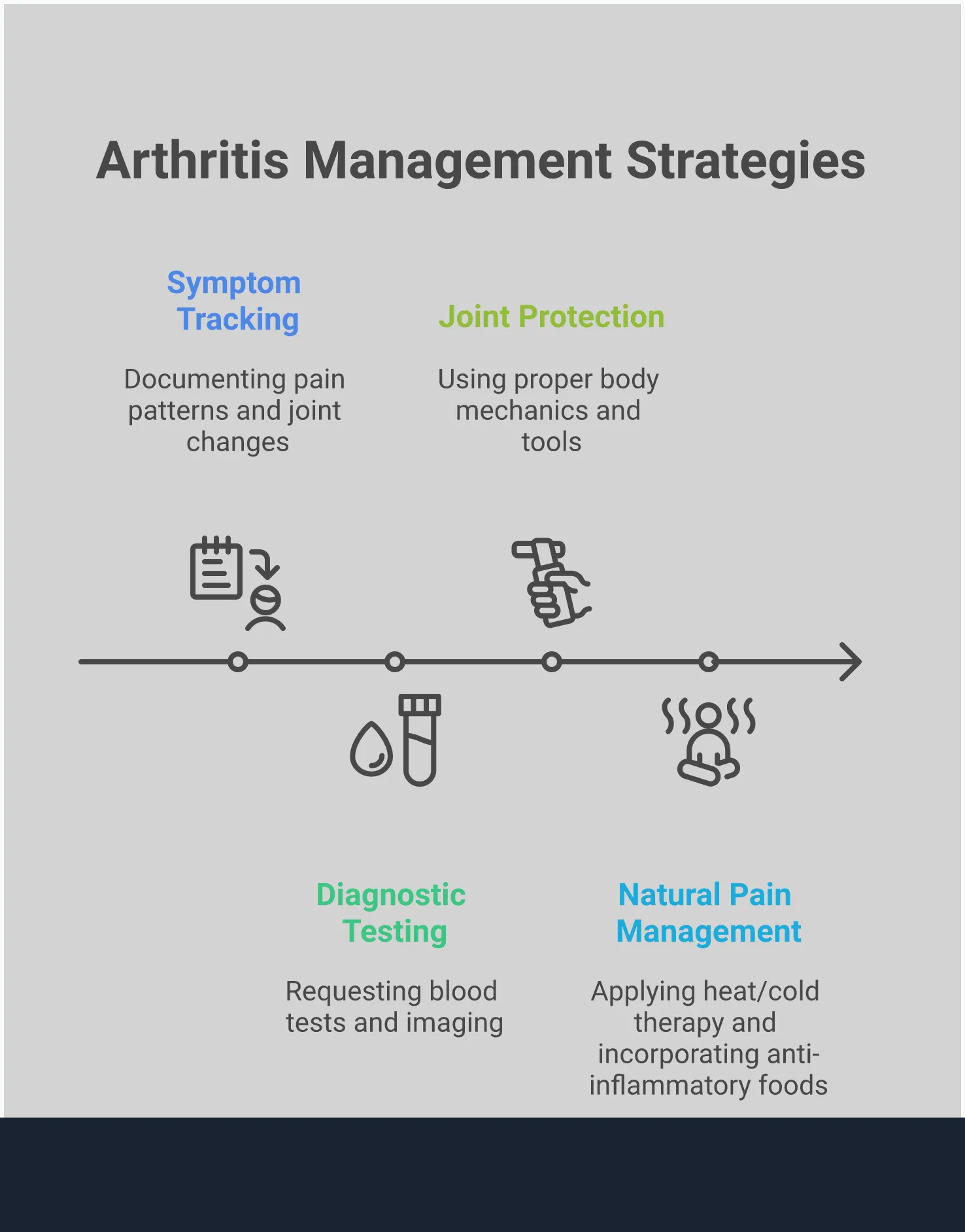
Your doctor will start by discussing your medical history and performing a physical exam of the affected joints. From there, they may recommend a few different tests to get a clearer picture. Imaging tests are very common; an X-ray or MRI can reveal changes inside your joints, like cartilage loss or bone spurs. Blood tests are also useful for detecting signs of inflammation or specific antibodies that can help identify certain types of arthritis, such as rheumatoid arthritis. These tests provide concrete evidence to support a diagnosis and rule out other potential issues, ensuring your treatment plan is targeted and effective.
What to Expect at Your Appointment
When you visit your doctor for joint pain, be ready to talk about your symptoms in detail. They’ll want to know when the pain started, how it feels, and what activities make it better or worse. Next, your doctor will conduct a physical examination, checking your joints for any swelling, tenderness, redness, or limited range of motion. In some situations, they might suggest a procedure called joint aspiration. This involves drawing a small amount of fluid from the joint with a needle to test for infection or crystals that can indicate gout. It might sound a little intense, but it provides valuable information for an accurate diagnosis.
Finding Relief: Treatments for Arthritis and Osteoarthritis
When you’re living with joint pain, the main goal is to manage your symptoms, reduce discomfort, and get back to doing what you love. While there isn’t a cure for arthritis, there are many effective ways to handle it and improve your quality of life. Finding the right combination of treatments is a personal process, and it often involves a mix of conventional medicine, natural therapies, and lifestyle adjustments. The key is to find a plan that helps you feel and move better without relying on solutions that come with unwanted side effects. Let's walk through some of the most common and effective approaches to finding relief.
Conventional Treatment Options
Your journey to relief usually starts with a proper diagnosis from your doctor, which often involves a physical exam, a review of your medical history, and sometimes imaging tests like X-rays. From there, conventional treatment focuses on symptom management. This can include over-the-counter pain relievers, prescription anti-inflammatory drugs, or physical therapy to improve joint function and strength. For some, corticosteroid injections can provide temporary relief. In more advanced cases, surgery might be presented as an option. These methods can be effective for many, but they don't work for everyone and can sometimes come with side effects or lengthy recovery times, leading many to look for complementary or alternative solutions.
Exploring Natural Therapies
Many people find significant relief by incorporating natural approaches into their daily routine. Simple lifestyle changes can make a huge difference. Maintaining a healthy weight takes pressure off your joints, especially your knees, hips, and feet. Gentle, low-impact exercises like swimming, walking, or yoga can keep your joints flexible and strengthen the muscles that support them. You can also manage osteoarthritis pain by adjusting your diet to include anti-inflammatory foods. These proactive steps are a core part of preventative wellness and can empower you to take control of your joint health for the long term.
How Light Therapy Eases Joint Pain
For those seeking a powerful, drug-free, and non-invasive option, light therapy is an excellent treatment for joint pain. This therapy uses specific wavelengths of light to penetrate the skin and stimulate your body’s natural healing processes at a cellular level. It works by reducing inflammation directly in the joint, which is a primary source of arthritis pain. Our approach to pain management also helps increase circulation to the affected area, bringing more oxygen and nutrients to help repair damaged tissue. Many people experience significant pain reduction because the light prompts the release of endorphins—your body’s own natural painkillers. It’s a safe and effective way to get lasting relief and improve mobility without surgery or medication.
Living with Arthritis: The Daily Impact
Living with arthritis is about so much more than just an occasional ache; it’s about how chronic joint pain can fundamentally reshape your day-to-day life. When simple movements become a source of discomfort, it can affect everything from your productivity at work to your overall mood. The constant presence of pain and stiffness requires a new level of planning and resilience just to get through the day. It’s a condition that makes its presence known in small moments—like struggling to grip your coffee mug—and big ones, influencing your choices, your energy levels, and your ability to enjoy your favorite activities. Understanding these daily challenges is the first step toward finding effective ways to manage them and reclaim your quality of life.
Challenges with Mobility and Movement
When you live with arthritis, especially osteoarthritis, everyday tasks can feel like major hurdles. Simple things you once did without a second thought—like opening a jar, walking up the stairs, or even getting out of a chair—can become painful. The stiffness, particularly in the morning or after sitting for a while, can make it hard to get going. Osteoarthritis often targets weight-bearing joints like the knees and hips, but it can also affect your hands, spine, and feet. This pain isn't always constant; for many, it starts as a dull ache and worsens with activity throughout the day. This unpredictability makes it difficult to plan activities, turning a simple walk or a day of errands into a challenge. Finding effective pain management becomes essential to maintaining your independence and mobility.
The Impact on Sleep and Well-Being
The effects of arthritis don't stop when you lie down to rest. In fact, for many, the night is when the struggle intensifies. Aching and throbbing joints can make it nearly impossible to find a comfortable position, leading to restless nights and interrupted sleep. Some people even find their symptoms flare up with changes in the weather, like cold or dampness, adding another layer of discomfort. This chronic lack of quality sleep can take a toll on your overall well-being, leaving you feeling fatigued, irritable, and less equipped to handle the day's challenges. The cycle of pain and poor sleep is frustrating, but focusing on preventative wellness can help you build resilience and manage the broader impact of arthritis on your life.
Can You Prevent Arthritis?
While there isn't a guaranteed way to prevent arthritis, you have more power over your joint health than you might think. Think of it less as a fixed destiny and more as a situation you can influence. By making proactive, thoughtful choices in your daily life, you can significantly lower your risk and support your joints for the long haul. It’s all about creating a lifestyle that helps your body stay strong, flexible, and resilient.
Strategies to Lower Your Risk
One of the most effective things you can do for your joints is to maintain a healthy weight. Extra pounds put additional stress on your weight-bearing joints—especially your knees, hips, and spine—which can accelerate wear and tear. Regular exercise is another key strategy. It does more than just help with weight management; it strengthens the muscles that support and stabilize your joints. When these muscles are strong, they act as shock absorbers, taking some of the load off the joints themselves. This combination of managing weight and building strength is a powerful defense for your joint health.
Tips for Maintaining Healthy Joints
What you eat can play a big role in how your joints feel. Incorporating anti-inflammatory foods into your diet helps calm inflammation throughout your body, including in your joints. Focus on foods rich in omega-3 fatty acids, like salmon, walnuts, and flaxseeds. It’s also smart to protect yourself from joint injuries, which are a known risk factor for developing arthritis later on. This means using proper form when you exercise or lift heavy objects and wearing supportive footwear. Staying active with low-impact activities like swimming, cycling, or walking keeps your joints moving without jarring them, promoting flexibility and strength.
When to See a Professional for Joint Pain
It can be tricky to know the difference between a temporary ache and something that needs a closer look. We all get sore from time to time, but persistent joint pain isn't something you have to accept as a normal part of life. Listening to your body and knowing when to ask for help is a powerful first step toward feeling better. If your joint pain is starting to interfere with your daily routine, it’s probably time to talk to a professional who can help you understand what’s going on and find a path to relief.
Key Warning Signs to Look For
Think of these as your body’s signals that it’s time to check in with a healthcare provider. If an ache lasts for more than a few days or is severe enough to limit your activities, that’s a clear sign. You should also pay attention to visible changes like swelling, redness, or warmth around the joint. Another telltale symptom is stiffness, especially if it sticks around for more than an hour after you wake up. Some people also notice a crunching or grinding feeling when they move. If any of these sound familiar, it's a good idea to seek professional advice for your pain management.
Choosing the Right Path for Your Health
Once you decide to see a professional, you’re taking control of your health. A proper diagnosis is the key to finding effective relief. Your provider will likely start with a physical exam and a conversation about your symptoms. From there, they might suggest imaging tests like X-rays or blood tests to get a clearer picture of what’s happening inside your joints. Getting an accurate diagnosis early on opens the door to a range of treatment options, from physical therapy to natural, non-invasive therapies. Don’t hesitate to reach out to a professional to explore a plan that feels right for you.
Frequently Asked Questions
My joints are stiff in the morning. Is that a sign of osteoarthritis? Morning stiffness is a classic sign of many types of arthritis, but how long it lasts can be a clue. With osteoarthritis, that stiff, hard-to-get-moving feeling usually improves within about 30 minutes of getting up and starting your day. If your stiffness hangs around for an hour or longer, it might point toward an inflammatory type of arthritis, like rheumatoid arthritis.
If osteoarthritis is from "wear and tear," does that mean I should stop exercising? Absolutely not. In fact, avoiding movement can often make joint stiffness and pain worse. The key is to choose the right kind of exercise. Low-impact activities like swimming, cycling, and walking are fantastic because they strengthen the muscles that support your joints without putting extra stress on them. Think of those muscles as your body's natural shock absorbers; the stronger they are, the less work your joints have to do.
Can a person have more than one type of arthritis at the same time? Yes, it's definitely possible to have more than one type. For example, someone could have an autoimmune condition like rheumatoid arthritis and also develop osteoarthritis in a specific joint due to a past injury or age-related changes. This is one of the main reasons why getting a thorough and accurate diagnosis from a healthcare professional is so important for creating an effective treatment plan.
What's the quickest way to tell the difference between osteoarthritis and other types of arthritis? The simplest distinction comes down to the cause. Osteoarthritis is a mechanical issue caused by the gradual breakdown of cartilage over time. In contrast, many other forms of arthritis, like rheumatoid arthritis, are autoimmune conditions where the body's own immune system attacks the joints. This often results in more widespread inflammation, redness, and warmth, which are not typical primary symptoms of osteoarthritis.
Besides pain, what are some other ways arthritis can affect my daily life? Chronic joint pain can have a ripple effect on your entire well-being. The discomfort can make it difficult to get a full night's sleep, which can lead to fatigue and irritability during the day. It can also impact your mood and make it harder to participate in social activities or hobbies you once enjoyed. Managing the condition is not just about addressing the physical pain but also about finding strategies to support your mental and emotional health.
Frequently Asked Questions
Is light therapy safe for athletes?

Yes, light therapy is completely safe and highly beneficial for athletes. It promotes faster muscle recovery, reduces inflammation, and supports performance without the risks of medication or downtime. That’s why professional and amateur athletes worldwide rely on it to train smarter and recover quicker.
How many sessions will I need?
The number of sessions varies depending on the type and severity of your condition. Many patients notice improvement after 3–5 sessions, while chronic conditions may require ongoing care for best results. During your initial consultation, we’ll design a personalized treatment schedule tailored to your body’s response and recovery goals.

Ready to Try Light Therapy for Recovery?