


Your Guide to the Best Treatment for Pickleball Shoulder Pain
When your shoulder starts acting up, the advice comes from all directions. Rest it. Ice it. Stretch it. See a physical therapist. The sheer number of options can be overwhelming, leaving you unsure of where to even begin. The truth is, what works for one person might not work for you, because every injury is different. The key is to understand what’s actually causing your discomfort so you can choose a path that leads to real healing, not just temporary relief. This article will help you cut through the noise, explaining the most effective strategies for recovery and helping you identify the best treatment for pickleball shoulder pain for your specific situation.
Key Takeaways
- Listen to your body's signals: Sharp pain during a swing is different from a dull post-game ache. Understanding these signs helps you identify the potential cause, like a rotator cuff strain, and know when it's time to get a professional diagnosis instead of pushing through it.
- Layer your recovery methods for better results: Start with immediate at-home care like rest and ice to manage initial symptoms. For deeper, more effective healing, combine these basics with professional treatments like physical therapy or laser light therapy that address the root of the inflammation.
- Shift your focus to long-term prevention: Staying on the court means building a more resilient shoulder. Make warm-ups, cool-downs, and consistent strengthening exercises for your rotator cuff and scapular muscles a non-negotiable part of your routine to prevent future injuries.
What's Causing Your Pickleball Shoulder Pain?
That sharp twinge during an overhead smash or the dull ache that lingers long after you’ve left the court can really put a damper on your love for pickleball. While it’s an incredibly fun and social sport, the quick, repetitive movements can take a toll on your body, especially your shoulders. Understanding the root cause of your discomfort is the first step toward finding relief and getting back in the game. Most pickleball-related shoulder pain comes down to a few common injuries caused by overuse and strain. Let's look at what might be happening inside your shoulder.
Common Culprit #1: Rotator Cuff Injuries
Your rotator cuff is a group of muscles and tendons that keep your upper arm bone secured within your shoulder socket. Think of it as the team responsible for lifting and rotating your arm, which you do constantly in pickleball. When you repeatedly serve, swing hard, or reach for a high shot, you can strain these tissues, leading to inflammation (tendonitis) or even small tears. If you’re feeling pain during or after a match, have trouble sleeping on the affected side, or notice weakness when you lift your arm, a rotator cuff injury could be the issue.
Common Culprit #2: Shoulder Impingement
Shoulder impingement occurs when the space narrows between the top outer edge of your shoulder bone and your rotator cuff tendons. When you lift your arm, the bone can rub against, or "impinge on," the tendons and the bursa (a fluid-filled sac), causing irritation and pain. This is especially common with the repetitive overhead motions in pickleball. You might feel a sharp pain when reaching overhead or behind your back, a general weakness in the shoulder, or an ache that radiates from the front of your shoulder to the side of your arm. This is a classic overuse injury that signals your shoulder needs a break and some care.
Common Culprit #3: Bursitis and Inflammation
Your shoulder has small, fluid-filled sacs called bursae that act as cushions between bones and soft tissues, helping to reduce friction. When you overdo it with overhead serves and volleys, these bursae can become inflamed and swollen, a condition known as bursitis. This inflammation is your body’s response to excessive strain. The primary symptoms are pain, swelling, and tenderness at the top or front of your shoulder. Often, bursitis goes hand-in-hand with rotator cuff tendonitis, creating a cycle of inflammation and discomfort that requires targeted pain management to resolve.
Common Culprit #4: Labral Tears and Biceps Tendonitis
The labrum is a ring of soft cartilage around your shoulder socket that helps keep the joint stable. A sudden twist or a repetitive strain from swinging can cause it to tear. A labral tear often feels like a deep ache inside the joint, sometimes with a catching, popping, or locking sensation during movement. Separately, biceps tendonitis is the inflammation of the tendon connecting your biceps muscle to your shoulder. Forceful, repeated swings can irritate this tendon, causing pain in the front of your shoulder. Both conditions can significantly impact your game and require a solid performance recovery plan.
Does Your Shoulder Pain Need Professional Attention?
It’s one thing to feel a little tired and sore after a few competitive pickleball matches. That’s often just a sign of a good workout. But it’s another thing entirely when that soreness crosses the line into real pain. How can you tell the difference between normal muscle fatigue and an injury that needs a closer look? Listening to your body is key, and knowing which signals to watch for can help you prevent a minor issue from becoming a major setback that keeps you off the court.
Many athletes have a "push through the pain" mentality, but that approach can backfire when it comes to joint health. Ignoring pain can lead to more significant problems down the road, potentially requiring more intensive treatments and a much longer recovery time. If you’re experiencing discomfort that feels different from your usual post-game ache, it’s time to pay attention. Certain types of pain, specific timing, and other symptoms like weakness or limited movement are your body’s way of telling you something is wrong. Understanding these signs is the first step toward getting the right care, like our non-invasive pain management therapies, and getting back to the game you love, stronger than before.
You Feel Sharp Pain During Overhead Swings
If you feel a sharp, sudden pain with quick or overhead movements, like when you’re serving or hitting a powerful overhead smash, that’s a major warning sign. This isn't the kind of discomfort you should try to play through. This type of acute pain often points to an underlying issue, such as a rotator cuff strain or shoulder impingement, where a tendon is getting pinched. Think of it as your body’s alarm system going off. Ignoring it and continuing to play can worsen the damage. Instead of pushing through, it’s best to stop what you’re doing and consider getting a professional evaluation to figure out exactly what’s going on inside the joint.
You Have a Persistent Ache After You Play
We all expect some muscle soreness after physical activity, but it should typically fade within a day or two. If you’re dealing with a dull ache or soreness that lasts more than a couple of hours after playing, your body might be telling you it’s not recovering properly. This lingering ache can be a sign of chronic inflammation, like bursitis or tendonitis, caused by overuse. It’s a signal that your shoulder isn’t handling the stress of the game well and needs more support. This persistent discomfort is a clear indicator that it’s time to seek professional advice to address the inflammation and prevent a more serious overuse injury.
You Notice Weakness or Limited Range of Motion
Shoulder injuries aren’t always just about pain. Pay close attention if you notice other symptoms, like ongoing weakness, trouble lifting your arm, or a clicking sound in your shoulder. Maybe you find it difficult to reach for something on a high shelf or feel like you’ve lost some power in your serve. These signs suggest that the mechanics of your shoulder joint may be compromised. A limited range of motion or a feeling of instability can point to issues with your tendons, ligaments, or the labrum. Getting a proper diagnosis from a professional can help identify the root cause and create a plan to restore your shoulder’s strength and function.
Red Flags That Mean You Should See a Doctor Now
Some symptoms are more than just warning signs; they are red flags that require immediate medical attention. If your shoulder pain started with a fall, or if you see significant swelling and bruising, you need to see a doctor right away. The same goes for being unable to lift your arm at all or experiencing severe, constant pain that only gets worse. These symptoms could indicate a serious injury like a fracture, a dislocation, or a complete tear of a tendon or ligament. Don’t wait it out. Seeking prompt medical care is crucial for a proper diagnosis and to prevent long-term damage.
How Can You Treat Shoulder Pain at Home?
When your shoulder starts acting up, your first instinct is probably to find relief at home. The good news is that several simple, effective strategies can help manage the initial pain and inflammation. These at-home treatments are the first line of defense and can make a significant difference in your recovery. Think of them as the essential first steps you can take before seeking professional care, giving your body the support it needs to start healing.
Rest and Modify Your Activities
The most important rule for any injury is to listen to your body. If a specific movement on the pickleball court causes a twinge of pain, that’s your cue to stop. Pushing through discomfort, clicking sounds, or limited movement can turn a minor issue into a major one. Rest doesn’t mean you have to stop moving entirely. Instead, focus on modifying your activities. This might mean taking a few days off from playing, avoiding overhead shots, or practicing dinks instead of powerful serves. Giving your shoulder a break from the specific motions that cause stress is crucial for letting the inflammation calm down and allowing the healing process to begin.
Use Ice and Anti-Inflammatory Options
Applying ice is a classic for a reason: it helps reduce inflammation and numb the area, providing immediate relief. For the first 48 to 72 hours after you notice pain, try icing your shoulder for 15 to 20 minutes every few hours. Be sure to wrap the ice pack in a thin towel to protect your skin. This simple step can significantly decrease swelling and dull the ache. Over-the-counter anti-inflammatory medications are another common option for managing pain, but they are best used as a short-term solution. They can help you feel more comfortable, but they won't fix the underlying cause of the injury.
Try Gentle Stretches and Movements
While you want to avoid painful movements, complete immobilization can lead to stiffness and a longer recovery. The key is to introduce gentle, pain-free motion to encourage blood flow and maintain your range of motion. Simple exercises like slow shoulder rolls, wall push-ups, or pendulum swings can keep the joint mobile without adding strain. A physical therapist can provide a structured plan, but starting with these gentle movements at home is a great way to support your shoulder’s performance recovery. If any movement causes sharp pain, back off immediately. The goal is to gently coax your shoulder back to health, not force it.
Find Effective Pain Management Techniques
While ice and rest can manage acute symptoms, true recovery involves addressing the underlying issue. Over-the-counter pain relievers can mask the problem, but they don’t help your tissues heal. This is where innovative approaches like light therapy come in. Instead of just hiding the pain, this type of pain management works at a cellular level to reduce inflammation and accelerate your body’s natural healing processes. It’s a non-invasive way to help your shoulder heal from within, offering a path to long-term relief rather than just a temporary fix. It’s an effective technique to consider as part of your comprehensive recovery plan.
What Professional Treatments Help Shoulder Injuries?
When rest and ice aren't cutting it, it’s time to look into professional treatments. Getting expert help ensures you’re addressing the root cause of your shoulder pain, not just masking the symptoms. A proper diagnosis is the first step toward a recovery plan that gets you back on the court safely and effectively. From non-invasive therapies to targeted exercises, there are several paths you can take to heal your shoulder for good.
Heal and Relieve Pain with Laser Light Therapy
If you’re looking for a drug-free, non-invasive option, laser light therapy is a fantastic place to start. Unlike painkillers that offer temporary relief, this treatment helps your shoulder heal from within by targeting the underlying cause of the injury. It uses specific wavelengths of light to reduce inflammation, ease pain, and accelerate tissue repair at a cellular level. This approach is a game-changer for athletes and anyone seeking long-term pain management without resorting to injections or surgery. It’s a gentle yet powerful way to support your body’s natural healing process.
Recover with Physical Therapy and Targeted Exercises
Physical therapy is a cornerstone of recovery for most shoulder injuries. A skilled physical therapist will assess your specific condition and create a personalized exercise program. The goal is to rebuild strength in your rotator cuff and surrounding muscles, restore your full range of motion, and reduce pain. Your routine will likely include targeted movements using tools like resistance bands or light weights. A therapist guides you on proper form to ensure you’re strengthening the right muscles without causing further strain, setting you up for a stronger, more resilient shoulder.
Explore Advanced Medical Options
For more severe or persistent shoulder injuries, your doctor might discuss other medical treatments. These often start with conservative options like prescription anti-inflammatory medications to manage pain and swelling. If the pain continues, corticosteroid injections are sometimes used to provide powerful, localized inflammation relief. In cases involving significant structural damage, like a complete rotator cuff tear, surgery may be recommended as a last resort to repair the damaged tissues. These options are typically considered after less invasive treatments haven't provided the necessary relief.
Know When It's Time for Professional Help
It can be tough to know when to push through discomfort and when to see a professional. You should schedule an appointment with a doctor or specialist if you experience sharp pain from a fall, significant swelling or bruising, or an inability to lift your arm. Another major red flag is persistent, severe pain that doesn’t improve with rest or gets worse over time. Don't ignore these signals. Getting a timely and accurate diagnosis is crucial for effective treatment. If you're unsure where to begin, you can always contact us for a consultation.
Which Exercises Can Speed Up Your Recovery?
When your shoulder is hurting, your first instinct might be to stop moving it altogether. While rest is definitely a key part of the healing equation, gentle, targeted movement is what will truly help you get back on the court. The right exercises can carefully restore your range of motion, reduce stiffness, and rebuild strength in the supporting muscles. Think of it as taking an active role in your own recovery. By focusing on specific movements, you’re not just waiting for the pain to go away; you’re actively helping your shoulder heal correctly and building resilience against future injuries. It's about being smart with your movement, not avoiding it entirely.
These exercises are designed to be a starting point for your recovery journey. They work best when paired with a comprehensive treatment plan that addresses the root cause of your pain. Combining a consistent exercise routine with professional care, like our non-invasive performance recovery light therapy, can help manage inflammation and accelerate tissue repair. This integrated approach gives your body the support it needs to heal from all angles. Always listen to your body, and if any movement causes sharp pain, it’s best to stop and consult with a professional. The goal is progress, not perfection, and certainly not more pain.
Start with Pendulum Stretches for Mobility
If your shoulder feels tight and stiff, pendulum stretches are a great way to gently reintroduce motion. This exercise helps to open up the shoulder joint and improve your range of motion without putting stress on your injured muscles. To do it, find a sturdy table or chair you can lean on for support. Lean forward, placing your good hand on the surface, and let your injured arm hang straight down toward the floor. Relax your shoulder and gently swing your arm forward and backward, then side to side, and finally in small circles. The goal is to let gravity and momentum do the work. Keep the movements small and pain-free. This simple stretch is a foundational step in addressing many common pickleball injuries.
Strengthen Your Shoulder with Resistance Bands
Once your mobility starts to improve, it’s time to add some light resistance to rebuild strength. Resistance bands are perfect for this because they allow you to work your muscles in a controlled way without the strain of heavy weights. The focus here is on strengthening your rotator cuff, the group of muscles that keeps your shoulder stable. Simple exercises like external rotations are incredibly effective. To perform one, hold a resistance band with both hands, elbows bent at 90 degrees and tucked into your sides. Keeping your elbows stationary, slowly pull the band apart by rotating your forearms outward. This targeted strengthening is a key part of any pickleball shoulder injury recovery plan.
Focus on Scapular Stabilization
Your shoulder blade, or scapula, is the foundation for all your arm movements. If the muscles controlling it are weak, your shoulder joint has to work overtime, which can lead to pain and injury. That’s why exercises that focus on scapular stabilization are so important. These movements train the muscles around your shoulder blades to provide a strong, stable base for your arm. Simple exercises like wall push-ups or scapular squeezes (gently pinching your shoulder blades together) can make a huge difference. By improving your shoulder’s stability, you reduce the risk of recurring pickleball shoulder pain and improve your overall function on and off the court.
Follow a Plan to Return to Play Safely
After putting in the work to heal your shoulder, the last thing you want is to reinjure it by jumping back into the game too soon. A gradual return to play is the smartest way to ensure your shoulder is truly ready for the demands of pickleball. Start with short, low-intensity sessions, focusing on your form rather than power. Pay close attention to how your shoulder feels during and after you play. Make sure to include rest days in your schedule to give your body time to adapt and recover. Slowly increase your playing time and intensity over several weeks. This patient, methodical approach will help you build back your strength and confidence, allowing you to enjoy the game for years to come.
How Can You Prevent Shoulder Pain in the Future?
Once you’ve addressed the immediate pain, the next step is to think long-term. Preventing a future injury is the best way to keep yourself on the pickleball court and out of the doctor’s office. It’s easy to jump right back into your old routine, but taking a proactive approach to your shoulder health will make a world of difference. This isn’t about being overly cautious; it’s about being smart so you can continue to play the game you love for years to come.
Think of it as building a foundation for a healthier, more resilient body. By incorporating a few simple habits into your routine, you can significantly reduce your risk of re-injury. From properly preparing your body for a match to using the right equipment, these strategies work together to protect your shoulders. It’s about playing smarter, not just harder. And if you’re looking for an extra layer of support, our preventative wellness services can help keep your body in top condition.
Master Your Warm-Up and Cool-Down
Skipping your warm-up or cool-down might save you five minutes, but it could cost you weeks of recovery time. Think of a warm-up as a signal to your body that it’s time to work. Gentle, dynamic movements like arm circles and torso twists increase blood flow to your muscles, making them more pliable and ready for the quick, explosive actions of pickleball. A proper warm-up is one of the most effective ways to prevent pickleball shoulder pain.
Your cool-down is just as important. After a match, your muscles are tight and need to be eased back into a resting state. Gentle, static stretches help improve flexibility and reduce post-game soreness. Taking just a few minutes to stretch your shoulders, chest, and back can help release tension and kickstart the recovery process.
Build Shoulder Stability with Strengthening Exercises
A strong shoulder is a stable shoulder. While pickleball is a great workout, it doesn’t replace targeted strength training. Your rotator cuff muscles are essential for controlling your arm’s movement during serves and volleys, but they’re also highly susceptible to injury. Incorporating exercises to strengthen these muscles two to three times a week can make them more resilient to the demands of the game.
You don’t need a complicated gym routine. Simple exercises using resistance bands or light weights can be incredibly effective. Focus on movements that support the rotator cuff, like external rotations and shoulder presses. Building this strength is a key part of any performance recovery plan, as it helps your body handle the stress of repetitive motions without breaking down.
Adjust Your Equipment and Technique
Sometimes, the source of your shoulder pain isn’t just your body; it’s your gear or your form. Using a paddle that’s even slightly too heavy can cause your arm muscles to fatigue quickly, putting extra strain on your shoulder joint. If you’re experiencing pain, consider trying a lighter paddle to see if it makes a difference.
Your technique also plays a huge role. Many players rely too much on their arm to generate power, which puts immense pressure on the shoulder. Instead, learn the correct way to hit the ball by engaging your legs and core. This distributes the force throughout your entire body, protecting your shoulder from overuse. If you’re unsure about your form, ask an experienced player or a coach to watch you play.
Debunking Common Prevention Myths
Let’s clear up a couple of common misconceptions. First, shoulder pain is not a normal part of getting older. While our bodies change over time, pain is usually a sign that something is wrong, like muscle weakness or overuse. Your shoulder is built for mobility, which means it sacrifices some stability. Without proper care and strengthening, the fast, repetitive swings in pickleball put it at a higher risk of injury, regardless of your age.
Second, don’t fall for the idea that pickleball is so easy you won’t get hurt. It’s an accessible sport, but it’s also athletic and demanding. Persistent shoulder pain often points to tendon overload from repetitive motions. Recognizing that injuries can and do happen is the first step toward actively preventing them.
How Do You Choose the Right Treatment for You?
Finding the right path back to the pickleball court starts with a smart, personalized approach. There’s no single magic bullet for shoulder pain, because every injury and every person is unique. The best plan combines immediate relief with long-term strategies to keep you playing pain-free for years to come. It’s about listening to your body, getting the right diagnosis, and committing to a recovery process that works for you.
Think of it as a three-part strategy. First, you need to identify the specific problem so you can treat it effectively. Next, you’ll create a patient and practical timeline for your recovery, focusing on healing and rebuilding strength. Finally, you’ll build healthy habits that protect your shoulders from future injuries. By breaking it down this way, you can move from feeling frustrated and sidelined to feeling empowered and in control of your health.
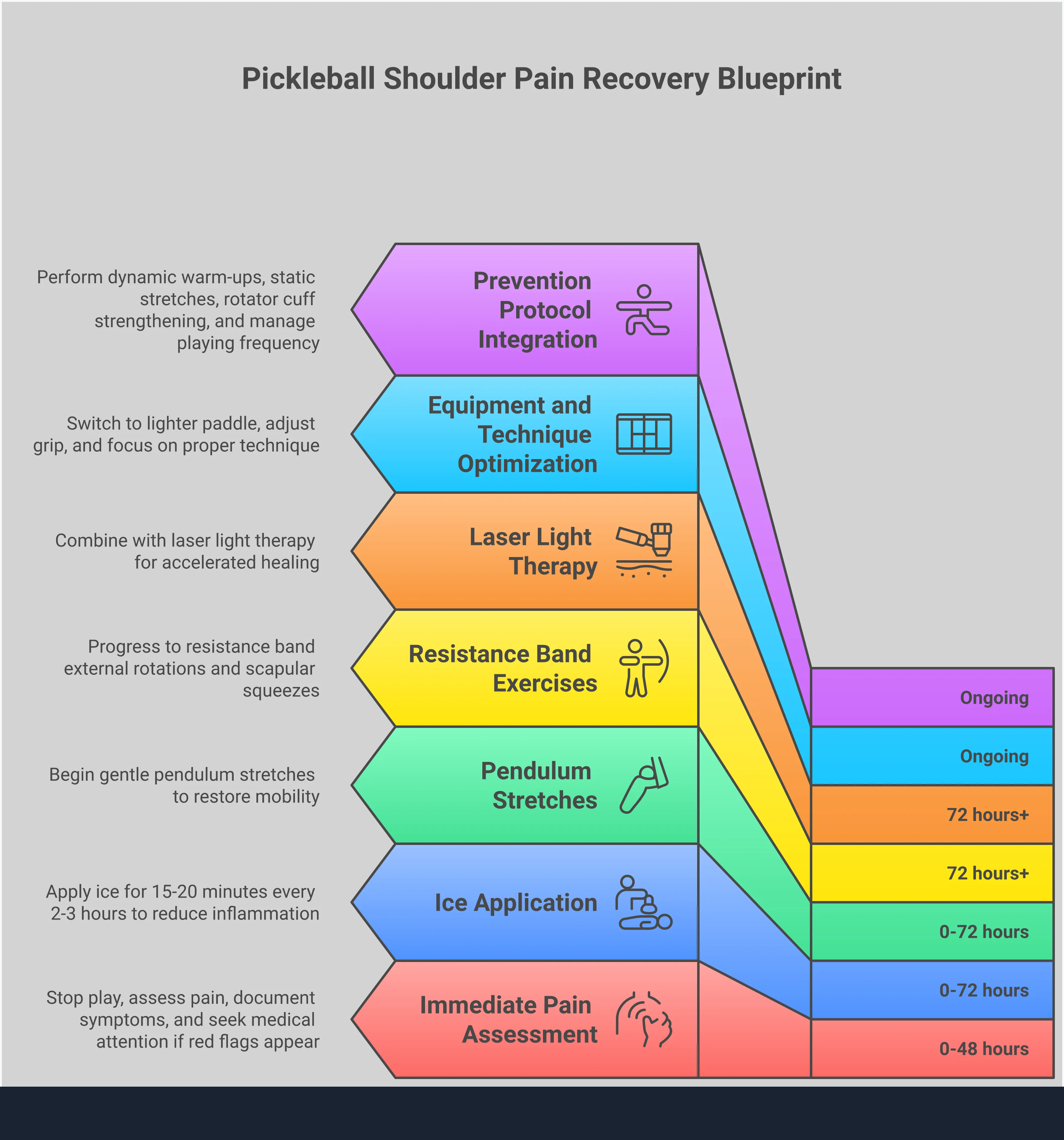
Match the Treatment to Your Injury
The first step in any effective treatment plan is knowing exactly what you’re dealing with. Vague shoulder pain can stem from several issues, from a rotator cuff strain to inflammation, and each requires a different approach. If your pain is sharp, getting worse, or just not going away after a few days of rest, it’s a good idea to see a doctor for a proper diagnosis. Catching an injury early can help you avoid more invasive treatments down the road. Once you know the cause, you can explore targeted solutions. Many treatment plans begin with conservative methods like rest, ice, and non-invasive therapies that focus on pain management and reducing inflammation without medication.
Create a Realistic Recovery Timeline
Patience is your best friend during recovery. Healing takes time, and pushing yourself too soon can set you back. A physical therapist can be an excellent partner in this process, guiding you through exercises that first calm the pain and then gradually rebuild strength and mobility. Your timeline should be based on milestones, not just dates on a calendar. The goal is to feel a steady improvement in pain levels and function. Supporting your body’s natural healing process with treatments designed for performance recovery can also help you get back on the court safely. Remember to listen to your body and adjust your plan as needed, celebrating small wins along the way.
Adopt Long-Term Strategies for Shoulder Health
Once the pain subsides, the work isn’t over. The final, and perhaps most important, step is shifting your focus to long-term prevention. This means making shoulder care a regular part of your routine. Consistently performing warm-up and cool-down exercises before and after you play is non-negotiable. You should also incorporate strengthening exercises two to three times a week to build durable, resilient shoulder muscles. Think about your overall wellness, too. Regular care that reduces inflammation and supports muscle health can make a huge difference. Committing to a preventative wellness plan helps you stay ahead of injuries so you can spend more time playing the game you love.
Frequently Asked Questions
How long should I try at-home treatments before seeing a professional? A good rule of thumb is to give at-home care, like rest and ice, about a week. If you see steady improvement, you're likely on the right track. However, if the pain stays the same, gets worse, or interferes with your daily life and sleep, it's time to get a professional opinion. Don't wait at all if you experience sharp, sudden pain or a significant loss of strength.
What does laser light therapy actually do for a shoulder injury? Think of laser light therapy as a way to supercharge your body's natural healing process. Instead of just masking pain like medication does, it uses specific light wavelengths to penetrate the tissue and work at a cellular level. This process helps reduce inflammation, improve blood flow, and speed up the repair of damaged tissues like tendons and muscles, addressing the root cause of your pain.
Can I prevent future shoulder pain just by warming up, or do I really need to do strengthening exercises? Doing both is essential because they serve two different, equally important functions. A warm-up gets your muscles ready for the immediate demands of a pickleball match, making them more pliable and less prone to injury. Strengthening exercises, performed consistently over time, build a more stable and resilient shoulder joint that can better withstand the repetitive stress of the game. One prepares you for the day, while the other protects you for the long haul.
How do I know when my shoulder is truly ready to get back on the pickleball court? Your return to the court should be guided by function, not just the calendar. You'll know you're ready when you have your full, pain-free range of motion back and you can perform daily activities without any twinges or aches. Before playing a full game, test your shoulder by gently going through the motions of serving and swinging. If you can do that without pain, you can start a gradual return, beginning with shorter, less intense sessions.
Is it ever okay to play through minor shoulder discomfort? It’s important to know the difference between normal muscle fatigue and joint pain. Feeling tired or a bit sore in your muscles after a tough match is expected. However, any sharp, pinching, or localized ache deep within the shoulder joint is a signal to stop. Pushing through that kind of pain can easily turn a minor strain into a more serious injury that requires a much longer recovery.
Frequently Asked Questions
Is light therapy safe for athletes?

Yes, light therapy is completely safe and highly beneficial for athletes. It promotes faster muscle recovery, reduces inflammation, and supports performance without the risks of medication or downtime. That’s why professional and amateur athletes worldwide rely on it to train smarter and recover quicker.
How many sessions will I need?
The number of sessions varies depending on the type and severity of your condition. Many patients notice improvement after 3–5 sessions, while chronic conditions may require ongoing care for best results. During your initial consultation, we’ll design a personalized treatment schedule tailored to your body’s response and recovery goals.

Ready to Try Light Therapy for Recovery?