

Pickleball Injury Recovery: Your Complete Guide
The rise of pickleball has been incredible, but so has the rise in pickleball-related injuries. From nagging tennis elbow to a sudden lower back strain, the physical demands of the game can catch up to anyone. If you’ve found yourself sidelined, you know how frustrating the healing process can be. The good news is that you have a lot of control over how you bounce back. A proactive approach can make all the difference. This article breaks down the entire process, from immediate first aid to advanced treatments that support healing. We’ll give you actionable strategies for a faster pickleball injury recovery and help you build a stronger foundation to prevent future issues.
Key Takeaways
- Build your body's defense against injury: The best way to handle an injury is to avoid it in the first place. A consistent routine of dynamic warm-ups, off-court strength training, and using the right court shoes provides the foundation you need to play safely.
- Know your immediate injury game plan: If you get hurt, your first moves matter most. Stop playing right away and use the R.I.C.E. method—Rest, Ice, Compression, and Elevation—to control pain and swelling in the critical first 48 hours.
- Embrace an active recovery process: Getting back on the court requires more than just rest. You can speed up healing with targeted rehab exercises, supportive treatments like light therapy, and a gradual return-to-play schedule that respects your body's limits.
What Are the Most Common Pickleball Injuries?
Pickleball is an incredibly fun and social sport, but its fast-paced nature can take a toll on your body. The game is full of quick stops, sudden pivots, and repetitive swinging motions, all of which can lead to injury if you’re not careful. Understanding the common physical challenges players face is the first step toward staying healthy and on the court.
Most pickleball injuries fall into two categories: acute injuries, which happen suddenly (like an ankle sprain), and chronic injuries, which develop over time from repetitive stress (like tennis elbow). Whether you’re a weekend warrior or a competitive player, knowing the risks can help you focus on smart training, proper form, and effective performance recovery strategies. Let’s look at some of the most frequent injuries that can sideline players.
Ankle Sprains and Strains
The rapid, side-to-side movements in pickleball are a classic recipe for ankle injuries. A quick dash to the net or a sudden change in direction can cause you to roll your ankle, stretching or even tearing the ligaments that support the joint. You’ll usually feel immediate pain and see swelling. Ankle sprains are one of the most common acute injuries in the sport, making proper footwear with good lateral support absolutely essential. Strengthening the muscles around your ankle can also provide extra stability to handle those quick, explosive movements.
Knee Instability
Your knees do a lot of work during a pickleball match—pivoting, lunging, and absorbing impact. These dynamic movements can strain the muscles and ligaments that keep your knee joint stable, leading to sprains of the quadriceps or hamstrings. For some, the repetitive stress can aggravate pre-existing conditions or cause new issues like patellar tendinitis (jumper's knee). Focusing on proper form, especially when lunging for low shots, can help protect your knees from unnecessary strain and keep you moving comfortably on the court.
Shoulder and Rotator Cuff Issues
All those overhead smashes and powerful serves can lead to overuse injuries in your shoulder. The rotator cuff, a group of muscles and tendons that stabilize the shoulder joint, is particularly vulnerable. Repetitive overhead motions can cause inflammation (tendinitis) or small tears over time, resulting in a dull ache, weakness, or pain when lifting your arm. These issues often develop gradually, so paying attention to early signs of discomfort is key. A good preventative wellness routine that includes shoulder strengthening and stretching can make a big difference.
Tennis Elbow and Wrist Pain
You don’t have to play tennis to get tennis elbow. This condition, officially known as lateral epicondylitis, is an inflammation of the tendons on the outside of your elbow. It’s caused by the repetitive gripping and swinging of the paddle, especially if your technique is off. You might feel a nagging pain that worsens with movement. Similarly, the quick, snapping motions used for volleys and backhands can strain the tendons in your wrist, leading to pain and weakness. Using the right paddle grip size and focusing on using your whole body—not just your arm—can help reduce the stress on these smaller joints.
Plantar Fasciitis
If you’ve ever felt a sharp, stabbing pain in your heel, especially with your first steps in the morning, you might be dealing with plantar fasciitis. This common overuse injury is an inflammation of the plantar fascia, the thick band of tissue that runs across the bottom of your foot. The constant starting, stopping, and running on the hard pickleball court surface can put a lot of stress on this tissue. Wearing supportive shoes, stretching your calves and feet regularly, and avoiding playing on worn-out footwear are important steps to keep your feet happy.
Lower Back Strain
From bending low for a dink shot to twisting your body for a cross-court return, your lower back is constantly engaged during a pickleball game. These movements can easily lead to muscle strains if your core is not strong enough to support your spine. A weak core forces the muscles in your lower back to overcompensate, leaving them vulnerable to injury. Maintaining good posture and incorporating core-strengthening exercises into your fitness routine can provide the stability your back needs to handle the demands of the game. At Laser Lab, our team of experts understands how interconnected the body is and can help you build a foundation for pain-free play.
What to Do Right After an Injury
That moment when you feel a sudden twinge or a sharp pain can be scary. Whether it’s a rolled ankle or a strained muscle, your immediate actions can make a huge difference in your recovery time. Don't panic—just focus on these first critical steps to manage the injury and set yourself up for a smooth healing process. Think of this as your on-the-spot game plan for getting back on your feet. Taking the right steps from the very beginning is the foundation of effective pain management and a quicker return to the court.
Follow the R.I.C.E. Method
The first thing to remember is the acronym R.I.C.E. It’s a simple, proven method for treating acute soft-tissue injuries.
- Rest: Stop playing immediately. As tempting as it is to push through, continuing to play will only make the injury worse. Give your body the break it needs to start the healing process.
- Ice: Apply a cold pack or ice wrapped in a thin towel to the injured area. This helps constrict blood vessels, which reduces swelling and numbs the pain.
- Compression: Gently wrap the area with an elastic bandage. This provides support and helps minimize swelling by preventing fluid from building up.
- Elevation: Prop the injured limb up so it’s higher than your heart. This uses gravity to help drain excess fluid away from the injury site.
Take These First Aid Steps
Once you’re off the court, it’s time to apply the R.I.C.E. method with a bit more intention. For the first 48 hours, apply ice for about 20 minutes every two to three hours. Be sure to place a towel between the ice pack and your skin to prevent ice burn. Rest is non-negotiable during this period, so avoid any activities that cause pain or put stress on the injured area. When applying compression, make sure the bandage is snug but not cutting off circulation—tingling or numbness is a sign it’s too tight. Keep the area elevated as much as possible, especially when you’re sitting or lying down.
Know When to See a Doctor
While many minor injuries can be managed at home, some situations require professional medical attention. You should see a doctor if you experience any of the following:
- Severe pain, swelling, or numbness
- An obvious deformity, like a bone or joint that looks out of place
- You can’t put any weight on the injured limb
- The pain gets worse instead of better after a couple of days of home care
It’s always better to be safe and get a proper diagnosis. If you have questions about your injury or want to create a plan for a safe recovery, feel free to contact us for a consultation.
Manage Pain in the First 48 Hours
The first two days after an injury are all about controlling the initial inflammation and pain. The R.I.C.E. method is most effective during this 24- to 48-hour window because it directly addresses the body's immediate response to trauma. By reducing swelling and managing discomfort from the start, you create a better environment for your body to begin repairing the damaged tissue. Once this acute phase passes, you can shift your focus to treatments that support long-term healing. This is where services like our performance recovery light therapy can help accelerate tissue repair and get you back in the game.
What to Expect for Your Recovery Timeline
Getting back on the court is the goal, but your recovery timeline will depend entirely on the type of injury, its severity, and your overall health. While it’s tempting to rush back, understanding the general timeframes for healing can help you set realistic expectations and give your body the time it truly needs. Remember, these are just estimates, and your personal recovery path might look a little different. Listening to your body and your healthcare provider is always the best approach.
Minor Injuries (2-4 Weeks)
Minor injuries, like a slight ankle roll or a mild muscle strain, can feel frustrating but usually have a quicker turnaround. For these types of issues, you can generally expect a recovery period of about two to four weeks. During this time, your main focus should be on rest, managing any swelling, and gradually reintroducing gentle movement to maintain flexibility. Don't make the mistake of pushing through the pain, as that can easily turn a small setback into a chronic problem that keeps you off the court for much longer.
Moderate Injuries (4-8 Weeks)
If you’re dealing with a more significant sprain, a persistent case of tennis elbow, or an injury that isn’t getting better on its own, you’re likely in the moderate category. Recovery for these injuries can take anywhere from four to eight weeks, and sometimes longer. This is often the point where seeking professional guidance becomes essential. A physical therapist can provide a structured rehab plan with specific exercises to help you regain strength and mobility safely, ensuring you heal correctly and reduce the risk of re-injury when you return to playing.
Severe Injuries (8+ Weeks)
Severe injuries like fractures, torn ligaments, or rotator cuff tears require significant time and care to heal properly. The recovery timeline for these is typically eight weeks or more, with many taking several months to fully resolve. This path almost always involves working closely with doctors and physical therapists. Patience is your best friend here. Following your prescribed treatment plan diligently is critical for a successful recovery and a safe, confident return to pickleball without long-term complications.
What Can Speed Up or Slow Down Healing?
Several factors can influence how quickly you recover. After the first 24-48 hours, once initial swelling has subsided, beginning gentle movement can promote better healing. Your body’s ability to repair itself is also heavily dependent on circulation. Methods that support this process, like our performance recovery light therapy, can help reduce pain and inflammation, creating an optimal environment for healing. Additionally, incorporating active recovery techniques helps deliver fresh oxygen and nutrients to your muscles, which is exactly what they need to repair themselves.
How to Speed Up Your Healing Process
Once you’ve managed the initial pain and swelling, your focus can shift to actively healing. Getting back on the court safely isn’t about waiting around—it’s about giving your body the right tools to rebuild and get stronger. It can be frustrating to sit on the sidelines, but viewing this time as a strategic part of your training can change your entire mindset. The right combination of advanced treatments, guided movement, and smart self-care can make a huge difference in your recovery timeline, turning a setback into a setup for better performance.
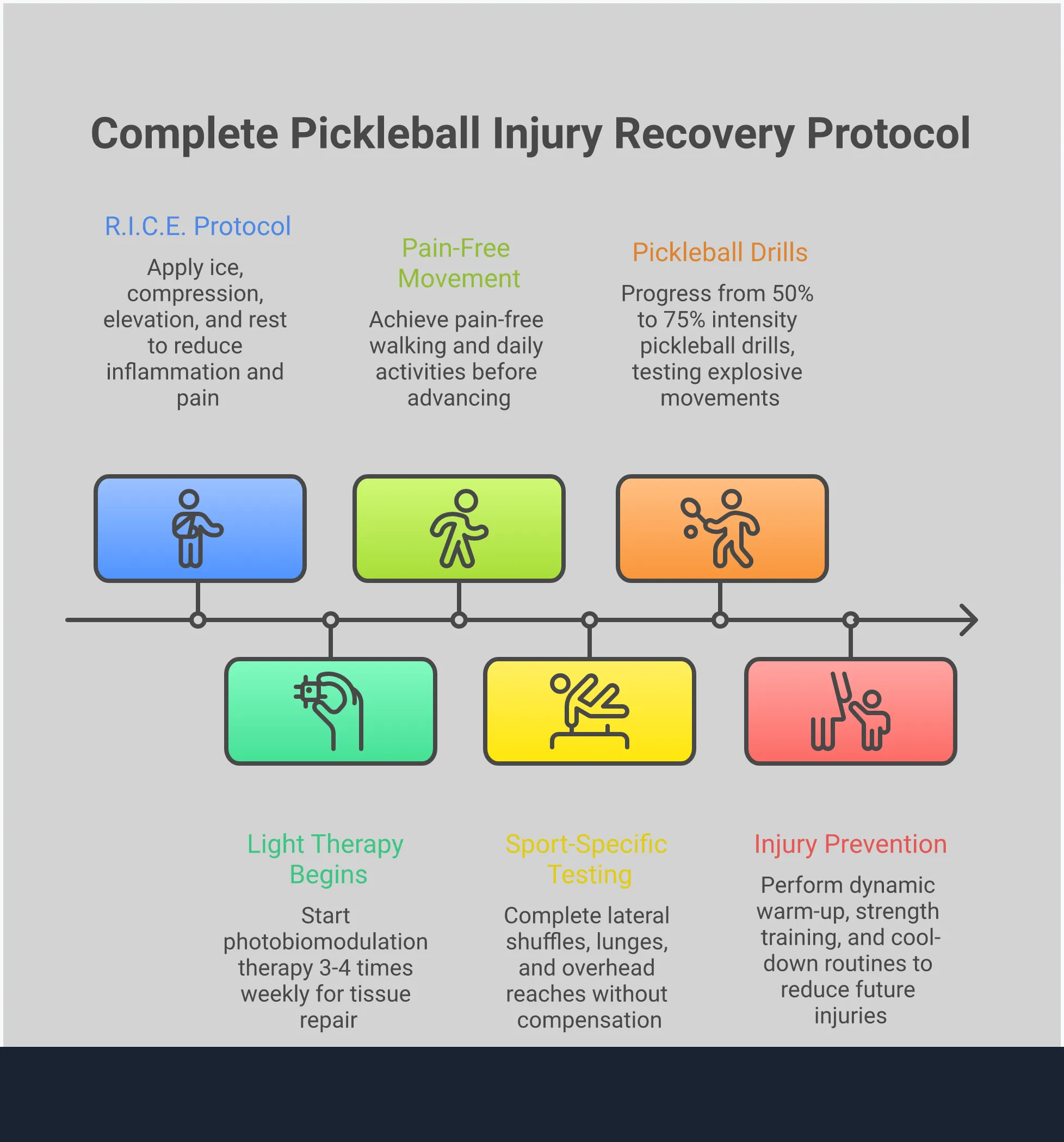
By taking a proactive approach, you can help your body repair tissue more efficiently, restore your range of motion, and build resilience against future injuries. This isn't just about getting back to your old self; it's about coming back even better. A structured recovery plan helps you feel in control and ensures you're making steady, safe progress. It empowers you to listen to your body and make informed decisions every step of the way. Let’s walk through four key strategies that will help you get back to playing the game you love, faster and stronger than before.
Reduce Pain and Swelling with Light Therapy
If you’re looking for a way to accelerate healing without drugs or downtime, light therapy is a game-changer. This non-invasive treatment, also known as photobiomodulation (PBM), uses specific wavelengths of light to stimulate your body’s natural healing mechanisms at a cellular level. It helps reduce inflammation, increase circulation, and relieve pain, creating the ideal environment for your tissues to repair themselves.
Clinical research shows that PBM can significantly cut down recovery time for musculoskeletal injuries, which is why so many athletes rely on it for performance recovery. A few sessions can help manage pain and improve mobility, allowing you to start your rehab exercises sooner and with greater comfort.
Start Physical Therapy and Rehab Exercises
Rest is important, but strategic movement is what rebuilds strength and prevents re-injury. Working with a physical therapist is one of the best steps you can take. A professional can create a personalized rehabilitation plan with targeted exercises designed to restore your strength, flexibility, and stability. They’ll guide you on how to move safely, ensuring you don’t push yourself too hard, too soon.
These exercises aren’t just about healing the injured area; they also address underlying imbalances that may have contributed to the injury in the first place. This guided approach helps you regain confidence in your body’s abilities and builds a stronger foundation for your return to pickleball.
Incorporate Active Recovery Techniques
What you do on your "off" days matters just as much as your rehab sessions. Active recovery involves gentle, low-impact movement that keeps blood flowing to your muscles and joints without causing strain. This helps flush out metabolic waste, reduce soreness, and maintain flexibility. Think of it as a way to keep your body primed for healing.
You don’t need to spend hours on it. Just 10 to 15 minutes of light activity after a walk or on a rest day can be incredibly effective. Simple activities like gentle yoga, dynamic stretching, foam rolling, or a slow ride on a stationary bike are perfect examples of active recovery that help your body repair itself more efficiently.
Fuel Your Body to Repair Tissue
Your body is working overtime to repair damaged tissue, and it needs the right fuel to do its job. Nutrition plays a critical role in how quickly and effectively you heal. Focus on a balanced diet rich in anti-inflammatory foods, lean proteins, and essential vitamins and minerals. Protein is the building block for muscle and tissue repair, so make sure you’re getting enough from sources like chicken, fish, beans, and legumes.
Hydration is also key. Drinking plenty of water helps transport nutrients to your cells and keeps your joints lubricated. For personalized advice, consider talking with a healthcare professional or a registered dietitian to ensure you're meeting your body's specific needs during recovery.
How to Safely Return to the Court
After weeks of rest, you’re probably itching to get back on the court. But returning too quickly can set you back. A thoughtful, gradual approach is your best bet for a successful return to the game you love. Proper recovery is key to getting back on the court safely.
Follow a Step-by-Step Return Plan
The golden rule is simple: you should have no pain, no swelling, and full movement in the injured area before playing. Your return plan must be gradual, starting with basic movements and slowly progressing to pickleball-specific actions. Rushing this process is a recipe for re-injury. If you’re working with a physical therapist, stick to their timeline. They can provide a structured plan that ensures you’re rebuilding strength without putting undue stress on your healing tissues.
Test Your Strength and Flexibility
An injury can cause surrounding muscles to tighten or weaken. Before you return, be sure your body is ready for the game’s demands. Can you lunge, twist, and pivot without pain or instability? Working with a professional can help you test your readiness and build an exercise program to support your performance recovery. Physical therapy helps reduce swelling and muscle tightness so you can move more freely, just like before your injury, getting you back to peak condition.
Ease Back into Playing Gradually
Recovery can take anywhere from two weeks to three months, and even minor sprains need time to heal. When you get the green light, don't jump straight into a competitive match. Start with light hitting and simple drills for short periods, like 15-20 minutes. Gradually increase the intensity and duration of your sessions over several weeks. This slow progression allows your body to adapt to the stress of playing again, reducing the risk of another injury.
Listen to Your Body and Watch for Warning Signs
Your body will give you signals—it’s your job to listen. After an injury, muscles can get tight and weak, affecting your posture and putting stress on other parts of your body. As you ease back into playing, pay close attention to any new or returning pain. A little muscle soreness is normal, but sharp pain is a red flag. If you feel discomfort, back off and rest. If pain flares up, having a plan for effective pain management can help you address it.
How to Prevent Future Pickleball Injuries
Getting back on the court is one thing; staying there is another. The best way to handle an injury is to avoid it in the first place. By making a few simple adjustments to your routine, you can protect your body from the common strains and sprains that sideline so many players. Think of it as building a foundation of resilience so you can focus on your dinks, drops, and drives without worrying about what might go wrong. Here’s how to play smarter and keep yourself in the game for the long haul.
Always Warm Up and Cool Down
Jumping straight into a game when your muscles are cold is a recipe for disaster. A proper warm-up is non-negotiable. Spend at least five to ten minutes getting your body ready to play. This isn’t about static stretching; it’s about active movement. Think light jogging, side shuffles, high knees, and arm circles to get your blood flowing. A few trunk twists can also prepare your core for all the quick pivots you’ll be making. After your match, a cool-down is just as important. Gentle stretching helps your muscles relax and can make a huge difference in how you feel the next day, supporting your overall performance recovery.
Focus on Strength and Conditioning
Your pickleball skills will only take you so far if your body isn’t conditioned to handle the demands of the game. Building strength outside of your court time is essential for injury prevention. A well-rounded routine should include cardio to keep your endurance up, along with strength training. Focus on exercises that mimic the movements in pickleball, like side lunges for lateral stability and core exercises that support twisting motions. Using resistance bands or light weights can also build the muscle you need to support your joints through quick starts and stops. This kind of proactive work is a core part of preventative wellness and keeps you strong and stable.
Use the Right Equipment
The gear you use can either help or hurt you. Start with your shoes. Running shoes are designed for forward motion and lack the lateral support you need for pickleball’s side-to-side action. Invest in a good pair of court shoes to protect your ankles and knees. Your paddle also matters—one that’s too heavy can strain your elbow and wrist, while an incorrect grip size can lead to over-gripping and fatigue. Don’t be afraid to try a few different paddles to find one that feels like a natural extension of your arm. Proper equipment is a simple change that provides a major layer of protection against injury.
Pay Attention to Early Warning Signs
Your body is great at telling you when something is wrong—you just have to listen. It’s important to know the difference between normal muscle soreness and the sharp, persistent, or radiating pain that signals an injury. A little stiffness after a tough match is one thing, but a sharp twinge in your shoulder every time you serve is a red flag. These overuse injuries build up over time and are much easier to address when you catch them early. If you feel a sudden pop or sharp pain during a fall, that’s an acute injury that needs immediate attention. Addressing these warning signs with effective pain management can stop a small issue from becoming a chronic problem.
Frequently Asked Questions
How does light therapy actually help with something like tennis elbow or a sprain? Think of light therapy as a way to supercharge your body's natural healing crew. It uses specific wavelengths of light to penetrate your skin and stimulate your cells. This process helps reduce inflammation and improve circulation right at the injury site. For an overuse injury like tennis elbow or an acute sprain, this means less pain and a better environment for your tissues to repair themselves, which can help you get back to your rehab exercises and the court more quickly.
Is it okay to just play through minor pain? It’s incredibly tempting to ignore a little twinge, but playing through pain is one of the biggest mistakes you can make. Pain is your body’s way of telling you that something is wrong. Pushing through it can easily turn a small, manageable issue into a chronic problem that sidelines you for much longer. The smartest players are the ones who learn to listen to their bodies, take a step back when needed, and address issues before they become serious injuries.
My injury isn't getting better with just rest and ice. What are my next steps? If you’ve followed the R.I.C.E. method for a couple of days and the pain or swelling isn’t improving, it’s time to get a professional opinion. Your first step should be to see a doctor or a physical therapist to get an accurate diagnosis. From there, they can help you build a structured recovery plan that might include targeted exercises, manual therapy, or advanced treatments like light therapy to address the root cause of the issue and get you on a clear path to healing.
What's the difference between a warm-up and a cool-down, and do I really need both? Yes, you absolutely need both! Think of a warm-up as a rehearsal for your body. It involves active movements like jogging and dynamic stretches to increase blood flow and prepare your muscles and joints for the fast-paced action of pickleball. A cool-down is the opposite; it helps your body transition back to a state of rest. It involves gentle, static stretching to improve flexibility and help your muscles relax, which can significantly reduce next-day soreness. Skipping either one is like skipping a key part of your training.
Besides warming up, what's the most important thing I can do to prevent getting hurt again? Without a doubt, it’s focusing on strength and conditioning off the court. Pickleball involves a lot of quick, explosive movements that put stress on your joints. Building a strong foundation through regular strength training provides the stability your body needs to handle those demands. A routine that strengthens your core, hips, and shoulders will protect your back, knees, and arms from the repetitive strain of the game, making you a more resilient and powerful player.
Frequently Asked Questions
Is light therapy safe for athletes?

Yes, light therapy is completely safe and highly beneficial for athletes. It promotes faster muscle recovery, reduces inflammation, and supports performance without the risks of medication or downtime. That’s why professional and amateur athletes worldwide rely on it to train smarter and recover quicker.
How many sessions will I need?
The number of sessions varies depending on the type and severity of your condition. Many patients notice improvement after 3–5 sessions, while chronic conditions may require ongoing care for best results. During your initial consultation, we’ll design a personalized treatment schedule tailored to your body’s response and recovery goals.

Ready to Try Light Therapy for Recovery?