

What to Expect at Laser Therapy: First Visit
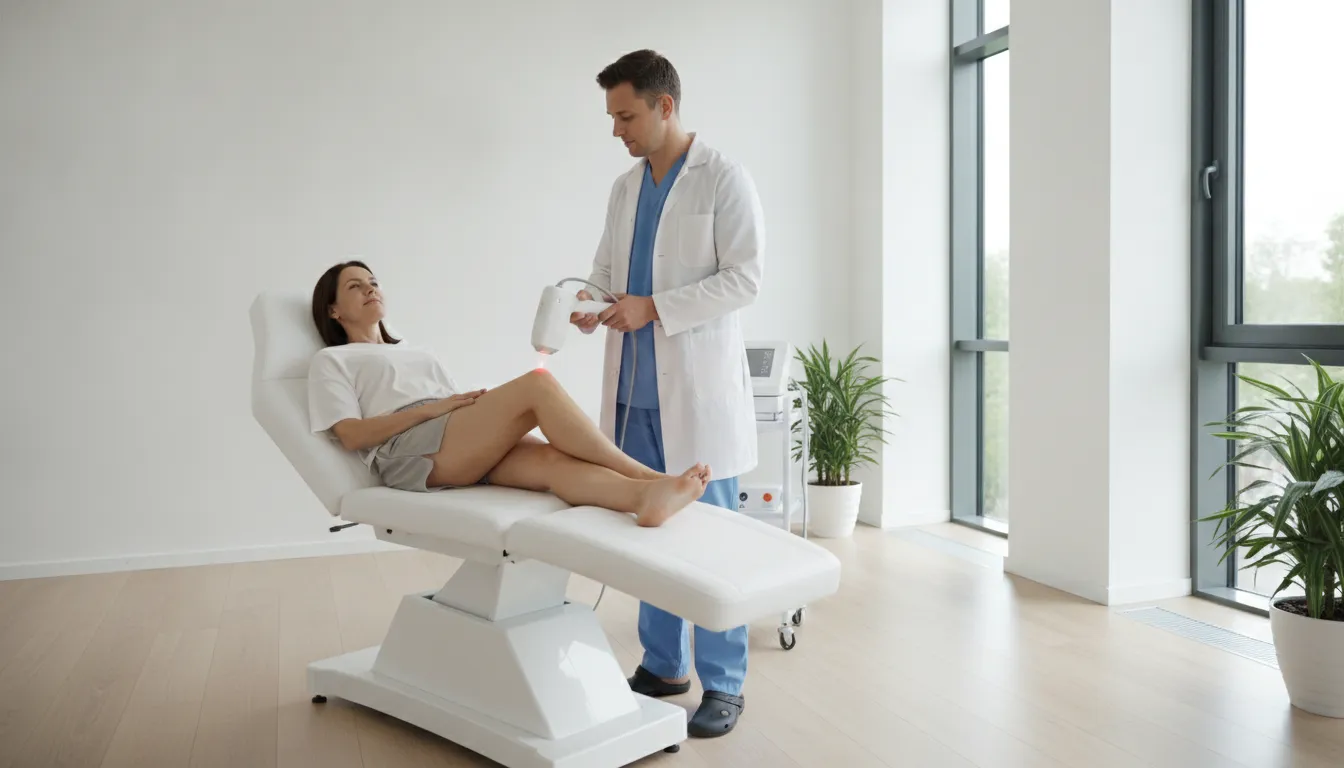
Your first laser therapy visit should begin with a careful conversation, not an immediate treatment. At Laser Lab Therapy in Murrells Inlet, the team reviews your symptoms, medical history. Daily activities, and goals before explaining whether Class IV laser therapy may fit your needs. If treatment is appropriate, the laser application itself usually takes just 5-10 minutes. You can expect protective eyewear, direct access to the treatment area, and a gentle warming sensation while the clinician moves the handpiece over your skin.
Request an Appointment to discuss your symptoms and learn what to expect at laser therapy for your specific situation.
What to expect at laser therapy: Your first visit includes a consultation and safety screening, a clear explanation of the process, and a brief treatment when clinically appropriate. The non-invasive session does not involve incisions or injections. Your response and recommended schedule will depend on your condition, health history, and treatment goals.
What to expect at laser therapy during your first visit
A first appointment gives you and the clinical team time to decide whether laser therapy is a reasonable option. It is also your opportunity to understand the technology, ask questions, and establish realistic expectations. Laser Lab Therapy provides treatment under medical oversight, with trained team members following established safety protocols.
Consultation and symptom review
The consultation usually starts with a discussion about where you feel discomfort, how long it has been present, and which activities affect it. Be ready to describe whether your symptoms are constant or intermittent. Explain what you would like to do more comfortably, such as walking, working, golfing, or returning to exercise.
Your provider may ask about prior injuries, surgeries, diagnoses, and treatments you have already tried. Bring an accurate list of prescription medications, over-the-counter products, and supplements. This information helps the team complete a meaningful safety review and decide whether any concern needs additional medical evaluation.
Movement and treatment-area assessment
Depending on your concern, the provider may ask you to move the affected joint or describe which motions cause discomfort. The goal is to identify the relevant treatment area and establish a baseline. This assessment also helps the team explain how progress may be evaluated across later visits.
If Class IV laser therapy is appropriate, your provider will outline a personalized plan. A plan may include multiple visits because responses differ by condition and individual. The conversation should clarify session frequency, how progress will be monitored, and when the plan will be reassessed.
Questions to cover during your consultation
A productive consultation is a two-way discussion. The provider needs complete health information, and you deserve clear answers before proceeding. Ask how the proposed plan relates to your symptoms rather than relying on general claims about laser therapy.
Information your provider needs
- Where is the discomfort, and when did it begin?
- What movements or activities make it better or worse?
- Have you had a diagnosis, injury, procedure, or surgery involving the area?
- Which medications, supplements, and other treatments are you using?
- Have you noticed new, unexplained, or rapidly changing symptoms?
- What activities would you like to return to or perform more comfortably?
Questions you may want to ask
- Why might Class IV laser therapy be appropriate for my situation?
- What should I expect to feel during and after a session?
- How will you measure my response and adjust the plan?
- Are there medical concerns I should discuss before treatment?
- How does this plan fit with care I receive from other providers?
Laser Lab Therapy uses FDA-cleared Class IV laser technology. FDA clearance should be described precisely. The technology is cleared for temporary relief of minor muscle and joint aches. Arthritis and muscle spasms, relief of stiffness, muscle relaxation, and a temporary increase in local blood circulation. Clearance does not guarantee a particular outcome.
Explore the clinic's pain management approach before your consultation, then bring your questions to the appointment.
What does a 5-10 minute session feel like?
When treatment is appropriate, the laser application is typically straightforward. You will sit or lie in a stable position that gives the clinician access to the treatment area. Clothing may need to be adjusted so the handpiece can be used directly over exposed skin.
Safety steps come first
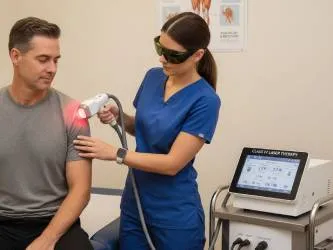
Everyone in the treatment room wears wavelength-specific protective eyewear while the laser is in use. The clinician confirms the treatment location, selects the appropriate protocol, and explains what will happen. Tell the clinician immediately if anything feels uncomfortable or unexpected.
The handpiece moves over the treatment area
During the session, the clinician moves the laser handpiece over the targeted area. Many patients describe a gentle warming sensation. The clinician monitors your feedback and can adjust the application as needed. The process is non-invasive and does not involve needles, incisions, or anesthesia.
The application is brief
The laser portion of a typical visit lasts about 5-10 minutes, although appointment time can vary. Your first appointment may take longer because it includes the consultation and assessment. Later visits may be more streamlined while still allowing time to discuss your response.
What happens after your first session?
Most people can return to their usual routine after a session because the treatment is non-invasive. Before you leave, the provider should explain what to monitor and when to contact the clinic. Follow any individualized advice given during your appointment.
Responses vary from person to person
Some people notice a change in comfort or movement quickly, while others notice changes gradually. A single visit cannot predict the full response to a treatment plan. Laser Lab Therapy does not promise a cure or guaranteed relief, and your provider should reassess the plan based on your experience.
Track useful details
Notice how you feel during common activities rather than judging progress only while resting. For example, consider whether walking, climbing stairs, working, or exercising feels different. Record any questions or unexpected reactions so you can discuss them at your next visit.
Attend follow-up visits as recommended
If the team recommends a series of sessions, ask why that schedule fits your goals and when progress will be reviewed. The plan should remain responsive to your symptoms. Contact the clinic before the next visit if you develop a new concern or receive new medical guidance.
When should you discuss medical concerns?
Discuss medical concerns before treatment, not after the laser session begins. A complete safety screening helps the team determine whether treatment should proceed, be modified, or wait for input from another healthcare professional. Never assume a medical detail is unimportant.

Share your full health history
Tell the provider about diagnoses, recent injuries, prior procedures, surgeries, skin changes, and current treatment from other clinicians. You should also report pregnancy or possible pregnancy, implanted medical devices, and any condition that could affect the treatment decision.
Report medications and light sensitivity
Provide a complete medication and supplement list. Some medications may increase sensitivity to light or affect how your provider approaches treatment. Do not stop a prescribed medication on your own. Ask the laser therapy team and prescribing clinician for appropriate guidance.
Seek appropriate medical evaluation for warning signs
Laser therapy is not a substitute for urgent or emergency care. Seek prompt medical attention for severe or rapidly worsening pain, major trauma, sudden weakness, loss of sensation, chest pain, trouble breathing, or other alarming symptoms. If you are unsure, ask a qualified healthcare professional before scheduling.
How to prepare for your first appointment
Preparation is simple, but a few practical steps can make the consultation more useful. The goal is to arrive with enough information for an informed discussion and with clothing that allows access to the area being evaluated.
- Write down your symptoms, goals, and questions.
- Prepare a current medication and supplement list.
- Choose clothing that allows access to the treatment area.
- Arrive ready to discuss your medical history.
This short preparation process helps your provider focus the consultation on the details that matter most. It also gives you a written reference so an important question is not forgotten during the visit.
Bring relevant information
- A current list of medications and supplements
- Relevant diagnoses, procedure dates, or treatment history
- Questions about safety, expected sensations, and follow-up
- Notes about activities affected by your symptoms
- Any instructions or restrictions from another healthcare provider
Wear practical clothing
Choose loose, comfortable clothing that makes the treatment area easy to reach. Shorts may be useful for a knee or lower-leg concern, while a loose shirt may help with shoulder access. The clinic can explain what is appropriate when you schedule.
Set realistic expectations
Think about practical goals before the visit. Your goal might be to move through a workday more comfortably or resume a favorite activity. Specific goals help the provider discuss an appropriate plan and give both of you a useful way to evaluate progress.
It can also help to write down a simple baseline before you arrive. Note which activity is difficult, when discomfort tends to appear, and what you currently do in response. That record gives the follow-up conversation more useful context.
| Visit phase | What you can expect | What you can do |
|---|---|---|
| Consultation | Health history, symptom review, and goal discussion | Share complete information and ask questions |
| Safety screening | Review of factors that may affect treatment | Report medications and medical concerns |
| Laser application | Protective eyewear and a typical 5-10 minute session | Communicate how the area feels |
| Follow-up | Response review and next-step discussion | Track changes and report concerns |
How Class IV laser therapy fits a broader care plan
Laser therapy may be one part of a broader approach to pain management, preventative wellness, or performance recovery. Your provider should explain the intended role of treatment and how it relates to other care. Keep every healthcare professional involved informed about your current plan.
Pain management and movement goals
Laser Lab Therapy focuses on non-invasive, drug-free care for active adults and people managing acute or chronic discomfort. The clinic's guide to Class IV laser therapy for pain offers more background on the technology. Treatment decisions should still be individualized during your consultation.
Performance recovery and wellness
Athletes and active adults may have different goals than someone managing persistent stiffness. Laser Lab Therapy also offers performance recovery services and complementary wellness options. Ask which services, if any, are relevant rather than assuming that more treatments are always better.
When you are ready for a personalized conversation, Request an Appointment with Laser Lab Therapy in Murrells Inlet.
Frequently asked questions
Does laser therapy hurt?
Most patients describe a gentle warming sensation during Class IV laser therapy. The treatment is non-invasive and does not involve needles or incisions. Tell the clinician immediately if you experience discomfort so the application can be assessed.
How long is a laser therapy session?
The laser application typically takes 5-10 minutes. A first appointment may take longer because the team needs time for consultation, medical-history review, safety screening, and questions.
Can I return to normal activities afterward?
Most people can return to their usual routine after a session. Follow the individualized guidance from your provider, and contact the clinic if you experience an unexpected reaction or develop a new concern.
How many sessions will I need?
The recommended schedule depends on your condition, response, health history, and goals. Your provider should explain the proposed plan and reassess it over time. No specific number of sessions can guarantee an outcome.
Request your first laser therapy appointment
Knowing what to expect at laser therapy can make the first visit feel more manageable. You can expect a thoughtful consultation, a clear safety process, and a brief non-invasive session when treatment is appropriate. Laser Lab Therapy serves Murrells Inlet and the wider Grand Strand with medical oversight and an individualized approach.
Request an Appointment to discuss your symptoms, goals, and questions with the Laser Lab Therapy team.
Frequently Asked Questions
Is light therapy safe for athletes?

Yes, light therapy is completely safe and highly beneficial for athletes. It promotes faster muscle recovery, reduces inflammation, and supports performance without the risks of medication or downtime. That’s why professional and amateur athletes worldwide rely on it to train smarter and recover quicker.
How many sessions will I need?
The number of sessions varies depending on the type and severity of your condition. Many patients notice improvement after 3–5 sessions, while chronic conditions may require ongoing care for best results. During your initial consultation, we’ll design a personalized treatment schedule tailored to your body’s response and recovery goals.

Ready to Try Light Therapy for Recovery?