

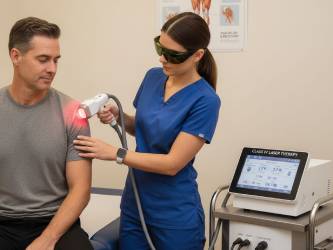
What Is a Red Light Therapy Bed? A Simple Guide
Your body is made of trillions of cells, and each one has a tiny powerhouse inside called the mitochondria. These powerhouses are responsible for creating the energy that fuels everything you do. When you’re dealing with injury, stress, or chronic inflammation, your cells can become drained and less efficient. A red light therapy bed is designed to address this at the source. It uses specific wavelengths of red and near-infrared light to give your cells a gentle energy assist, helping them function better. This process, known as photobiomodulation, is the key to its effectiveness for reducing pain, supporting tissue repair, and improving overall cellular health.
Key Takeaways
- Support your body's natural healing: Red light therapy beds use specific, safe wavelengths of light to give your cells an energy assist, helping to reduce inflammation, ease pain, and improve recovery from head to toe.
- Choose professional treatments for real results: The power, wavelength, and full-body coverage of a clinical-grade bed are essential for deep tissue benefits, making this approach far more effective for significant pain relief and muscle recovery than at-home devices.
- Follow a tailored plan for the best outcome: Red light therapy is not a one-size-fits-all solution, and more is not always better. Working with a professional ensures you get the correct dosage and frequency for your specific goals, leading to safe and consistent results.
What Is a Red Light Therapy Bed?
Imagine stepping into a warm, relaxing bed that uses gentle light to help your body heal and recharge from the inside out. That’s the experience of a red light therapy bed. It’s a full-body treatment that uses specific wavelengths of light to support your body’s natural functions from head to toe. Unlike tanning beds, which use damaging UV light, these beds use beneficial red and near-infrared light, which are known for their therapeutic properties. It’s a completely non-invasive and painless way to give your cells the energy they need to perform at their best, helping you feel refreshed and revitalized.
This technology is becoming a go-to for people seeking natural solutions for everything from chronic pain and inflammation to post-workout muscle soreness and even skin health. Think of it as a battery charger for your body. You simply lie down, relax, and let the light do its work, helping to reduce discomfort and improve your overall well-being. The goal is to help you feel better and move better without resorting to harsh medications or invasive procedures. This aligns perfectly with our mission at Laser Lab Therapy, where we provide holistic, light-based care. It’s an approach to health that empowers your body to heal itself, offering a safe and proven alternative to traditional methods.
How Does It Work?
So, what’s happening on a cellular level when you’re in a red light therapy bed? The process is called photobiomodulation (PBM), which is just a scientific way of saying it uses light to stimulate your cells. The bed emits specific, safe wavelengths of red and near-infrared light that penetrate your skin and tissues. This light is absorbed by the mitochondria, the powerhouses inside your cells. This absorption helps them produce more energy, which in turn supports repair and reduces inflammation. It’s a gentle process that works with your body, not against it, and best of all, it doesn't burn or damage your skin.
What Does the Science Say?
This might sound futuristic, but the science behind red light therapy is well-established. Numerous studies have explored the effects of red and near-infrared light on the body, and the results are promising. Researchers have found that this cellular stimulation can lead to a wide range of benefits. For example, it can help with pain management by reducing inflammation and promoting tissue repair. In aesthetic practices, it's known to increase collagen synthesis, which contributes to smoother skin texture and a more even tone. Full-body red light therapy beds are now a cornerstone in many modern wellness and recovery centers because of the consistent, positive results seen in clinical settings.
The Benefits of Full-Body Red Light Therapy
A red light therapy bed isn't just about targeting one specific spot. It’s about giving your entire body the support it needs to heal and function at its best. From easing chronic pain to helping you get a better night's sleep, the benefits work together to improve your overall quality of life. Here are some of the key ways full-body red light therapy can help you feel and move better.
Find Relief from Pain and Inflammation
Living with aches and inflammation can hold you back. Red light therapy offers a gentle, drug-free way to find relief by helping to reduce inflammation in your body’s tissues, a common source of discomfort. This makes it a powerful tool for ongoing pain management, whether you're dealing with a recent injury or a chronic condition. By calming inflammation at the source, you can experience less pain and improved mobility.
Accelerate Muscle Recovery and Performance
If you’re an athlete or just love staying active, you know how frustrating downtime can be. Full-body red light therapy helps you get back to your routine faster. It speeds up recovery after physical activity and can even improve your overall health, helping you stay active for longer. By supporting your body's natural repair processes, this therapy reduces muscle soreness and fatigue. It's an effective addition to any performance recovery plan.
Support Skin Health and Rejuvenation
The benefits of red light therapy go more than skin deep, but they definitely show up there. This therapy helps your skin look and feel healthier by supporting its natural functions. The light encourages increased collagen synthesis, which contributes to a smoother texture and more even tone. Instead of just treating the surface, red light works from within to give your skin a healthy glow. It’s a simple way to invest in your long-term preventative wellness.
Improve Your Sleep and Energy Levels
Feeling tired all the time? Your sleep quality might be the culprit. Red light therapy can help you get more restful sleep by helping to balance hormones and reduce stress. A calm, relaxing session signals to your body that it’s time to wind down, making it easier to fall asleep and stay asleep. When you sleep better, you wake up with more energy to tackle your day. This simple practice supports your body’s natural rhythm and helps you feel your best.
Professional Beds vs. At-Home Devices: What's the Difference?
With red light therapy gaining popularity, you’ve probably seen a lot of at-home devices on the market, from small handheld wands to larger panels. It’s exciting to see this technology become more accessible, but it also raises an important question: how do these devices compare to a professional red light therapy bed? While both use red and near-infrared light to support your body’s natural healing processes, there are key differences in their power, coverage, and overall effectiveness. Understanding these distinctions will help you choose the right path for your health goals, whether you're looking for minor skin improvements or deep-seated pain relief.
At-home devices can certainly be a convenient entry point, offering a way to experience some benefits from your own home. However, when you're dealing with persistent pain, inflammation, or the need for serious muscle recovery, the conversation shifts from convenience to clinical efficacy. Professional-grade beds are engineered to deliver a therapeutic dose of light energy that is difficult, if not impossible, to replicate with a consumer product. They are built on a foundation of scientific research and designed for maximum impact. Think of it like the difference between a gentle home workout and a session with a personal trainer using specialized equipment; both are good, but they are designed to achieve very different results. In the following sections, we'll break down exactly what sets a professional treatment apart.
The Power of Clinical-Grade Technology
When you receive a treatment in a professional setting, you’re benefiting from clinical-grade technology. This means the equipment is significantly more powerful and precise than most at-home devices. Professional beds are designed based on decades of photobiomodulation research, ensuring they deliver light at the exact wavelengths and energy levels proven to be most effective. This power allows the light to penetrate deeper into your tissues, reaching muscles, joints, and nerves that smaller devices can't. It’s this clinical-strength delivery that leads to more significant and lasting results for concerns like chronic pain, inflammation, and muscle recovery.
The Limitations of At-Home Devices
At-home devices can be a convenient option for targeting small, superficial issues. However, their effectiveness often comes with limitations. The results you get from red light therapy depend on a precise combination of factors, including the wavelength, light intensity, and treatment duration. Many consumer-grade products lack the power and consistency to deliver a truly therapeutic dose, especially for conditions that lie deeper than the skin's surface. While red light is effective for skin rejuvenation, many at-home devices can't penetrate deeply enough to address joint pain or muscle soreness. This is a critical difference if you're seeking relief from chronic conditions or looking to accelerate your performance recovery.
Comparing Coverage, Consistency, and Safety
Beyond power, three other factors set professional beds apart: coverage, consistency, and safety. A full-body bed treats your entire body simultaneously, providing systemic benefits that a small panel simply can't. Instead of treating one small area at a time, you get head-to-toe coverage in a single, efficient session. Professional treatments also offer consistency. The equipment is calibrated and managed by trained technicians, so you receive the correct, optimal dose every time without any guesswork. Finally, while red light therapy is very safe, the at-home device market isn't strictly regulated. At a trusted clinic, you can be confident the equipment is tested, certified, and maintained for your safety and well-being.
Key Features of a Quality Red Light Therapy Bed
When you’re looking for real results from red light therapy, the specific bed you use makes all the difference. It’s easy to assume all red light beds are the same, but the technology inside is what truly delivers the benefits you’re seeking. The difference between a session that leaves you feeling refreshed and one that falls flat often comes down to a few key technical details.
Understanding these features helps you know what to look for in a high-quality treatment. A superior red light therapy bed is more than just a tanning bed with red bulbs; it’s a sophisticated piece of equipment designed for therapeutic outcomes. The most effective beds combine specific wavelengths, consistent power, and full-body coverage to support your wellness goals, whether that’s easing chronic pain or speeding up muscle recovery. Paying attention to the quality of the equipment ensures you’re getting a safe, effective, and valuable experience every time you lie down for a session.
Wavelength and Power Density
The magic of red light therapy lies in its specific wavelengths of light. Think of wavelengths as keys that fit into specific locks within your cells to kickstart the healing process. Quality beds use a combination of red light, which is great for skin health, and near-infrared (NIR) light, which penetrates deeper to reach muscles, joints, and tissues. A professional bed often uses multiple, clinically studied wavelengths (like 633nm, 810nm, and 940nm) to provide comprehensive benefits. Power density, or irradiance, is about how much energy the light delivers to your body. A professional bed is calibrated to provide the optimal dose for effective pain management without being too intense.
Treatment Area and LED Quality
One of the biggest advantages of a red light therapy bed is the full-body treatment area. Unlike small, handheld devices, a bed surrounds you with therapeutic light from head to toe. This total-body coverage is ideal for addressing systemic inflammation, improving overall skin tone, and supporting whole-body wellness. Just as important is the quality of the LEDs themselves. Medical-grade LEDs provide consistent and precise wavelengths, ensuring every part of your body receives the intended therapy. Low-quality lights can be ineffective, delivering inconsistent energy that won’t produce the results you want for your preventative wellness routine.
Safety Features and Certifications
Your safety should always be the top priority. High-quality red light therapy beds are engineered to be safe, with features like very low EMF (electromagnetic field) and ELF (extremely low frequency) emissions. This means you can relax knowing you’re only getting the beneficial light waves. Furthermore, look for equipment that is registered as a Class II Medical Device. This certification indicates the device has been reviewed by regulatory bodies for safety and effectiveness. Choosing a facility that invests in certified, professional-grade equipment shows a deep commitment to client well-being, which is a core part of our mission you can read more about.
Common Myths About Red Light Therapy, Debunked
When a therapy shows as much promise as red light therapy, it’s natural for questions and a bit of skepticism to pop up. With so many devices and so much information out there, it’s easy for myths to spread. Let's clear the air and separate fact from fiction. Understanding the truth behind the technology is the first step toward making an informed decision about your health, whether you're seeking pain management or a way to improve your overall wellness.
It’s important to look past the marketing claims and focus on what the science actually says. Many common concerns are based on misunderstandings about how light therapy works or confusion between professional treatments and consumer gadgets. We're here to address some of the most persistent myths so you can feel confident about exploring this treatment for yourself.
Myth: All Red Light Devices Are Created Equal
It’s tempting to think that any device emitting red light will give you the same benefits, but that couldn't be further from the truth. The market is flooded with everything from small handheld wands to full-body panels, and their quality and effectiveness vary dramatically. The key difference lies in the clinical precision of the device, including the specific wavelengths of light used and the power density delivered to your cells.
Investing in high-quality red light therapy is crucial. Many cheap, untested products simply don't have the power to create a real biological effect, while others may not have undergone safety testing. At Laser Lab, we use clinical-grade equipment to ensure every session is both safe and effective, delivering consistent and measurable results that at-home devices just can't match.
Myth: Red Light Therapy Is Unsafe
One of the most common misconceptions is that red light therapy is unsafe or carries risks similar to sun exposure. This myth often comes from confusing red light with ultraviolet (UV) light. Unlike tanning beds that emit harmful UV rays, red light therapy devices do not burn the skin or increase your risk of skin cancer. Red and near-infrared light are on a completely different part of the light spectrum.
Red light therapy is a gentle, non-invasive treatment that works by supporting your body’s natural healing processes, not by damaging tissue. It doesn't use heat; instead, it stimulates cellular energy production. This makes it a safe and proven alternative for anyone looking to find relief and improve their health without turning to invasive procedures or heavy medications.
Myth: More Intensity or Time Is Always Better
You might assume that if a little red light is good, then a lot must be great. However, red light therapy follows a principle called the biphasic dose response. This means there's a sweet spot for treatment. Too little exposure won't produce results, but too much can actually diminish the benefits. It’s all about finding the right dose, which includes the intensity, duration, and frequency of your sessions.
This is why professional guidance is so important. A trained technician can create a plan tailored to your specific needs and goals, ensuring you get the optimal dose every time. Following a structured plan, like those offered through our memberships, helps you achieve consistent results safely, preventing you from over or under-treating the area.
How to Get Started with Red Light Therapy
So, you’re ready to see what red light therapy can do for you. Getting started is straightforward, but it helps to know what your options are and what to expect. Taking the right first steps ensures you have a safe and effective experience that is tailored to your specific wellness goals. Whether you're looking for pain relief, better athletic performance, or overall health support, here’s how you can begin your red light therapy journey.
Why Try a Professional Session First
While at-home devices are available, starting with a professional session is a great way to experience the full potential of red light therapy. Clinics use clinical-grade, full-body beds that are often more powerful and effective than smaller, personal gadgets. This professional equipment has become a cornerstone of modern wellness, offering consistent, full-body coverage that you simply can’t get from a handheld device.
A trained professional can also help you understand how the therapy works and what to expect. At a clinic like Laser Lab, we can create a plan that complements your existing wellness routine and helps you achieve your goals, whether that's for preventative wellness or targeted relief. Trying a session first lets you feel the benefits for yourself before committing to a long-term plan.
What to Expect During Your Treatment
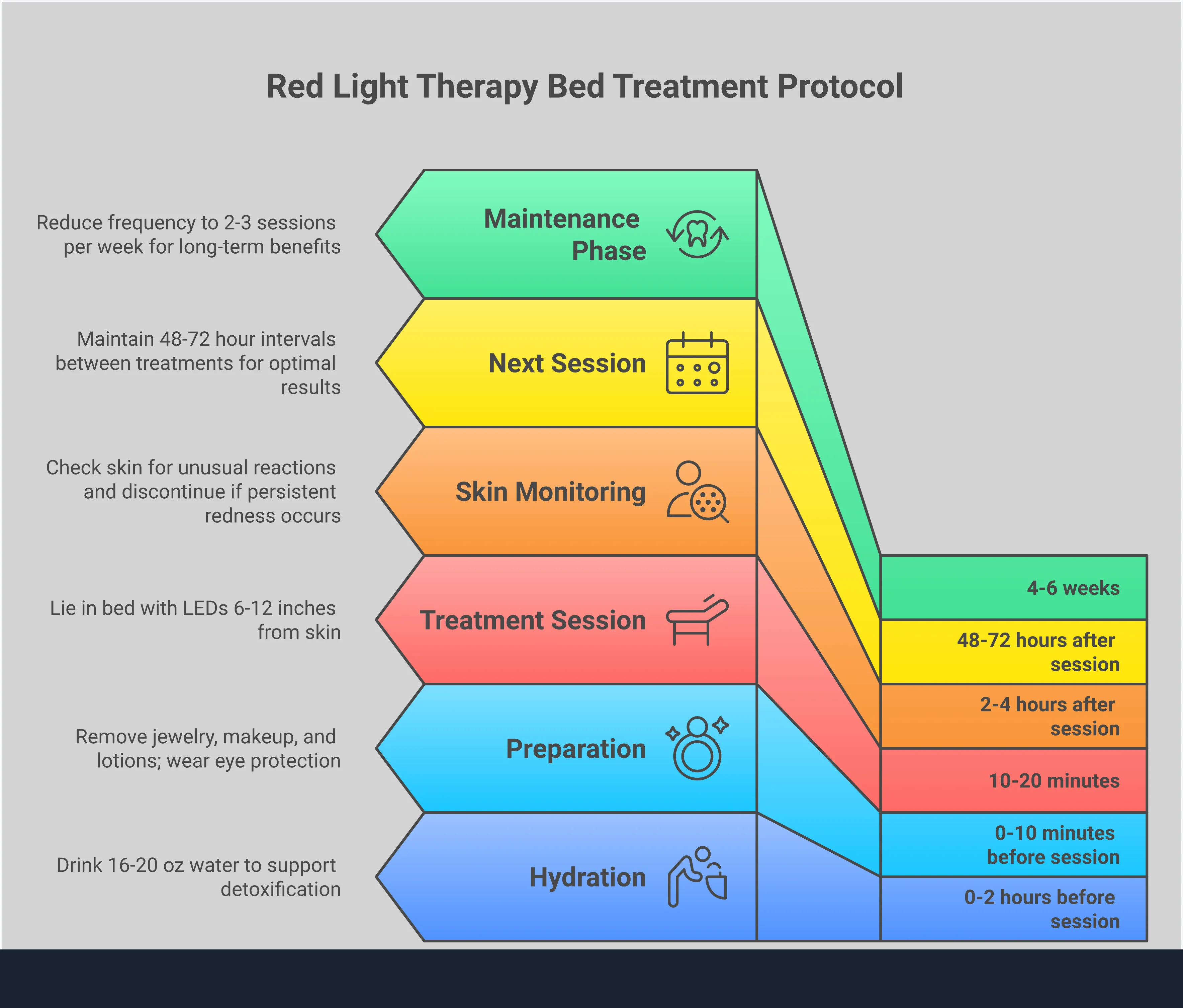
Your first red light therapy session should be a simple and relaxing experience. The treatment itself is completely painless, and there is no downtime afterward, so you can get right back to your day. You’ll typically lie down in a comfortable, open bed lined with high-intensity LEDs that emit specific wavelengths of red and near-infrared light. The session length can vary but usually lasts between 10 and 20 minutes.
During the treatment, you can just relax, listen to music, or meditate while the light works to stimulate your cells. The biological effects of red light therapy have been studied extensively, and its ability to address issues like chronic discomfort is well-documented. Many people find the gentle warmth of the lights to be very soothing, making it a peaceful break from a busy schedule while you work on your pain management goals.
Finding a Plan That Works for You
Red light therapy isn't a one-size-fits-all solution. The effectiveness of your treatment depends on several factors, including the light's wavelength, its intensity, and the duration of your sessions. Your individual biology and the specific condition you want to address also play a significant role. That’s why working with a professional is so valuable; we can help you find the right protocol for your needs.
Investing in your health means choosing high-quality, tested technology. Cheap, unverified devices may not deliver the right wavelengths or could even be unsafe. A professional clinic ensures you are using top-of-the-line equipment for every session. We can help you build a consistent routine with a membership that makes sense for your lifestyle and budget, ensuring you get the best possible results over time.
Frequently Asked Questions
Does a red light therapy session feel hot or hurt? Not at all. A red light therapy bed is a completely painless and non-invasive experience. Unlike a tanning bed, it doesn't use UV light or generate intense heat. You might feel a gentle, soothing warmth during your session, which most people find very relaxing. The light works on a cellular level to stimulate your body's natural processes without burning or damaging your skin.
How long will it take to see results from the treatments? The timeline for results really depends on your individual body and what you're hoping to achieve. Some people report feeling a reduction in pain and inflammation after just a few sessions. For other goals, like improving skin texture or supporting muscle recovery, benefits tend to build more gradually over several weeks of consistent use. The key is consistency, as the effects are cumulative.
How often should I use a red light therapy bed? The ideal frequency depends on your personal wellness goals. For addressing acute pain or accelerating recovery, you might start with three to five sessions per week. For general wellness or skin health, one to three sessions per week is often a great routine. A professional can help you create a schedule that aligns with your body's needs and ensures you get the best possible outcome.
What should I wear for a full-body session? To get the most out of your session, you want the light to have direct contact with your skin. Most people choose to go into the bed with no clothing on, as you would in a private tanning room. The goal is to expose as much of your body as possible to the therapeutic light. If you prefer, you can wear underwear, but just know that any area covered by fabric won't receive the benefits.
Are there any side effects or people who shouldn't use it? Red light therapy is very safe and generally has no side effects. It's a gentle therapy that works with your body. However, as a precaution, it's not recommended for individuals who are pregnant, have active cancer, or have a known sensitivity to light. If you have any specific health concerns or are taking medications that increase photosensitivity, it's always a good idea to talk with your doctor before starting.
Frequently Asked Questions
Is light therapy safe for athletes?

Yes, light therapy is completely safe and highly beneficial for athletes. It promotes faster muscle recovery, reduces inflammation, and supports performance without the risks of medication or downtime. That’s why professional and amateur athletes worldwide rely on it to train smarter and recover quicker.
How many sessions will I need?
The number of sessions varies depending on the type and severity of your condition. Many patients notice improvement after 3–5 sessions, while chronic conditions may require ongoing care for best results. During your initial consultation, we’ll design a personalized treatment schedule tailored to your body’s response and recovery goals.

Ready to Try Light Therapy for Recovery?