

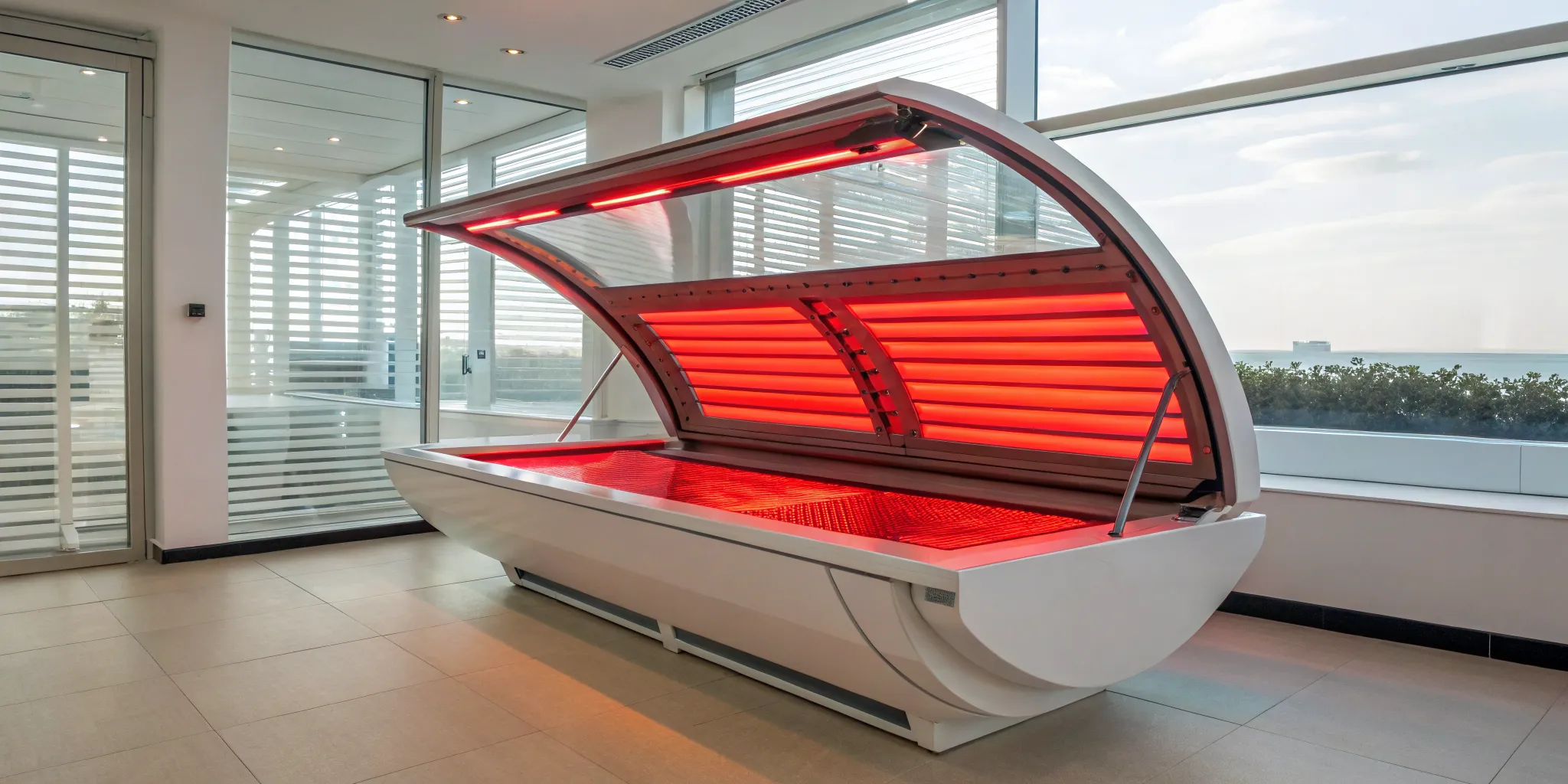
Red Light Therapy Bed Benefits: A Complete Guide
For anyone with an active lifestyle, recovery is just as important as the workout itself. Persistent muscle soreness can slow you down and get in the way of your goals. Red light therapy is quickly becoming a go-to for athletes and fitness enthusiasts because it helps shorten recovery time and reduce inflammation at the source. By improving circulation and helping muscle tissue repair faster, it allows you to get back to your training with less discomfort. The full-body red light therapy bed benefits ensure all your major muscle groups get the attention they need, helping you stay consistent and perform at your best.
Key Takeaways
- Red light therapy gives your cells an energy assist: It uses specific, safe wavelengths of light to help the mitochondria in your cells produce energy more efficiently, which supports your body's natural ability to repair tissue, calm inflammation, and build collagen.
- It’s a versatile tool for whole-body wellness: This therapy can help you achieve multiple goals at once, offering a drug-free way to manage pain, speed up muscle recovery after workouts, and improve your skin’s health and appearance.
- A consistent approach delivers the best results: You will see the most significant changes by sticking to a regular schedule, typically a few sessions per week. Working with a professional helps create a safe and personalized plan to meet your specific goals.
What Is Red Light Therapy and How Does It Work?
You’ve probably heard about red light therapy, but you might be wondering what it is and if it actually works. In simple terms, red light therapy (RLT) is a treatment that uses low-wavelength red light to address issues like skin concerns, pain, and inflammation. It’s a relaxing experience where you simply expose your skin to a special lamp or bed that emits this gentle light. According to the Cleveland Clinic, it’s thought to help with everything from wrinkles and scars to acne and redness by working at a cellular level.
Unlike sunlight, which contains harmful UV rays, red light therapy is a gentle, non-invasive process. It doesn’t burn or damage your skin. Instead, it delivers concentrated wavelengths of natural light to your cells without chemicals, excess heat, or side effects. This process helps your body power its own natural healing abilities, making it a great option for anyone seeking drug-free pain management or a way to support their overall wellness. Whether you’re an athlete looking to recover faster or someone dealing with chronic aches, red light therapy offers a way to feel and move better by working with your body, not against it. It's about giving your body the tools it needs to heal itself.
The Science Behind the Light
So, how does a little bit of light make such a big difference? The magic happens deep inside your cells. Think of your cells as having tiny engines called mitochondria. These engines are responsible for producing most of the energy your body needs to function, repair itself, and stay healthy.
Red light therapy works by giving these cellular engines a gentle push. The light penetrates your skin and is absorbed by the mitochondria, which helps them produce energy more efficiently. This extra energy allows your cells to do their jobs better, whether that’s repairing damaged tissue, growing new cells, or reducing inflammation. It’s a completely natural process that supports your body’s own ability to heal from the inside out.
Beds vs. Handheld Devices: What's the Difference?
You can find red light therapy in many forms, from handheld wands and face masks to large, full-body beds. While at-home devices can be convenient, there’s a significant difference in power and effectiveness. Professional systems, like the full-body beds and advanced lasers used in a clinical setting, deliver a much higher and more therapeutic dose of light.
This increased power allows the light to penetrate deeper into your muscles, joints, and tissues, which is essential for effective performance recovery and pain relief. A full-body bed also ensures your entire body receives an even and consistent treatment. And don’t worry, these beds are not the same as tanning beds. They don’t use any harmful UV rays, so they won’t tan or burn your skin, making them a safe and relaxing experience.
What Are the Benefits of Red Light Therapy Beds?
When you think about feeling better, you might picture a dozen different solutions for a dozen different problems. What makes red light therapy beds so compelling is their ability to address a wide range of wellness goals all at once. Because a therapy bed treats your entire body, you get comprehensive benefits that support everything from your skin to your muscles. It’s a gentle, non-invasive way to encourage your body’s natural healing processes from head to toe.
Instead of just targeting one specific ache or skin concern, full-body red light therapy works on a cellular level to improve your overall function. Think of it as a tune-up for your body. The light energy helps your cells produce more energy, which they can then use to repair damage, reduce inflammation, and function more efficiently. This process is what leads to so many positive outcomes, whether you’re looking for pain relief, faster workout recovery, or a more radiant complexion. It’s a holistic approach that helps you feel and move better in your daily life.
Support Skin Health and Anti-Aging
If you’re looking for a way to get healthier, more vibrant skin, red light therapy can be a fantastic addition to your routine. It works by stimulating your cells to produce more collagen, which is the protein that gives skin its structure and elasticity. The result? A reduction in the appearance of fine lines, wrinkles, and scars. According to the Cleveland Clinic, this therapy helps cells repair skin, generate new cells, and calm inflammation. This can also be helpful for managing redness and acne, giving you a smoother, more even complexion without harsh chemicals or invasive procedures.
Find Pain Relief and Reduce Inflammation
One of the most celebrated benefits of red light therapy is its ability to provide effective pain management. If you live with chronic pain from conditions like arthritis or fibromyalgia, or you’re dealing with an acute injury, this therapy can offer significant relief. It works by penetrating deep into your tissues to reduce inflammation at the source, which is often the root cause of pain. A review of multiple studies found that red light therapy was effective in easing pain from lower back issues, knee arthritis, and post-surgery recovery. It’s a drug-free way to soothe discomfort and improve your quality of life.
Speed Up Muscle Recovery and Performance
For athletes or anyone with an active lifestyle, getting back to your routine quickly after a tough workout is key. Red light therapy beds can help you achieve faster performance recovery by supporting your muscles' natural healing process. The light improves circulation, which means more oxygen and nutrients are delivered to your muscle tissues. This helps reduce delayed onset muscle soreness and repairs the micro-tears that occur during exercise. By incorporating red light therapy into your recovery plan, you can get back to training sooner and with less discomfort, helping you stay consistent with your fitness goals.
Improve Your Sleep and Mood
The benefits of red light therapy extend beyond the physical. Consistent sessions can also have a positive impact on your mental well-being and sleep patterns. By helping to regulate your circadian rhythm, red light therapy can make it easier to fall asleep and improve the quality of your rest. Better sleep naturally leads to a better mood and more energy during the day. Furthermore, early research has shown that red light therapy can even support cognitive function. It’s a simple way to invest in your long-term preventative wellness and maintain a sense of balance in your life.
How Does Red Light Therapy Compare to Other Treatments?
When you’re exploring ways to feel better, it’s smart to weigh your options. Red light therapy is just one of many tools available for wellness, pain relief, and skin health, and understanding how it stacks up against other methods can help you decide if it’s the right fit for you. Unlike treatments that rely on medications, chemicals, or invasive procedures, red light therapy works with your body’s natural processes. It offers a gentle, non-invasive approach that supports healing from the inside out. Many traditional methods focus on managing symptoms, but red light therapy aims to address issues at a cellular level by using specific, safe wavelengths of light to stimulate your cells. This process encourages them to produce more energy, which can then be used to repair tissue, reduce inflammation, and produce collagen.
This fundamental difference in approach is what sets it apart. While a painkiller might block pain signals temporarily, red light therapy helps the underlying muscle tissue recover. While a chemical peel removes the top layer of skin, red light therapy works from within to build healthier skin over time. It’s a proactive approach to health rather than a reactive one. Whether you’re comparing it to pain medications, intensive skin treatments, or even other light-based therapies like tanning beds, the differences are significant. Let’s look at how red light therapy stands apart as a unique and effective option for your health and wellness goals.
A Natural Alternative to Traditional Pain Management
If you’re dealing with chronic pain or muscle soreness, you’ve likely been offered solutions like over-the-counter pain relievers or prescription medications. While these can offer temporary relief, they often mask the problem instead of addressing the root cause. Red light therapy provides a drug-free alternative for pain management by working at the source. It helps reduce inflammation, promotes tissue repair, and eases muscle soreness, allowing your body to heal naturally. This approach supports long-term recovery rather than just short-term symptom suppression, making it a powerful tool for athletes and anyone seeking sustainable relief without unwanted side effects.
A Gentle Approach vs. Invasive Skin Treatments
For those seeking healthier skin, options like chemical peels, microdermabrasion, and laser resurfacing can seem promising but often come with significant downtime and discomfort. Red light therapy offers a much gentler path to skin rejuvenation. It uses low-level light to stimulate collagen production and improve circulation without damaging the skin’s surface. While more intensive treatments like high-intensity laser therapy are designed to target deep tissues with clinical precision, red light therapy is ideal for surface-level applications and general preventative wellness. It’s a relaxing, non-invasive way to support your skin’s health over time.
Why It's Safer Than UV-Based Treatments
It’s easy to confuse red light therapy beds with tanning beds, but they are fundamentally different and operate on opposite principles. Tanning beds use harmful ultraviolet (UV) rays that damage your skin, accelerate aging, and increase your risk of skin cancer. In contrast, red light therapy uses specific wavelengths of red and near-infrared light that are beneficial to your cells. These wavelengths are safe and do not contain UV rays, meaning they won’t give you a tan or a burn. As our team at Laser Lab can explain, this makes red light therapy a much safer choice for regular use, allowing you to enjoy the benefits without the risks associated with UV exposure.
Is Red Light Therapy Safe?
When you hear the words "light therapy," it's natural to have questions about safety. The short answer is yes, red light therapy is widely considered safe and has been cleared by the FDA for a variety of uses. Unlike UV light from the sun or tanning beds, red light therapy uses specific wavelengths that don't damage your skin. It’s a non-invasive and gentle treatment, which is why so many people use it for everything from skin rejuvenation to muscle recovery.
Of course, "safe" doesn't mean you should ignore best practices. Like any wellness treatment, it’s important to understand how it works and who it’s best for. Let’s clear up some common myths and outline the best ways to use red light therapy so you can feel confident and comfortable.
Clearing Up Common Misconceptions
Let's clear the air on a few things. First, red light therapy is not the same as UV light. It doesn't carry the risk of sunburn or skin cancer. Second, you won't get burned. The devices produce a very gentle, soothing warmth, and in a professional setting, the intensity is carefully controlled. Side effects are very rare and typically minor, especially when the therapy is administered correctly. This is why it’s such a trusted method for natural pain management and healing. When used as directed, red light therapy is a safe and effective way to support your body’s wellness goals.
Who Should Be Cautious with Red Light Therapy?
While red light therapy is safe for most people, there are a few situations where it’s best to be cautious. We always recommend chatting with your doctor before starting any new treatment, especially if you are pregnant, as there isn't enough research yet to confirm its safety during pregnancy. You should also consult your physician if you have a history of skin or eye cancers. Finally, if you're taking any medications that increase your sensitivity to light, like certain antibiotics or acne treatments, it's a good idea to get medical clearance first. Our team is always here to help you make an informed decision about your health, and you can learn more about our commitment to your well-being on our about page.
Guidelines for Using It Safely
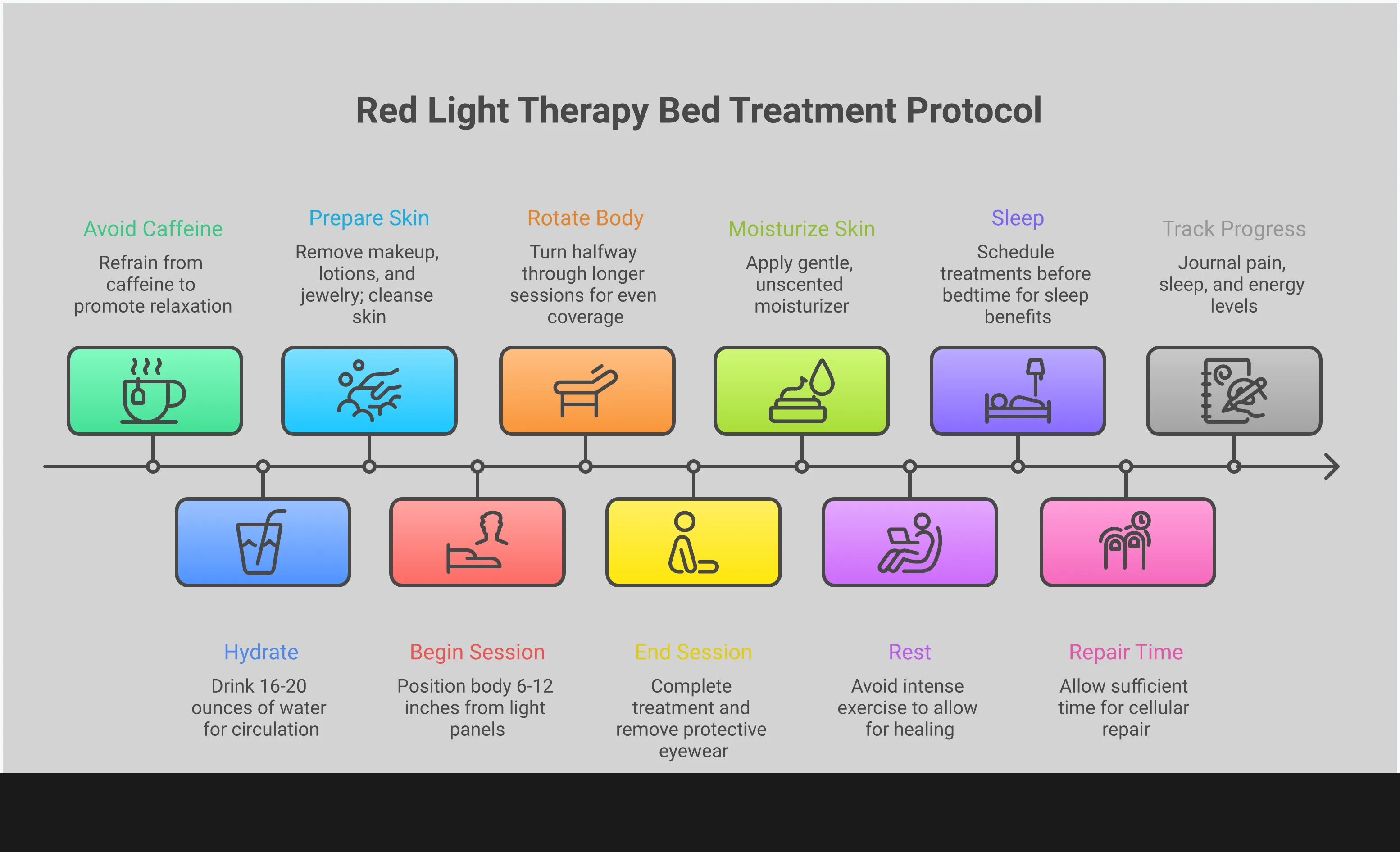
To get the most out of your sessions safely, a few simple guidelines go a long way. The best first step is to work with a trained professional who can create a plan tailored to your needs. During any session, you should always wear the provided protective eyewear to keep your eyes safe. If you decide to use an at-home device, make sure it's FDA-cleared and always follow the manufacturer's instructions for session length and distance. A quick patch test on a small area of skin is also a smart move to ensure you don't have any unexpected reactions. If you have any questions about our equipment or safety protocols, please don't hesitate to contact us.
How Often Should You Use a Red Light Therapy Bed?
Once you understand the benefits of red light therapy, the next question is usually about the time commitment. How often do you really need to use a red light therapy bed to see results? The answer isn't one-size-fits-all, but it always comes down to consistency. Think of it like exercise: you can’t expect to see changes after just one visit to the gym. The same principle applies here. Creating a regular routine is the key to getting the most out of your sessions and supporting your body’s healing process.
Finding the Right Frequency and Session Length
For most people, a great starting point is three to five sessions per week, with each session lasting between 10 and 20 minutes. This frequency gives your cells the consistent light exposure they need to kickstart repair and rejuvenation. Of course, this is just a general guideline. Your ideal routine will depend on your specific goals, whether you're seeking pain management for a chronic issue or looking to improve your skin's appearance. It's important to listen to your body and adjust accordingly. Working with a professional can help you create a customized plan that aligns perfectly with your wellness journey.
When Can You Expect to See Results?
Patience and consistency are your best friends when it comes to red light therapy. While some people report feeling better after just a few sessions, like experiencing less inflammation or better sleep, significant changes typically require a longer commitment. Lasting results usually appear after several weeks or even months of regular use. The key is to stick with it. Committing to a consistent schedule, like with one of our memberships, makes it easier to integrate therapy into your life and ensures your body gets the steady dose of light it needs to heal. Remember, you're supporting your body's natural processes, and that takes time.
What Affects Your Results?
It’s important to have realistic expectations, as results can be different for everyone. Several factors can influence how well and how quickly you see changes. The quality and power of the device play a huge role; professional-grade beds deliver light at specific, proven wavelengths that penetrate deeper than most at-home devices. Your specific goals also matter. For example, studies show that regular treatments can help with hair regrowth, but this requires a consistent, long-term approach. Your overall health, age, and lifestyle habits also contribute to your body's ability to respond to the therapy. This is why a personalized approach is so effective.
Is Red Light Therapy Right for You?
Deciding if a new treatment is a good fit can feel overwhelming, but it really comes down to your personal health goals. Red light therapy is a gentle, non-invasive option that works with your body’s natural processes. It’s not a quick fix, but for many, it’s a powerful tool for managing chronic issues and improving overall wellness without resorting to harsh medications or surgery. If you're looking for a way to address skin concerns, reduce persistent pain, or help your body recover more efficiently, red light therapy is definitely worth exploring. The key is to understand what it can do, what to expect from your sessions, and how to find a provider you can trust to guide you.
Who Benefits Most from Red Light Therapy?
You might be a great candidate for red light therapy if you're dealing with specific skin or body concerns. Many people use it to improve their skin's appearance, as it can help with fine lines, wrinkles, scars, and uneven skin tone. Beyond aesthetics, it’s also an effective tool for pain management. If you experience chronic pain or inflammation from conditions like arthritis or an old injury, the therapy can help reduce discomfort and swelling. Athletes and active individuals also find it incredibly useful for performance recovery, as it can soothe sore muscles and help the body repair itself after a tough workout. It’s a versatile therapy that supports the body from the inside out.
Setting Realistic Expectations
Like any effective treatment, red light therapy requires consistency to deliver results. It’s important to understand that you probably won’t see a dramatic change after just one session. Think of it more like a fitness routine for your cells. For the best outcomes, most people start with three to five sessions per week, with each session lasting between 10 and 20 minutes. While some individuals feel relief sooner, it can take several weeks to notice significant changes in your skin or pain levels. Committing to a regular schedule, like with one of our memberships, gives your body the consistent exposure it needs to heal and rejuvenate. Patience and persistence are your best friends here.
What to Look for in a Professional Service
Where you get your red light therapy matters. While you might see it offered at spas or tanning salons, it’s best to choose a facility that specializes in light-based treatments. A professional service will have high-quality, medical-grade equipment designed for specific outcomes, whether you’re treating your face or your entire body. The staff should be knowledgeable and able to answer your questions, explain the process, and help you create a treatment plan tailored to your needs. Before starting, it’s always a good idea to consult with a professional who understands the science behind the therapy. This ensures you’re getting a safe, effective treatment that’s right for you.
Frequently Asked Questions
What does a red light therapy session actually feel like? A session in a red light therapy bed is incredibly relaxing. You’ll lie down in a comfortable, open bed and experience a gentle, soothing warmth on your skin. There are no needles, no chemicals, and no discomfort. Most people find it to be a peaceful and quiet experience, almost like a short, restorative nap. It’s a completely non-invasive process designed to help you feel calm while the light does its work.
Will I get a tan or a burn from a red light therapy bed? Absolutely not. This is a common question, and it’s important to know that red light therapy beds are completely different from tanning beds. Tanning beds use harmful ultraviolet (UV) rays that damage your skin. Red light therapy uses specific, beneficial wavelengths of light that do not contain any UV rays. The light is gentle and won't tan or burn your skin, making it a safe way to support your body.
Why should I use a professional bed instead of an at-home device? While at-home devices can be convenient, they typically lack the power and full-body coverage of a professional system. The clinical-grade beds used in a professional setting deliver a much stronger and more consistent dose of light energy. This allows the light to penetrate deeper into your muscles and tissues, which is essential for effective pain relief and muscle recovery. A full-body bed also ensures your entire body benefits evenly from the treatment.
How soon will I notice a difference? Results vary from person to person because everyone’s body responds differently. Some people report feeling subtle improvements, like better sleep or reduced inflammation, after just a few sessions. However, for more significant changes, such as improved skin texture or lasting pain relief, consistency is the most important factor. Lasting results typically develop over several weeks of regular treatments.
Can red light therapy replace my current medical treatments for pain? Red light therapy is a fantastic tool for natural pain management, but it should be viewed as a complementary treatment, not a replacement for medical care. It works wonderfully alongside other therapies to help reduce inflammation and support your body's healing process. We always recommend discussing any new treatments with your doctor to ensure they fit into your overall health plan.
Frequently Asked Questions
Is light therapy safe for athletes?

Yes, light therapy is completely safe and highly beneficial for athletes. It promotes faster muscle recovery, reduces inflammation, and supports performance without the risks of medication or downtime. That’s why professional and amateur athletes worldwide rely on it to train smarter and recover quicker.
How many sessions will I need?
The number of sessions varies depending on the type and severity of your condition. Many patients notice improvement after 3–5 sessions, while chronic conditions may require ongoing care for best results. During your initial consultation, we’ll design a personalized treatment schedule tailored to your body’s response and recovery goals.

Ready to Try Light Therapy for Recovery?