


Pneumatic Compression Device for Legs: A Beginner's Guide
You’ve likely heard of compression socks, but there’s a more active and powerful therapy that takes the concept to the next level. A pneumatic compression device for legs doesn’t just provide static pressure; it uses a smart air pump to create a dynamic, wave-like massage. The inflatable sleeves are designed with multiple chambers that fill with air sequentially, starting from your feet and moving up toward your heart. This rhythmic squeezing and releasing action effectively mimics your body’s natural muscle pump, making it incredibly efficient at moving fluid, reducing swelling, and improving circulation. It’s a sophisticated, non-invasive technology used for everything from post-operative care to daily pain management, offering targeted relief that static compression simply can’t match.
Key Takeaways
- It’s a dynamic circulatory aid: Pneumatic compression uses cycles of gentle air pressure to squeeze and release your legs, helping your body clear out waste and improve blood flow more effectively than static options like socks.
- The benefits are wide-ranging: This therapy is a versatile tool that supports many goals, including faster muscle recovery for athletes, safe healing after surgery, and daily comfort for those managing chronic conditions like lymphedema.
- Pairing treatments enhances results: For a more comprehensive approach, use pneumatic compression with light therapy. Compression improves circulation to clear the way, which allows light therapy to more effectively target inflammation and repair tissue.
What Are Pneumatic Compression Devices for Legs?
If you’ve ever felt that heavy, achy sensation in your legs after a long day, a tough workout, or during recovery, you know how much it can impact your comfort. Pneumatic compression devices are designed to help with exactly that. Think of them as high-tech massage sleeves for your legs. These systems use special inflatable boots or cuffs that connect to an air pump. Unlike standard compression socks that provide constant pressure, these devices are dynamic. They use a controlled cycle of gentle squeezing and releasing to support your body’s natural processes.
This therapy is a cornerstone of modern performance recovery and wellness for a reason. The device manages the pressure and timing of the compressions, creating a rhythmic pattern that mimics the body's own muscle pump. This action helps move fluid and improve circulation in a way that static compression can't. It's a targeted approach that helps flush out metabolic waste that can build up in your muscles and cause soreness. Whether you're an athlete looking to bounce back faster, someone recovering from surgery, or just seeking relief from daily swelling and fatigue, these devices offer a non-invasive way to help your legs feel lighter, fresher, and ready for your next move.
How Do They Work?
The magic of pneumatic compression lies in its simple yet effective process. When you put on the inflatable sleeves, the connected air pump begins to fill them with air, creating a gentle but firm squeezing sensation around your legs. This pressure helps push blood that’s low in oxygen, along with metabolic waste, out of your limbs and back toward your heart. The sleeves then deflate, allowing fresh, oxygen-rich blood to flow back into your legs. This cycle of squeezing and releasing typically repeats every 20 to 60 seconds. This intermittent pneumatic compression not only improves circulation but also encourages your body to release substances that help prevent blood clots.
The Technology Behind the Therapy
The technology itself is straightforward but powerful. A typical system includes two main parts: the inflatable sleeves (which can look like full-length boots or cuffs for your calves) and a small, portable control unit. This unit houses the air pump and the "brains" of the operation, allowing you to set the pressure and duration of your session. The sleeves are designed with multiple chambers that inflate sequentially, starting from your foot and moving up your leg. This directional massage is key to effectively moving fluid. The science behind pneumatic compression shows this process is excellent for supporting your circulatory and lymphatic systems, helping you feel better and move better.
Who Benefits from Pneumatic Compression?
You might be surprised by the wide range of people who find relief and improved performance with pneumatic compression. It’s not just for one specific group. This therapy is a versatile tool used in hospitals, physical therapy clinics, and even at home to support the body’s natural healing processes. Whether you’re bouncing back from an operation, looking to level up your athletic game, or seeking daily comfort from a chronic condition, pneumatic compression has something to offer. It’s a gentle, non-invasive way to help your body feel and function at its best. Let’s explore who can get the most out of this treatment.
If You're Recovering from Surgery
After surgery, your main focus is healing, but reduced mobility can sometimes lead to complications. This is where pneumatic compression can be a game-changer. When you’re not moving around as much, your blood flow can slow down, increasing the risk of clots. Pneumatic compression devices can protect you from harmful blood clots by gently squeezing and releasing your legs, which keeps your blood moving effectively. It’s a simple, effective way to support your body’s circulation during a crucial recovery period, helping you heal safely and with greater peace of mind.
For Athletes and Active People
If you’re an athlete or just love to stay active, you know that recovery is just as important as the workout itself. Pneumatic compression has become a staple for performance recovery for good reason. After a tough session, your muscles can feel sore and fatigued due to a buildup of metabolic waste. Pneumatic compression helps flush out these waste products, reduce swelling, and bring fresh, oxygenated blood to your muscles. The science behind this therapy shows it aids in speeding up recovery after intense exercise, so you can get back to training sooner and feel stronger.
If You're Managing a Chronic Condition
Living with a chronic condition often means dealing with daily discomfort, but pneumatic compression can offer significant relief. This therapy is especially helpful for managing conditions that cause lower body swelling, such as lymphedema and chronic venous insufficiency. By promoting better circulation, the device helps move excess fluid out of your limbs, which can reduce swelling, pain, and heaviness. For those with venous issues, these devices are also used to help prevent blood clots in the legs, providing an extra layer of safety and comfort in your daily life.
What Conditions Can Compression Therapy Help With?
Pneumatic compression therapy is a versatile tool that addresses a surprising number of health concerns. It’s not just for athletes or people recovering from surgery. This therapy can be a game-changer for managing chronic conditions, improving circulation, and preventing serious health issues. By applying gentle, rhythmic pressure to your legs, these devices support your body’s natural processes in some pretty amazing ways. Let’s look at a few of the specific conditions that compression therapy can help with.
Preventing Deep Vein Thrombosis (DVT)
If you’ve recently had surgery or find yourself immobile for long periods, your risk of developing deep vein thrombosis (DVT), a type of blood clot, can increase. Pneumatic compression devices are an effective way to keep your blood moving properly. The inflatable sleeves gently squeeze and release your legs, encouraging blood flow and preventing clots from forming in the deep veins. This makes it a key part of post-operative care and a smart step for preventative wellness if you have limited mobility. It’s a simple, non-invasive way to protect yourself from a potentially serious complication.
Managing Lymphedema
Living with lymphedema, which causes swelling in the arms or legs, can be challenging. Pneumatic compression therapy offers a way to manage this condition at home or in a clinical setting. The device uses air pressure to apply a gentle, massaging squeeze to your legs. This action helps push the excess lymphatic fluid that causes swelling out of the affected area and toward healthier parts of your body where it can be properly absorbed. Consistent use can lead to reduced swelling, less discomfort, and better overall pain management, helping you feel more comfortable in your own skin.
Easing Chronic Venous Insufficiency
Chronic venous insufficiency, or CVI, happens when the veins in your legs struggle to send blood back up to your heart. This can lead to pain, swelling, and even skin ulcers. Pneumatic compression devices are a proven method for managing CVI. By rhythmically compressing the leg, the device helps support your veins and improves blood flow, reducing the pooling that causes discomfort. It essentially gives your circulatory system a helping hand, which can ease symptoms and help heal related issues like venous stasis ulcers. It’s a powerful therapy for anyone dealing with this chronic condition.
Improving Circulation and Wound Healing
Whether you’re an athlete or simply looking to heal faster, good circulation is key. Pneumatic compression therapy mimics your body’s natural muscle pump. The squeezing and releasing action helps push deoxygenated blood back toward your heart and supports your lymphatic system, which is crucial for flushing out waste and reducing inflammation. This improved circulation delivers more oxygen and nutrients to your tissues, which can speed up wound healing and accelerate performance recovery. It’s a fantastic way to help your body’s natural healing processes work more efficiently.
What Are the Health Benefits?
Pneumatic compression therapy is much more than a simple leg massage. By using controlled air pressure to create a gentle, rhythmic squeeze, these devices offer a range of health benefits that can make a real difference in how you feel and move. From improving your body's natural circulatory processes to helping you get back on your feet faster, this therapy is a powerful tool for wellness and recovery.
Better Circulation and Lymphatic Flow
Think of pneumatic compression devices as a support system for your body’s natural plumbing. The inflatable sleeves apply sequential pressure up your legs, which gently pushes blood and lymphatic fluid along. This process mimics the way your own muscles contract to move fluids, but it gives your system an extra hand. The science behind pneumatic compression shows this action helps deliver fresh, oxygen-rich blood to your tissues while clearing out waste. This is fundamental to your body’s ability to heal and maintain itself, making it a cornerstone of preventative wellness.
Less Swelling and Pain
If you’ve ever dealt with swollen, heavy, or achy legs, you know how much it can impact your day. Swelling, or edema, often happens when fluid gets trapped in your tissues. Pneumatic compression directly addresses this by helping to move that stagnant fluid out of your limbs and back into circulation. As the swelling goes down, the pressure on surrounding nerves and tissues is relieved, which often leads to a significant reduction in pain and discomfort. This makes it an effective, drug-free option for ongoing pain management and a gentle way to find relief.
Quicker Muscle Recovery
For athletes or anyone with an active lifestyle, bouncing back after a tough workout is key. During intense exercise, your muscles produce metabolic byproducts like lactic acid, which can contribute to soreness and fatigue. Pneumatic compression helps speed up the removal of these waste products from your muscles. By increasing blood flow, the therapy also floods your tissues with the oxygen and nutrients they need to repair and rebuild. This can lead to less muscle soreness and a faster overall performance recovery, helping you get back to training with fresh legs.
Improved Mobility and Daily Comfort
When you combine better circulation, less pain, and reduced swelling, the result is often a noticeable improvement in your overall mobility. Many people find that regular compression therapy helps their legs feel lighter and less stiff, making daily activities like walking, climbing stairs, or even just standing for longer periods much more comfortable. As one user of a similar device noted, it helped them become "a little bit more mobile" by reducing pain and swelling. Ultimately, the goal is to help you move more freely and confidently so you can continue doing the things you love.
Are There Any Risks to Know About?
Pneumatic compression is widely considered a safe and effective therapy, especially when you follow the right guidelines. Like any treatment that interacts with your body’s circulatory system, it’s smart to know about the potential risks and best practices. Understanding when to be cautious and how to use the device correctly will help you have a safe, comfortable, and beneficial experience. It’s all about making sure this therapy is the right fit for you and your health goals.
When to Use with Caution
While compression therapy is great for many people, it’s not suitable for everyone. If you have certain pre-existing health conditions, it’s best to avoid it or speak with your doctor first. You should not use a pneumatic compression device if you have uncontrolled heart failure, acute blood clots like deep vein thrombosis (DVT), or severe arterial disease in your legs. It’s also wise to steer clear if you have an active skin infection, an inflammatory skin disease, or are undergoing treatment for active cancer. Using compression with these conditions can pose serious risks, so a conversation with a healthcare professional is a must.
Best Practices for Safe Use
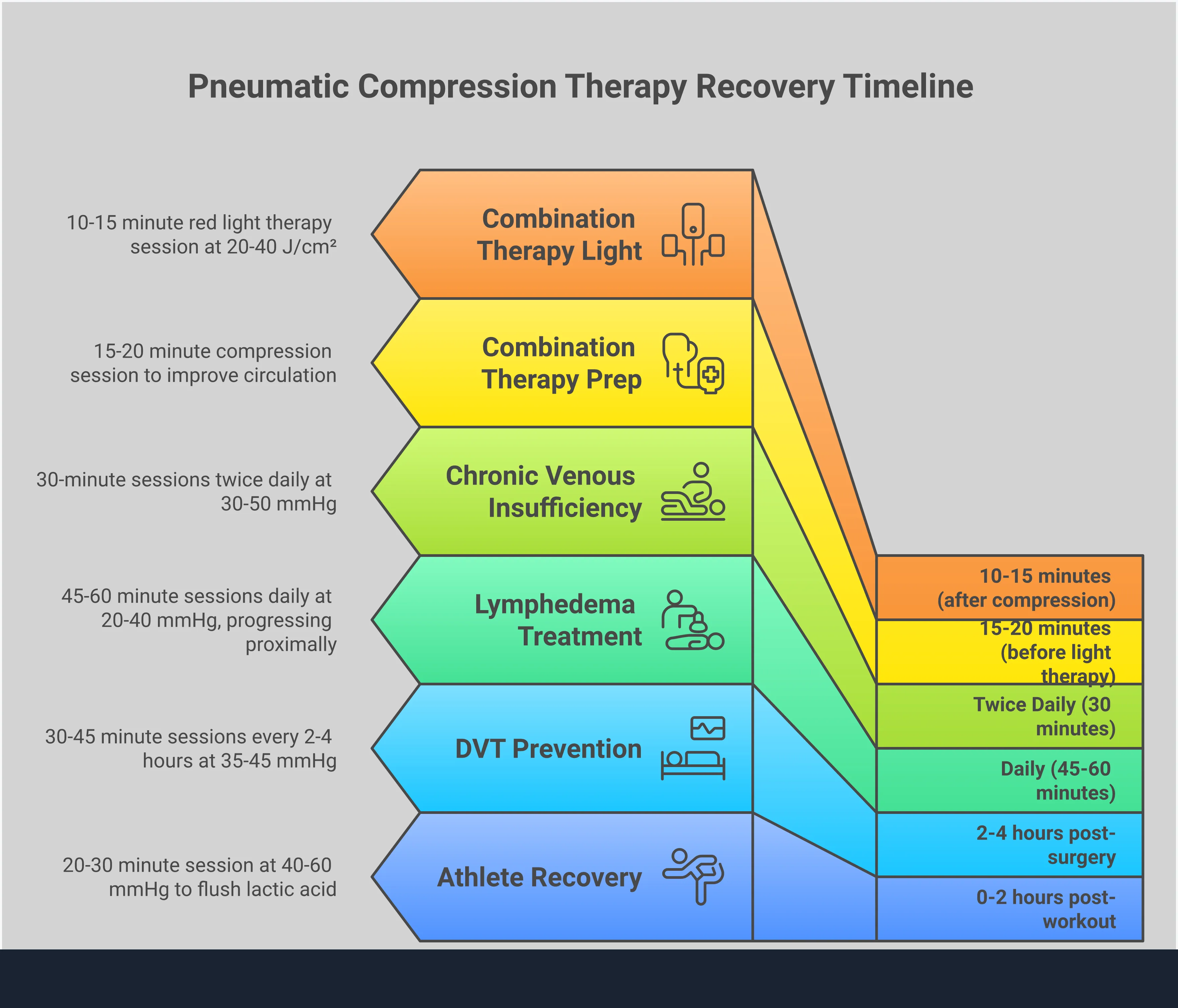
To get the most out of your sessions and stay safe, following a few simple rules is key. Always start by reading the instructions that come with your device. When you set the pressure, stay within the recommended safe range, which is usually between 20 and 100 mmHg. A good rule of thumb is to start low and gradually increase it to a level that feels firm but comfortable, never painful. Make sure you put the sleeves on before they start inflating, and never try to stand up or walk around while the device is in use. These simple steps are essential for effective performance recovery and overall safety.
When to Talk to a Professional
Listen to your body. If you experience anything unusual during or after a session, it’s important to stop and seek advice. Pay attention to signs like new or worsening swelling, a feeling of warmth in your leg, unexpected pain, or any skin sores developing under the sleeves. A major red flag is shortness of breath, as this could indicate a serious issue. You should also stop if the device doesn’t seem to be inflating or working properly. If you notice any of these symptoms or have questions about your treatment, please contact a professional right away. Your safety always comes first.
How to Get the Most Out of Your Treatment
Using a pneumatic compression device is a fantastic step toward feeling and moving better. But to truly get the best results, it helps to be strategic. From picking the right equipment to combining therapies, a little planning can make a huge difference in your recovery and overall wellness journey.
Choosing the Right Device
Pneumatic compression devices aren't one-size-fits-all. The most common types are inflatable sleeves or boots that you wear on your legs. These are sometimes called sequential compression devices (SCDs) and connect to a small pump that controls the inflation and deflation cycles. Some devices are small and portable, designed for at-home use to manage specific conditions like lymphedema. The best device for you really depends on your goals. Are you an athlete looking for faster muscle recovery, or are you managing swelling from a chronic condition? Understanding your specific needs will help you find the perfect fit.
Pairing Compression with Light Therapy for Better Results
For a truly powerful approach to healing, consider pairing pneumatic compression with light therapy. Here’s why they work so well together. Pneumatic compression therapy uses air to gently squeeze and release your limbs, which helps improve circulation and flush out metabolic waste. Think of it as clearing the way for healing. This creates the ideal environment for light therapy to work its magic. Light therapy targets your cells to reduce inflammation and accelerate tissue repair. When combined, you get a comprehensive treatment that supports your body’s natural recovery process from two different angles, making it an amazing tool for performance recovery.
At-Home vs. Professional Treatments
You can find pneumatic compression devices for both at-home and professional use, and each has its place. At-home devices offer incredible convenience for daily maintenance, especially if you're managing a chronic condition or want consistent post-workout recovery. Professional treatments, on the other hand, are essential in certain situations, like after surgery when preventing blood clots is a top priority. A professional setting gives you access to advanced equipment and expert oversight. The best strategy often involves a combination of both. We can guide you through in-clinic sessions and help you build a supportive at-home routine, which our memberships are designed to support.
Frequently Asked Questions
What does a pneumatic compression session feel like? Imagine a gentle, rhythmic hug for your legs that gradually moves upward. The sleeves inflate in sections, starting at your feet and working toward your hips, creating a firm but comfortable squeezing sensation. Then, they release. Most people find the cycle of compression and release to be very relaxing. After a session, your legs typically feel lighter, less achy, and refreshed.
How is this different from just wearing compression socks? Think of it as the difference between static support and an active massage. Compression socks provide constant, steady pressure to support your veins. Pneumatic compression is dynamic; the device actively pumps your legs by inflating and deflating in a controlled sequence. This pumping action is more effective at moving fluid, flushing out metabolic waste, and mimicking your body's natural muscle pump to improve circulation.
How often should I use pneumatic compression therapy? The ideal frequency really depends on your personal goals. An athlete might use it for 20 to 30 minutes after each tough workout to speed up recovery. Someone managing a chronic condition like lymphedema may benefit from daily sessions. For general wellness or to relieve occasional soreness, a few times a week might be perfect. We can help you figure out a schedule that makes the most sense for your body and your routine.
Why is it beneficial to combine pneumatic compression with light therapy? Pairing these two therapies creates a powerful, synergistic effect for healing and recovery. Pneumatic compression acts as the prep work; it clears out waste products and improves circulation, creating a clean and receptive environment in your tissues. Light therapy then works at a cellular level to reduce inflammation and accelerate repair. When you clear the pathways first, light therapy can do its job more effectively, leading to faster and more thorough results.
Is pneumatic compression therapy safe for everyone? While it is very safe for most people, it isn't the right choice for everyone. You should avoid this therapy if you have certain conditions, such as uncontrolled heart failure, active blood clots, severe arterial disease, or an active skin infection on your legs. It's always a good idea to consult with a healthcare professional before starting any new treatment, especially if you have underlying health concerns, to ensure it's a safe and appropriate option for you.
Frequently Asked Questions
Is light therapy safe for athletes?

Yes, light therapy is completely safe and highly beneficial for athletes. It promotes faster muscle recovery, reduces inflammation, and supports performance without the risks of medication or downtime. That’s why professional and amateur athletes worldwide rely on it to train smarter and recover quicker.
How many sessions will I need?
The number of sessions varies depending on the type and severity of your condition. Many patients notice improvement after 3–5 sessions, while chronic conditions may require ongoing care for best results. During your initial consultation, we’ll design a personalized treatment schedule tailored to your body’s response and recovery goals.

Ready to Try Light Therapy for Recovery?