


5 Key Leg Compression Machine Benefits
You may have seen professional athletes using large, inflatable sleeves on their legs after a game and wondered what they were. Those are leg compression machines, and they are no longer just for the pros. This therapy works by applying sequential pressure, starting at your feet and moving up toward your core, essentially giving your circulatory system a helping hand. This process mimics the body’s natural muscle-pumping action, pushing out metabolic waste and bringing in fresh, oxygen-rich blood. The science is simple, but the leg compression machine benefits are extensive, offering a non-invasive, drug-free way to manage pain, accelerate recovery, and support your overall wellness.
Key Takeaways
- Improve circulation without extra effort: Leg compression machines mimic your body's natural muscle-pumping action, helping to move blood and lymphatic fluid more efficiently to reduce swelling and clear out metabolic waste.
- Find versatile, drug-free relief: This therapy is a powerful tool for many needs, from speeding up athletic recovery and managing chronic pain to supporting post-surgery healing and promoting long-term wellness.
- Personalize your routine for safe results: To get the most from your sessions, talk with a professional to ensure it's right for you, create a consistent schedule that fits your goals, and always start with comfortable pressure settings.
What Is a Leg Compression Machine?
If you’ve ever dealt with that heavy, tired, or sore sensation in your legs after a long day or a tough workout, you know how much it can affect your comfort and mobility. A leg compression machine is a device designed to help with exactly that. Think of it as a high-tech massage that uses air to gently squeeze and release your muscles. These machines are a key tool for anyone looking to improve circulation, reduce swelling, and speed up their performance recovery.
At its core, a leg compression machine is a form of therapy that applies controlled pressure to your limbs. You wear special sleeves or cuffs around your legs, and the machine systematically inflates and deflates air chambers within them. This process mimics the natural muscle-pumping action that happens when you walk, helping to move fluid and blood more efficiently through your legs and back toward your heart. It’s a non-invasive, drug-free way to support your body’s natural healing processes, making it a perfect complement to other wellness routines. Whether you're an athlete, recovering from surgery, or simply spend a lot of time on your feet, these devices offer a simple and effective way to feel better.
How Does Sequential Compression Work?
The magic behind these machines is a process called sequential or intermittent pneumatic compression (IPC). It sounds complicated, but the concept is straightforward. The leg sleeves are divided into multiple sections or chambers. When you start a session, the chamber closest to your foot inflates first, applying gentle pressure. Then, the next chamber up your leg inflates, followed by the one after that, all the way up to your thigh.
This sequential squeezing creates a wave-like motion that pushes deoxygenated blood and lymphatic fluid out of your legs. Once the cycle is complete, the sleeves deflate, allowing fresh, oxygen-rich blood to flow back into the area. This rhythmic pattern of compression and release is what makes intermittent pneumatic compression so effective. It’s like a passive workout for your circulatory system that helps reduce muscle soreness, decrease swelling, and leave your legs feeling lighter and refreshed.
Common Types of Leg Compression Devices
While the goal is always to improve circulation, leg compression devices come in a few different forms. The most common type you’ll see are full-leg sleeves that cover you from foot to hip. These are popular with athletes and for post-operative recovery because they provide comprehensive treatment. You can also find devices that target specific areas, like boots for the calves and feet or wraps just for the thighs.
Most modern devices are designed for ease of use, featuring simple controls and adjustable closures like Velcro so you can customize the fit for comfort and effectiveness. The broader practice of compression therapy also includes simpler tools like compression socks and bandages, but pneumatic compression machines offer a more dynamic and powerful treatment. The ability to control the pressure and session time makes them a versatile tool for managing everything from post-workout soreness to chronic circulatory issues.
How Do Leg Compression Machines Improve Circulation?
Leg compression machines might look futuristic, but their function is grounded in basic physiology. They work by applying dynamic, sequential pressure to your limbs, essentially giving your circulatory system a helping hand. This process mimics the natural muscle-pumping action that happens when you walk or run, pushing blood and other fluids through your legs more efficiently. Let's break down exactly how this technology improves your circulation.
The Science Behind Better Blood Flow
Think of the inflatable sleeves as a wave of pressure that starts at your feet and moves up toward your core. This sequential squeezing gently pushes deoxygenated blood and metabolic waste products out of your lower limbs and back toward your heart. Once there, the blood gets re-oxygenated and recirculated. This process effectively gives you the circulatory benefits of movement without the physical strain, which is especially helpful for performance recovery after a tough workout or for individuals with limited mobility. It’s a simple yet powerful way to refresh your legs and get fresh, nutrient-rich blood flowing where you need it most.
Reduce Swelling and Fluid Retention
If you’ve ever experienced puffy, heavy-feeling legs after a long day on your feet or an intense workout, you know what fluid retention feels like. Swelling, or edema, happens when poor circulation allows fluid to get trapped in your body’s tissues. Compression therapy directly addresses this by applying targeted pressure that physically pushes this excess fluid out of your legs. This not only reduces visible swelling and alleviates discomfort but also supports your body’s natural processes for managing fluid balance. By enhancing circulation, compression helps manage the symptoms associated with chronic conditions and provides effective pain management for sore, tired limbs.
Support Your Lymphatic System
Beyond your blood vessels, you have another critical network called the lymphatic system. It’s your body’s drainage system, responsible for clearing out waste, toxins, and excess fluid. Unlike the circulatory system, which has the heart as its pump, the lymphatic system relies on muscle contractions to move fluid along. A leg compression machine acts as a powerful external pump for this system. The rhythmic pressure helps stimulate lymphatic flow, a process known as lymphatic drainage. This is vital for reducing inflammation, clearing out cellular waste, and supporting your immune function, making it a cornerstone of preventative wellness.
What Are the Benefits of Using a Leg Compression Machine?
Using a leg compression machine is about more than just feeling good, though that’s certainly a perk. The real magic lies in how it supports your body’s circulatory and lymphatic systems. By applying rhythmic pressure to your legs, these devices help move fluid, reduce swelling, and bring oxygen-rich blood to your muscles and tissues. This process can lead to a wide range of benefits, from faster workout recovery to relief from chronic pain. Think of it as a powerful, automated massage that works from the inside out to help you heal, recover, and feel your best.
The core principle is simple: improving circulation is fundamental to good health. When your blood flows freely, it delivers everything your cells need to function and carries away waste products that can cause soreness and inflammation. Leg compression machines give this natural process a helping hand, especially after a tough workout, during recovery from an injury, or if you deal with conditions that affect your circulation. It’s a non-invasive, drug-free way to enhance your body's own healing mechanisms, making it a perfect complement to other natural therapies. Whether you're an athlete pushing your limits, someone dealing with the daily grind of chronic discomfort, or simply looking for ways to support your long-term health, compression therapy offers a gentle yet effective solution.
Speed Up Athletic Recovery
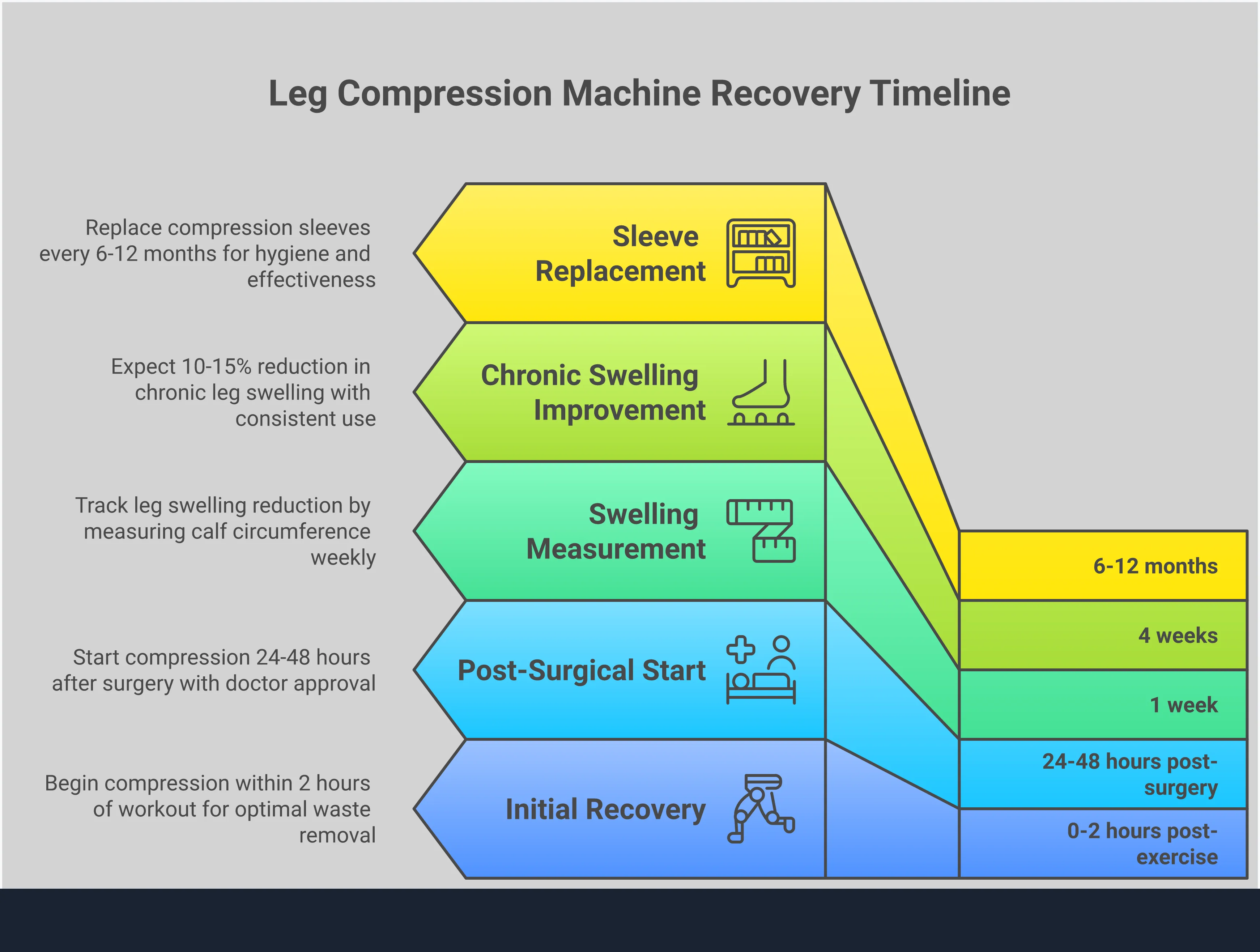
If you’re an athlete or lead an active lifestyle, you know that recovery is just as important as the workout itself. Compression therapy is a game-changer for performance recovery. The sequential pressure helps flush out metabolic waste, like lactic acid, that builds up in your muscles during exercise. At the same time, it encourages fresh, oxygenated blood to flow in, which is exactly what your tired muscles need to repair and rebuild. According to Hyperice, this process can improve blood flow, reduce swelling, and help your muscles recover faster, so you can get back to training with less soreness and fatigue.
Find Relief from Chronic Pain
Living with chronic pain can be exhausting, but gentle, non-invasive therapies can make a real difference. Leg compression is an effective tool for pain management because it directly addresses some of the root causes of discomfort: poor circulation and inflammation. By improving blood flow, compression therapy helps reduce the swelling and stiffness associated with conditions like arthritis, fibromyalgia, and restless leg syndrome. As one medical supplier explains, it’s a widely used treatment that helps improve circulation, reduce swelling and pain, and support healing. It’s a simple, drug-free way to soothe aching legs and find lasting relief.
Help Prevent Blood Clots and Varicose Veins
Maintaining healthy circulation is key to long-term wellness. When blood doesn't flow efficiently through your legs, it can pool and increase your risk for issues like varicose veins or even dangerous blood clots. Leg compression machines actively prevent this by keeping your blood moving. The Cleveland Clinic notes that these devices help your blood circulate and can lower your risk of developing deep vein thrombosis (DVT), a type of blood clot. Regular sessions can be a great step toward preventative wellness, especially if you spend a lot of time sitting or standing.
Support Your Post-Surgery Healing
Recovering from surgery requires rest, patience, and the right support for your body’s natural healing process. Swelling is a common and uncomfortable part of post-operative recovery, but a leg compression machine can help manage it effectively. By gently squeezing and releasing your limbs, the device helps move excess fluid away from the surgical site. This not only reduces discomfort but also allows nutrient-rich blood to reach the area to repair tissues. Research shows that compression therapy can significantly reduce post-surgery swelling and speed up your overall recovery timeline, getting you back on your feet sooner.
Who Is a Good Candidate for a Leg Compression Machine?
You might be wondering if leg compression therapy is the right fit for you. The great news is that these devices are incredibly versatile and can help a wide range of people with different goals and needs. Whether you’re an athlete pushing your limits, someone dealing with persistent leg swelling, or on the road to recovery after a medical procedure, compression can offer significant benefits. It’s a non-invasive way to support your body’s natural processes, making it a go-to tool for proactive health and recovery. From elite sports teams to physical therapy clinics, compression is a trusted method for managing pain and speeding up healing without drugs or invasive procedures.
The core function of a leg compression machine is to improve circulation, which is fundamental to so many aspects of our well-being. Think of it as giving your circulatory and lymphatic systems a helping hand. By gently squeezing and releasing different sections of your legs, the machine helps move fluid along, reducing swelling and delivering fresh, oxygen-rich blood to your muscles. This simple action can lead to faster recovery, less pain, and an overall feeling of lightness in your legs. Below, we’ll explore three key groups who stand to gain the most from adding this therapy to their routine.
Athletes and Active People
If you’re an athlete or someone who loves to stay active, you know that recovery is just as important as the workout itself. Leg compression machines are a game-changer for performance recovery. After a tough training session, your muscles are tired and filled with metabolic waste. Compression therapy helps to flush out this waste and improve blood flow, which reduces muscle soreness and stiffness. Think of it as a personal, on-demand massage that helps your muscles bounce back faster, so you can get back to training with fresh legs and less downtime. It’s an easy way to support your body and stay on top of your game.
Individuals with Circulation Issues
For those who struggle with poor circulation, lymphedema, or chronic venous insufficiency, leg compression machines can provide daily relief. These conditions often cause uncomfortable swelling, heaviness, and pain in the legs as fluid builds up. A leg compression machine can enhance blood and lymphatic circulation, helping to move this stagnant fluid out of your limbs. Regular use can lead to a noticeable reduction in swelling and discomfort, making it easier to move around and go about your day. It’s a gentle, effective way to manage symptoms from the comfort of your own home and regain a sense of control over your wellness.
Anyone Recovering from Surgery
The healing process after surgery can be slow, and managing swelling is often a key part of a comfortable recovery. Compression therapy is frequently recommended by doctors to help with post-surgical recovery. By reducing swelling and improving circulation to the affected area, these machines can help speed up healing and reduce pain. This enhanced blood flow brings essential nutrients and oxygen to your tissues, supporting your body’s natural repair mechanisms. It’s a safe, drug-free tool that can make your recovery journey smoother and more comfortable, helping you get back on your feet sooner and with more confidence.
How Often Should You Use a Leg Compression Machine?
Finding the right rhythm for using your leg compression machine is less about a strict rule and more about listening to your body and understanding your goals. While these devices are safe for regular use, the ideal frequency and session length can vary from person to person. Factors like your activity level, specific health concerns, and how you feel day-to-day all play a role. The key is to create a consistent routine that delivers the results you’re looking for without overdoing it. Let’s walk through some general guidelines to help you find the perfect schedule for your needs.
General Guidelines for Daily Use
For most people, using a leg compression machine daily is both safe and beneficial. If your goal is general maintenance, reducing mild swelling after a long day on your feet, or supporting your circulation, a daily session can be a fantastic part of your preventative wellness routine. As these devices become more common for at-home use, they are designed to be easily integrated into your daily life. Think of it like stretching or foam rolling; consistency is what helps you feel the long-term benefits. A short, regular session is often more effective than a long, infrequent one.
How Long Should Each Session Be?
When you first start, it’s a good idea to ease into it. Try shorter sessions of about 10 to 15 minutes to let your body get used to the sensation. From there, you can gradually increase the time. Most people find that a 20 to 30-minute session is the sweet spot for reaping the benefits without causing any discomfort. While it might be tempting to go longer, it’s not always better. The goal is to find a duration that leaves your legs feeling refreshed and light. Always pay attention to how your body feels and stick to what’s comfortable for you.
Tailoring Use to Your Specific Goals
The best way to use your machine depends entirely on what you want to achieve. If you’re an athlete, a 20 to 30-minute session after a hard workout can be a game-changer for performance recovery by helping to reduce muscle soreness. For those dealing with ongoing circulation issues or chronic pain, a daily session in the evening can help soothe discomfort. If you’re recovering from surgery, it is absolutely essential to follow the specific instructions from your doctor, as your protocol will be unique to your situation. Your personal goals should always guide your routine.
What to Look for in a Compression Machine
Once you decide to try compression therapy, the next step is finding the right device. With so many options available, it can feel a little overwhelming. The good news is that the best machine for you comes down to a few key features that match your personal needs and goals. Think about what you want to achieve, whether it's recovering from a tough workout or managing a health condition. Focusing on adjustability, the type of model, and specific design features will help you choose a machine that delivers the results you’re looking for.
When you start comparing models, you'll see a wide range of prices and features. It's easy to get caught up in the technical details, but the most important thing is finding a machine that you'll actually use. A device that is too complicated or uncomfortable will likely end up collecting dust. Instead, prioritize features that directly contribute to your comfort and desired outcome. For example, an athlete might need higher pressure settings and more programming options, while someone using it for general circulation support might prefer a simpler, more straightforward model. By understanding the core components of a quality compression machine, you can make an informed choice that fits both your lifestyle and your budget.
Adjustable Pressure and Comfort Settings
Your comfort is a top priority, and a one-size-fits-all approach just doesn’t work for compression therapy. Look for a machine with adjustable pressure settings, usually measured in millimeters of mercury (mmHg). This allows you to start with a lower intensity and gradually increase it as you get used to the sensation. The fit of the leg sleeves is just as important. Many leg compression devices come with Velcro closures or extenders, so you can customize the fit to be snug but not painfully tight. A proper fit ensures the pressure is distributed evenly, giving you the most effective and comfortable session possible.
Professional vs. At-Home Models
Compression machines generally fall into two categories: professional-grade units used in clinics and at-home models for personal use. Professional systems, like the ones we use for performance recovery, are typically more powerful and offer a wider range of customized settings for specific therapeutic goals. On the other hand, at-home models have become incredibly advanced and accessible, making it easy to incorporate compression therapy into your daily routine. For general wellness or workout recovery, a quality at-home device is a fantastic tool. If you have a specific medical condition or want to experience the most powerful treatment, starting with a professional session is a great idea.
Timers and Chamber Design
The magic of compression therapy lies in its mechanics. The leg sleeves contain multiple air chambers that inflate and deflate in sequence, creating gentle, wave-like pulses that massage your limbs. The number of chambers can vary, but machines with more chambers often provide a smoother, more precise massage. Another key feature to look for is a built-in timer. This allows you to set your session for a specific duration, so you can relax without constantly checking the clock. Timers are also a great safety feature, ensuring you don’t overdo it and get the perfect amount of therapy every time.
Are There Any Risks or Safety Precautions?
Leg compression machines are a fantastic tool for improving circulation and speeding up recovery, but it’s important to know that they aren’t the right fit for every person or situation. Like any effective therapy, understanding the safety guidelines is key to getting the results you want without any setbacks. Your health and safety should always come first, and being informed is the best way to ensure a positive experience.
While the technology is designed to be gentle and supportive, its powerful effects on your circulatory system mean that for some individuals, it could do more harm than good. This isn't meant to scare you, but to empower you to make the best choices for your body. Before you start a compression therapy routine, it’s a good idea to check if you have any underlying conditions that might not mix well with this treatment. A quick conversation with a healthcare professional can clear up any questions and ensure you’re using the technology in a way that truly supports your body’s needs. This simple step helps you move forward with confidence, knowing you’re on the right track for your wellness or performance recovery goals.
When to Avoid Compression Therapy
While generally safe, compression therapy is not recommended for individuals with certain health conditions. Squeezing the limbs can put extra strain on the circulatory system, which can be risky if it’s already compromised.
You should avoid using a leg compression machine if you have:
- Severe Peripheral Arterial Disease (PAD) or other serious circulation issues.
- Severe congestive heart failure.
- Advanced diabetic neuropathy that causes a loss of sensation in your limbs.
- Uncontrolled high blood pressure.
Additionally, if you are pregnant, it’s best to consult your healthcare provider before trying compression therapy. Making sure this treatment is appropriate for your specific health profile is the most important first step.
Why You Should Talk to Your Doctor First
Getting a green light from your doctor or a trusted specialist is the best way to start your compression therapy journey. They can review your health history and confirm that it’s a safe and effective option for you. A professional can also guide you on the appropriate pressure settings and session lengths to meet your specific needs.
Listen to your body. Compression therapy should feel like a firm, relaxing massage, not a painful squeeze. If you experience pain, it’s a clear sign to stop. Pain often means the device is too tight, applied incorrectly, or simply the wrong size for you. Don’t try to push through it. Instead, reach out to a professional who can help you find a solution that feels good and delivers real results.
Get the Most Out of Your Compression Therapy
You’ve made a great choice by adding a leg compression machine to your wellness toolkit. But just like any tool, knowing how to use it properly is what truly delivers results. To really see a difference in how you feel and move, it helps to be thoughtful about how you incorporate compression into your life. It’s not just about turning the machine on; it’s about creating a smart and consistent practice that supports your body’s needs.
By thinking strategically, you can transform your compression sessions from a simple treatment into a powerful part of your overall health plan. This means pairing it with other therapies that support your goals, building it into a routine you can stick with, and making sure you’re using the device correctly for your body. When you approach it with this kind of intention, you can make every session count and get the lasting relief and recovery you’re looking for. It’s an investment in your well-being, and these simple steps will help you get the best return.
Pair Compression with Other Natural Therapies
Compression therapy is fantastic on its own, but its benefits are amplified when combined with other treatments. Think of it as a team player in your wellness strategy. Because compression is so effective at reducing swelling and improving circulation, it creates an ideal environment for other therapies to work more effectively. For example, pairing a compression session with light therapy can help accelerate healing and reduce inflammation on a cellular level.
At Laser Lab, we often see the best results when our clients combine different modalities. By integrating compression with our preventative wellness services, you create a powerful, synergistic effect that supports your body’s natural healing processes from multiple angles. Simple additions like stretching, staying hydrated, and eating a balanced diet also play a huge role in your overall success.
Build an Effective Recovery Routine
Consistency is everything when it comes to seeing long-term benefits from compression therapy. Sporadic use might provide temporary relief, but integrating it into your daily or weekly schedule is what creates lasting change. Leg compression machines are becoming more popular for a reason: they offer a simple, passive way to make recovery a regular habit right at home.
Consider when a session would fit most seamlessly into your day. Maybe it’s for 20 minutes after a workout to reduce muscle soreness, or perhaps it’s part of your wind-down routine before bed to soothe tired legs. Building an effective recovery routine means treating your compression sessions as a non-negotiable appointment with yourself. When you make it a consistent practice, you give your body the steady support it needs to heal and perform at its best.
Use Your Machine Correctly
When it comes to compression, more pressure isn’t always better. The goal is to find a comfortable setting that provides a firm squeeze without causing pain. Using your machine correctly ensures you get all the benefits without any of the potential downsides, like discomfort or skin irritation. Always start with a lower pressure setting and shorter sessions, especially when you’re new to compression therapy.
To get started, try using the machine for shorter intervals of about ten minutes to see how your body responds. You can gradually increase the duration and pressure as you get more comfortable. It’s also important to read the manual for your specific device, as each machine has unique features and recommendations. Listening to your body is key; the session should feel soothing and relieving, never painful.
Frequently Asked Questions
What does a leg compression session actually feel like? Imagine a wave of gentle, firm pressure starting at your feet and rhythmically moving up your legs. It feels like a deep, consistent massage that squeezes and releases your muscles in sequence. The sensation is deeply relaxing and should never be painful. After a session, most people report that their legs feel noticeably lighter, less heavy, and refreshed.
How is this different from wearing compression socks? Compression socks provide static pressure, meaning they apply a constant, steady squeeze to your legs to support circulation. A leg compression machine, on the other hand, provides dynamic or intermittent pressure. It actively pumps your legs by inflating and deflating different sections, which more closely mimics the natural muscle contractions that move fluid. This active pumping makes it a more powerful tool for flushing out waste and speeding up recovery.
How soon can I expect to feel results? Many people feel an immediate sense of relief after just one session. You might notice that your legs feel less sore, lighter, and less swollen right away. For more chronic issues or performance-related goals, the benefits are cumulative. Consistent use, as part of a regular routine, is what leads to lasting improvements in circulation, pain management, and recovery time.
Can I use a compression machine if I have an injury? This really depends on the type of injury. For general muscle soreness, tightness, and delayed onset muscle soreness (DOMS), compression therapy can be incredibly helpful. However, you should avoid it if you have an acute injury like a broken bone, a fresh sprain, or any open wounds. It's always best to consult with your doctor first to ensure it's a safe and appropriate therapy for your specific situation.
What's the advantage of getting professional compression therapy versus just buying a machine for home? At-home devices are fantastic for convenience and maintaining a consistent routine. Professional sessions, like the ones we offer, typically use more powerful, medical-grade equipment that allows for more precise and customized treatment protocols. A professional can also assess your specific needs, guide your session, and combine compression with other effective therapies to help you get the best possible results.
Frequently Asked Questions
Is light therapy safe for athletes?

Yes, light therapy is completely safe and highly beneficial for athletes. It promotes faster muscle recovery, reduces inflammation, and supports performance without the risks of medication or downtime. That’s why professional and amateur athletes worldwide rely on it to train smarter and recover quicker.
How many sessions will I need?
The number of sessions varies depending on the type and severity of your condition. Many patients notice improvement after 3–5 sessions, while chronic conditions may require ongoing care for best results. During your initial consultation, we’ll design a personalized treatment schedule tailored to your body’s response and recovery goals.

Ready to Try Light Therapy for Recovery?