

Laser Therapy for Shoulder Pain: A Non-Invasive Guide
Shoulder stiffness that makes it hard to reach for a seatbelt is a common sign of joint wear. This minor ache often stops active adults from playing golf or pickleball in Murrells Inlet. Finding a way to move without pills or surgery is the first step toward lasting relief.
Laser therapy for shoulder pain is a non-invasive option for adults who want to manage minor joint aches and stiffness. This MD-supervised method at Laser Lab Therapy uses FDA-cleared light tools to help with local blood flow and muscle ease. Each session is quick and takes about five to ten minutes. Many people choose this path because it does not use drugs or surgery. Most care plans involve several weeks of short sessions that fit easily into a busy schedule. Research shows that the right light therapy can provide clear pain relief for specific shoulder issues. This light-based care is a key tool for those in Murrells Inlet who want to stay active. It helps you manage minor aches so you can move well.
Managing these minor aches starts with knowing why they happen in the first place. You can find out more by reading about Understanding Shoulder Pain and Stiffness: Common Causes. This guide shows how local care plans help you find the right path, and the process begins with
Understanding Shoulder Pain and Stiffness: Common Causes
What causes shoulder aches and stiffness?
The shoulder is a complex joint that moves in many ways. This wide range of motion makes it prone to minor aches and tension. Often, the aches come from daily habits. Poor posture at a desk or repeat lifting can strain the muscles. Over time, this stress leads to stiffness that limits how you move. For many people in Murrells Inlet, these minor issues can make tasks like reaching for a high shelf feel hard.
Many common causes of shoulder tension involve the rotator cuff. This group of muscles and tendons keeps the joint steady. A small strain or minor arthritis can cause a lot of stiffness. Research in the journal Photomedicine and Laser Surgery shows that light-based care can help manage these types of aches. By finding the source of the tension, you can start to feel better without heavy drugs. We see many active adults who struggle with these issues daily.
- Minor rotator cuff strains from sports or work.
- Poor desk posture that rounds the shoulders.
- Age-related stiffness in the joint tissue.
- Muscle spasms caused by sudden moves.
Why non invasive care is popular
Many people want to avoid surgery or strong pills. They look for ways to manage pain that do not disrupt their lives. This is where advanced laser therapy for shoulder aches becomes a top choice. It is a drug-free way to help the body feel better. People like this method because it is quick and does not have the risks of invasive tools. It fits well into a healthy lifestyle for those who want to stay active.
At our clinic, we focus on safe, light-based care. The tools we use are FDA-cleared for the temporary relief of minor muscle aches and joint pain. This means you can get help for your stiffness in just a few minutes. Most sessions at Laser Lab Therapy last only 5 to 10 minutes. This makes it easy for athletes in the Grand Strand area to fit care into a busy day. You can get back to your sport or work with less downtime. Our MD-supervised team ensures each session is right for your needs.
Common shoulder issues and mobility
Shoulder issues often show up as a dull ache or a sharp pinch. You might feel it when you try to lift your arm or sleep on one side. These minor problems can get worse if you do not act. Using benefits of laser therapy for joint and muscle aches can help you stay mobile. It works by boosting local blood flow to the area. This helps the tissue stay loose and healthy.
Better blood flow is a key part of feeling better. When more blood reaches the tissue, the body can handle minor tension more easily. This is why many people use laser therapy for shoulder pain to stay active. Whether you play golf in Myrtle Beach or just want to move without a pinch, keeping the joint loose is vital. Non-invasive care offers a way to keep your lifestyle while being kind to your body. It is a smart way to handle aches before they stop you from doing what you love.
What Is Class IV Laser Therapy for Shoulder Pain?
Class IV laser therapy for shoulder pain is a way to manage minor aches and stiffness without drugs or surgery. This tool uses high-powered light to reach deep into the joint. It aims at the area to help you move better and feel better. At Laser Lab Therapy, we use this value of laser therapy for joint and muscle aches to help active people stay mobile.
How High-Power Light Works
The core of this care is a process called photobiomodulation. When the laser light hits your skin, it goes through the top layers to reach the soft tissue below. The light triggers small changes in your cells. This cell action can lead to better blood flow and faster tissue repair. A study on shoulder tendinopathy relief shows that the right light dose can offer real pain relief.
Because the laser is strong, it can reach deep spots that other tools might miss. This is helpful for deep joint issues or thick muscle groups. The light energy helps the body heal itself. It is a clean way to handle laser therapy for shoulder swelling and pain without using needles.
FDA-Cleared Relief for Aches
The tool we use is FDA-cleared for many common issues. It is meant to give short-term relief for minor muscle and joint aches. It also helps with arthritis and muscle spasms. One major plus is that it helps increase local blood flow. This fresh blood flow brings more nutrients to the area to support your healing.
Each session is fast and easy for the patient. Most visits last just five to ten minutes. You do not need to set aside a whole day for care. This makes it a great choice for busy people in Murrells Inlet who want to get back to their life quickly. It works well for athletes who need to keep their output high.
Class IV vs. Cold Laser Therapy
You may have heard of cold lasers or low-level light. While both use light, they are not the same. Class IV lasers are much stronger than Class III lasers. This higher power allows the light to go deeper into your shoulder joint. A cold laser might only reach the surface, but a high-power laser can reach deeper into the tissue.
This depth is key for shoulder issues like rotator cuff minor aches. It ensures the light hits the exact spot where you feel the most stiffness. By using more power, we can give a full dose of light in a short time. This means you get the best support for your joints in just a few minutes per week.
Class IV Laser vs. Cold Laser Therapy: What Is the Difference?
Many people look for ways to handle pain without drugs or surgery. Light-based care is now a top choice for many. When you look into this care, you will find two main types of lasers. These are Class III and Class IV. Both use light to help your body heal, but they work in other ways. The main gaps are how much power they have and how deep the light can go.
Power and depth of light
Class III lasers are often called cold lasers. They have a low power output, which is mostly less than 0.5 watts. Because the power is low, the light stays near the surface of the skin. It works well for small spots like the hand or wrist. But it may not reach deep into large joints or thick muscles. This can limit its use for some types of aches.
Class IV lasers are high-power tools. They use more than 0.5 watts of light. This high power helps the light reach deep into the body. It can go through skin, fat, and muscle to hit the source of the pain. For those seeking benefits of laser therapy for joint and muscle aches, this depth is a big plus. It allows the light to help tissues that are deep inside the body.
The deep reach of a Class IV laser helps start the healing path. This happens through a way called photobiomodulation. The light tells your cells to make more energy and fix themselves. Since the light goes deeper, it can help more parts of the body. This is why many medical clinics now use these high-power tools for their people.
Session time and ease of use
Time is a major point to think about when you pick a therapy. Class III lasers take a long time to give the body a full dose of light. You might need to sit for 20 minutes or more for just one area. This is because the low power takes longer to build up the needed energy. For busy people, this can make it hard to keep up with the care plan.
Class IV lasers are much faster. Because they have more power, they can give a strong dose of light in a short time. Most sessions at Laser Lab Therapy last between 5 and 10 minutes. This speed does not take away from the care. It just means the laser works more fast to help you feel better. You can get in and out of the clinic fast and get back to your day.
The fast pace also means the care is more easy. You only need to stay still for a few minutes. Some people feel a mild, soothing warmth during a Class IV session. This warmth comes from the high power of the light. It helps relax the muscles while the light goes to work. Class III lasers do not create this warmth, which is why they are called cold lasers.
Laser therapy for shoulder pain
The shoulder is a complex part of the body. It has many layers of muscle and thick tendons. If you have aches in this area, you need a tool that can reach deep. Using laser therapy for shoulder pain can help reduce local swelling and stiffness. A Class IV laser is often a better pick for the shoulder because it has the power to reach these deep spots.
Getting the right dose of light is key to getting good results. Studies show that if the dose is too low, the therapy may not work well. For example, research found that low doses did not help some shoulder issues. High-power lasers make it easy to give the right dose of light every time. This helps ensure you get the most out of each visit to the clinic.
At Laser Lab Therapy, we use FDA-cleared Class IV tools for advanced laser therapy for shoulder aches. These lasers are proven to help with minor muscle and joint aches. They are also good for arthritis and muscle spasms. Our team can help find the best plan for your needs. We focus on non-invasive care to help you move and feel better without the need for surgery.
| Feature. | Class III (Cold Laser). | Class IV (High Intensity). |
|---|---|---|
| Power Output. | Less than 0.5 Watts. | More than 0.5 Watts. |
| Light Reach. | Stays near the surface. | Goes deep into tissues. |
| Session Length. | Often 15 to 30 minutes. | Fast 5 to 10 minutes. |
| Sensation. | No heat or feeling. | Mild, soothing warmth. |
| Best Use Case. | Skin or small joints. | Deep joints and muscles. |
What to Expect During Your Laser Therapy Sessions
At our clinic in Murrells Inlet, we know you want to get back to your active life. We use safe tools to help you reach that goal. If you seek laser therapy for shoulder swelling and pain, you will find our process to be quick and easy. Each visit lasts just five to ten minutes, so it fits right into a busy day. This rapid care helps you move better without any drugs or surgery.
Preparing for Your Treatment
Before you start, our team must review your past health. This check helps us make sure light-based care is right for you. We look for any facts that might mean you should not use the laser. Our doctors watch your care to keep you safe at every step. Once we clear you for care, you can begin the plan.
The Steps of Your Session
We use high-powered Class IV tools to give you advanced laser therapy for shoulder aches. These sessions focus on giving you the best care in a short time. The light helps your cells heal by boosting blood flow to the area. Research shows that this type of care can offer real pain relief for shoulder issues. The process is smooth and focuses on your comfort.
- Health Review: We start each visit by checking in on your pain levels. We also ask about any changes since your last stay.
- Eye Safety: You and the tech will put on safety goggles. These protect your eyes from the bright beam of the laser.
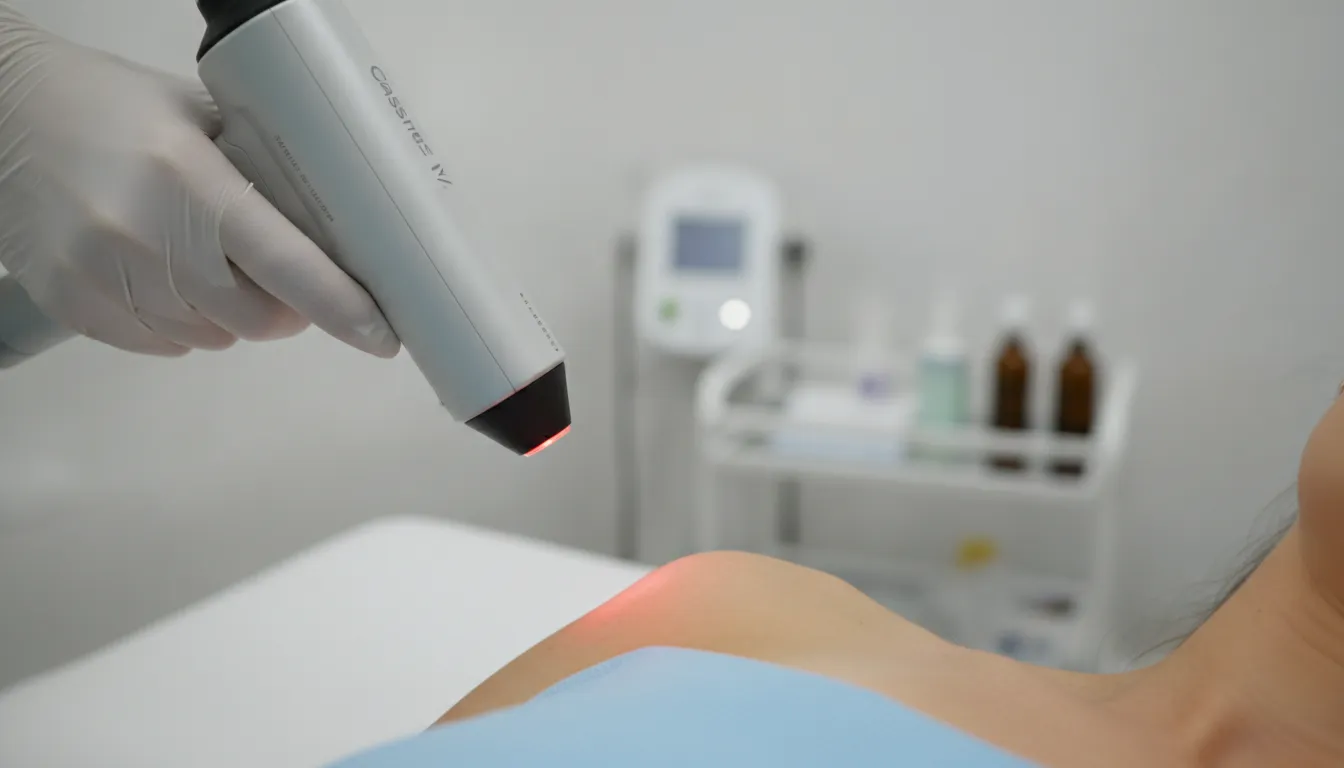
- Laser Use: The tech moves the laser over your shoulder. You will likely feel a warm, soothing feeling as the light enters the deep tissue.
- Active Move: After the light work, we may ask you to move your arm. This helps us see how your shoulder feels right away.
After Your Care
There is no down time after your visit to LaserLab Murrells Inlet. Most people go right back to work or play after they leave. You might notice that you can move a bit better right after the session. This ease of movement is great for golfers and active adults who want to stay in the game.
Most plans need about two to six weeks of care to see the full results. We often suggest two or three visits per week to keep the progress going. This helps your shoulder heal well over time. Each session builds on the last one to help you reach your goals.
Is Laser Therapy for Shoulder Pain Right for You?
Deciding if laser therapy for shoulder pain fits your needs depends on your activity level and health goals. This care is often a top choice for people in Murrells Inlet who want to avoid drugs or surgery. Whether you are dealing with minor aches from a recent game or long-term stiffness, light-based care may help you get back to your routine. A professional team will check your medical history first to ensure this approach is safe for you.
Ideal candidates for care
Many local athletes use this care to stay in the game. It is popular among golfers and pickleball players who need to maintain their range of motion. If you enjoy an active life but find that shoulder discomfort slows you down, you might be a great fit. Active adults often choose laser therapy for shoulder mobility and injury recovery because the sessions are quick and easy to fit into a busy day.
This path also helps those in post-surgical recovery. People looking to support the body's natural healing process without extra pills often find this helpful. Research shows that laser therapy can provide clinically relevant pain relief for specific shoulder issues like tendinopathy. It is a drug-free way to manage the stiffness that often follows a procedure or a long-term injury.
Consultation and safety
Before you start, you must have a supervised consultation. A medical professional will look at your history to check for any reasons you should not have the treatment. This step is vital to keep you safe and make sure you get the best results. At Laser Lab Therapy, these supervised consultations help the team build a plan that matches your specific needs.
The tech used in these sessions is FDA-cleared for the relief of minor joint aches and muscle spasms. It also helps increase local blood flow to the area. While many people see a change after just a few visits, a full plan usually lasts two to six weeks. By working with a professional team, you can find out if this non-invasive tool is the right way for you to move better and feel better.
Frequently Asked Questions
How many laser therapy sessions are needed for shoulder pain?
Most plans for shoulder care last between two and six weeks. You will often visit the clinic two or three times each week for the best results. Each session is very fast and takes only five to ten minutes. According to Laser Lab Therapy, many people notice a change in how they move after just a few visits. Your plan will depend on your own needs and how your shoulder feels.
Does insurance cover laser therapy for shoulder pain?
Most health plans do not cover high-power laser care at this time. Clinics like Laser Lab Therapy often use a cash-based model to keep care simple. This allows you to get help without waiting for a long time. You can talk to the staff about plans to find one that fits your budget and health goals. This type of care is a way to invest in your long-term health and motion.
Who should I consult to determine if laser therapy is right for my shoulder pain?
You should start with a meeting at a wellness center. At Laser Lab Therapy, a health team led by an MD will check your health past first. They look for any reasons why you should not have light-based care. This step ensures that the plan is safe and right for your shoulder issues. You can request an appointment online to start this process.
Is laser therapy for shoulder pain helpful after surgery?
Yes, light-based care is a good choice for people who want to speed up their healing after shoulder surgery. It is a drug-free way to help tissue fix itself and manage stiffness. A study on shoulder relief shows that the right light dose can offer real pain relief. This care works by boosting blood flow to the joint. This helps you get back to your daily life much sooner.
Ready to find relief for your minor shoulder stiffness and aches?
Ignoring minor shoulder stiffness often leads to less movement and longer recovery times as the weeks pass. You might have to stop playing golf or doing the daily things you love most if your shoulder aches get worse. Taking action now helps you get back on track with advanced laser therapy since our MD-supervised care plans are quick and easy. Each session uses FDA-cleared technology to target your aches and help local blood flow in just five to ten minutes. By starting today, you can help your body recover and keep the way you move for the long term instead of waiting.
Ready to move better? Request an Appointment to book your consultation with our clinic team in Murrells Inlet today.
Frequently Asked Questions
Is light therapy safe for athletes?

Yes, light therapy is completely safe and highly beneficial for athletes. It promotes faster muscle recovery, reduces inflammation, and supports performance without the risks of medication or downtime. That’s why professional and amateur athletes worldwide rely on it to train smarter and recover quicker.
How many sessions will I need?
The number of sessions varies depending on the type and severity of your condition. Many patients notice improvement after 3–5 sessions, while chronic conditions may require ongoing care for best results. During your initial consultation, we’ll design a personalized treatment schedule tailored to your body’s response and recovery goals.

Ready to Try Light Therapy for Recovery?