


Laser Therapy for Knee Arthritis: Does It Work?
When you hear the term "laser," it’s easy to think of something from a science fiction movie. But when it comes to treating joint pain, the reality is much more grounded in biology. Laser therapy for knee arthritis is a gentle, non-invasive treatment that uses specific wavelengths of light to stimulate healing deep within your tissues. It’s not about heat or cutting; it’s about giving your damaged cells the energy they need to repair themselves. This process helps calm inflammation, improve circulation, and reduce pain at its source. In this article, we’ll break down the science in simple terms and show you how this innovative therapy can help you find lasting relief.
Key Takeaways
- Address Pain at the Source, Not Just the Symptoms: Laser therapy uses targeted light to reduce inflammation and stimulate cell repair deep within the knee joint, providing a drug-free alternative for lasting relief.
- Consistency Is Crucial for Lasting Relief: Effective laser therapy involves a series of treatments, as the healing effects build over time. Combining sessions with gentle exercise creates a powerful synergy, helping you regain mobility and strength more effectively.
- Professional Treatment Ensures Safety and Results: The effectiveness of laser therapy depends on the right dosage and application, which requires a trained specialist. Choosing a qualified provider with professional-grade equipment is essential for a safe and successful outcome.
What Is Laser Therapy for Knee Arthritis?
If you're dealing with the daily grind of knee arthritis, you know how frustrating it can be to find relief that doesn't involve a cabinet full of pills or the prospect of surgery. That’s where laser therapy services for knee arthritis come in. It’s a non-invasive treatment that uses specific wavelengths of light to help your body heal from the inside out. Instead of just masking the symptoms, this therapy gets to the source of the pain and inflammation deep within your knee joint.
The goal is to stimulate your cells, increase blood flow, and calm down irritated nerves, all without any incisions or medication. It’s a modern approach to pain management for knee arthritis that works with your body’s natural healing abilities. Think of it as giving your knee the tools and energy it needs to start repairing itself. This process helps you move with more freedom and less discomfort, getting you back to the activities you love without the side effects that can come with traditional treatments. It's a gentle yet powerful way to support your body's recovery.
How Laser Therapy Works
So, how can light possibly fix a sore knee? It’s all about a process called photobiomodulation. During a session, a device sends light energy deep into the tissues of your knee joint. This light is absorbed by your cells, which triggers a series of chemical changes. Essentially, it gives your damaged cells a much-needed energy charge, helping them repair and regenerate more efficiently. This process helps reduce inflammation and swelling, which are major culprits behind arthritis pain. By getting to the root of the problem at a cellular level, laser therapy helps speed up your recovery and provides lasting relief. It can also fit well into preventative wellness for knee and joint support for people who want to stay proactive about long-term mobility.
Types of Lasers Used for Arthritis
Not all lasers are the same. In a clinical setting, you’ll typically encounter two main types for treating arthritis. The first is Low-Level Laser Therapy (LLLT), often called "cold laser" because it doesn't produce heat and won't burn your skin. It uses low-powered light photons to gently stimulate cell repair. The second is High-Intensity Laser Therapy (HILT), which uses a higher-powered laser to penetrate deeper into the tissue. Both are effective for managing the pain of knee osteoarthritis. At Laser Lab, we use advanced, state-of-the-art equipment to ensure you receive the most effective and appropriate light-based care for your specific condition, along with recovery support for knee pain and movement to help you stay active and comfortable.
How Does Laser Therapy Relieve Knee Pain?
If you're picturing a sci-fi movie, let's clear things up. Laser therapy for knee pain isn't about intense heat or cutting beams. Instead, it uses specific wavelengths of low-level light to work with your body’s natural healing processes. Think of it as giving your cells a gentle, encouraging nudge to do what they do best: repair and regenerate.
This process, known as photobiomodulation, works on a few different levels to address the root causes of arthritis pain. It’s not just masking the symptoms; it’s creating a better environment for your knee joint to heal from within. By targeting damaged tissues with focused light energy, laser therapy helps reduce pain and inflammation while supporting long-term joint health. Let’s break down exactly how it accomplishes this.
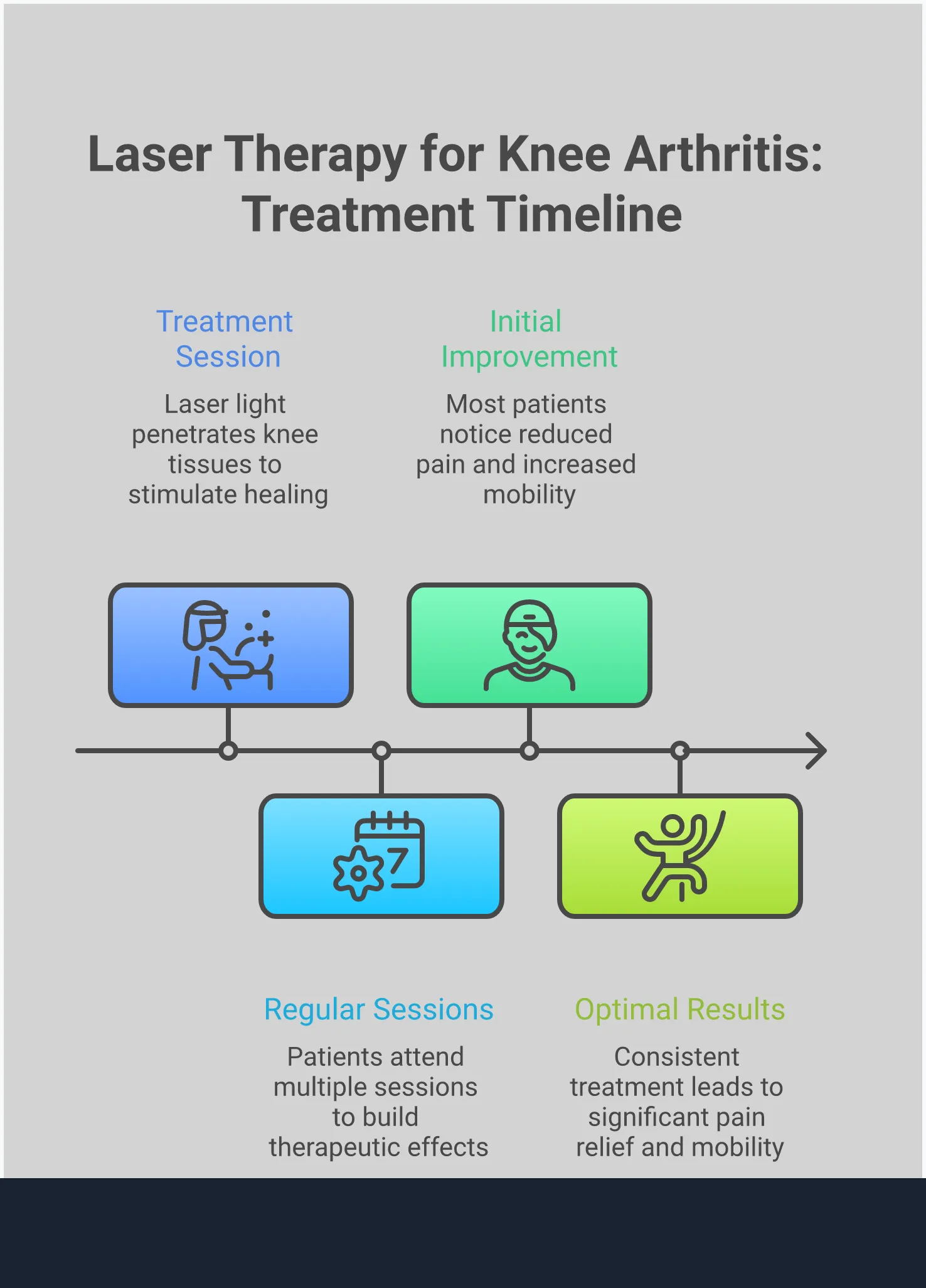
Energizes Your Cells for Healing
At the heart of your knee pain are cells that are stressed, damaged, and struggling to function properly. Laser therapy delivers light energy directly into these tissues, where it’s absorbed by the mitochondria—the powerhouses of your cells. This absorption stimulates them to produce more energy, essentially giving them the fuel they need to kickstart the repair process. With this extra energy, cells can regenerate faster, build new tissue, and get you back on your feet. Our entire approach to pain management is built on supporting your body's incredible ability to heal itself.
Reduces Inflammation and Swelling
The chronic inflammation associated with arthritis is a major source of pain, stiffness, and swelling. Laser therapy helps calm this inflammatory response. The light energy improves circulation in the treated area, which helps flush out inflammatory substances and reduce fluid buildup. Better blood flow also means more oxygen and healing nutrients can reach the damaged joint tissues. By dialing down the inflammation, laser therapy provides noticeable relief from the constant ache and stiffness that can make everyday movements so difficult. This is a key part of our preventative wellness philosophy—addressing inflammation before it causes more significant problems.
Releases Natural Pain-Relieving Endorphins
Beyond working at the cellular level, laser therapy also provides more immediate comfort by tapping into your body’s built-in pain-relief system. The treatment stimulates nerve cells in a way that encourages the release of endorphins, which are natural chemicals that act like your body’s own morphine. This creates a natural analgesic effect, reducing your perception of pain without the need for medication. This endorphin release not only helps you feel better during and after your session but also contributes to a positive cycle where less pain allows for more movement, which in turn supports joint health.
What Are the Benefits of Laser Therapy?
If you're dealing with the daily grind of knee arthritis, you know how much it can impact your life. Finding relief that doesn't involve a long recovery or unwanted side effects is a top priority. That's where laser therapy comes in. It offers a gentle yet powerful way to manage your symptoms and get back to doing what you love. The benefits go beyond just temporary relief; this therapy works with your body to create lasting change, helping you feel and move better from the inside out.
Reduce Pain Without Medication
One of the biggest draws of laser therapy is its ability to provide significant pain relief without relying on medication. Instead of just masking the pain, the light energy works with your body to address it at the source. The therapy helps your body release its own natural pain relievers called endorphins, which can create a sense of well-being and reduce discomfort. At the same time, it supports your immune system in healing damaged tissues. This approach offers a sustainable way to manage chronic pain, helping you reduce or even eliminate the need for daily pain pills and their potential side effects.
Improve Mobility and Joint Function
Stiffness and limited movement are hallmark symptoms of knee arthritis that can make simple activities feel like a major challenge. Laser therapy can help restore your freedom of movement. By reducing inflammation and pain, it allows the knee joint to move more freely. Research shows that patients undergoing Low-Level Laser Therapy (LLLT) see improvements in their range of motion and overall functional status. This means you can get back to walking, climbing stairs, and enjoying your favorite activities with greater ease and less discomfort. It’s about improving your quality of life, one step at a time.
A Non-Invasive Alternative to Surgery
The thought of knee surgery can be daunting, with its long recovery times and potential complications. Laser therapy offers a powerful, non-invasive alternative for those who want to avoid going under the knife. Because the treatment is applied externally, there are no incisions, no anesthesia, and no lengthy downtime. It’s a gentle procedure that allows you to get back to your day immediately after a session. For many, laser-assisted treatment is an effective way to manage knee arthritis symptoms and delay or even prevent the need for more invasive procedures like knee replacement surgery.
Promotes Collagen to Repair Tissue
Laser therapy doesn't just manage symptoms; it actively supports your body's healing processes. The light energy penetrates deep into the tissue, stimulating cellular activity that helps repair the damage caused by arthritis. It encourages the production of collagen, a key protein for building healthy connective tissue. This process helps build new tissue, improves blood flow to the area, and strengthens the structures around your knee joint. By promoting natural regeneration, laser therapy helps create a stronger, more resilient knee that is better equipped to handle daily demands.
How Effective Is Laser Therapy for Knee Arthritis?
When you’re dealing with the daily grind of knee arthritis, you want to know one thing: does the treatment actually work? It’s a fair question, and when it comes to laser therapy, the answer is a resounding yes. This isn’t just wishful thinking; it’s a treatment backed by solid scientific research and recognized by medical organizations for its ability to manage pain and improve quality of life.
The real power of laser therapy lies in its ability to address the root causes of arthritis pain—inflammation and cellular damage—without resorting to drugs or surgery. It’s a gentle, non-invasive approach that works with your body’s natural healing processes. Think of it as giving your cells the specific energy they need to repair themselves more efficiently. For many people living with knee osteoarthritis, this means less pain, better mobility, and a return to the activities they love. The evidence shows that it’s a reliable tool for managing symptoms, especially when integrated into a comprehensive care plan for pain management.
What the Research Says
You don’t have to take our word for it—the science speaks for itself. A comprehensive meta-analysis that looked at over 1,000 patients found that low-level laser therapy (LLLT) significantly reduced both pain and disability for people with knee osteoarthritis. The study confirmed that specific wavelengths of light are highly effective at providing relief, supporting what practitioners have seen in clinics for years. This kind of large-scale review is powerful because it pools data from multiple studies, giving us a clear and reliable picture of the therapy's effectiveness. It shows that laser therapy isn't a fleeting trend but a scientifically validated treatment for managing chronic knee pain.
Is It FDA-Approved?
Safety and legitimacy are top priorities, so it’s important to know that laser therapy is a credible and regulated treatment. The FDA has cleared Class IV laser devices for the treatment of muscle and joint pain, including the kind associated with knee arthritis. Adding to its credibility, the American Academy of Orthopaedic Surgeons (AAOS) has recognized the efficacy of laser therapy and recommends it as a treatment option for osteoarthritic knee pain. This endorsement from a major medical organization underscores its value and confirms its place as a mainstream, trusted therapy for those seeking relief without medication or invasive procedures.
Combining Laser Therapy with Exercise
Laser therapy is incredibly effective on its own, but it works even better when paired with an active recovery plan. Research shows that combining laser treatments with a consistent exercise routine enhances its effectiveness and leads to better long-term outcomes. The laser helps reduce pain and inflammation, which makes it easier and more comfortable for you to move. Gentle movement and targeted exercises then help strengthen the muscles supporting the knee joint, improve flexibility, and maintain function. This combination creates a positive cycle: laser therapy makes movement possible, and movement makes the therapy even more effective. It’s a holistic approach that empowers you to take an active role in your healing journey.
What Does a Treatment Plan Look Like?
So, you're considering laser therapy for your knee arthritis—a fantastic step toward feeling better. But what does the process actually look like? It’s not a one-size-fits-all solution. Instead, think of it as a personalized roadmap designed to reduce your pain and improve your mobility. Your treatment plan will be tailored specifically to you, considering the severity of your arthritis, your pain levels, and your overall health goals. At Laser Lab Therapy, we work with you to create a plan that fits your life and gets you back to doing what you love. Let's walk through what you can typically expect when it comes to session frequency, results, and how laser therapy fits in with other care you might be receiving.
How Many Sessions Will You Need?
This is one of the most common questions we get, and the answer is: it depends. Since every knee is different, every treatment plan is, too. Generally, research indicates it can take anywhere from 8 to 30 sessions to see significant, lasting improvement. These appointments are usually scheduled a few times a week, especially at the beginning, to build momentum and maximize the healing effects. The exact number you’ll need depends on factors like how long you’ve had pain and the stage of your arthritis. We’ll map out a clear plan during your consultation so you know exactly what to expect from your pain management journey.
How Long Until You See Results?
You’re in pain, so you want relief as soon as possible. The great news is that many people report feeling better after just one or two sessions. You might notice a subtle decrease in pain or a little more ease in your movement. However, the real magic happens over time. For substantial relief, it’s common to experience the full benefits after completing a series of treatments. Think of each session as a building block—the therapy has a cumulative effect, with each treatment building on the last to reduce inflammation. This quick onset of relief often motivates people to see their plan through.
Can You Combine It with Other Treatments?
Absolutely. Laser therapy isn’t meant to be a standalone solution. In fact, it works incredibly well as part of a comprehensive approach to managing knee arthritis. Recent studies suggest that low-level laser therapy is especially effective when used alongside treatments like physical therapy and a consistent exercise routine. By reducing pain and inflammation, laser therapy can make it much more comfortable for you to perform the strengthening exercises your physical therapist recommends. This combination allows for a more complete management of your symptoms, helping you not only feel better but also improve your knee’s long-term function and stability. It’s all about creating a holistic plan that supports your body.
Are There Any Side Effects or Risks?
It’s smart to ask about the risks associated with any new treatment, and laser therapy is no exception. The great news is that when performed by a trained professional, laser therapy is a remarkably safe procedure with a very low risk of side effects. Because it’s non-invasive and doesn’t involve medication, you get to skip the complications and recovery time that come with surgery or the potential issues of long-term drug use.
The therapy works by using specific wavelengths of light to stimulate your body’s natural healing processes, not by cutting or burning tissue. This gentle approach is a key reason why so many people turn to it for pain management. However, safety also depends on a few important factors, including your personal health history and the expertise of your provider. A thorough consultation is the first step to ensuring the treatment is right for you and that every session is conducted safely and effectively.
A Look at the Safety Profile
Laser therapy has an excellent safety record. Most people experience no side effects at all. On rare occasions, some might notice a slight warmth or redness in the treated area, but this typically fades within a few hours. Unlike injections or surgery, there’s no risk of infection or need for a long recovery period. You can get back to your day immediately after a session. The treatment is designed to be comfortable and relaxing. The primary focus is on supporting your body’s ability to heal itself, making it a gentle yet powerful option for managing the chronic pain and stiffness of knee arthritis without introducing new problems.
Who Should Avoid Laser Therapy?
While laser therapy is safe for most people, there are a few specific situations where it isn’t recommended. To ensure your safety, this treatment should be avoided if you are pregnant, as the effects on a developing baby are not yet known. It’s also not suitable for treating an area with active cancer, as the light energy can stimulate cell growth. Additionally, individuals with epilepsy should avoid laser therapy because the focused light could potentially trigger a seizure. A qualified provider will always review your complete medical history during your consultation to confirm that you are a good candidate. It's always best to contact a professional if you have specific concerns about your health conditions.
Safety Protocols During Your Session
Your safety during treatment is the top priority. A key part of this is ensuring the laser is calibrated perfectly for your specific needs—this includes the right light dose, wavelength, and treatment time. The skill of the technician is crucial for both the safety and effectiveness of the therapy. Another essential safety measure is eye protection. Both you and your technician will wear specially designed safety glasses throughout the session. This is non-negotiable, as the therapeutic lasers are powerful and could cause eye damage without proper protection. These protocols are standard practice at any reputable clinic and show a commitment to professional, responsible care from an experienced team.
Are You a Good Candidate for Laser Therapy?
Laser therapy is an exciting option for knee arthritis, but it’s not the right fit for everyone. Your overall health, the specifics of your condition, and your treatment goals all play a role in determining if it’s the best path for you. The most effective way to find out is by talking with a qualified professional who can assess your unique situation.
Think of it this way: laser therapy is a powerful tool, and we want to make sure it’s the right tool for your specific needs. For many people dealing with chronic knee pain, it offers a safe, non-invasive way to get back to the activities they love without relying on medication or considering surgery. Let’s walk through what makes someone a great candidate, which conditions respond best, and a few situations where another approach might be better.
Signs You're an Ideal Candidate
You might be a perfect candidate for laser therapy if you’re looking for a non-surgical and drug-free way to manage your knee pain. This treatment is especially helpful for individuals who want to avoid the side effects of long-term medication use or the risks and recovery time associated with surgery. If you’re tired of knee pain holding you back from daily walks, playing with your grandkids, or staying active, laser therapy could be the key to improving your quality of life. It’s a fantastic option for anyone seeking effective pain management that works with the body’s natural healing processes.
Which Stages of Arthritis Respond Best?
One of the great things about laser therapy is its effectiveness across different stages of knee arthritis. While it can provide relief for more advanced cases, research shows it’s particularly effective for mild to moderate osteoarthritis, especially when combined with an exercise plan. A large review of over 1,000 patients found that laser therapy significantly reduced both pain and disability. By addressing pain and inflammation, it helps you move more comfortably, making it easier to stay active and maintain joint function. This approach supports long-term preventative wellness by helping you manage symptoms and slow progression.
When Laser Therapy Might Not Be for You
While laser therapy is very safe, there are a few instances where it isn’t recommended. For safety reasons, you should not have laser therapy if you are pregnant, have epilepsy, or have active cancer in the area being treated. It’s also important to have realistic expectations. Results can vary from person to person depending on the cause of your pain and your overall health. The best way to know for sure if you’re a candidate is to have a conversation with a specialist. We encourage you to contact us for a consultation to discuss your health history and determine if this treatment is right for you.
Common Myths About Laser Therapy
When you’re exploring new treatments for knee pain, it’s easy to run into conflicting information. Laser therapy is a powerful tool for managing arthritis, but a few common myths can cause confusion. Let's clear the air and separate fact from fiction so you can make an informed decision about your health. Understanding what laser therapy can—and can’t—do is the first step toward finding lasting relief. We'll walk through some of the biggest misconceptions to give you a clearer picture of how this treatment actually works.
Myth: It's a Guaranteed Cure
It’s important to have realistic expectations. While laser therapy is an incredibly effective tool for reducing pain and inflammation from knee arthritis, it isn't a one-size-fits-all cure. Every person's body and condition is unique, so results can vary. Research shows that laser therapy provides significant relief, but experts agree that outcomes depend on using the right laser, dose, and wavelength for your specific needs. That’s why a personalized treatment plan from a trained professional is so important. The goal is to manage your symptoms, improve your mobility, and restore your quality of life, and laser therapy is a fantastic, non-invasive way to achieve that.
Myth: At-Home Devices Are Just as Good
You may have seen laser devices for sale online, but they are not a substitute for professional treatment. Using a laser correctly requires special training to ensure both safety and effectiveness. A trained therapist knows how to apply the precise dosage of light energy needed to stimulate healing deep within your tissues. The professional-grade equipment we use at Laser Lab Therapy is far more powerful and targeted than anything available for home use. Trying to treat yourself without proper guidance can be ineffective at best and unsafe at worst. For reliable and safe results, always seek care from a qualified provider.
Myth: It Only Works for Mild Arthritis
Some people believe that laser therapy is only helpful for minor aches or the early stages of arthritis, but that simply isn't true. In fact, it has proven to be a reliable treatment for people across the spectrum of knee osteoarthritis. A large review of multiple studies found that laser therapy significantly reduced both pain and disability for patients, often when used alongside a gentle exercise program. Whether you're dealing with persistent stiffness or more significant pain that limits your daily activities, laser therapy can help reduce inflammation and promote tissue repair, making it a valuable option for various stages of arthritis.
How to Choose the Right Laser Therapy Provider
Finding the right laser therapy provider is just as important as the treatment itself. The technology is powerful, but its effectiveness depends on the skill and knowledge of the person operating it. You want a specialist who understands the science behind light therapy and can create a personalized plan for your specific needs. A great provider will be your partner in healing, ensuring you feel comfortable, informed, and confident. When you’re ready to find a provider, focus on their qualifications, the quality of your consultation, and what you can expect from your first visit.
Check for Credentials and Training
Before you commit to a treatment plan, make sure your provider is properly qualified. Laser therapy is a specialized field, and technicians should have formal certification from accredited training programs. This ensures they have a deep understanding of the biological effects of medical lasers and are trained in the latest safety protocols. Don’t hesitate to ask where they received their training and what credentials they hold. A reputable clinic will be transparent about its team's qualifications. At Laser Lab, our certified technicians are dedicated specialists in light-based care, so you can trust you’re in experienced hands.
Ask These Questions at Your Consultation
Your initial consultation is the perfect opportunity to get a feel for the provider and their approach. Think of it as an interview—you’re deciding if they’re the right fit for you. Come prepared with a few questions to help guide your decision.
Here are some great questions to ask:
- What type of laser do you use for knee arthritis, and why did you choose it?
- What is your experience in treating conditions similar to mine?
- Can you walk me through the treatment plan you would recommend for me?
- How will we track my progress?
The provider’s answers should be clear, confident, and easy to understand. This conversation is key to building trust and ensuring you’re on the same page. If you're ready to ask these questions, we invite you to schedule a consultation with our team.
What to Expect at Your First Visit
Your first visit should be a comprehensive and personalized experience. It’s not just about getting your first treatment; it’s about establishing a foundation for your care. A great provider will start with a thorough evaluation of your knee, discussing your pain levels, mobility limitations, and overall health history. They should clearly explain how laser therapy works and what you can expect during and after your sessions. This is your time to ask questions and set goals together. By the end of your first appointment for pain management, you should feel heard, understood, and optimistic about the path ahead.
Frequently Asked Questions
Does the laser therapy treatment hurt? Not at all. Most people feel nothing more than a gentle, soothing warmth over their knee during the session. It’s a common misconception that all lasers are hot, but the type used for this therapy is designed to stimulate your cells without burning or damaging the skin. It’s a completely comfortable and relaxing experience.
How long does a typical session last? Each session is surprisingly quick, which makes it easy to fit into a busy schedule. A typical treatment for knee arthritis usually takes about 10 to 20 minutes. There’s no downtime, so you can head right back to your day as soon as you’re finished.
Can I continue my normal activities while undergoing treatment? Yes, and that’s one of the biggest benefits. Because laser therapy is non-invasive and doesn't require any recovery time, you can continue with your daily life without interruption. In fact, as the therapy begins to reduce your pain and inflammation, you’ll likely find it easier and more comfortable to stay active.
Why do I need a series of treatments if I feel better after the first one? It’s great that many people feel some relief right away, but the real, lasting benefits are cumulative. Think of it like this: the first few sessions calm down the immediate inflammation, but the full series of treatments is what gives your cells the sustained energy they need to repair tissue and create long-term change. Completing the full plan ensures you get the most durable results.
Is this the same as the laser devices I can buy online? Professional laser therapy is in a completely different league from at-home devices. The equipment we use in the clinic is a medical-grade device that is far more powerful and can deliver a precise, therapeutic dose of light energy deep into the joint tissue. A trained technician ensures the treatment is both safe and effective, something an at-home gadget simply can't guarantee.
Frequently Asked Questions
Is light therapy safe for athletes?

Yes, light therapy is completely safe and highly beneficial for athletes. It promotes faster muscle recovery, reduces inflammation, and supports performance without the risks of medication or downtime. That’s why professional and amateur athletes worldwide rely on it to train smarter and recover quicker.
How many sessions will I need?
The number of sessions varies depending on the type and severity of your condition. Many patients notice improvement after 3–5 sessions, while chronic conditions may require ongoing care for best results. During your initial consultation, we’ll design a personalized treatment schedule tailored to your body’s response and recovery goals.

Ready to Try Light Therapy for Recovery?