


What Are Intermittent Pneumatic Compression Devices?
For athletes and active individuals, recovery is just as important as the workout itself. Pushing your limits is how you get stronger, but the muscle soreness and fatigue that follow can slow you down. To get back to your training faster, you need to optimize your body’s healing process. This is where intermittent pneumatic compression devices come in. By applying rhythmic pressure to your limbs, this therapy acts like an active recovery session while you rest. It helps flush out lactic acid and other waste products while increasing blood flow to deliver vital nutrients to your tired muscles. It’s a game-changing tool for reducing downtime and enhancing performance.
Key Takeaways
- IPC gives your circulation a helping hand: This therapy uses gentle, rhythmic pressure to move blood and lymph fluid, helping your body reduce swelling, clear out waste, and speed up its natural recovery process.
- It is a versatile tool for many health goals: IPC is valuable for a wide range of needs, including accelerating athletic recovery, supporting post-surgical healing, and managing chronic conditions that involve swelling or poor circulation.
- Expert advice is key for the best results: Working with a professional ensures your experience is safe and effective, as they can confirm IPC is right for you, ensure the equipment fits properly, and create a personalized plan for your specific goals.
What is Intermittent Pneumatic Compression?
If you’ve ever felt sore, swollen, or just plain sluggish after a tough workout or a long day on your feet, you know how important good circulation is. Intermittent Pneumatic Compression, or IPC, is a therapy designed to help with exactly that. Think of it as a smart, automated massage for your limbs. An IPC treatment uses an air pump connected to inflatable sleeves that you wear around your arms, legs, or hips.
These sleeves rhythmically inflate and deflate, applying gentle pressure to your limbs. This process helps move fluids like blood and lymph, improving circulation and helping your body clear out waste products that can cause soreness and swelling. It’s a completely non-invasive way to support your body’s natural recovery process, making it a fantastic tool for anyone looking to manage pain, speed up healing, or simply feel their best.
At Laser Lab, we believe in giving your body the tools it needs to heal itself. IPC therapy fits perfectly into this philosophy by enhancing your body’s own systems without drugs or surgery. Whether you're an athlete looking for better performance recovery or someone dealing with chronic swelling, IPC offers a gentle yet powerful solution. It’s a simple, effective way to give your circulatory system a helping hand.
How an IPC Device Works
The way an IPC device works is pretty straightforward. The system consists of inflatable sleeves or boots that you wrap around a limb, like your lower legs. These sleeves are connected by tubes to a small, computerized air pump. Once you turn it on, the machine begins pumping air into the sleeves, causing them to inflate and gently squeeze the area.
This compression acts like a pump for your circulatory system, pushing blood and other fluids out of the limb. After a set period, the sleeves deflate, releasing the pressure. This release allows fresh, oxygen-rich blood to flow back into the area. According to the Cleveland Clinic, this cycle of squeezing and releasing helps move blood effectively through your legs, which is key for preventing clots and reducing swelling. It’s a simple mechanical process that mimics the body's natural muscle contractions.
Sequential vs. Uniform Compression
Not all compression is created equal. IPC devices typically use one of two methods: uniform or sequential compression. With uniform compression, the entire sleeve inflates at once, applying consistent pressure across the whole limb before deflating. It’s a simple and effective way to get things moving.
A Sequential Compression Device (SCD) is a bit more advanced. It uses sleeves with multiple air chambers that inflate one after another, starting from the point farthest from your heart and moving upward. For example, a leg sleeve would inflate at the ankle first, then the calf, and then the knee. This creates a gentle, wave-like "milking action" that is incredibly effective at pushing fluid up and out of the limb, preventing it from pooling.
Common Types of Compression Systems
IPC systems come in a few different shapes and sizes, designed to target specific areas of the body. The most common types you’ll see are leg and foot compression systems. These often look like large boots or sleeves that cover everything from your foot to your upper thigh. They are fantastic for improving circulation in the lower body, which is essential for anyone who spends a lot of time standing or sitting.
You can also find sleeves designed for the arms, which are often used to manage conditions like lymphedema after surgery. Some advanced systems even offer compression for the hips and lower back. These medical tools are all built on the same principle: using air to apply rhythmic pressure that supports blood flow and fluid movement. Whether you need targeted relief for your legs or a full-body flush, there’s likely a compression system that can help.
What Are the Benefits of IPC Therapy?
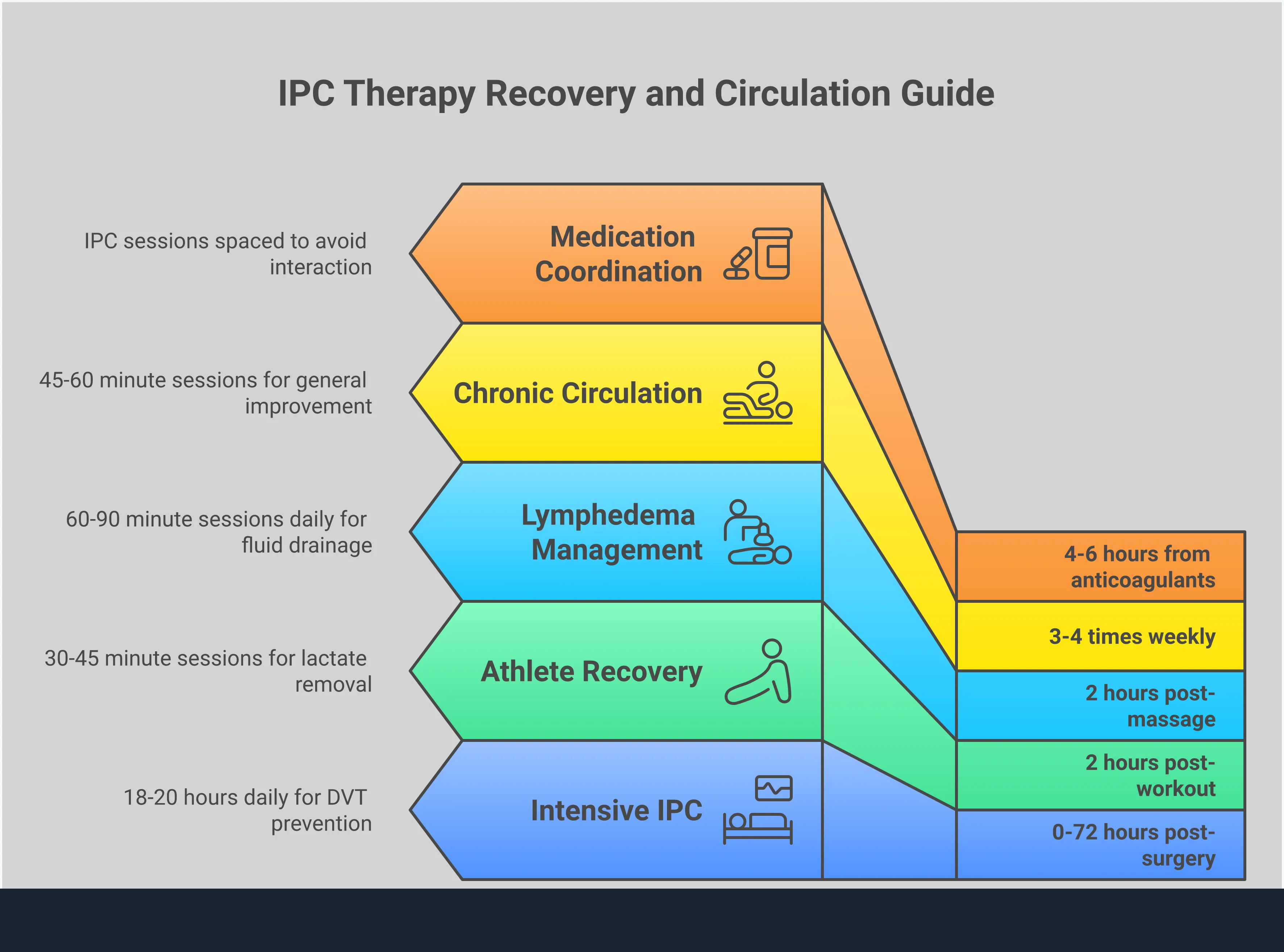
Intermittent pneumatic compression (IPC) therapy might sound complex, but its benefits are straightforward and incredibly practical. At its core, this therapy is about improving circulation to help your body heal itself, prevent serious issues, and recover faster. Think of it as a targeted, automated massage that gets your blood and lymphatic fluid moving exactly where it needs to go. The process involves wearing special sleeves or cuffs that inflate and deflate in a rhythmic pattern, gently squeezing your limbs to encourage fluid movement. This simple, mechanical action has profound effects on your body's ability to function at its best.
Whether you’re an athlete looking for a competitive edge, someone recovering from surgery, or simply trying to manage a chronic condition, IPC offers a non-invasive, drug-free way to support your body’s natural processes. It’s a powerful tool for taking control of your own wellness and recovery journey, aligning perfectly with a holistic approach to health that works with your body, not against it. From preventing dangerous blood clots to reducing muscle soreness and swelling, the applications are broad and the results are tangible. It’s a gentle yet effective therapy that empowers you to feel better and move better.
Prevent Deep Vein Thrombosis (DVT)
One of the most critical benefits of IPC therapy is its ability to help prevent blood clots, a condition known as deep vein thrombosis (DVT). DVT can become very serious if a clot travels to your lungs. This risk is highest when you’re immobile for long periods, like after surgery or during a long illness. IPC devices use inflatable cuffs that gently squeeze and release your legs, mimicking the natural muscle contractions you make when walking. This simple action keeps your blood flowing smoothly through your veins, making it much harder for dangerous clots to form. It’s a safe and effective way to protect yourself during vulnerable recovery periods.
Improve Circulation and Speed Up Recovery
Great circulation is the key to feeling your best, and it’s essential for healing. IPC therapy gives your circulatory system a major assist. By rhythmically compressing your limbs, the device helps push deoxygenated blood and waste products out, allowing fresh, oxygen-rich blood to flow in. This process is a game-changer for performance recovery. For athletes, it means less muscle soreness and faster repair after a tough workout. For anyone healing from an injury, it means delivering the nutrients your tissues need to rebuild. This improved blood flow can significantly shorten your recovery time and get you back to doing what you love, faster.
Manage Lymphedema and Reduce Swelling
If you’ve ever dealt with persistent swelling in your arms or legs, you know how uncomfortable it can be. This condition, known as lymphedema, happens when lymphatic fluid builds up in your tissues. IPC therapy is an excellent tool for managing it. The sequential pressure from the device’s cuffs acts like a manual pump for your lymphatic system, gently pushing the trapped fluid out of the swollen area. Once the pressure releases, fresh blood flow is restored. This process not only reduces swelling and discomfort but also helps improve the overall health of the affected limb by clearing out stagnant fluid and promoting circulation.
Support Your Post-Surgical Recovery
After surgery, your body is working overtime to heal, and mobility is often limited. This is where IPC therapy can be an invaluable part of your recovery plan. Hospitals have used these devices for years to help patients who are bedridden. By stimulating blood flow in your legs, IPC helps prevent the complications that can arise from being stationary, like DVT and muscle stiffness. It also helps reduce post-operative swelling and the associated pain management challenges. Using an IPC device can make your recovery safer, more comfortable, and more efficient, helping you regain your strength and independence sooner.
Is Intermittent Pneumatic Compression Right for You?
Intermittent pneumatic compression might sound complex, but it’s a straightforward therapy that can make a significant difference for many people. It’s not just for one specific situation; its benefits extend across various scenarios, from recovering after an operation to managing chronic conditions. Understanding if you fit into one of these groups is the first step toward seeing if IPC is a good choice for your health and wellness goals. Let’s look at who stands to benefit the most.
For Post-Surgical Recovery
Recovering from surgery is a journey, and giving your body the right support is key. When you’re less mobile, your blood circulation can slow down, which increases the risk of complications. This is where IPC therapy shines. According to Johns Hopkins Medicine, these devices use inflatable cuffs that gently squeeze your legs to increase blood flow and help prevent blood clots in the deep veins, a condition known as deep vein thrombosis (DVT). Using an IPC device is a simple, non-invasive way to protect your body while you rest and heal, fitting perfectly into a proactive and drug-free recovery plan.
For Limited Mobility or Chronic Conditions
You don’t have to be recovering from surgery to benefit from IPC. If your lifestyle or a chronic condition keeps you from moving around much, you could be at risk for poor circulation. Think of long hours at a desk, extended travel, or health issues that limit your mobility. Intermittent pneumatic compression (IPC) devices act as a personal circulation assistant. The inflatable sleeves you wear on your legs gently inflate and deflate, helping move blood through your veins. This simple action helps prevent clots from forming when you can't be active. It’s an excellent tool for long-term health and complements a holistic approach to preventative wellness.
For High-Risk Prevention
Being proactive about your health means understanding potential risks and taking steps to address them. For individuals who are immobile for long periods, one of the most serious risks is Deep Vein Thrombosis (DVT). This happens when a blood clot forms in a deep vein, usually in the legs. The real danger occurs if a piece of that clot breaks off and travels to the lungs, causing a life-threatening pulmonary embolism. IPC devices are a powerful tool for prevention. By consistently improving blood flow, they significantly reduce the chances of these dangerous clots forming in the first place, offering you peace of mind and a safe way to protect your health.
How to Choose the Right IPC Device
Finding the right intermittent pneumatic compression (IPC) device can feel like a big decision, but it doesn’t have to be complicated. The best device for you is one that fits your specific health goals, whether that’s for performance recovery or managing a chronic condition. By focusing on a few key areas like technology, adjustability, safety, and comfort, you can confidently select a system that will serve you well. Let’s walk through what to look for.
Key Features and Smart Technology
Modern IPC devices are more than just simple cuffs. They are sophisticated tools designed for effective therapy. At their core, they are inflatable sleeves that you wear to help your blood circulate, but the technology makes a big difference. Look for devices with clear digital displays, multiple compression modes (like sequential or uniform), and quiet motors for a more pleasant experience. The goal is to find a system that is both powerful and simple to operate, especially if you plan to use it at home without assistance.
Adjustable Pressure and Cycle Times
Your body’s needs can change from day to day, so your IPC device should be able to adapt. The ability to customize the pressure and cycle times is a critical feature. The garment is intermittently inflated and deflated with cycle times and pressures that vary between devices, allowing you to find a setting that is both comfortable and effective for your specific situation. A lower pressure might be ideal for general wellness, while a higher, specific cycle might be needed for post-surgical recovery or managing lymphedema.
FDA Clearance and Safety Standards
When it comes to any medical device, safety is the top priority. Always choose an IPC device that has been cleared by the Food and Drug Administration (FDA). This clearance means the device has been reviewed for safety and effectiveness, giving you peace of mind. For example, some devices are specifically marketed as an FDA-cleared sequential compression device. Checking for this certification is a simple step that ensures you are using a product that meets high safety and quality standards, which is a core part of our approach to care.
Garment Fit and Portability
For IPC therapy to be effective, the garment or sleeve must fit you properly. A poor fit can be uncomfortable and may reduce the therapy’s benefits. Look for systems that offer a range of sizes or adjustable garments. Portability is another key factor, especially for home use. Many modern systems have an easy-to-use design that is lightweight and compact, making it convenient to use in different rooms or even take with you when you travel. This ensures you can stick to your therapy routine consistently.
Are There Any Risks or Side Effects?
One of the best things about intermittent pneumatic compression is its strong safety profile. It’s a non-invasive therapy that helps your body’s natural processes, which is why we value it as part of a holistic approach to preventative wellness. Like any therapeutic treatment, however, it’s smart to be aware of potential side effects and risks so you can have the safest, most effective experience possible.
The good news is that for most people, the side effects are very minor and easily managed. When the device is used correctly under professional guidance, issues are rare. Understanding how to prepare for a session and knowing when IPC therapy might not be the right choice for you is key. Below, we’ll walk through what you might experience, the simple precautions you can take, and the specific health conditions that may require an alternative approach. This knowledge will help you feel confident and prepared as you explore what IPC therapy can do for you.
Minor Discomfort and Skin Irritation
When you first start an IPC session, you’ll feel the sleeves inflate and gently squeeze your limbs. For most people, this is a comfortable, massaging sensation. Occasionally, you might notice a feeling of warmth under the sleeve or some minor discomfort, but this is usually temporary.
In rare cases, some people may experience a mild skin reaction, like redness or irritation, where the cuff makes contact with the skin. This is typically due to friction or pressure. Ensuring your skin is clean and dry before your session can help minimize this risk. If you have particularly sensitive skin, let your therapist know so they can take extra care to ensure your comfort throughout the treatment.
Important Safety Precautions
A little preparation goes a long way in ensuring your IPC session is both comfortable and effective. Two of the most important factors for preventing any issues are proper skin care and ensuring the compression garment fits correctly. Before your session, make sure the skin on the treatment area is clean and completely dry. Avoid applying any lotions or oils, as they can trap moisture and potentially lead to irritation under the cuff.
The fit of the sleeve is also crucial. It should be snug enough to stay in place and provide consistent pressure, but it should never feel painfully tight or cause numbness. A proper fit ensures the device can do its job without restricting circulation too much. Our team is trained to select and apply the right size garment for you, making sure your session is safe from start to finish.
When to Avoid Using an IPC Device
While IPC therapy is beneficial for many, it’s not suitable for everyone. It’s important to avoid using an IPC device if you have certain medical conditions, as the compression could worsen them. For example, individuals with active skin infections, leg ulcers, burns, or recent skin grafts on the treatment area should not use IPC.
Additionally, people with specific vascular diseases, severe peripheral artery disease, or diagnosed deep vein thrombosis (DVT) should avoid this therapy unless cleared by their doctor. The pressure could dislodge a clot, leading to serious complications. This is why a thorough medical assessment is so important. Before starting any new treatment, it’s essential to get in touch with a healthcare provider to discuss your health history and confirm if IPC is a safe option for you.
IPC Devices vs. Other Prevention Methods
When you’re focused on recovery or preventing health issues, it’s smart to know all your options. Intermittent pneumatic compression is a fantastic tool, but it’s just one piece of the puzzle. Understanding how IPC devices compare to other methods, like medication or simple movement, can help you and your healthcare provider create the best plan for your body. Think of it as building a personalized wellness toolkit where each component has a specific job. Let's look at how IPC stacks up against other common prevention strategies.
IPC Therapy vs. Anticoagulant Medications
One of the most common methods for preventing blood clots is anticoagulant medication, often called blood thinners. While these drugs can be very effective, they aren’t suitable for everyone. They carry risks, such as excessive bleeding, which makes them a concern for certain individuals. This is where IPC therapy offers a significant advantage.
As a mechanical, drug-free method, IPC devices provide an excellent alternative for people who need to avoid blood thinners. They work by physically squeezing the limbs to promote blood flow, sidestepping the systemic effects of medication. This makes them a cornerstone of our approach to preventative wellness, offering a safe way to support your circulatory health without introducing pharmaceuticals.
Pairing IPC Therapy with Physical Activity
It’s important to remember that IPC therapy is designed to supplement, not replace, physical activity. Gentle movement, like walking, is one of the best ways to keep your blood circulating and prevent clots, especially after surgery or during periods of rest. Your doctor will likely encourage you to get up and move as soon as you are safely able.
The great thing is that you don't have to choose between IPC and movement. These two methods work wonderfully together. You can use an IPC device while you are resting to keep blood flowing, and then get up for a walk when you feel ready. This combination is especially powerful for performance recovery, as it helps your body heal actively and passively.
Effectiveness Across Different Scenarios
So, where do IPC devices really shine? Their primary job is to prevent blood clots in the deep veins of your legs, a condition known as deep vein thrombosis (DVT). The inflatable cuffs work by squeezing your legs, which pushes blood out of the veins and back toward your heart. When the cuffs deflate, the veins refill, and the next cycle keeps the circulation going.
This simple but effective mechanism makes IPC devices incredibly useful in a variety of situations. They are a go-to for post-surgical patients who have limited mobility. They also provide crucial support for anyone who is bedridden or unable to move around for extended periods. By mechanically mimicking the muscle contractions of walking, IPC therapy helps ensure your circulatory system stays active, even when you can't be.
What to Expect During Your IPC Session
If you’re new to intermittent pneumatic compression, you might be wondering what a session actually feels like. The good news is that the process is comfortable, relaxing, and straightforward. Think of it as a gentle, automated massage that does the hard work for you. Your main job is to sit back and let the device improve your circulation. To get the most out of your treatment, it helps to know a little about the session length, how to get the right fit, and what to look for afterward.
Session Length and Frequency
One of the first questions people ask is, "How long should I use it?" The answer depends on your specific goals. The duration and frequency of your IPC sessions will be tailored to your needs, whether you're focused on performance recovery after a workout or managing a chronic condition. A session might last anywhere from 20 to 60 minutes. As a general guideline from the Cleveland Clinic, you can often stop when you feel you can move around more comfortably. We will work with you to create a schedule that fits your lifestyle and helps you achieve the best results, ensuring each session is both effective and convenient.
Setting Up Your Device Correctly
Getting the right fit is key to an effective and comfortable IPC session. The inflatable garments or cuffs should feel snug around your limbs, but never painful or overly tight. According to Cedars-Sinai, a good rule of thumb is that you should be able to fit one finger between the cuff and your leg. If the cuff is too loose, you won't get the full benefit of the compression. If it's too tight, it could be uncomfortable. Our team at Laser Lab Therapy can help you find the perfect size and show you how to position the garments correctly, so you can feel confident and relaxed during your treatment.
Monitoring Your Body's Response
IPC therapy is very safe, but it’s always a good idea to listen to your body when trying any new treatment. This is a core part of a preventative wellness mindset. After your session, take a moment to check your skin once the cuffs are off. Cedars-Sinai recommends looking for any unusual redness, swelling, or sores. A little pinkness from the pressure is normal and should fade quickly, but anything that persists or feels uncomfortable is worth mentioning. Paying attention to these small details helps ensure your experience is safe and positive, allowing you to focus on the benefits of improved circulation and recovery.
Common Myths About IPC Devices, Busted
Any time a new piece of health technology becomes more accessible, it’s natural for questions and misconceptions to pop up. Intermittent pneumatic compression is no exception. You might have heard a few things about these devices that made you hesitant. Let’s clear the air and look at some of the most common myths so you can feel confident about what IPC therapy is really like. We'll separate fact from fiction and give you the straightforward answers you need.
Myth: It's Painful or Uncomfortable
The idea of inflatable sleeves squeezing your arms or legs can sound a bit intense, but the reality is much gentler. An IPC session shouldn't be painful. The sensation is a rhythmic pressure that gradually increases and then releases, much like a gentle, consistent massage. While the feeling might be new or a little strange at first, it’s designed for therapeutic comfort. If you ever experience actual pain during a session, it’s a sign that the pressure or fit needs adjustment. Always communicate with your provider, as your comfort is a top priority.
Myth: They're Only for Hospital Use
Many people associate IPC devices with hospital beds, where they play a crucial role in post-surgical care. While they are a staple for preventing blood clots in patients with limited mobility, their use extends far beyond the hospital walls. Today, this technology is widely used in outpatient clinics and by individuals at home to support a variety of wellness goals. Athletes use it to accelerate performance recovery, and others use it to manage chronic swelling or improve circulation. Think of it as a powerful tool that has become more accessible for everyday health and proactive care.
Myth: They Aren't Safe or Effective
Let’s set the record straight: when used correctly, IPC devices are a safe and highly effective therapy backed by years of medical use. They work by mimicking the body’s natural muscle pump, which helps move fluid and blood more efficiently through your limbs. This simple mechanical action is a proven way to reduce swelling, decrease the risk of dangerous blood clots like DVT, and improve circulation. It’s a non-invasive, drug-free method that supports your body’s own healing processes, making it an excellent tool for preventative wellness and recovery.
Getting Professional Guidance for IPC Therapy
While you can find IPC devices for home use, going it alone isn't always the best route. Think of it like starting a new fitness routine; you'll get better, safer results with a little expert advice. Working with a professional ensures you’re using the right device, the right settings, and the right technique for your specific needs. This is especially important because what works for an athlete’s recovery might be different from what someone needs for post-surgical care. A guided approach helps you get the most benefit from every session, whether you're aiming for faster muscle recovery or managing a chronic condition.
Professional guidance isn't about adding a complicated step. It's about making sure your investment of time and energy pays off. A specialist can assess your unique situation, from your circulation patterns to your overall health goals, and create a personalized plan. They can also help you distinguish between using IPC for general wellness versus targeted pain management. This partnership removes the guesswork, giving you confidence that you're on the right track. It’s the smartest way to integrate IPC therapy into your life for long-term benefits.
Why a Medical Assessment Is Key
Before you start any IPC therapy, a quick medical assessment is a must. The main reason is to ensure a proper fit. A healthcare provider will measure your leg to find the perfect cuff size for you. A cuff that’s too loose won’t provide enough pressure to be effective, and one that’s too tight can be uncomfortable or even restrict blood flow. This assessment also confirms that IPC is a safe and appropriate choice for your health profile, ruling out any contraindications. It’s a simple but crucial step to guarantee your sessions are both safe and successful.
Deciding Between Home vs. Clinical Use
You have two main options for IPC therapy: using a device at home or visiting a clinic. A professional can help you decide which path is right for you. Clinical sessions, like those we offer, give you access to top-of-the-line equipment that can effectively improve circulation without the upfront cost of buying your own device. This is a great option for post-surgical recovery or for athletes needing targeted performance recovery. On the other hand, a personal device offers the convenience of daily use at home, which is ideal for managing chronic conditions like lymphedema. A specialist can help you weigh the frequency of use, cost, and your specific goals to make the best choice.
Partnering with Your Healthcare Provider
Think of your healthcare provider as your wellness partner. They can help you see the big picture and understand how IPC therapy fits into your overall health plan. For instance, your doctor might recommend using an IPC device in combination with other treatments, like blood-thinning medicine, to achieve the best results. This integrated approach is key. By discussing your goals with a professional, you can create a comprehensive strategy that might include IPC therapy alongside other services like our preventative wellness programs. This partnership ensures all your efforts are working together, helping you move and feel better in a safe, coordinated way.
Frequently Asked Questions
What does an IPC session actually feel like? Is it painful? Not at all. An IPC session should feel like a gentle, rhythmic massage. You’ll feel the sleeves inflate and apply firm, consistent pressure to your limbs, hold for a moment, and then release completely. The sensation is often described as relaxing and soothing. While the pressure is noticeable, it should never be painful. If you experience any pain, it’s a sign that the pressure setting or the fit of the cuff needs to be adjusted.
How is this different from just wearing compression socks? That’s a great question. Think of compression socks as providing static, passive support. They apply constant pressure to help prevent fluid from pooling in your lower legs. Intermittent pneumatic compression, on the other hand, is an active therapy. The device rhythmically inflates and deflates, creating a pumping action that actively moves blood and lymphatic fluid through your system. It’s a more dynamic process designed to significantly improve circulation, not just support it.
Can I use IPC for general wellness, or is it only for medical issues? While IPC is a powerful tool for medical recovery and managing conditions like lymphedema, it’s also fantastic for general wellness. If you spend a lot of time sitting at a desk, travel frequently, or simply feel sluggish, an IPC session can help improve your circulation and leave your legs feeling lighter and more refreshed. It’s a great way to proactively support your body’s circulatory health and manage the effects of a sedentary lifestyle.
How long will it take to notice the benefits of IPC therapy? Many people feel some benefits immediately after their first session, such as a feeling of lightness in their limbs and a visible reduction in minor swelling. For goals like faster muscle recovery or managing chronic conditions, the benefits are cumulative. Consistent use as part of a larger wellness plan is key. Over time, regular sessions help your body become more efficient at clearing waste and delivering oxygen, leading to lasting improvements in how you feel and move.
Do I need to see a professional, or can I just buy a device and use it at home? While home devices are available, getting professional guidance first is the smartest approach. A specialist can ensure you’re a good candidate for the therapy, rule out any health risks, and determine the correct cuff size and pressure settings for your specific goals. Starting in a clinical setting allows you to experience the therapy safely and effectively. From there, a professional can help you decide if investing in a home unit is the right next step for you.
Frequently Asked Questions
Is light therapy safe for athletes?

Yes, light therapy is completely safe and highly beneficial for athletes. It promotes faster muscle recovery, reduces inflammation, and supports performance without the risks of medication or downtime. That’s why professional and amateur athletes worldwide rely on it to train smarter and recover quicker.
How many sessions will I need?
The number of sessions varies depending on the type and severity of your condition. Many patients notice improvement after 3–5 sessions, while chronic conditions may require ongoing care for best results. During your initial consultation, we’ll design a personalized treatment schedule tailored to your body’s response and recovery goals.

Ready to Try Light Therapy for Recovery?