


Effective Home Remedies for Neuropathy of the Feet
Managing foot neuropathy is less about finding a single magic bullet and more about building a personalized toolkit of effective strategies. Since everyone experiences nerve pain differently, what works wonders for one person might not be the right fit for another. The key is to have a variety of gentle, natural options at your disposal so you can find the unique combination that brings you the most comfort. If you're wondering, “what is a good home remedy for neuropathy of the feet?” the answer is that there are many. This guide is designed to help you fill your toolkit. We’ll cover everything from soothing Epsom salt soaks and anti-inflammatory foods to simple stretches and topical treatments. Think of this as your resource for creating a comprehensive, at-home care plan that addresses your symptoms from every angle.
Key Takeaways
- Find immediate comfort with simple at-home care: Use direct remedies like warm Epsom salt soaks, essential oil massage, and alternating heat and cold therapy to calm nerve irritation and manage daily discomfort right when it happens.
- Build long-term nerve health through lifestyle habits: Support your body from the inside by eating anti-inflammatory foods rich in B vitamins, staying active with gentle exercise to improve circulation, and choosing supportive footwear to reduce daily pressure on your feet.
- Combine your home routine with professional support: While at-home care is essential, listen to your body and seek professional help if symptoms worsen; non-invasive treatments like light therapy can complement your efforts, addressing nerve pain at its source for more complete relief.
What is Foot Neuropathy?
If you’ve ever felt a persistent tingling, numbness, or weakness in your feet, you might be experiencing foot neuropathy. The technical term is peripheral neuropathy, which simply means there’s damage to the nerves outside of your brain and spinal cord. These nerves are responsible for sending messages all over your body, so when they’re not working correctly, it can lead to a range of uncomfortable sensations, especially in your hands and feet. Understanding what’s happening is the first step toward finding gentle, effective ways to feel better.
What Causes Nerve Pain in the Feet?
Nerve pain in the feet can stem from several different sources. The most common cause is diabetes, which is why diligent foot care is so important for anyone managing the condition. However, other factors can also lead to neuropathy. These include the side effects of chemotherapy, a Vitamin B12 deficiency, certain autoimmune diseases, and even pressure on the nerves from spinal issues. Heavy alcohol use has also been linked to nerve damage. Finding the right approach to pain management often starts with identifying the source of the problem, so you can address it with targeted care and supportive lifestyle changes.
Common Symptoms to Watch For
Neuropathy can feel different for everyone, but there are several common symptoms to look out for. You might notice a burning or sharp, shooting pain that comes and goes. Many people describe a tingling sensation, often called “pins and needles,” or a complete loss of feeling (numbness) in parts of their feet. Your feet might also become extra sensitive to touch, making even the weight of a blanket feel uncomfortable. Other signs include muscle weakness in the foot or difficulty with balance and coordination. Paying attention to these signals is key to addressing nerve pain early on.
Find Relief at Home: Effective Remedies for Foot Neuropathy
Living with foot neuropathy can be a daily challenge, but you don’t have to rely solely on medical treatments to find comfort. Many effective strategies can be incorporated right into your daily routine at home, helping you manage symptoms and support your nerve health. These simple adjustments can make a significant difference in how you feel, empowering you to take control of your well-being.
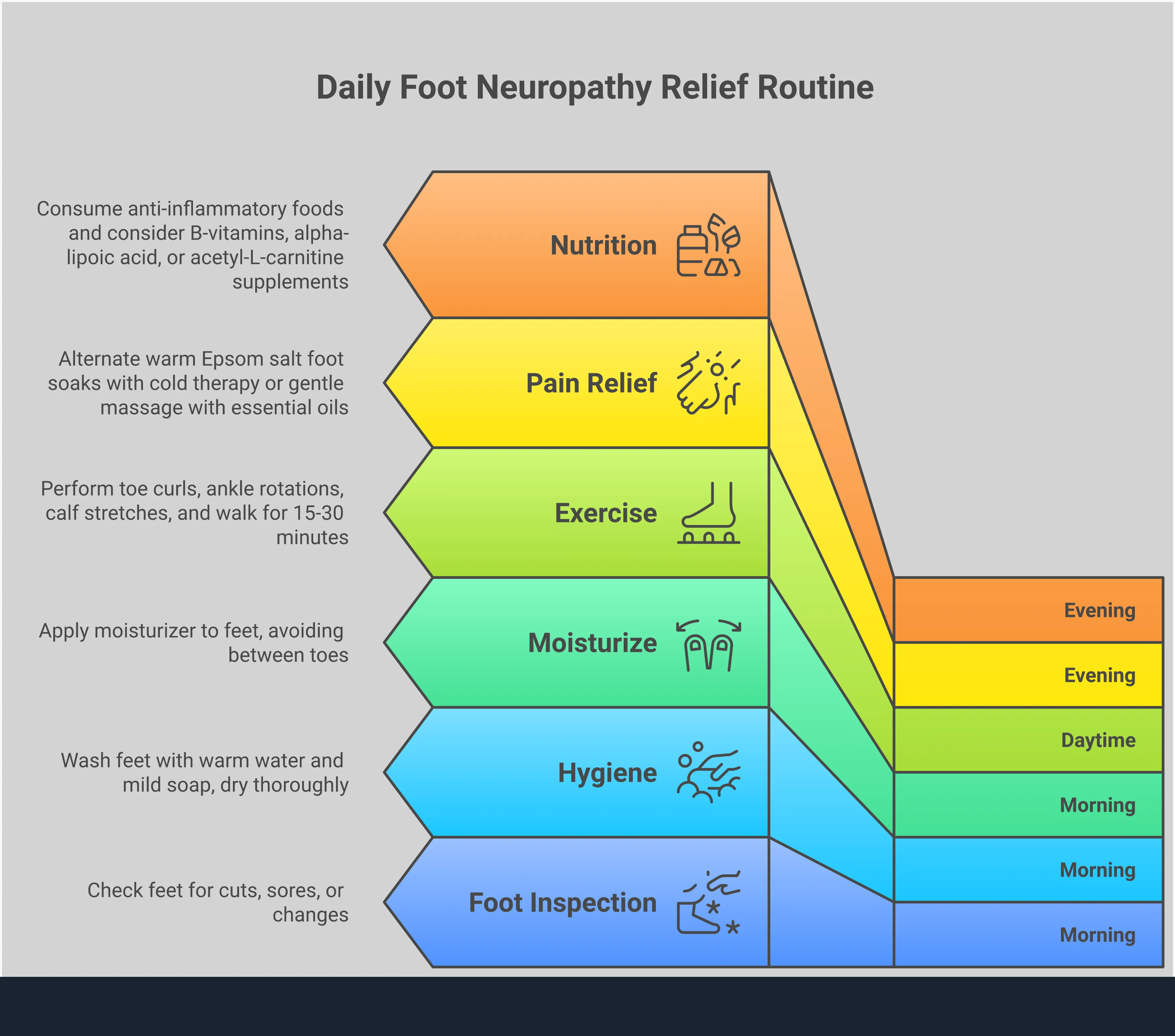
Simple practices like soaking your feet in a warm Epsom salt bath can do wonders for circulation and inflammation. This is a great way to wind down at the end of the day while actively soothing nerve discomfort. Staying active is also key. Gentle exercises, even just a consistent walking routine, can improve nerve function and help regulate blood sugar levels, which is often a factor in neuropathy.
What you put into your body matters, too. A diet rich in essential nutrients supports your nervous system from the inside out. It’s also wise to limit alcohol and quit smoking, as both can restrict blood flow and worsen your symptoms. Finally, don't underestimate the power of good foot care. Wearing well-cushioned, supportive shoes reduces pressure on sensitive nerves. Making it a habit to check your feet daily for any cuts or blisters can also prevent minor issues from becoming major problems. By combining a few of these simple habits, you can take an active role in your own comfort and healing.
Soothe Your Feet with Warm Water and Epsom Salt
Sometimes the simplest remedies are the most effective, and a warm foot soak is a classic for a reason. When you’re dealing with the tingling, burning, or numbness of foot neuropathy, this simple act of self-care can feel like a lifesaver. It’s more than just a way to relax after a long day; it’s a therapeutic practice that can directly address your discomfort.
The combination of warm water and Epsom salt creates a powerful duo for soothing sore, tired feet. The warmth helps to gently relax muscles and improve blood flow, while the Epsom salt delivers key minerals that can calm nerve irritation. It’s an easy, accessible, and inexpensive way to manage your symptoms from the comfort of your own home. Think of it as your first step toward finding relief and giving your feet the attention they deserve.
How to Create the Perfect Therapeutic Foot Soak
Creating a healing foot bath is incredibly simple. Start by filling a basin or your tub with enough warm water to cover your feet and ankles. Be sure to test the temperature with your hand first, as neuropathy can sometimes affect your ability to sense heat, and you want to avoid burns. Once the temperature feels comfortable, add about a half-cup of Epsom salt for every gallon of water and stir until it dissolves.
Now for the best part: sit back, relax, and soak your feet for 15 to 20 minutes. This is the ideal amount of time to help increase circulation, reduce inflammation, and ease nerve discomfort. When you’re done, gently pat your feet completely dry with a soft towel. Making this a regular part of your routine, perhaps a few times a week, can make a noticeable difference in your daily comfort.
Why Magnesium Helps Calm Nerve Inflammation
You might be wondering what makes Epsom salt so special. It’s not table salt, but a naturally occurring mineral compound of magnesium and sulfate. The real star here is magnesium, a mineral that plays a huge role in muscle and nerve function. Many people don’t get enough magnesium in their diet, and a deficiency can contribute to nerve-related issues.
When you soak in an Epsom salt bath, your skin absorbs a small amount of magnesium. This mineral is known for its anti-inflammatory properties, and according to experts, it can help reduce the swelling and pain associated with neuropathy. By directly delivering magnesium to the affected area, you’re helping with calming nerve inflammation right at the source. It’s a gentle yet powerful way to support your body’s natural healing processes.
Use Essential Oils and Topical Treatments for Natural Relief
When you need direct, on-the-spot relief for foot pain, turning to topical treatments can be a great option. Applying certain oils and creams directly to your skin allows the active ingredients to target the affected area, offering a natural way to soothe discomfort without medication. From plant-based essential oils to creams made from chili peppers, you have several effective choices to explore.
The Best Essential oils for Neuropathy
Massaging your feet with certain essential oils is a simple way to find comfort. Oils like peppermint and chamomile are particularly helpful because they can increase blood flow and reduce pain, which eases the tingling and discomfort associated with neuropathy. The act of massage itself is therapeutic, helping to stimulate nerves and relax tense muscles in your feet. You can incorporate this into your daily routine, perhaps before bed, to help calm your nerves and prepare for a more restful night's sleep. It’s a gentle, aromatic approach to managing your symptoms right at home.
How Capsaicin Cream Eases Burning Sensations
If you experience a burning sensation in your feet, an over-the-counter capsaicin cream might offer the relief you’re looking for. This cream is made with an active component found in hot peppers. When you apply it to your skin, it creates a gentle warming sensation that can temporarily override and reduce the burning nerve pain signals. While it may seem counterintuitive to use something from a hot pepper to cool a burning feeling, many people find it provides significant, targeted relief. You can find it at most drugstores, making it an accessible option for managing this specific symptom.
How to Apply Topical Treatments Safely
When using essential oils, it’s important to apply them safely to avoid skin irritation. You should never apply pure essential oil directly to your skin. Instead, always dilute it with a carrier oil like coconut, jojoba, or olive oil. A good rule of thumb is to mix a few drops of essential oil with about an ounce of your chosen carrier oil. Before applying it all over your feet, do a small patch test on your skin to make sure you don’t have a sensitive reaction. This simple step ensures you can enjoy the benefits of the oils without any unwanted side effects.
Nourish Your Nerves with Diet and Supplements
What you eat plays a huge role in how your body functions, and your nerves are no exception. Fueling your body with the right nutrients can help reduce inflammation, support nerve repair, and ease some of the discomfort from neuropathy. Think of it as building a stronger foundation from the inside out. By making a few thoughtful changes to your diet and considering certain supplements (with your doctor’s guidance, of course), you can give your nerves the support they need to thrive. It’s a powerful and proactive way to manage your symptoms at home.
The Role of B Vitamins in Nerve Health
Sometimes, nerve pain is your body’s way of signaling a nutritional gap. Deficiencies in certain vitamins, especially B vitamins, are commonly linked to peripheral neuropathy. Vitamins B12, B1 (thiamine), and B6 are particularly important for maintaining healthy nerve function. Vitamin E is another key player in protecting your nerves from damage. Before you rush to the supplement aisle, it’s a good idea to talk with your doctor. They can run tests to see if you have any deficiencies and recommend the right dosage. Addressing these nutritional needs is a fundamental part of a holistic preventative wellness strategy.
Add These Anti-Inflammatory Foods to Your Diet
Chronic inflammation can make nerve pain worse, so filling your plate with anti-inflammatory foods is a great strategy. Focus on whole, unprocessed foods rich in antioxidants and healthy fats. Think colorful fruits and vegetables like berries and leafy greens, fatty fish like salmon, and nuts and seeds. These foods help calm inflammation throughout your body, which can soothe irritated nerves. It’s also wise to limit alcohol, as it can worsen peripheral neuropathy. A nutrient-rich diet is a cornerstone of any effective pain management plan.
Consider Key Supplements like Alpha-Lipoic Acid and Omega-3s
Beyond vitamins, a few other supplements have shown promise for nerve health. Alpha-lipoic acid (ALA), a powerful antioxidant, may help with the burning and tingling sensations common in diabetic neuropathy. However, it’s crucial to consult with your doctor, as ALA can affect blood sugar levels. Another great option is omega-3 fatty acids, found in fish oil. Known for their potent anti-inflammatory properties, omega-3s can help reduce nerve inflammation and support overall nerve health. Discussing these options with a healthcare provider aligns with our holistic approach to care, ensuring any supplements you take are safe and right for you.
Move Better with Gentle Exercise and Stretches
When your feet are in pain, moving might seem counterintuitive. But gentle, consistent exercise is one of the most effective ways to manage neuropathy symptoms. By improving blood flow and keeping your muscles flexible, you can find significant relief and support your body’s natural healing processes. The key is choosing activities that are kind to your body while still getting your circulation going.
Try These Low-Impact Exercises for Better Circulation
Low-impact exercises are perfect for managing nerve pain. Activities like walking, swimming, or cycling improve blood flow to your legs and feet without stressing your joints. Better circulation delivers more oxygen and nutrients to damaged nerves, which is crucial for their health. Aim for consistency; even a brisk walk a few times a week can improve nerve function. If you want to stay active without pain, our performance recovery services can help reduce soreness and inflammation, making it easier to stick with your routine.
Simple Foot Massage Techniques for Pain Relief
A simple foot massage is a powerful tool for neuropathy relief. Gently rubbing your feet stimulates blood flow, which can ease the tingling and numbness associated with nerve damage while reducing swelling. For an extra soothing touch, try using a carrier oil with a few drops of peppermint or chamomile essential oil to calm inflammation. Focus on applying gentle pressure with your thumbs in small circles along the soles. This simple act of self-care is a calming ritual and an effective part of any neuropathy care plan.
Helpful Stretches for Neuropathy
Stretching is another fantastic way to keep your feet flexible and reduce discomfort. Regular, gentle stretches can help fight pain and, for those with diabetes-related neuropathy, can also help lower blood sugar. This in turn can slow down further nerve damage. You don’t need any fancy equipment to get started. Try simple movements like sitting in a chair and rolling a tennis ball under each foot to stimulate the nerves. You can also practice lifting your heels while keeping your toes on the floor, then reversing the movement by lifting your toes.
Make Simple Lifestyle Changes for Better Results
While targeted remedies like foot soaks and topical creams can provide immediate comfort, long-term relief often comes from the small, consistent choices you make every day. Your daily habits have a powerful impact on your nerve health and overall well-being. By making a few simple adjustments to your lifestyle, you can create a supportive environment for your body to heal, reduce inflammation, and manage neuropathy symptoms more effectively.
Think of these changes not as a strict set of rules, but as acts of self-care. From the shoes you wear to the food you eat and the way you manage stress, each choice contributes to your comfort and health. These adjustments work hand-in-hand with other home remedies and professional treatments, forming a comprehensive approach to your care. They empower you to take an active role in your health journey, complementing treatments designed for pain management and recovery. Let’s look at a few key areas where simple changes can yield significant results for your feet and your entire body, helping you feel better and move better every single day.
Choose the Right Shoes and Care for Your Feet
The foundation of your comfort starts with what you put on your feet. Choosing the right footwear is one of the most direct ways to reduce daily pain and prevent further irritation. Look for well-cushioned shoes that offer excellent arch support to minimize pressure on your nerves. It’s also a good idea to get into the habit of checking your feet every day for any cuts, blisters, or sores, especially if you have diabetes. This simple daily inspection can help you catch minor issues before they become serious problems. Pair your supportive shoes with soft, loose-fitting socks to keep your feet protected and comfortable throughout the day.
Manage Your Blood Sugar Naturally
Whether you have diabetes or not, stable blood sugar levels are crucial for nerve health. High blood sugar can contribute to nerve damage over time, so managing it through your diet is a key strategy for reducing foot pain. Focus on a balanced diet rich in whole foods, fiber, and lean protein to keep your levels steady. Simple swaps, like choosing whole grains over refined carbohydrates, can make a big difference. If you smoke, quitting is another powerful step you can take, as smoking can impair circulation and worsen nerve problems. These habits are cornerstones of preventative wellness that support your entire system.
Reduce Stress and Maintain a Healthy Weight
Your physical and mental health are deeply connected, especially when dealing with chronic pain. Regular, gentle exercise is a fantastic way to address both. Activities like walking, swimming, or cycling can improve circulation, help maintain a healthy weight, and lower blood sugar, all of which can slow nerve damage. Movement also releases endorphins, your body’s natural pain fighters. At the same time, managing stress is essential. Practices like meditation or deep breathing can help you cope with discomfort and may even lessen your perception of pain. Finding ways to calm your nervous system gives your body a better chance to heal.
Manage Pain with Heat and Cold Therapy
Using heat and cold therapy is a classic, effective way to handle discomfort right at home. Think of it as having two different tools in your toolkit, each with a specific job. Heat helps to relax tight muscles and encourage blood flow, which can soothe persistent aches. Cold, on the other hand, is excellent for numbing sharp pain and calming inflammation when your feet feel swollen or are having an acute flare-up.
For many people with neuropathy, the best approach isn't choosing one over the other, but learning how to use both to your advantage. By understanding when to reach for a warm compress versus an ice pack, you can create a personalized routine that addresses your specific symptoms as they change from day to day.
How to Alternate Between Hot and Cold Treatments
Alternating between hot and cold treatments, also known as contrast therapy, can be a great way to manage pain and stimulate your circulatory system. The heat expands the blood vessels, and the cold constricts them, creating a pumping action that can help reduce swelling and deliver fresh, oxygenated blood to your feet.
To try this at home, you can use two basins of water, one comfortably warm and one cool. Start by soaking your feet in the warm water for about 10 to 15 minutes to relax the muscles. Then, switch to the cool water for another 10 to 15 minutes to address inflammation. You can repeat this cycle a couple of times, always ending with the cold water if you’re dealing with swelling.
When to Use Ice vs. Heat
Knowing whether to use ice or heat depends on the type of pain you’re feeling. If you’re experiencing sharp, stabbing pains or noticeable swelling, cold therapy is your best bet. Wrap an ice pack or a bag of frozen vegetables in a thin towel and apply it to the area for 15 minutes at a time. This helps numb the nerve endings and reduce inflammation.
For more chronic, dull, or aching pain, heat is often more comforting. A warm bath or a heating pad can increase blood flow, which helps ease stiffness and soothe sore muscles. This simple practice can be a key part of your routine for preventative wellness and long-term comfort. The key is to listen to your body and choose the therapy that feels best for your symptoms at that moment.
When Is It Time to Seek Professional Treatment?
While at-home remedies can provide significant relief for foot neuropathy, it's important to recognize when they aren't enough. Listening to your body is key. If your symptoms persist or worsen despite your best efforts, it might be time to seek professional support. Think of it not as a failure of your home care routine, but as adding a powerful new tool to your wellness toolkit. Professional treatments can work hand-in-hand with the strategies you're already using, creating a more robust plan for your health.
A specialist can offer a more precise diagnosis, rule out other underlying conditions, and create a targeted treatment plan that gets to the root of the problem. This doesn't mean you have to abandon your foot soaks or dietary changes. In fact, those habits are a fantastic foundation. Instead, combining your at-home care with proven, non-invasive therapies can help you get better, more lasting results. The goal is to build a comprehensive approach that addresses your nerve pain from every angle, giving you the best possible chance at feeling good again and getting back to your life without limitations.
Red Flags That Require Medical Attention
Knowing when to call a doctor is crucial for managing neuropathy and preventing further complications. If your nerve pain intensifies, spreads to other areas, or disrupts your sleep, it's a clear signal to see a pain specialist. You should also seek medical attention right away if you notice more serious changes.
Pay close attention to symptoms like rapidly worsening weakness, losing your balance or falling more often, or numbness and tingling that just won't go away. It's especially important to check your feet daily for open sores or signs of infection, such as redness, swelling, or warmth. These are red flags that require immediate professional care to avoid more significant health issues.
How Light Therapy Can Support Your At-Home Care
If you're looking for a professional treatment that aligns with a natural, holistic approach, light therapy is an excellent option. Much like acupuncture, which uses needles to stimulate the body's healing response, light therapy uses specific wavelengths of light to reduce inflammation and repair damaged nerve cells without medication or surgery. It’s a safe, non-invasive way to get to the root of your nerve pain.
This type of therapy can be a fantastic addition to your home care routine. By promoting circulation and cellular repair, it helps your body heal from the inside out. At Laser Lab, we specialize in creating personalized pain management plans that can help soothe your symptoms and support long-term nerve health, allowing you to get back to the activities you love.
Frequently Asked Questions
How soon can I expect relief from these home remedies? Finding relief is a gradual process, and consistency is your best friend. Some remedies, like a warm Epsom salt soak or applying capsaicin cream, can offer comfort fairly quickly, sometimes within the same day. However, for changes related to diet, supplements, and exercise, it may take several weeks to notice a significant difference. The goal is to create a supportive routine that calms your symptoms over time, so be patient with your body as it responds to these new, positive habits.
Can I combine several of these at-home treatments? Absolutely. In fact, combining these strategies is often the most effective approach. For example, you could follow a gentle walk with a therapeutic foot soak and then apply a soothing essential oil blend before bed. This creates a layered approach to your care. The key is to listen to your body and see what combination of remedies works best for you.
Are these remedies a cure for neuropathy? While these at-home strategies can significantly reduce symptoms and improve your quality of life, they are meant to manage the condition rather than cure it. Neuropathy is often caused by underlying nerve damage. These remedies work by reducing inflammation, improving circulation, and supporting nerve health, which helps your body manage the discomfort and can prevent symptoms from worsening.
My feet are very sensitive. Are massages and soaks still a good idea? This is a great question, as hypersensitivity is common with neuropathy. If your feet are very sensitive, it's important to be extra gentle. For soaks, always test the water temperature with your hand or elbow first to ensure it's comfortably warm, not hot. When massaging, use very light pressure or simply focus on gently applying a carrier oil with calming essential oils. The goal is to soothe, not to cause more discomfort.
If home care isn't enough, what makes light therapy a good next step? Light therapy is a great next step because it works in harmony with the natural remedies discussed here. While home care helps manage symptoms, light therapy works on a cellular level to help repair damaged nerves and reduce inflammation right at the source. It’s a non-invasive, drug-free treatment that supports your body’s own healing processes, making it a powerful and complementary addition to your wellness routine when you need more support.
Frequently Asked Questions
Is light therapy safe for athletes?

Yes, light therapy is completely safe and highly beneficial for athletes. It promotes faster muscle recovery, reduces inflammation, and supports performance without the risks of medication or downtime. That’s why professional and amateur athletes worldwide rely on it to train smarter and recover quicker.
How many sessions will I need?
The number of sessions varies depending on the type and severity of your condition. Many patients notice improvement after 3–5 sessions, while chronic conditions may require ongoing care for best results. During your initial consultation, we’ll design a personalized treatment schedule tailored to your body’s response and recovery goals.

Ready to Try Light Therapy for Recovery?