


6 Science-Backed Full-Body Red Light Therapy Benefits
The idea of using light to heal your body might sound like something from the future, but the science is surprisingly straightforward. Red light therapy is a non-invasive treatment that uses specific, clinically proven wavelengths of light to energize your cells. Think of it like photosynthesis for your body; just as plants use sunlight to thrive, your cells can use this light to repair damage and function more efficiently. This simple process is the key to unlocking a wide range of full-body red light therapy benefits, from soothing chronic pain to accelerating athletic recovery. We’ll break down exactly how it works.
Key Takeaways
- It energizes your body from the inside out: Red light therapy works at a cellular level, giving the mitochondria inside your cells the energy they need to function better. This process helps your body naturally reduce inflammation, repair damage, and recover more efficiently.
- It's a gentle and proven therapy: Red light therapy is a non-invasive treatment backed by scientific research for its benefits in pain relief, skin rejuvenation, and muscle recovery. It uses specific, safe wavelengths of light, making it a reliable way to support your body's healing abilities.
- Your results depend on your routine: The best approach, whether it's targeted therapy for a specific injury or full-body sessions for overall wellness, is the one you stick with. Consistent treatments are essential for achieving lasting results, so creating a regular schedule is the most important step.
How Does Full-Body Red Light Therapy Work?
It might sound like something from a sci-fi movie, but the concept behind red light therapy is grounded in real science. It’s a completely natural and non-invasive way to help your body heal itself from the inside out. Instead of masking symptoms, it gets to the root of the issue at a cellular level. Let’s break down exactly how these specific wavelengths of light can have such a positive impact on your overall health.
The Science Behind the Light
Red light therapy, sometimes called photobiomodulation, uses specific, clinically proven wavelengths of red and near-infrared light to stimulate your body’s natural healing processes. This isn't the same as the light from a tanning bed or a simple red light bulb. The light penetrates your skin and is absorbed by your cells, where it kicks off a series of metabolic events. Think of it like photosynthesis for your body. Just as plants use sunlight to create energy, your body can use this specific light to help cells repair and regenerate more effectively. It’s a gentle, safe way to support your body’s functions without drugs or invasive procedures.
How It Energizes Your Body's Cells
So, what happens once the light is absorbed? It goes to work on the mitochondria, which are the tiny powerhouses inside every one of your cells. The light gives these mitochondria a helping hand, allowing them to produce more energy. With this extra energy, your cells can do their jobs better. They can repair damage, reduce inflammation, and function at their peak. This cellular-level improvement is what leads to the benefits you can actually feel, whether it’s faster performance recovery after a workout, less joint pain, or even healthier-looking skin. It’s all about giving your body the energy it needs to thrive.
Full-Body vs. Targeted Treatments
While you can use red light therapy on a specific area, like a sore shoulder, full-body treatments offer more widespread benefits. When your entire body is exposed to the light, you get systemic effects that a targeted treatment can’t provide. This approach is fantastic for addressing issues like chronic inflammation, improving circulation, and promoting better sleep. If you're dealing with widespread aches or are focused on long-term preventative wellness, a full-body session is the way to go. It addresses your body as an interconnected system, providing comprehensive support for your overall health and well-being.
What Can Full-Body Red Light Therapy Do for You?
Full-body red light therapy is more than just a wellness trend; it’s a versatile tool that supports your body’s natural healing processes from head to toe. By delivering safe, concentrated wavelengths of natural light to your skin, it energizes your cells and helps them perform their best. This cellular-level work translates into some pretty amazing benefits for your entire system. Whether you’re looking to manage discomfort, recover from workouts faster, or simply feel more vibrant, this therapy offers a gentle, non-invasive way to improve your overall well-being. Let's look at what it can do for you.
Reduce Pain and Inflammation
If you’re dealing with persistent aches or swelling, red light therapy can be a source of significant relief. It works by calming inflammation at the cellular level, which is often the root cause of discomfort. Studies have shown that it can effectively help with pain from conditions like knee arthritis, low back pain, and even post-surgery recovery. Think of it as a soothing, natural approach to pain management that helps your body heal itself without drugs or invasive procedures. By improving circulation and reducing swelling, it helps you move more freely and feel better in your own skin.
Speed Up Muscle Recovery
For anyone who loves to stay active, muscle soreness is a familiar feeling. Full-body red light therapy can help you bounce back faster after a tough workout. The light penetrates your muscle tissue, helping your cells repair and regenerate more efficiently. This process reduces post-exercise soreness and gets you ready for your next session sooner. It also provides systemic benefits, like improved circulation, which delivers more oxygen and nutrients to your muscles when they need it most. Integrating red light therapy into your routine is a great way to support your performance recovery and keep your body in peak condition.
Rejuvenate Your Skin
Red light therapy is one of the best-kept secrets for achieving a healthy, natural glow. It works by stimulating your cells to produce more collagen, the protein that gives skin its firmness and elasticity. This can help soften the appearance of fine lines, wrinkles, and scars over time. The therapy also has anti-inflammatory properties that can calm redness and acne. According to the Cleveland Clinic, the light gives your cells the energy they need to repair damage and generate new, healthy skin. It’s a gentle way to support your skin’s health from the inside out.
Improve Your Sleep
A good night’s sleep is the foundation of good health, and red light therapy can help you get more of it. Exposure to red light, especially later in the day, can help regulate your body’s internal clock, also known as your circadian rhythm. Unlike the blue light from our screens that signals our brains to stay awake, red light has a calming effect that can prepare your body for rest. Incorporating it into your evening routine can help you fall asleep more easily and enjoy deeper, more restorative sleep. It’s a simple, relaxing way to support your natural sleep cycle and improve your overall preventative wellness.
Support Your Mood and Mental Clarity
Feeling your best isn’t just about your physical body; your mental state matters, too. Full-body red light therapy can play a role in supporting a balanced mood and a clear mind. The therapy’s ability to improve circulation means better oxygen flow to the brain, which can help you feel more focused and alert. While research is still growing, some early studies have shown promising results for cognitive function. It can also be a calming, meditative experience that helps reduce stress, making it a valuable tool for your mental well-being toolkit.
Promote Healthier Hair
If you’re concerned about thinning hair, red light therapy offers a promising, non-invasive solution. It works by improving blood flow to the scalp. This increased circulation delivers more oxygen and vital nutrients directly to your hair follicles, creating a better environment for hair to grow. As explained by Stanford Medicine, this process can stimulate the follicles, encouraging the growth of thicker, stronger hair. By nourishing the roots, red light therapy helps support the entire hair growth cycle, making it a natural way to maintain a healthy head of hair.
Is Red Light Therapy Backed by Science?
It’s fair to be skeptical of any treatment that claims to help with everything from sore muscles to fine lines. But when it comes to red light therapy, a solid and growing body of scientific research supports its benefits. This isn't a wellness fad; it's a therapy grounded in biology. The magic happens at the cellular level, where specific wavelengths of red and near-infrared light interact with the mitochondria in your cells. Think of mitochondria as the tiny power plants inside every cell. Red light gives them a gentle nudge, helping them produce more energy more efficiently.
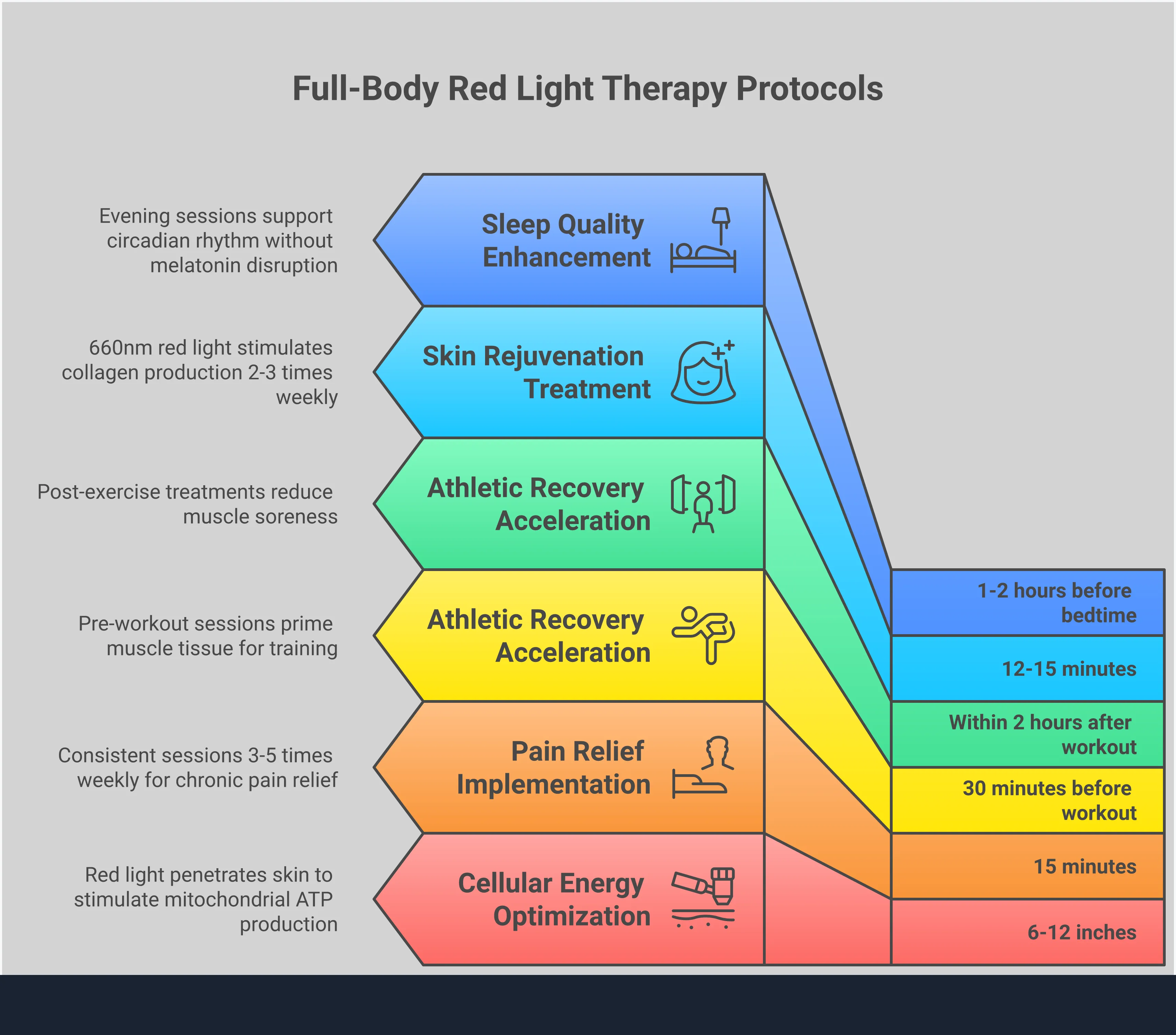
This cellular energy production is called adenosine triphosphate (ATP). When your cells have more ATP, they can repair themselves, regenerate, and perform their functions more effectively. This is why red light therapy can have such wide-ranging effects, from reducing inflammation deep in your joints to helping your skin create more collagen. It’s not treating symptoms on the surface; it’s supporting your body’s own natural healing processes from the ground up. Let’s look at what the research says about some of its most popular applications.
The Evidence for Pain Management
Living with chronic pain can be exhausting, and finding effective, non-invasive relief is a top priority for many. This is where red light therapy truly shines. Research has shown its effectiveness in reducing pain and swelling across a variety of conditions. A comprehensive review of studies by UCLA Health highlighted its positive impact on pain from fibromyalgia, knee arthritis, and persistent low back pain. By penetrating the skin and stimulating cellular repair, red light helps calm inflammation at the source, offering a gentle yet powerful approach to pain management without the need for medication.
The Evidence for Athletic Performance
For athletes, recovery is just as important as training. Full-body red light therapy can give you a serious edge by preparing your muscles for a workout and helping them repair afterward. It works by improving circulation, which means more oxygen and vital nutrients can get to your muscles when they need them most. According to research on red light therapy’s effects, this process can speed up healing and significantly reduce post-workout soreness. This allows you to get back to training faster and with less discomfort, making it a key tool for consistent performance recovery.
The Evidence for Skin Rejuvenation
Red light therapy is well-known for its skin benefits, and for good reason. It addresses skin health from the inside out. The Cleveland Clinic explains that red light is thought to give your body's cells more energy, which helps them repair damage, generate new cells, and produce more collagen. More collagen means firmer, smoother skin with fewer fine lines and wrinkles. It also helps increase blood flow and lower inflammation, which can reduce redness and calm conditions like acne. It’s a natural way to support your skin’s vitality without harsh chemicals or invasive procedures.
The Evidence for Better Sleep and Mood
Your physical health is deeply connected to your mental and emotional well-being. Full-body red light therapy can play a role in supporting both your sleep and your mood. It helps regulate your circadian rhythm, which is your body’s internal clock that tells you when to feel sleepy and when to be alert. Consistent sessions can lead to deeper, more restorative sleep. Furthermore, some studies suggest it can improve your mood, particularly for those who experience seasonal depression. By supporting your body’s natural rhythms, it contributes to your overall preventative wellness.
Full-Body vs. Targeted Therapy: Which Is Right for You?
Deciding between full-body and targeted red light therapy really comes down to your personal health goals. Are you trying to soothe a specific nagging injury, or are you looking for a more holistic improvement in your overall wellness? Both approaches are effective, but they work in different ways to help you feel and move better. Targeted therapy acts like a spotlight, concentrating light on a single area to address a specific concern, like a sore knee or a tight shoulder. It’s a focused solution for a localized problem.
Full-body therapy, on the other hand, is more like bathing your entire body in gentle, healing light. It’s designed to create systemic effects, supporting everything from your energy levels to your circulation. Neither one is better than the other; they just serve different purposes. Many of our clients even use a combination of both, using full-body sessions for overall maintenance and adding targeted treatments when a specific issue flares up. Understanding these differences is the first step in creating a plan that truly works for you. Let's walk through the key benefits and practical considerations of each so you can feel confident choosing the right path for your body.
Whole-Body vs. Spot Treatment Benefits
Think of targeted therapy as a specialist. It’s perfect when you have a specific area that needs attention, like a sore shoulder from your weekend tennis match or a stiff lower back from sitting all day. By focusing the light on one spot, we can deliver a concentrated dose of energy right where you need it most for effective pain management.
Full-body therapy, on the other hand, is like a general wellness check-up for your cells. It provides systemic benefits that can improve your entire body’s function. This approach is ideal if you’re dealing with widespread inflammation, want to improve your circulation, or are looking for a general wellness lift. Many people find that full-body sessions help them sleep better and feel more energized, making it a cornerstone of preventative wellness.
Treatment Time and Efficiency
When you’re dealing with a specific injury, a targeted session can be quick and direct. We focus all our attention on that one area to help reduce pain and swelling efficiently. It’s a straightforward way to address a problem without a huge time commitment.
However, full-body therapy offers a different kind of efficiency. While the session might last a bit longer, you’re treating your entire system at once. Instead of just addressing your sore knee, you’re also supporting muscle recovery, skin health, and cellular energy production from head to toe. No matter which you choose, consistency is the most important factor. Regular sessions are what allow your body to heal and build resilience over time.
Convenience and Your Schedule
We know life gets busy, so we want to make sure your therapy fits seamlessly into your routine. Targeted treatments are easy to schedule on a lunch break or between errands, giving you focused relief without disrupting your day.
A full-body session can feel more like a dedicated act of self-care, giving you time to relax while your body recharges. Many of our clients incorporate it into their weekly wellness routine to maintain their results and keep feeling their best. Our flexible memberships make it simple to build a consistent schedule that works for you, whether you need frequent targeted sessions for an acute issue or regular full-body treatments for long-term health.
Is Full-Body Red Light Therapy Safe?
It’s completely normal to ask about the safety of any new wellness treatment. The great news is that full-body red light therapy is widely considered safe, non-invasive, and gentle. Unlike tanning beds or direct sunlight, it doesn’t use damaging ultraviolet (UV) rays. Instead, it uses specific wavelengths of red and near-infrared light to support your body’s natural healing processes. When used correctly, it’s a relaxing experience with a strong safety profile.
However, "safe" doesn't mean that all devices or approaches are created equal. The quality of the equipment, how you use it, and your personal health history all play a role in getting the best and safest results. At a professional clinic, you’re guided by experts who manage the session duration and ensure you’re using top-tier equipment correctly. This takes the guesswork out of the process, allowing you to simply relax and enjoy the benefits. Whether you're seeking pain management or a way to improve your overall wellness, understanding a few key safety points will help you feel confident as you get started.
Protecting Your Eyes
Your eyes are sensitive, so protecting them is a top priority during any light-based therapy. While red light isn’t inherently harmful like UV light, the LEDs used in therapy panels are very bright. Staring directly into them can be uncomfortable and is not recommended. That’s why professional clinics always provide FDA-compliant protective eyewear. If you’re considering an at-home device, the Cleveland Clinic advises you to protect your eyes and follow all instructions carefully. At our lab, we make sure you’re comfortable and your eyes are shielded, so you can lie back and relax without a worry.
Understanding Overuse and Skin Sensitivity
When it comes to red light therapy, more isn't always better. Following the recommended session times and frequencies is key to achieving great results safely. While the therapy is gentle, overuse could potentially irritate your skin. Think of it like exercise: consistency is more effective than doing too much all at once. We work with you to create a personalized plan that aligns with your goals, whether it's for performance recovery or general wellness. This ensures your body gets the perfect amount of light to stimulate healing without overdoing it.
When to Talk to Your Doctor
Before starting any new wellness routine, it’s always a good idea to have a conversation with your doctor. This is especially true if you have pre-existing skin conditions, are sensitive to light, or have other health concerns. Your doctor can help you determine if red light therapy is the right fit for your specific needs and health profile. Being proactive and informed is the best way to approach your health journey. We believe in a holistic approach to wellness, and that includes making sure our therapies complement your overall healthcare plan.
Checking Device Quality and FDA Status
The quality of the red light therapy device matters immensely. Professional-grade equipment is designed to deliver specific, calibrated wavelengths of light for optimal results. Many at-home devices are less powerful and may not have undergone the same rigorous testing. When looking at devices, you might see the term "FDA-cleared." As UCLA Health explains, this means the FDA has reviewed the device for safety, but not necessarily for its effectiveness. By choosing a professional clinic like Laser Lab Therapy, you can be confident you’re receiving treatment from a high-quality, medical-grade device designed for safety and efficacy.
How to Get Started With Red Light Therapy
Ready to see what red light therapy can do for you? Getting started is simpler than you might think. It’s all about finding the right approach for your body and your goals, whether you’re looking for pain relief, better recovery, or a wellness pick-me-up. Here’s a straightforward guide to beginning your red light therapy journey.
Professional vs. At-Home Treatments
One of the first decisions you’ll make is whether to use an at-home device or seek professional treatment. While at-home masks and panels offer convenience, treatments in a professional setting use much more powerful, medical-grade equipment. According to Stanford Medicine, these clinical devices are typically stronger and can deliver more consistent and effective results.
At a clinic like Laser Lab Therapy, you also get the benefit of a personalized plan from a trained professional who can ensure you’re getting the right dosage for your specific needs. If you’re targeting chronic pain or looking for significant results, a professional session is the best way to start.
Finding Your Ideal Session Length and Frequency
Consistency is the key to success with red light therapy. As experts at UCLA Health point out, you need to use it regularly to see lasting benefits. The right frequency depends entirely on your goals. For example, someone seeking skin rejuvenation might have two to three sessions per week, while another person focused on deep tissue repair for performance recovery might need a different schedule.
Your body is unique, so listening to it is important. We can work with you to create a schedule that aligns with your wellness goals, ensuring each session is both safe and effective.
What to Expect in Your First Few Sessions
Your first red light therapy session should feel relaxing and gentle. You’ll simply be exposed to the warm, red light in a calm environment. Many people report feeling a sense of calm or a subtle warmth in the treatment area. Some experience immediate relief, especially from minor aches, while for others, the benefits are more gradual and build over several sessions.
As the Cleveland Clinic notes, how well red light therapy works can be different for each person. Patience is part of the process. Committing to a consistent plan through a membership is a great way to ensure you give your body the time it needs to heal and respond.
Pairing Red Light Therapy With Other Wellness Habits
Red light therapy works best when it’s part of a holistic approach to your health. Think of it as a powerful tool that complements all the other good things you do for your body. It can enhance the effects of a healthy diet, regular exercise, proper hydration, and good sleep hygiene.
This therapy is a cornerstone of preventative wellness because it supports your body’s natural healing processes. It integrates seamlessly with other healthy habits and can even be used in combination with other treatments to support your overall well-being. By adding red light therapy to your routine, you’re giving your body another layer of support to feel and move better.
Frequently Asked Questions
How long does it take to see results from red light therapy? This is a great question, and the honest answer is that it varies for everyone. Some people feel a reduction in pain and inflammation after just one or two sessions. For more long-term goals, like improving skin texture or supporting hair growth, results tend to appear more gradually over several weeks of consistent use. The key is consistency; your cells need regular exposure to the light to repair and regenerate effectively.
What does a full-body red light therapy session feel like? It’s a very relaxing and gentle experience. You’ll feel a soothing, subtle warmth on your skin, but it’s not hot like a sauna. The light itself is bright, which is why we provide protective eyewear. Most people find the sessions to be a calm and meditative time to simply lie back and let their body recharge. There is no pain or discomfort involved.
Is this the same as an infrared sauna? While both use light therapy, they work differently. Infrared saunas use heat to warm your body from the inside out, which makes you sweat and helps with detoxification. Red light therapy does not rely on heat. Instead, it uses specific, non-thermal wavelengths of light to energize your cells directly, which helps reduce inflammation and promote healing without making you sweat.
Can I get the same benefits from an at-home device? At-home devices can be a good option for convenience, but they are typically much less powerful than the medical-grade equipment used in a professional setting. A clinical device delivers a more concentrated and precise dose of light, which often leads to more significant and faster results, especially for deep tissue issues or chronic conditions. Professional guidance also ensures you are using the therapy safely and effectively for your specific goals.
Who should be cautious about using red light therapy? Red light therapy has a strong safety record, but it’s always smart to be careful. If you are pregnant, have active cancer, or have a condition that causes photosensitivity, you should talk with your doctor before starting treatment. We always recommend checking with your healthcare provider if you have any underlying health concerns, just to be sure it’s the right fit for you.
Frequently Asked Questions
Is light therapy safe for athletes?

Yes, light therapy is completely safe and highly beneficial for athletes. It promotes faster muscle recovery, reduces inflammation, and supports performance without the risks of medication or downtime. That’s why professional and amateur athletes worldwide rely on it to train smarter and recover quicker.
How many sessions will I need?
The number of sessions varies depending on the type and severity of your condition. Many patients notice improvement after 3–5 sessions, while chronic conditions may require ongoing care for best results. During your initial consultation, we’ll design a personalized treatment schedule tailored to your body’s response and recovery goals.

Ready to Try Light Therapy for Recovery?