

How to Fix Inner Elbow Pain: A Complete Guide
Your elbow doesn’t exist in a vacuum. It’s part of a connected system that includes your hand, wrist, shoulder, and even your core. Often, inner elbow pain is a symptom of an imbalance elsewhere, like a weak grip or improper lifting form that puts excessive strain on one small tendon. To find lasting relief, you have to look at the bigger picture. This guide will help you understand how your movements and habits contribute to your pain. We’ll provide a holistic strategy that strengthens the entire support system, showing you how to fix inner elbow pain by treating the source, not just the symptom.
Key Takeaways
- Pinpoint the cause: Inner elbow pain is an overuse injury, so relief starts with identifying the repetitive activity, whether it's sports or daily tasks, and adjusting your movements to reduce strain.
- Use a two-phase approach to home care: First, calm inflammation with rest, ice, and support. After the initial pain subsides, begin gentle stretches and strengthening exercises to help the tendon heal properly.
- Prioritize prevention and professional support: Keep pain from returning by strengthening your forearms and core and using proper technique. If home remedies don't work after a few weeks, it's time to consult a specialist for an accurate diagnosis and more advanced treatment options.
What Is Inner Elbow Pain?
If you’re feeling a nagging ache on the inside of your elbow, you’re not alone. This is often called medial epicondylitis, or more commonly, golfer's elbow. It happens when the tendon that connects your forearm muscles to the bony bump on the inside of your elbow becomes irritated and inflamed. While the name suggests it’s a sports injury, it can affect anyone, from office workers to tradespeople. It’s a classic overuse injury, meaning it develops over time from repetitive strain rather than a single event. The pain can range from a mild, dull ache to a sharp, persistent pain that makes it hard to grip a coffee cup or turn a doorknob. The good news is that this kind of tendon issue responds very well to treatments that focus on reducing inflammation and promoting natural healing, which is exactly what we focus on with our pain management therapies.
Common Causes of Inner Elbow Pain
Inner elbow pain typically develops when you ask your forearm muscles to do more work than they’re conditioned for. This overuse can come from a wide range of activities, not just a day on the golf course. The core issue is usually repeated gripping or wrist-bending motions that put too much stress on the tendon. Common culprits include throwing sports like baseball, using hand tools frequently, or lifting weights with improper form. Even activities like carrying a heavy suitcase, painting, or typing for hours can trigger this uncomfortable pain if your body isn't prepared for the load. It’s your body’s way of telling you that a specific tendon needs a break and some support.
Who Is Most at Risk?
While anyone can develop golfer’s elbow, it tends to show up most often in adults in their 40s and 50s, and it usually affects the arm you use most. Certain factors can make you more likely to get it. If you smoke, are obese, or have diabetes, your risk may be higher. Your daily habits also play a big role. Spending two or more hours a day performing the same repetitive arm movements, whether for work or a hobby, significantly increases your chances of developing inner elbow pain. Understanding these risk factors can help you make small adjustments to your routine to protect your joints and prevent the pain from starting in the first place.
What Does Inner Elbow Pain Feel Like?
Inner elbow pain can be tricky because it shows up differently for everyone. It’s not always a sharp, sudden injury. Sometimes it’s a dull ache you can’t seem to shake or a strange tingling in your fingers. Understanding the specific sensations you’re feeling is the first step toward finding the right solution. Let's walk through the most common symptoms.
Pain and Tenderness
The most common sign of inner elbow trouble is, unsurprisingly, pain. You’ll likely feel it right on the bony bump on the inside of your elbow, which can become very tender to the touch. The pain might feel like a persistent, dull ache that travels down your forearm and even into your wrist. You may notice it’s worse in the morning or flares up when you try to grip something, like turning a doorknob or picking up a bag of groceries. This classic presentation of pain and tenderness is your body’s way of telling you that the tendons in your elbow are irritated and overworked.
Weakness, Numbness, or Stiffness
Beyond simple pain, you might also notice some other frustrating symptoms. A feeling of weakness in your hand and wrist is very common, making everyday tasks like holding a coffee mug or shaking someone’s hand surprisingly difficult. Some people also experience numbness or a tingling “pins and needles” sensation that can radiate into their ring and little fingers. Your elbow joint itself might feel stiff, especially when you first wake up or after you’ve been sitting still for a while. This combination of weaker grip strength and stiffness can really interfere with your daily routine.
When Your Symptoms Are a Red Flag
While home care is often effective, it’s important to know when your symptoms are signaling a bigger problem. If your elbow is hot to the touch, visibly swollen, or you can’t bend your arm, you should seek care right away. You should also pay attention if the pain is severe or doesn't improve after a week of rest and gentle care. Persistent symptoms that disrupt your sleep or daily activities are a clear sign that it’s time to consult a professional. Getting an accurate diagnosis is key to creating a treatment plan that helps you heal completely and avoid future issues.
How to Treat Inner Elbow Pain at Home
When that nagging pain on the inside of your elbow starts, your first thought might be to just push through it. But taking a step back and trying a few simple at-home strategies can make a huge difference in your healing process. These methods are your first line of defense to calm inflammation, reduce strain, and give your tendons the break they need to recover.
Think of this as a toolkit for immediate relief. By combining rest with targeted care like ice, gentle support, and small adjustments to your daily routine, you can manage your symptoms effectively. While these steps are incredibly helpful, remember they are often just the beginning. If your pain persists or worsens, it’s a clear sign that it’s time to seek professional guidance for a more comprehensive pain management plan.
Rest and Modify Your Activities
This sounds simple, but it’s the most important step. Your body is sending you a clear signal that the tendons in your elbow are overworked. Continuing the activities that cause the pain, whether it’s gripping a golf club, lifting weights, or even carrying heavy groceries, can delay healing and make the problem worse.
Rest doesn’t mean you have to stop moving entirely. It’s about being smart and modifying your movements. If lifting is the issue, try using a lighter weight or changing your grip. If a specific sport is the culprit, take a few days off and focus on other forms of exercise. Listening to your body and giving it a break from the repetitive strain is the foundation of recovery.
Apply Ice and Compression
To tackle the immediate pain and swelling, ice is your best friend. Applying a cold pack helps constrict blood vessels, which can reduce inflammation and numb the sore area. It’s a simple and effective way to get some quick relief.
For the best results, wrap an ice pack or a bag of frozen vegetables in a thin towel to protect your skin. Apply it to the most tender spot on your inner elbow for 15 to 20 minutes at a time, several times throughout the day. You can also use a compression sleeve or bandage to help minimize swelling, but be careful not to wrap it so tightly that it cuts off circulation.
Use Bracing and Forearm Support
A counterforce brace or a forearm strap can be a game-changer, especially when you can’t completely avoid activities that stress your elbow. Worn just below the elbow, these braces work by applying gentle pressure to the forearm muscles. This helps absorb some of the force that would normally travel up to the inflamed tendon.
Think of it as giving your tendon an extra layer of support. Wearing a brace during daily tasks or activities that you know might cause a flare-up can significantly reduce strain and allow the area to heal. It’s a practical tool for staying active while still protecting your elbow from further injury and is a great step toward preventative wellness.
Consider Over-the-Counter Pain Relief
When the pain is particularly intense, over-the-counter nonsteroidal anti-inflammatory drugs (NSAIDs) like ibuprofen or naproxen can offer temporary relief. These medications work by reducing both pain and inflammation, which can help you get through your day more comfortably.
However, it’s important to view these as a short-term solution, not a long-term fix. While they can mask the pain, they don’t address the root cause of the injury. Relying on them for too long can sometimes give you a false sense of security, leading you to overdo it before your tendon has fully healed. Always use them as directed and focus on other healing strategies.
Make Ergonomic Adjustments
Often, the source of our elbow pain isn’t just from sports or the gym; it’s from our daily habits. The way you sit at your desk, grip your steering wheel, or use tools can contribute to repetitive strain. Making small ergonomic adjustments can have a big impact on your recovery.
If you work at a computer, ensure your keyboard and mouse are positioned to keep your wrists in a neutral, relaxed position. When lifting objects, focus on keeping your wrist straight and rigid to let your larger arm muscles do the work. Simply being mindful to relax your grip throughout the day can also help reduce the constant tension on your forearm tendons.
Exercises to Help Your Elbow Heal
Once the most intense pain has calmed down, gentle movement is your next step toward recovery. The goal is to carefully stretch and strengthen the muscles and tendons around your elbow without causing more irritation. Think of it as reintroducing your arm to activity in a safe, controlled way. It’s crucial to listen to your body; if an exercise causes sharp pain, stop immediately. These movements should feel like a gentle stretch or a mild effort, not a strain.
Combining these exercises with professional care can create a powerful plan for healing. Our approach to pain management focuses on reducing inflammation and supporting your body’s natural repair process, which can make these exercises even more effective. By pairing targeted light therapy with the right at-home exercises, you give your body a comprehensive toolkit for recovery. This integrated method helps ensure you’re not just masking the pain but are actively repairing the underlying issue for lasting relief.
Wrist and Forearm Stretches
After the initial pain subsides, you can begin to gently stretch your forearm muscles. These stretches help release tension in the tendons connected to your inner elbow. A great one to start with is the wrist flexor stretch. Extend the affected arm straight out in front of you with your palm facing up. Use your other hand to gently bend your fingers and wrist down toward the floor until you feel a light stretch in your forearm. Hold this for 20 to 30 seconds and repeat a few times. Remember, the key is to be gentle. This isn't about pushing through pain, but rather about encouraging flexibility and blood flow to the area.
Eccentric Wrist Curls
Strengthening the muscles is just as important as stretching them. Eccentric exercises, which focus on the muscle-lengthening movement, are particularly effective for tendon injuries. For an eccentric wrist curl, sit with your forearm resting on a table or your thigh, with your hand hanging off the edge, palm up. Hold a very light weight (like a can of soup). Use your good hand to help lift the weight up, then slowly and controllably lower it back down using only the injured arm’s wrist. This slow lowering phase is the eccentric part. This targeted movement helps rebuild tendon strength and resilience for better performance recovery.
Grip Strengthening Exercises
Weak grip strength can contribute to elbow strain because other muscles have to overcompensate. Rebuilding your grip helps create a more balanced and supportive system from your hand to your shoulder. You can start by gently squeezing a soft stress ball or a piece of therapeutic putty for five seconds, then relaxing. Repeat this 10 to 15 times. As you get stronger, you can move to a hand gripper with light resistance. Because it’s easy to overdo it, it’s a good idea to perform these exercises with guidance from a professional who can ensure you’re using the right form and intensity for your stage of healing.
Proper Warm-Ups and Cool-Downs
Think of this as your strategy for long-term elbow health. A proper warm-up before any activity, whether it's golf or gardening, prepares your muscles for work and reduces your risk of injury. Simple arm circles and light stretches are great. Equally important is a cool-down, which helps your muscles recover. Taking a few minutes to stretch your wrists and forearms after activity can prevent tightness from setting in. Integrating these habits into your routine is a core part of preventative wellness and helps ensure your elbow pain doesn’t make a comeback.
Which Activities Cause Inner Elbow Pain?
Inner elbow pain, also known as medial epicondylitis or golfer's elbow, is almost always an overuse injury. It happens when the muscles and tendons in your forearm are strained from repetitive actions, especially forceful wrist and finger motions. This strain leads to tiny tears and inflammation in the tendon that attaches your forearm muscles to the bony bump on the inside of your elbow.
While the name points to a specific sport, you don’t have to be a golfer to experience this kind of discomfort. Many different activities, from sports and hobbies to daily chores and job duties, can put you at risk. The key factor is repeated stress that overloads the tendon faster than it can heal. It's not about a single event, but the cumulative effect of doing too much, too soon, or with improper technique. This is why you might suddenly feel pain after months or even years of doing the same activity without any issues. Your body has a limit, and this pain is its way of telling you that the limit has been reached. Understanding which activities are common culprits is the first step toward finding relief and preventing the pain from coming back.
Golf, Throwing, and Racket Sports
It’s no surprise that certain sports are major contributors to inner elbow pain. The name "golfer's elbow" comes from the strain of a powerful golf swing, which requires a tight grip and forceful wrist action. If your form is off, the stress on your elbow increases significantly. Similarly, throwing sports like baseball or football involve a whipping motion that puts a tremendous amount of force on the inner elbow joint and its supporting tendons.
Racket sports such as tennis and pickleball are also common causes. The combination of gripping the racket, swinging repeatedly, and making forceful contact with the ball can easily overload the forearm tendons. Using a racket that’s too heavy or has the wrong grip size can make the problem even worse.
Weightlifting and Repetitive Gripping
You don't have to be an athlete to develop inner elbow pain. Weightlifting, especially with improper technique, is a frequent cause. Exercises like bicep curls, pull-ups, or rows can strain the forearm flexors if you use too much weight or let your form slip. This leads to an imbalance where the muscles can't handle the load, putting all the pressure on the tendon.
Beyond the gym, many everyday tasks involve repetitive gripping. Think about jobs that require using tools like hammers or screwdrivers, or even office work that involves hours of typing. Hobbies like gardening, knitting, or playing a musical instrument can also be sources of strain. Even something as simple as carrying a heavy briefcase or grocery bag the same way every day can contribute to overuse.
How to Modify Activities to Reduce Strain
When your elbow is hurting, your first instinct might be to stop everything. While rest is important, you can often find relief by making smart adjustments to your activities. The goal is to reduce repetitive actions that strain your forearm without giving up the things you love to do. Start by taking more frequent breaks during any task that involves gripping or wrist movements.
You can also change how you perform certain motions. For example, when lifting, try to keep your palm facing down instead of up. This simple switch can shift the stress away from the sensitive inner elbow tendons. If you’re a weightlifter, reduce the weight and focus on perfecting your form. For racket sports, make sure your equipment is properly fitted. Making these small modifications can have a big impact on your pain levels and help your elbow heal.
When to See a Professional for Elbow Pain
While home care is a fantastic first step, sometimes your elbow needs a little extra support to heal properly. Knowing when to call in a professional is key to preventing a nagging issue from becoming a chronic problem. If you’ve tried self-care without success, it might be time to explore other options that can get you back to feeling your best.
Signs You Need More Than Home Treatment
If you’ve been diligently resting, icing, and stretching for a few weeks with no real improvement, it’s time to listen to your body. Persistent pain that isn’t getting better, or pain that actually gets worse, is a clear signal to see a specialist. A professional can give you an accurate diagnosis, which is crucial because what feels like golfer's elbow could be something else entirely. They can rule out more serious issues and create a treatment plan tailored specifically to you. Don't feel discouraged if home remedies aren't enough; getting expert help is a proactive step toward feeling better. You can contact us to discuss your symptoms and see if our approach is right for you.
Professional Treatment Options
Once you see a specialist, they might suggest several paths. Common medical treatments often include physical therapy, massage, or using special patches to reduce swelling. For more stubborn pain, doctors may recommend steroid shots for short-term relief or platelet-rich plasma (PRP) injections, which use your own blood to encourage healing. In some cases, procedures to repair the damaged tendons are also considered. While these options can be effective, many involve injections or medications. It's important to discuss all the pros and cons with your provider to find the right pain management strategy for your specific situation and comfort level.
How Light Therapy Reduces Inflammation and Speeds Healing
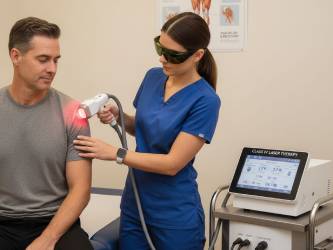
If you're looking for a gentle yet powerful alternative, light therapy is an excellent option. This non-invasive treatment uses specific wavelengths of light to stimulate your body's natural healing mechanisms at a cellular level, a process called photobiomodulation. The light energy penetrates deep into the tissue, reaching the inflamed and damaged tendons in your elbow. This process helps reduce inflammation, improve circulation, and accelerate repair from the inside out. Best of all, it’s a drug-free and surgery-free approach to performance recovery and pain relief. It doesn’t just mask the symptoms; it works with your body to fix the root cause of the pain, helping you heal faster and more completely.
How to Prevent Inner Elbow Pain from Returning
Once you’ve found relief from inner elbow pain, the next step is making sure it doesn’t come back. Preventing a recurrence is all about building resilience and adopting smarter habits. Instead of waiting for pain to sideline you again, you can take proactive steps to keep your elbows healthy and strong for the long haul. This approach focuses on strengthening the right muscles, moving with intention, and supporting your body’s overall health.
Strengthen Your Forearms, Shoulders, and Core
Think of your body as a connected system. The muscles in your forearms, shoulders, and core all play a role in supporting your arms and elbows. When these surrounding muscles are strong, they act as a support crew, taking pressure off the smaller tendons in your elbow that are prone to injury. You don't need to become a bodybuilder; simple, light exercises can make a world of difference. By incorporating movements that target these key areas, you build stability and reduce the risk of re-injury, allowing you to move with more confidence and less strain.
Adjust Your Technique and Return to Activity Slowly
Jumping back into your old routine at full intensity is a common mistake that can lead you right back to where you started. The key is to ease back into your activities gradually. Listen to your body; if you feel a twinge of your old pain, it’s a signal to slow down or modify the movement. This is also the perfect time to assess your technique. Whether you’re perfecting your golf swing, adjusting your grip on weights, or changing how you lift objects at work, small tweaks can significantly reduce the load on your elbow. Taking it slow and being mindful of your form helps your body adapt and heal properly.
Support Long-Term Tendon Health
Keeping your tendons healthy for the long term is about creating sustainable habits. Always start with a proper warm-up before any sport or exercise to prepare your muscles and tendons for activity. Outside of the gym, consider your daily movements. Using ergonomic tools at your desk and maintaining good posture can prevent the kind of repetitive strain that contributes to elbow pain. These small, consistent actions are a powerful form of preventative wellness, helping you build a foundation of health that protects your joints from future issues. It’s about caring for your body every day, not just when it’s in pain.
Frequently Asked Questions
Is inner elbow pain the same as tennis elbow? That's a great question, as they are often confused. They are both overuse injuries affecting the elbow, but on opposite sides. Inner elbow pain, or golfer's elbow, is felt on the bony bump on the inside of your elbow. Tennis elbow affects the outside. Think of it this way: they are two sides of the same coin, caused by strain on different tendons that attach to your elbow joint.
How long will it take for my elbow to heal? Healing time really depends on the person, the severity of the strain, and how committed you are to proper care. A mild case might start to feel better within a few weeks of rest and home treatment. However, more persistent cases can take several months to fully resolve. The most important thing is to be patient and avoid rushing back into the activities that caused the pain in the first place, as that can set you right back to square one.
Can I still exercise if I have inner elbow pain? You can, but you’ll need to be strategic. Pushing through sharp pain is never a good idea and will likely delay your healing. The key is to modify your routine. This could mean lowering the weight you lift, adjusting your grip, or temporarily swapping high-strain activities for something gentler, like walking or lower body exercises. It’s about finding ways to stay active without aggravating the injured tendon.
Why does my elbow feel so stiff and sore in the morning? That morning stiffness is a classic sign of a tendon issue. When you're inactive overnight, circulation to the area decreases, and a small amount of fluid can build up around the inflamed tendon. This causes that stiff, achy feeling when you first try to move your arm. Performing some gentle wrist stretches before you even get out of bed can help get the blood flowing and work out that initial stiffness.
You mentioned light therapy. How does that work for a tendon injury? Light therapy helps your body heal on a cellular level. It uses specific, safe wavelengths of light that penetrate through the skin to the injured tendon without any discomfort. This light energy helps reduce inflammation and improve circulation right at the source of the pain. It essentially gives your body’s natural repair crew the tools it needs to work more efficiently, helping to speed up the healing process in a gentle, non-invasive way.
Frequently Asked Questions
Is light therapy safe for athletes?

Yes, light therapy is completely safe and highly beneficial for athletes. It promotes faster muscle recovery, reduces inflammation, and supports performance without the risks of medication or downtime. That’s why professional and amateur athletes worldwide rely on it to train smarter and recover quicker.
How many sessions will I need?
The number of sessions varies depending on the type and severity of your condition. Many patients notice improvement after 3–5 sessions, while chronic conditions may require ongoing care for best results. During your initial consultation, we’ll design a personalized treatment schedule tailored to your body’s response and recovery goals.

Ready to Try Light Therapy for Recovery?