


Does Blue Cross Cover Cold Laser Therapy? A Clear Guide
It’s easy to feel discouraged when you hear that an insurance company might not cover a treatment that could change your life. Many people are told that cold laser therapy is "investigational," but that’s an insurance term, not a reflection of its effectiveness. So, does Blue Cross cover cold laser therapy? While many standard plans have exclusions, there are important exceptions and pathways to getting your care approved, especially for work-related or auto accident injuries. This article will serve as your guide, helping you understand the insurance landscape, what questions to ask your BCBS representative, and how to build a strong case for getting the coverage you need for your recovery.
Key Takeaways
- Confirm Your Specific Coverage First: Insurance policies for cold laser therapy are not universal, so your first step is to review your personal BCBS plan. Pay close attention to exceptions for workers' compensation or auto accident claims, as these often have different approval criteria.
- Prepare Your Documentation for Approval: A Letter of Medical Necessity from your doctor is crucial for getting a claim approved because it proves the treatment is essential for your condition. Before starting, also call your insurance representative to ask specific questions and get your benefits confirmed in writing.
- Plan for Out-of-Pocket Costs: An insurance denial doesn't have to stop you from getting treatment. You can use pre-tax funds from an HSA or FSA, ask about clinic payment plans and memberships, or work with your provider to appeal the decision.
What Is Cold Laser Therapy?
If you're looking for a way to manage pain without surgery or medication, you’ve likely come across cold laser therapy. Also known as low-level laser therapy (LLLT), this treatment uses specific wavelengths of light to interact with your body’s tissues. Unlike the high-power lasers used in surgery that cut or burn tissue, these "cold" lasers don't produce heat. Instead, they work at the cellular level to encourage your body's natural healing processes.
Think of it as giving your cells a gentle, effective push in the right direction. The process is completely non-invasive, meaning nothing pierces the skin. During a session, you simply relax while the device is applied to the target area. It’s a straightforward and painless approach designed to reduce pain and inflammation, helping you get back to feeling and moving better. Many people turn to cold laser therapy for relief from persistent injuries, chronic conditions, and post-workout soreness, making it a versatile tool for anyone looking to improve their quality of life.
How It Works
So, how does light actually help your body heal? Cold laser therapy works by delivering low-level light energy directly to your cells. This light is absorbed by the mitochondria, which are the powerhouses of your cells. This absorption process helps kickstart a series of events that can increase cellular metabolism, improve blood flow, and reduce inflammation in the treated area.
By calming sensitive nerves and increasing circulation, the therapy helps deliver more oxygen and nutrients to the injured tissue, which speeds up repair. It’s a gentle yet powerful way to support your body’s own healing mechanisms from the inside out, offering a path to effective pain management without relying on drugs.
What Conditions Can It Treat?
Cold laser therapy is incredibly versatile and can be used to address a wide range of issues. It’s particularly effective for musculoskeletal conditions, whether they’re acute injuries or chronic problems that have lingered for years. People often seek treatment for nagging back and neck pain, arthritis, tendonitis, and nerve pain.
Because it helps reduce inflammation and accelerate healing, it’s also a fantastic option for athletes looking for faster performance recovery after intense training or injury. From a sprained ankle to persistent knee pain, cold laser therapy can help stimulate tissue repair and get you back in motion sooner. It addresses the root cause of the pain rather than just masking the symptoms.
Key Benefits and Safety
One of the biggest draws of cold laser therapy is its impressive safety profile. Since the treatment is non-invasive, you don’t have to worry about incisions, scarring, or the downtime associated with surgery. It’s also a drug-free approach, so you can avoid the potential side effects that come with long-term medication use.
The key benefits include significant pain relief, reduced inflammation and swelling, and accelerated tissue repair. Many patients also experience improved nerve function and greater mobility in the treated area. Healthcare professionals consider it a sound and effective treatment for many pain-related conditions. At Laser Lab Therapy, we are committed to providing safe, proven, and all-natural care, which you can learn more about on our about page.
Does Blue Cross Blue Shield Cover Cold Laser Therapy?
One of the first questions we hear from new clients is, "Will my insurance cover this?" It's a great question, and when it comes to innovative treatments like cold laser therapy, the answer can be complex. Navigating the world of insurance benefits, especially with a major provider like Blue Cross Blue Shield (BCBS), often feels like trying to solve a puzzle. While many people are turning to light-based care for effective, non-invasive pain management, insurance policies can sometimes be slow to keep up with modern, drug-free solutions.
The short answer is: it depends. BCBS coverage for cold laser therapy isn't a straightforward yes or no. It varies widely based on your specific plan, your diagnosis, and even the state you live in. But don't let that uncertainty stop you. Understanding how BCBS views this treatment is the first step toward figuring out your options. Let's break down what you need to know about their policies and why coverage can be so tricky.
The Official BCBS Stance
Blue Cross Blue Shield doesn't have a single, universal policy on cold laser therapy. Generally, they classify laser procedures under medical codes, not cosmetic ones, which is a good start. However, the key to getting coverage hinges on whether the treatment is deemed "medically necessary." This means your provider must demonstrate that laser therapy is an essential and appropriate treatment for your specific health condition. Because what's considered necessary can differ from one plan to another, you can't assume your policy is the same as a friend's or family member's, even if you both have BCBS.
Why It's Often Classified as "Experimental"
You might hear your insurance representative use terms like "investigational" or "experimental" when discussing cold laser therapy. This is a common reason for claims to be denied. It’s important to understand that this is an insurance classification; it doesn't mean the therapy is unproven or unsafe. In fact, cold laser therapy is FDA-cleared for a variety of conditions. This label simply means the insurance company's internal review process has not yet classified it as a standard treatment for your specific condition. Insurance policies can take time to catch up with advancements in preventative wellness and recovery.
How Coverage Varies by Plan and State
The details of your insurance plan matter immensely. Some patients with high-tier PPO plans or self-funded employer plans may find they have partial reimbursement, especially if the laser therapy is part of a broader treatment plan that includes covered services. Furthermore, BCBS does consider low-level laser therapy medically necessary in certain specific cases. For example, some state BCBS plans cover it to prevent oral mucositis for patients undergoing specific cancer treatments. This shows that coverage isn't impossible, but it is highly specific. The best way to know for sure is to investigate your personal policy and contact us if you need help understanding your options.
Why Do BCBS Claims for Cold Laser Therapy Get Denied?
Receiving a claim denial from your insurance provider can be incredibly frustrating, especially when you’re trying to focus on your health. Understanding why Blue Cross Blue Shield might deny a claim for cold laser therapy is the first step toward finding a solution. Most denials fall into one of three common categories, and knowing which one applies to you can help you and your provider plan your next move. Let's walk through the main reasons a claim might not go through.
Reason 1: "Not Medically Necessary"
One of the most common reasons for denial is that the treatment is not considered "medically necessary." Insurance providers like BCBS will typically only cover procedures that are essential for treating a specific health condition. They draw a line between treatments for medical issues and those for cosmetic or general wellness purposes. While the benefits for pain management are clear to you and your doctor, an insurance company might require extensive proof that cold laser therapy is the most appropriate and required treatment for your diagnosis before they will agree to cover it.
Reason 2: Incomplete Paperwork
Sometimes, a denial has less to do with the treatment itself and more to do with the paperwork submitted. A claim can easily be rejected if the documentation is incomplete or doesn't provide enough detail. To give your claim the best chance of approval, it’s vital to work with your healthcare provider to submit a Letter of Medical Necessity. This letter should clearly state your diagnosis, explain the clinical reasoning for choosing laser therapy over other options, and include a defined treatment plan with specific goals for your healing or performance recovery.
Reason 3: Specific Policy Exclusions
Unfortunately, some denials happen simply because of the fine print in your specific insurance plan. Many BCBS policies explicitly categorize low-level laser therapy (LLLT) as "experimental" or "investigational." This means that even with a doctor's recommendation and perfect paperwork, the claim will be denied because the policy itself excludes coverage for the service. It’s a frustrating reality that insurance guidelines can lag behind modern, effective treatments. This classification is a blanket policy decision and doesn't reflect the proven success of the therapy for many individuals.
Are There Exceptions for BCBS Coverage?
While Blue Cross Blue Shield often classifies cold laser therapy as experimental, that isn't the final word. Certain situations and specific insurance plans can open the door for coverage. If your injury happened at work or in a car accident, or if you have a premium health plan, it’s worth taking a closer look. These exceptions are where we often see success in getting treatments covered. Let’s walk through what these scenarios look like and what steps you can take.
Workers' Compensation Claims
If your injury is work-related, your claim falls under workers' compensation, which is different from standard health insurance. Workers' comp plans are often more flexible because their main goal is to help you recover and return to work safely. They are typically more willing to approve effective treatments that speed up healing. If you've been injured on the job, discuss cold laser therapy with your doctor and case manager. It can be a powerful tool for pain management and getting you back on your feet.
Auto Accident Injuries (PIP)
Similarly, injuries from a car accident are often covered by auto insurance through Personal Injury Protection (PIP). These policies are designed to cover medical treatments needed for your recovery, so they can be more accommodating than traditional health plans. If you're dealing with whiplash, back pain, or other injuries from a collision, there's a good chance your PIP coverage will approve cold laser therapy. Be sure to review your auto policy and talk to your claims adjuster about your treatment plan.
Certain High-Tier Plans
Coverage can also depend on your specific health insurance plan. While most standard BCBS plans may not cover cold laser therapy, some high-tier PPO or employer-sponsored plans might offer partial payment. This is more likely if the treatment is part of a larger care plan from your provider, not billed as a standalone service. It’s a good idea to read your plan’s documents or call your BCBS representative. Ask them specifically about coverage for "photobiomodulation" or "low-level light therapy" to see if your premium plan makes an exception.
How to Verify Your Cold Laser Therapy Coverage
Figuring out insurance can feel like a puzzle, but you don't have to solve it alone. Taking a few direct steps can give you a clear picture of what your plan covers before you start treatment. This proactive approach helps you avoid surprise bills and feel confident about your care plan. Think of it as your roadmap to understanding your benefits. By checking your plan details, asking the right questions, and getting everything in writing, you can take control of the process. Let's walk through exactly how to do it.
Check Your Specific Plan
First things first, you need to look at your specific insurance policy. Blue Cross Blue Shield is a federation of different companies, and each one offers dozens of unique plans. Coverage for a service like cold laser therapy can vary dramatically from one plan to another. Start by logging into your BCBS member portal online or pulling out the benefits booklet they sent you. Look for sections on "physical medicine," "rehabilitation services," or "alternative treatments." Sometimes, you'll find a list of excluded services, which is just as helpful. This initial review will give you a baseline understanding before you even pick up the phone.
Key Questions to Ask Your BCBS Rep
Once you've reviewed your plan, it's time to call the member services number on the back of your insurance card. Being prepared with specific questions is the key to getting a clear answer. When you speak with a representative, be sure to ask:
- Is low-level light therapy, also known as cold laser therapy, a covered benefit for my specific condition?
- Do you cover specific billing codes for this treatment, such as S8948 or 97039?
- Do I need a pre-authorization from my doctor before starting treatment?
- What are my deductible, co-pay, and co-insurance amounts for this service?
Jot down the date, the name of the person you spoke with, and a call reference number. This information is incredibly valuable if you need to follow up later.
Why You Need to Get It in Writing
A verbal confirmation over the phone is a good start, but it isn't a guarantee of payment. To truly protect yourself, you need written confirmation of your benefits. Ask the insurance representative to send you an email or a letter detailing the coverage information they provided. This document is your proof if a claim is later denied. At Laser Lab Therapy, we are happy to help with this step by performing a complimentary benefits check on your behalf. Having everything documented ensures that you, your provider, and your insurance company are all on the same page before your first session. If you have questions, please contact our office, and we can guide you through the process.
What Are Your Payment Options if Insurance Says No?
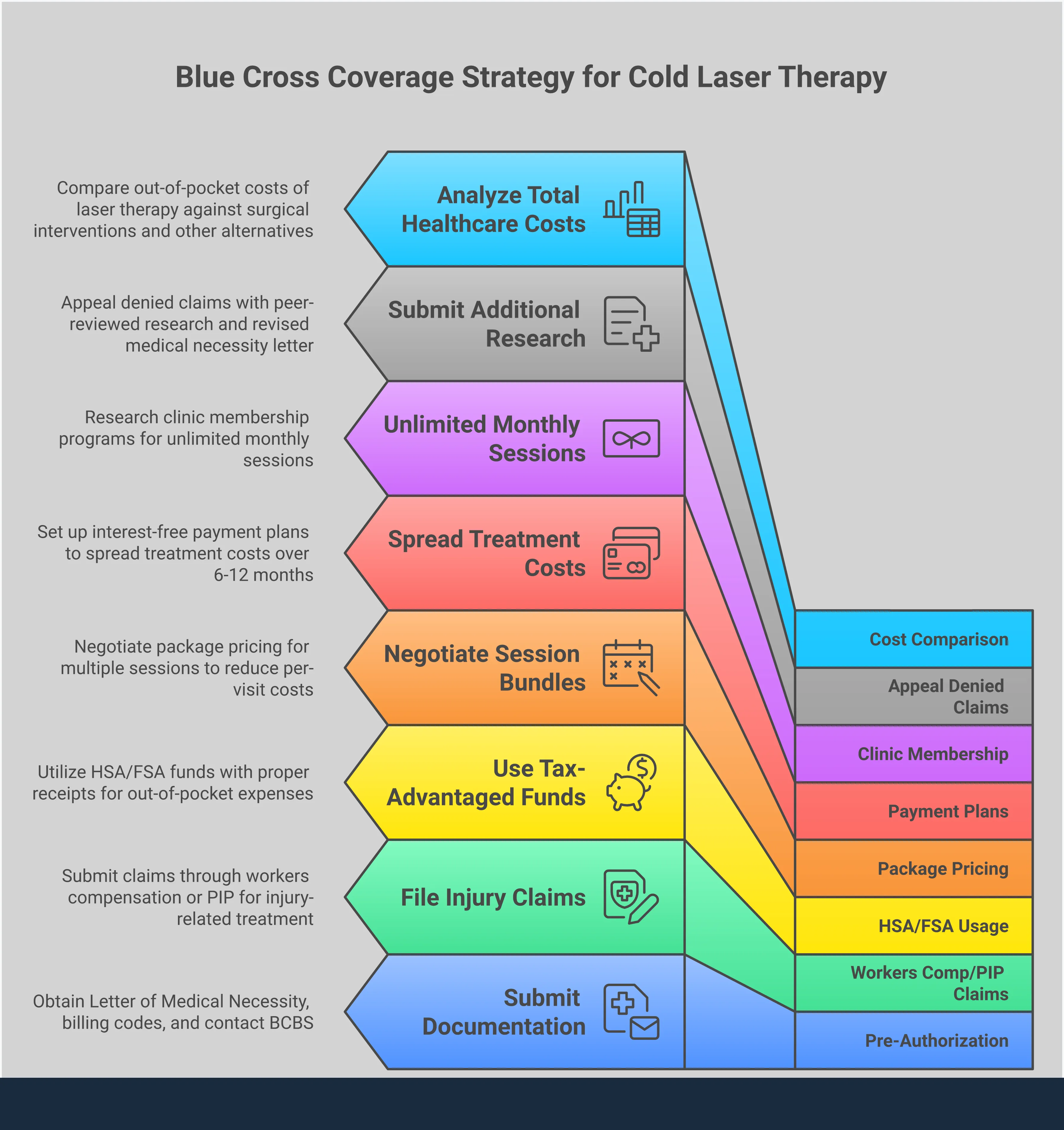
Receiving a denial from your insurance provider can feel like hitting a wall, but it’s not the end of the road for your treatment. When insurance says no to covering cold laser therapy, you still have several practical ways to manage the cost and get the care you need. Instead of giving up, you can take control of the situation by exploring pre-tax health accounts, flexible payment options, and even challenging the insurance company’s decision directly. Think of a denial as a detour, not a dead end. Here are three clear paths you can take to make your treatment happen.
Use Your HSA or FSA
A great first step is to check if you have a Health Savings Account (HSA) or Flexible Spending Account (FSA). These accounts let you use pre-tax money for qualified medical expenses, and cold laser therapy often falls into that category. Using these funds is a smart way to lower your out-of-pocket costs. To make it happen, you’ll typically need a receipt from your provider that includes specific diagnosis and treatment codes. We can help you with the necessary paperwork to ensure you can use your HSA or FSA funds smoothly. This approach allows you to invest in your wellness using money you’ve already set aside.
Explore Payment Plans and Financing
We believe that financial constraints shouldn't stand between you and feeling your best. That’s why many clinics, including ours, offer ways to make treatment more affordable. You can often find discounts for purchasing a package of multiple sessions at once, which lowers the cost per visit. Another popular option is a payment plan that spreads the cost over several months, often without interest. Our Laser Lab Therapy memberships are designed to provide consistent, affordable care for pain management, recovery, and overall wellness. Don’t hesitate to ask us about the best financial option for your specific treatment plan.
Appeal a Denied Claim
If you believe your treatment should be covered, you have the right to appeal the denial. It takes a little effort, but it can be worth it. First, get the denial in writing and ask the insurance company for the specific reason and the policy rule they used to make their decision. Next, partner with your healthcare provider to get a "Letter of Medical Necessity." This letter should clearly explain your diagnosis, detail why cold laser therapy is the most appropriate treatment for you, and outline your care plan. Having a dedicated team on your side can make a huge difference, so let’s work together to build a strong case for your appeal.
How Does Cold Laser Therapy Compare to Covered Treatments?
When your insurance plan doesn't cover a specific treatment, it’s natural to question if it's worth paying for out of pocket. But the treatment your policy covers isn't always the most effective or cost-efficient option for your health in the long run. To make the best decision, it helps to look at the bigger picture. Let's compare how cold laser therapy stacks up against traditional, insurance-covered treatments like medication, injections, and surgery when it comes to cost, effectiveness, and long-term value. This way, you can see the full story and decide what’s truly best for your body and your budget.
Comparing Costs: Laser Therapy vs. Traditional Options
At first glance, paying for cold laser therapy yourself might seem expensive. A single session can range from $40 to $150, with a full course of treatment typically falling between $300 and $2,500. However, it's important to compare this to the true out-of-pocket costs of "covered" treatments. Think about the high deductibles for surgery, recurring co-pays for specialist visits and physical therapy, and the endless cost of prescription refills. When you add it all up, those "covered" options can quickly become more expensive than paying directly for a solution that works. Many clinics also offer memberships or package deals that make laser therapy even more affordable.
Which Is More Effective for Pain?
Pain medication can offer temporary relief, but it often just masks the symptoms without addressing the underlying cause. Steroid injections can be painful and their effects may wear off, while surgery is an invasive option with significant risks and a long recovery period. Cold laser therapy offers a different approach. This non-invasive treatment uses specific wavelengths of light to penetrate tissue and stimulate healing at a cellular level. Research shows it's highly effective for musculoskeletal issues like arthritis and tendonitis because it reduces inflammation and promotes tissue regeneration. Instead of just hiding the pain, it helps your body actually heal the source of the problem, making it a powerful tool for lasting pain management.
Weighing the Long-Term Value
Investing in your health now can save you a great deal of time, money, and discomfort later. Studies have found that non-invasive laser therapies can reduce long-term healthcare costs by up to 40% compared to surgery. Why? Because an effective, non-invasive treatment helps you avoid the need for more drastic measures down the road. By addressing pain and inflammation at the source, you reduce your reliance on medication and may prevent the need for future surgeries. This means fewer medical bills, less time off work for recovery, and a quicker return to the activities you love. It’s a proactive approach to preventative wellness that pays off for years to come.
Your Next Steps Before Starting Treatment
Navigating insurance can feel like a puzzle, but a little preparation goes a long way. By taking a few proactive steps, you can get clear answers about your coverage and move forward with your treatment plan confidently. Here’s what to focus on before you begin your sessions to ensure a smooth and stress-free experience.
Secure the Right Medical Documentation
To get coverage, you need to show that your treatment is essential for your health. Blue Cross Blue Shield generally covers laser therapy only when a doctor confirms it is medically necessary. This is where a Letter of Medical Necessity from your healthcare provider becomes your most important document. This letter should clearly outline your diagnosis, explain the clinical reasons for choosing cold laser therapy, and include a defined treatment plan with specific goals. Having this detailed documentation ready makes your case much stronger when speaking with your insurance provider.
Clarify Your Financial Responsibility
Understanding your potential costs upfront helps you avoid surprises. Even if your plan offers some coverage, you will likely have out-of-pocket expenses like deductibles and copays. It’s also important to know that many insurance companies classify cold laser therapy as “investigational,” which can lead to a denial. Before you commit to a treatment schedule, find out exactly what you’ll be expected to pay. Many clinics offer flexible payment options or memberships that can make care more affordable if your claim is denied, so be sure to ask about those alternatives.
Partner With Your Healthcare Provider
You don’t have to figure this out alone. Working closely with your primary doctor or chiropractor is key to managing the insurance process. Start by asking for a formal referral or prescription, as this can help streamline approvals. The most critical step, however, is to call your insurance representative directly before starting treatment. Ask specific questions about your coverage, including whether they cover certain billing codes for your condition. Getting these details confirmed can save you time and frustration. If you need help, don't hesitate to contact our team for guidance.
Frequently Asked Questions
Is cold laser therapy actually safe? Yes, it is very safe. The term "laser" might sound intense, but these are low-level, or "cold," lasers that don't produce heat or cut tissue. The treatment is completely non-invasive, meaning nothing breaks the skin, and it has been cleared by the FDA for treating a variety of conditions. It’s a gentle therapy designed to work with your body’s natural healing processes without the risks associated with medication or surgery.
What does a cold laser therapy session feel like? Most people feel very little during a session, which is one of its benefits. You won't experience any pain or discomfort. At most, you might feel a very slight warmth on your skin from the device itself, but the laser energy is not hot. The primary experience is simply relaxing for a few minutes while the device does its work on the targeted area.
Why does my insurance company call this therapy "experimental"? This is a common and frustrating insurance term. When an insurer labels a treatment as "experimental" or "investigational," it doesn't mean the therapy is unsafe or unproven. It usually just means their internal policies haven't caught up with current medical advancements. Cold laser therapy has a strong track record and is FDA-cleared, but insurance companies can be slow to update their coverage guidelines for newer, non-traditional treatments.
How many treatments will I need to feel better? The number of sessions you'll need is unique to you. It depends on your specific condition, whether it's a recent injury or a chronic issue, and how your body responds to the therapy. Some people feel relief after just a few visits, while others with more long-standing problems may need a more extensive series of treatments. We will create a personalized plan for you after your initial consultation.
If my insurance won't cover it, can I still afford treatment? Absolutely. We believe effective care should be accessible, so we have several options if your insurance plan doesn't offer coverage. You can use pre-tax funds from an HSA or FSA account to pay for your sessions. We also offer payment plans and membership packages that make treatment more affordable by bundling sessions at a lower rate, allowing you to get consistent care without financial stress.
Frequently Asked Questions
Is light therapy safe for athletes?

Yes, light therapy is completely safe and highly beneficial for athletes. It promotes faster muscle recovery, reduces inflammation, and supports performance without the risks of medication or downtime. That’s why professional and amateur athletes worldwide rely on it to train smarter and recover quicker.
How many sessions will I need?
The number of sessions varies depending on the type and severity of your condition. Many patients notice improvement after 3–5 sessions, while chronic conditions may require ongoing care for best results. During your initial consultation, we’ll design a personalized treatment schedule tailored to your body’s response and recovery goals.

Ready to Try Light Therapy for Recovery?