


Deep Tissue Massage: Benefits, Risks, and More
Sore? You rest. Feel a twinge? You stretch. Most athletes treat recovery as a reaction. But what if you could get ahead of the pain? Think of your body like a high-performance vehicle—it needs regular maintenance to prevent breakdowns, not just repairs after something goes wrong. This is the proactive power of deep tissue massage. By regularly addressing muscle imbalances and releasing chronic tension, you can keep your body running efficiently and reduce the risk of injuries that could sideline you. It’s about shifting your mindset from simply managing pain to building a more resilient, injury-proof foundation for long-term success.
Key Takeaways
- Focus on function, not just relaxation: Deep tissue massage is a targeted treatment designed to help athletes recover faster and move more freely by releasing deep muscle tension and improving flexibility.
- Use it for proactive maintenance: Regular sessions help prevent injuries by correcting muscle imbalances and breaking down restrictive scar tissue before they lead to bigger problems, keeping your body ready for intense training.
- Communicate to customize your treatment: Effective deep tissue massage shouldn't be painful; always speak up about your comfort level so your therapist can adjust the pressure to meet your specific recovery needs and goals.
What Is Deep Tissue Massage?
If you’ve ever dealt with stubborn muscle pain or tightness that just won’t go away, you’ve probably heard about deep tissue massage. It’s a specific type of massage that focuses on the deeper layers of your muscles and connective tissues, also known as fascia. Think of it as a more targeted approach than a classic relaxation massage, designed to address specific issues rather than just general relaxation. The main goal is to use slow, firm pressure to break up scar tissue and release chronic muscle tension, helping you move more freely and with less pain.
This technique is especially popular among athletes, people recovering from injuries, and anyone with physically demanding jobs or chronic pain conditions like fibromyalgia or sciatica. By addressing the underlying sources of discomfort, it helps restore normal movement and relieve pain that’s been lingering for weeks, months, or even years. Instead of just soothing the surface, deep tissue massage works to restructure the muscle fibers and fascia that have become tight and restricted. It’s a powerful, therapeutic tool for anyone looking to get to the root of their muscle issues and find lasting relief from persistent aches and stiffness.
Is It Just a Harder Swedish Massage?
The most common point of comparison is with Swedish massage. While a Swedish massage uses lighter pressure and long, flowing strokes primarily for relaxation, deep tissue massage gets straight to the point. It uses more intense, focused pressure to target knots and adhesions in deeper muscle layers. The goal isn't just to help you relax, but to create real change in your muscle tissue and release chronic tension.
A big misconception is that deep tissue massage has to be painful to work. While you’ll definitely feel the pressure, it shouldn't be unbearable. It’s important to communicate with your therapist about your comfort level. A skilled practitioner knows that you don't have to endure extreme pain to get the desired results and will adjust the pressure accordingly.
Common Techniques Your Therapist Will Use
To reach those deeper muscle layers, therapists use a variety of specific techniques. You can expect slow, deliberate strokes and deep pressure applied with the fingers, thumbs, or even elbows. This methodical approach allows the muscles to release gradually. Sometimes, therapists might use tools like massage balls to apply consistent pressure to a particularly stubborn knot.
This targeted pressure does more than just release tension. It also improves blood flow to the affected areas. Better circulation helps remove waste products like lactic acid from your muscles while delivering the oxygen and nutrients they need to repair and recover. It’s this combination of releasing tension and supporting the body’s natural healing process that makes deep tissue massage so effective.
Cross-Fiber Friction
Cross-fiber friction is a specific technique you might experience during a deep tissue massage. Instead of gliding along a muscle's length, your therapist applies firm pressure directly across the muscle fibers. This method targets the connective tissue to address adhesions—those stubborn knots of scar tissue from injury or repetitive strain. By working against the grain, the therapist helps break down these restrictions and encourages the tissue fibers to realign properly. It’s especially effective for chronic issues like tendinopathy, where the goal is to stimulate healing and restore healthy movement in a specific area.
This technique is backed by research. Studies show that deep friction massage can significantly reduce pain and improve function, especially for athletes with conditions like tennis elbow. One systematic review found that this technique led to greater improvements in pain relief and functional ability. Another study highlighted its ability to improve pain intensity and range of motion for people with musculoskeletal issues. Adding cross-fiber friction to your recovery plan is a proven way to address the root cause of stiffness, helping you get back to your sport with more resilience.
What Health Conditions Can Deep Tissue Massage Help With?
Deep tissue massage is much more than a tool for workout recovery; it’s a versatile therapy that can address a wide range of health issues. From chronic conditions that affect your daily life to nagging injuries that hold you back, this targeted approach can provide significant relief. By working on the deeper layers of muscle and connective tissue, it helps to break down adhesions, release tension, and restore proper function. This makes it a powerful option for anyone seeking a natural, hands-on solution for pain and stiffness. Whether you're dealing with long-term discomfort or the physical tolls of a repetitive job, deep tissue massage offers a path toward feeling and moving better.
Chronic Pain Relief
For those living with persistent pain, deep tissue massage can be a game-changer. It directly targets the source of discomfort by breaking down muscle "knots" or adhesions that often cause chronic pain and limit movement. This makes it particularly effective for conditions that haven't responded well to other treatments. By applying slow, firm pressure, a therapist can release deep-seated tension and improve circulation to affected areas, which helps reduce inflammation and promote healing. It’s a focused approach designed to provide lasting relief from conditions that can otherwise feel relentless, helping you regain control and improve your quality of life.
Sciatica and Low Back Pain
If you struggle with sciatica or chronic low back pain, you know how debilitating it can be. Deep tissue massage helps by physically breaking down the adhesions in your muscles and connective tissues that contribute to this pain. Releasing this tension can alleviate pressure on the sciatic nerve and restore flexibility, helping you move more freely and with less discomfort.
Fibromyalgia
Fibromyalgia causes widespread pain that can be difficult to manage. Many people find deep tissue massage helpful because it targets the deeper layers of muscle where persistent discomfort often resides. By carefully working on these areas, the massage can help alleviate the chronic aches associated with the condition.
Osteoarthritis Pain
While massage can't cure osteoarthritis, it can certainly help manage the pain. Deep tissue techniques can relieve tension in the muscles surrounding affected joints, which may reduce stiffness and improve your range of motion. It also helps with related issues like headaches and trouble sleeping that often accompany chronic joint pain.
Repetitive Strain and Injury
Our bodies often pay the price for repetitive movements, whether from sports, work, or daily habits. Over time, these repeated actions can lead to strain, inflammation, and painful injuries that limit what you can do. Deep tissue massage is highly effective for these types of issues because it targets the specific muscles and tendons that have become overworked and tight. By breaking down scar tissue and releasing tension, it helps restore flexibility and blood flow to the injured area. This not only relieves pain but also supports the body's natural healing process, helping you recover more quickly and prevent the problem from coming back.
Plantar Fasciitis
That sharp, stabbing pain in your heel from plantar fasciitis is often caused by inflammation and tightness in the connective tissue on the bottom of your foot. Deep tissue massage can provide relief by focusing on the calf muscles and the plantar fascia itself, helping to break down scar tissue and improve flexibility in the foot.
Carpal Tunnel Syndrome and Tennis Elbow
Conditions like carpal tunnel syndrome and tennis elbow are classic repetitive strain injuries. Deep tissue massage can be very effective by releasing the tight muscles in the forearm and wrist. This helps reduce pressure on the nerves and tendons, easing pain and improving grip strength.
Whiplash and Stiff Necks
Whether from an accident or just hours spent hunched over a computer, a stiff neck can be incredibly painful. Deep tissue massage targets the deeper layers of muscle in the neck and upper back, releasing the tension and stiffness associated with whiplash and chronic neck pain, which can help restore your normal range of motion.
General Wellness
Beyond addressing specific aches and injuries, deep tissue massage contributes to your overall health in some surprising ways. It’s not just about feeling good in the moment; regular sessions can have lasting positive effects on your body’s systems. By improving circulation and reducing muscle tension, this therapy can help your body function more efficiently. Think of it as a tune-up that supports everything from your cardiovascular health to your posture. Integrating deep tissue massage into your wellness routine is a proactive way to maintain your body, manage stress, and support long-term health from the inside out.
High Blood Pressure
While it’s known for physical benefits, deep tissue massage can also positively impact your cardiovascular system. Some studies have shown that regular massage can help lower blood pressure, likely due to its ability to reduce stress and tension throughout the body. It’s a relaxing way to support a healthy heart.
Poor Posture
Slouching over a desk or phone can create significant muscle imbalances that lead to poor posture and pain. Deep tissue massage helps by releasing the chronically tight muscles that are pulling your body out of alignment, allowing you to stand taller and move with greater ease.
Muscle Spasms
Those sudden, painful muscle spasms or charley horses are often caused by overworked, dehydrated, or strained muscles. Deep tissue massage can help relieve them by improving blood flow to the area and releasing the underlying tension that causes the muscle to contract involuntarily.
The Science-Backed Benefits of Deep Tissue Massage
While the feeling of relief after a deep tissue massage speaks for itself, there’s also a growing body of research that confirms its therapeutic benefits. This isn’t just about relaxation; it’s a legitimate treatment with measurable effects on pain, immunity, and mental well-being. Studies have shown that its impact can be comparable to conventional medical treatments for certain conditions, offering a drug-free alternative for pain management. For anyone who prefers to understand the "why" behind a treatment, the science offers compelling reasons to consider deep tissue massage as a key part of your health and recovery plan. It’s a practice grounded in both tradition and evidence.
Pain Relief Comparable to Medication
One of the most compelling findings is how deep tissue massage stacks up against common pain relievers. For instance, a study found that it was as effective as non-steroidal anti-inflammatory drugs (NSAIDs) like ibuprofen for relieving chronic low back pain. This is significant for anyone looking for effective, non-pharmaceutical options for pain management. Instead of just masking the pain, the massage works to address the root cause by releasing muscle tension and breaking down adhesions. This offers a sustainable way to manage chronic pain without the potential side effects that can come with long-term medication use.
Immune System Support
Your massage isn't just helping your muscles; it might be giving your immune system a helping hand too. Research has suggested that massage therapy can increase the activity of your body's white blood cells, which are responsible for fighting off viruses and infections. While it’s not a replacement for other healthy habits, regular deep tissue massage can be a supportive element in your overall wellness strategy. By reducing stress hormones like cortisol, which can suppress immune function, massage helps create an internal environment where your immune system can operate more effectively and keep you healthier.
Mental Health and Stress Reduction
Although the pressure can be intense, deep tissue massage is incredibly effective for mental relaxation and stress reduction. The physical release of chronic muscle tension often leads to a corresponding emotional release. As your body lets go of tightness and pain, your mind can follow suit, helping to lower levels of stress hormones and promote a sense of calm. This mind-body connection is powerful. Making time for this kind of restorative care can help you manage the mental and emotional weight of daily life, leaving you feeling not just physically looser but also mentally clearer and more resilient.
Why Should Athletes Get a Deep Tissue Massage?
If you're an athlete, you know that what you do off the field is just as important as what you do on it. Recovery isn't a luxury; it's a critical part of your training. Deep tissue massage is a powerful tool in any athlete's recovery toolkit. It goes beyond simple relaxation to address the deep-seated tension and stress that intense physical activity places on your body. By targeting the deeper layers of muscle and connective tissue, it helps you bounce back stronger and stay at the top of your game.
Recover Faster and Perform Better
Every athlete wants a competitive edge, and quicker recovery is a big one. Deep tissue massage helps your muscles recover so you can perform better, especially if you're in team or strength sports. After a tough workout or game, your muscles are full of tiny tears and tension. This massage technique applies firm pressure to release that tightness, helping your body heal more efficiently. Think of it as hitting the reset button for your muscles, allowing you to get back to training with renewed strength and less downtime. It's a key part of a smart performance recovery plan.
Improve Flexibility and Range of Motion
Feeling stiff? Tight muscles don't just feel uncomfortable; they limit your movement and can hold back your performance. Deep tissue massage is fantastic for improving flexibility. By working on those deep muscle layers, it helps loosen up chronic tightness in key areas like your lower back, knees, and shoulders. The more consistently you get this type of massage, the more flexible you can become. This increased range of motion allows for more powerful, efficient movements and can even help you sidestep potential injuries caused by restricted mobility. It’s about helping you move freely and without limitation.
Reduce Inflammation and Improve Circulation
Soreness and inflammation are the unwelcome guests that show up after a hard training session. Deep tissue massage helps show them the door. The technique is designed to target deep muscle layers and connective tissues, which is an effective way to reduce pain and stiffness. It works by improving blood flow to your muscles. This enhanced circulation delivers a fresh supply of oxygen and nutrients needed for repair while flushing out waste products like lactic acid that contribute to soreness. The result is less inflammation, reduced stiffness, and a body that feels ready for the next challenge.
Can Deep Tissue Massage Prevent Injuries?
Think of deep tissue massage as essential maintenance for your body. Just like you tune up your car to prevent a breakdown, regular massage can help keep your muscles and connective tissues in top shape, making them more resilient to the demands of your sport. While no single therapy can guarantee you’ll never get injured, incorporating deep tissue massage into your routine is a powerful, proactive step toward prevention. It addresses underlying issues before they become full-blown problems.
By targeting the deeper layers of muscle, this type of massage helps correct imbalances, release stubborn tension, and break down restrictive scar tissue. Each of these benefits contributes to a body that moves more freely, functions more efficiently, and is less susceptible to the sprains, strains, and tears that can sideline an athlete. It’s about creating a foundation of healthy, pliable tissue that can handle the stress of intense training and competition. This approach shifts the focus from simply reacting to injuries to actively working to prevent them from happening in the first place, supporting your long-term preventative wellness goals.
Address and Correct Muscle Imbalances
Most sports involve repetitive movements, which can cause certain muscle groups to become overworked and tight while others remain underused and weak. This creates muscle imbalances that can pull your body out of alignment, placing excess stress on your joints, tendons, and ligaments. Deep tissue massage directly addresses this by focusing on the overused muscles, releasing the tension that keeps them in a constantly contracted state. This allows the opposing, weaker muscles to activate properly, restoring balance and promoting more efficient movement patterns. By correcting these imbalances, you reduce the risk of compensation injuries that happen when your body tries to make up for a weak link in the chain.
Release Chronic Tension and Knots
If you’ve ever felt a hard, painful "knot" in your shoulder or back, you know what chronic muscle tension feels like. These knots, or adhesions, are bands of rigid tissue that can restrict movement and limit blood flow. Deep tissue massage uses firm, sustained pressure to work through these tight areas, encouraging the muscle fibers to release. This process helps reduce the stiffness and pain associated with chronic tension. When your muscles are free from these restrictions, they can contract and lengthen fully, giving you a better range of motion and making them far less likely to tear or strain during a workout. It's a key part of effective pain management for any active individual.
Break Down Scar Tissue
Following an injury or even just from the micro-tears of intense training, your body forms scar tissue to repair the damage. While this is a natural healing process, scar tissue is less flexible than healthy muscle tissue. Over time, adhesions can build up, limiting your mobility and creating painful trigger points. Deep tissue massage applies slow, deliberate strokes to break up scar tissue, which helps realign the tissue fibers and restore flexibility. By improving tissue elasticity, this technique not only helps you move better but also prevents a previously injured area from becoming a chronic problem spot.
How to Use Deep Tissue Massage for Recovery
After pushing your body to its limits, the recovery phase is just as important as the workout itself. This is where deep tissue massage really shines, offering a targeted approach to help your muscles bounce back stronger. It’s not just about feeling good; it’s about actively helping your body repair itself so you can get back to training without lingering aches and pains. By focusing on the deeper layers of muscle and connective tissue, this massage technique addresses the root causes of post-workout discomfort and stiffness.
Think of it as a reset for your muscles. A great massage can help clear out metabolic waste, soothe overworked tissues, and prepare your body for the next challenge. It’s a crucial tool for anyone serious about their fitness goals, helping to maintain muscle health and keep you performing at your best.
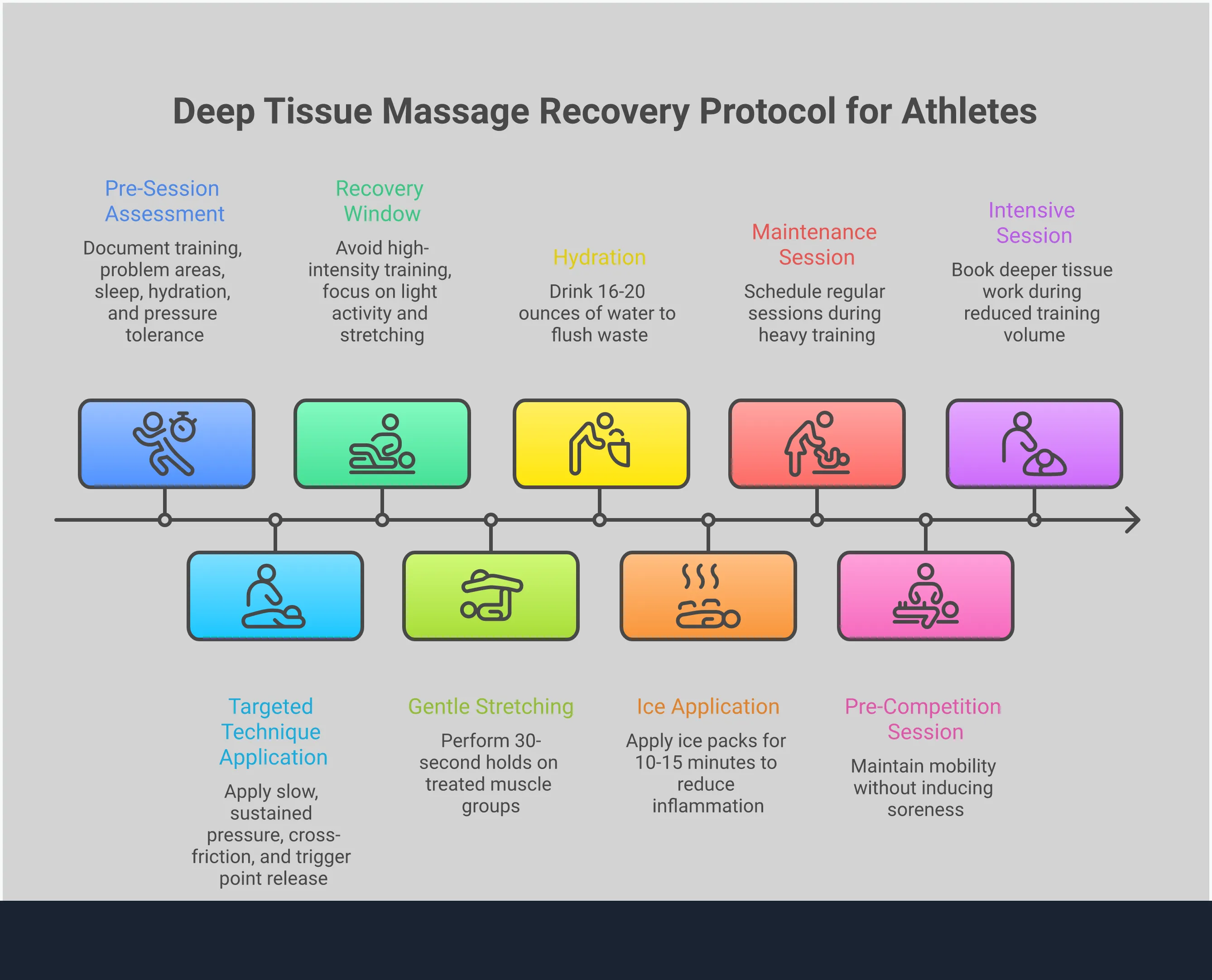
Speed Up Healing After a Tough Workout
When you’ve just finished a demanding workout or competition, your main goal is to get your body back to 100% as quickly as possible. Deep tissue massage can be a game-changer for accelerating this process. Research shows that regular sessions can significantly improve muscle recovery, especially for athletes in strength and team sports. By applying firm, sustained pressure, a therapist can release tension deep within the muscle fibers.
This targeted pressure helps increase blood flow to your tired muscles, delivering the oxygen and nutrients they need to repair and rebuild. It’s an effective way to support your body’s natural healing mechanisms, making it a key part of any plan for performance recovery.
Ease Delayed Onset Muscle Soreness (DOMS)
We’ve all been there: that next-day muscle soreness that makes walking down the stairs feel like a monumental task. This is known as Delayed Onset Muscle Soreness, or DOMS. While it’s a normal part of getting stronger, it can be uncomfortable and disruptive. Deep tissue massage helps by getting to the source of the problem.
It works to flush out the waste products, like lactic acid, that build up in your muscles during intense exercise. A skilled therapist can also identify and work on specific muscle knots, or trigger points, that contribute to pain and stiffness. This helps ease discomfort and allows your muscles to recover more efficiently, providing a natural approach to pain management.
How It Helps Your Muscles Repair and Rebuild
True recovery happens on a cellular level, and deep tissue massage creates an ideal environment for your body to do its repair work. The technique focuses on the deep layers of muscle and the surrounding connective tissues, called fascia. When these tissues become tight and restricted, they can impede blood flow and slow down healing.
By breaking up these adhesions, deep tissue massage improves circulation, which is essential for tissue repair. Better blood flow means more oxygen-rich blood can reach your muscles, while metabolic byproducts are carried away more effectively. This process not only reduces pain and stiffness but also directly supports the rebuilding of muscle tissue, helping you come back stronger and more resilient.
How Often Do You Need a Deep Tissue Massage?
There’s no single answer to how often you should get a deep tissue massage. The right frequency depends entirely on you: your body, your sport, and your goals. Instead of sticking to a generic schedule, your massage plan should be as unique as your training routine. Think of it as a flexible part of your overall wellness strategy, one that adapts to your current needs. Key factors like your training intensity, whether you’re in-season, and how your body is feeling will help you determine the perfect timing for your sessions.
Factor in Your Sport and Training Level
If you’re an athlete or someone who trains at a high intensity, your muscles are under constant stress. Regular deep tissue massages can be a game-changer for your performance recovery. For those in the middle of heavy training cycles or endurance sports, a weekly or bi-weekly massage can help manage muscle soreness, prevent injuries, and keep your body in optimal condition. This consistent schedule helps address muscle tension before it becomes a chronic problem, allowing you to push harder and recover smarter. A good rule of thumb is the harder you train, the more frequently your body will benefit from targeted muscle work.
Scheduling for In-Season vs. Off-Season
Your massage needs will change throughout the year. During your off-season, you have the perfect window to focus on deeper, more intensive work. This is the time to address chronic issues, break down old scar tissue, and correct muscle imbalances that developed during the competitive season. In-season, the focus shifts to maintenance. Lighter, more frequent massages can help warm up your muscles before an event or flush out waste products afterward to reduce soreness. The goal during this time isn't to fix major problems but to keep you feeling flexible, powerful, and ready to compete at your best.
Listen to Your Body's Recovery Needs
Ultimately, your body is your best guide. Some weeks you might feel great, while others you might feel tight, sore, or on the verge of an injury. Paying attention to these signals is crucial. Deep tissue massage doesn’t have to be painful to be effective; in fact, working with a therapist who understands your pressure tolerance is key. Lasting results come from consistency and a personalized treatment plan that adapts to your feedback. If you feel persistent tightness or soreness, it might be time to book a session. If you’re feeling loose and mobile, you might be able to stretch the time between appointments.
What to Expect During Your Session
Going into your first deep tissue massage can feel a little intimidating, but knowing what’s ahead can help you relax and get the most out of your appointment. A great session is a partnership between you and your therapist, built on clear communication from start to finish. From the initial chat about your goals to managing pressure on the table, you are always in control. The goal is to help your body recover, not to push it past its limits. Here’s a breakdown of what your session will look like.
What to Discuss with Your Therapist First
Your session begins before you even get on the massage table. It starts with a conversation. Your therapist will ask about your training, any specific aches or pains you’re feeling, and what you hope to achieve with the massage. This is your time to share your injury history, point out stubborn knots, and explain your performance goals. A skilled therapist uses this information to create a tailored experience that prioritizes your comfort and focuses on the areas that need the most attention. Think of it as creating a game plan for your body’s recovery.
Finding the Right Amount of Pressure
Let’s get one thing straight: deep tissue massage does not have to be painful to work. While the pressure is firm and targeted, you should never feel like you have to grit your teeth to get through it. You are in complete control of the session, and it’s essential to speak up if the pressure is too much. An experienced therapist can adjust their technique to get the desired results without causing unnecessary pain. Open communication is key, so let your therapist know what feels right. Effective pain management is about working with your body, not against it.
The Importance of Breathing
It might sound simple, but how you breathe on the table makes a huge difference. When a therapist hits a tender spot, the natural instinct is to tense up and hold your breath. But fighting the pressure is counterproductive. Instead, focus on taking slow, deep, and steady breaths. This sends a signal to your nervous system to relax, which allows your muscles to soften and release. Think of your breath as a tool that helps you work *with* your therapist, not against them. By breathing through the intensity, you make it easier for them to release stubborn knots and improve circulation, which is essential for effective performance recovery and helps you get the most out of every minute of your session.
What Happens After Your Massage
Once your massage is over, you’ll likely feel a sense of relief and relaxation. It’s also normal to feel a little sore for a day or two, much like you would after a challenging workout. While mild bruising can happen, it isn’t a common side effect. The best things you can do for yourself post-massage are to drink plenty of water and allow your body to rest. While a single session can offer immediate benefits, the best results come from consistency. Integrating massage into your routine is a key part of any long-term performance recovery plan.
Potential Side Effects
It’s completely normal to feel some soreness for a day or two after a deep tissue massage, especially if it’s your first one or it’s been a while. Think of it like the feeling you get after a challenging workout; it’s a sign that your muscles have been worked in a meaningful way. This soreness indicates that the therapist successfully addressed deep-seated tension and adhesions that were restricting your movement. As Healthline explains, this feeling is temporary and a normal part of the body's response to the treatment. You might also feel a bit tired as your body dedicates energy to the healing process. These effects are simply signs that your body is responding and beginning its natural repair cycle.
After-Care Tips for Soreness
To ease any post-massage soreness and maximize the benefits of your session, a little after-care goes a long way. Your top priority should be to drink plenty of water. The massage helps release metabolic waste that was trapped in your muscle tissues, and staying hydrated is essential for flushing it all out of your system. You can also try some light stretching to maintain your newfound flexibility. For extra relief, a warm bath with Epsom salts can soothe tired muscles, while a cold pack can help if you have any specific spots that feel inflamed. Giving your body this support helps it complete the recovery process, ensuring you feel the full benefits of reduced tension and improved mobility. This proactive approach is a cornerstone of effective preventative wellness.
Is Deep Tissue Massage Right for You?
Deep tissue massage can be a game-changer for athletic recovery and performance, but it’s not the right fit for everyone or every situation. The key is to understand your body’s needs and your personal goals before you book an appointment. Thinking through a few key factors will help you decide if it’s the best therapy to add to your routine. Let’s walk through what you should consider to make a confident and informed choice for your wellness journey.
Consider Your Pain Levels and Injury History
First, take a moment to think about your body. Are you dealing with chronic muscle tightness from repetitive movements in your sport? Deep tissue massage is particularly effective for athletes in team and strength sports who need to recover their muscles and manage persistent knots. If you have old injuries that left you with scar tissue or limited mobility, this technique can help break down those adhesions. However, it’s not ideal for acute injuries, like a fresh muscle sprain, or if you have underlying conditions like blood clots. If you're managing ongoing pain, exploring all your options for pain management will help you find the most suitable treatment.
Define Your Treatment Goals
What are you hoping to achieve? Getting clear on your goals will help you determine if deep tissue massage aligns with your needs. Are you looking to improve your flexibility in your lower back and hamstrings? Or is your main objective to prevent injuries during your competitive season? Regular deep tissue massage can be a powerful tool for injury prevention and performance. If your goal is to speed up healing after intense training sessions or improve your overall athletic output, this therapy can be a fantastic addition to your performance recovery plan. Knowing your "why" helps you and your therapist create a focused and effective session.
When to Talk to Your Doctor First
It’s always a good idea to talk to a professional before trying a new therapy, especially if you have a complex injury history. A common myth is that deep tissue massage has to be painful to work, but that’s simply not true. You should always feel comfortable speaking up if the pressure is too much. A skilled therapist will listen and adjust to your needs. If you’re unsure whether deep tissue massage is the right step, don’t hesitate to reach out to a specialist or your doctor. They can help you understand your body’s signals and guide you toward the best recovery methods for your specific situation.
Important Safety Warnings: Who Should Avoid It?
While deep tissue massage is a fantastic tool for many athletes, its intensity means it isn’t a one-size-fits-all solution. Safety should always be your top priority, and that means knowing when to pause and seek professional advice. The firm pressure used in this technique can be risky for individuals with certain health conditions. It’s not about avoiding the therapy altogether, but about making an informed decision that supports your overall well-being. Before you book an appointment, it’s crucial to understand the situations where you should proceed with caution or avoid this type of massage entirely. Listening to your body and consulting with your doctor are the smartest first steps you can take.
Conditions Requiring Caution
If you have certain pre-existing health conditions, it’s essential to get a green light from your doctor before getting a deep tissue massage. The firm pressure isn't suitable for everyone, and it’s better to be safe. You should definitely talk to your doctor first if you are pregnant, taking blood thinners, or have a history of blood clots. The same applies if you have osteoporosis, as the pressure could pose a risk to fragile bones, or if you are undergoing treatment for certain types of cancer. A quick conversation with your healthcare provider can help you understand if the benefits outweigh the potential risks for your specific situation, ensuring your recovery plan is both effective and safe.
Contraindications for Deep Tissue Massage
For some health issues, deep tissue massage is generally not recommended. The intense pressure can aggravate certain conditions, so it’s important to avoid it if you have open wounds, skin infections, or fractures. People with heart conditions, high blood pressure, or a history of seizures should also be cautious. If you’ve had recent surgery, your body needs time to heal without the added stress of deep muscle work. Similarly, if you have a condition like diabetes or find that you bruise very easily, this type of massage might not be the best fit for you. When in doubt, always consult a doctor to find a therapy that aligns with your health needs.
Finding a Therapist and Planning Your Visit
Once you’ve decided to give deep tissue massage a try, the next step is finding the right professional and knowing what to expect. This isn’t just about booking any appointment; it’s about finding a therapist who understands your body and your athletic goals. The right practitioner will listen to your needs, customize the session, and become a valuable part of your recovery team. Planning ahead for things like cost and session length also helps you fit this powerful therapy into your routine seamlessly, making it a sustainable part of your long-term wellness plan.
How to Find a Qualified Therapist
Finding a therapist who specializes in working with athletes is key to getting the results you want. A great place to start is by asking for recommendations from people you trust, like your doctor, physical therapist, or even friends who are serious about their training. You can also search for certified professionals on the American Massage Therapy Association’s website. Look for someone with experience in sports massage and a deep understanding of anatomy. Don’t be afraid to ask questions before you book. A qualified therapist will be happy to discuss their techniques and how they can help you meet your specific goals for pain relief and performance.
Typical Cost and Session Length
Investing in your body’s recovery is one of the smartest things you can do as an athlete. Deep tissue massage sessions typically last between 60 and 90 minutes, giving the therapist enough time to address your specific problem areas thoroughly. The cost can vary depending on your location and the therapist's experience, but you can generally expect to pay between $70 and $160 per session. Some clinics offer packages or memberships that can make regular treatments more affordable, which is a great option if you plan to make massage a consistent part of your preventative wellness routine.
Debunking Myths About Deep Tissue Massage
Deep tissue massage has a reputation for being intense, and with that comes a lot of misinformation. If you've been hesitant to try it because of something you've heard, you're not alone. Many athletes and active individuals miss out on its benefits because of a few persistent myths that just won't quit. These misconceptions can create unnecessary fear or set unrealistic expectations, preventing you from finding a therapy that could seriously aid your performance recovery. When you're dedicated to your health, the last thing you need is bad information steering you away from a potentially powerful tool for pain management and muscle health.
Let's clear the air and separate fact from fiction. Understanding what deep tissue massage really is (and isn't) is the first step toward using it effectively to feel and perform your best. We'll tackle the most common myths head-on, from how it should feel to who it's for and how often you should get one. By debunking these ideas, you can approach deep tissue massage with confidence and make an informed decision about whether it fits into your wellness plan. It's all about finding what works for your body and your goals, without letting false ideas stand in your way. Being an advocate for your own health means getting the right information, and that starts here.
Myth: It Has to Hurt to Be Effective
Let's get this one out of the way first: the "no pain, no gain" philosophy doesn't apply here. While deep tissue massage involves firm pressure to reach deeper layers of muscle and fascia, it shouldn't be an excruciating experience. Your therapist is targeting knots and adhesions, and you might feel discomfort or a "good hurt," but you should never be in agony. In fact, too much pain can cause your muscles to tense up, making the treatment less effective. Communication is key. As experts point out, deep tissue massages do not have to be painful to get results. Always let your therapist know if the pressure is too much.
Myth: It’s Only for Pro Athletes
You don't need to be a professional athlete to benefit from deep tissue massage. This myth often discourages everyday active people from seeking treatment that could help them immensely. Whether you're a weekend warrior, a regular at the gym, or someone with a physically demanding job, your muscles experience strain and tension. As one therapy group explains, sports massage is beneficial for everyone, not just the pros. If you have chronic knots, muscle tightness, or are recovering from an intense workout, deep tissue massage can help release that tension and support your body's healing process, regardless of your athletic status.
Myth: One Session Is Enough
Thinking one deep tissue massage will solve all your problems is like expecting one workout to get you in shape. While you'll likely feel some immediate relief after a single session, the real benefits come from consistency. Deep tissue massage works to break down chronic adhesions and retrain your muscles, which takes time. For lasting results, you need a personalized treatment plan. As therapists often note, optimal results often require consistency and a regular schedule. Think of it as ongoing maintenance for your body, helping you prevent future injuries and maintain muscle health for the long haul.
Deep Tissue Massage vs. Light Therapy
While deep tissue massage is a fantastic tool for athletic recovery, it’s not the only option available. Understanding the differences between traditional hands-on methods and modern, non-invasive treatments can help you build a recovery plan that’s perfectly suited to your body and your training schedule. Both approaches aim to help you feel and move better, but they work in fundamentally different ways. Let's look at how light therapy compares to deep tissue massage and when you might choose one over the other.
Hands-On Treatment vs. A Tech-Based Approach
Deep tissue massage is a classic, hands-on technique that has been trusted for years. It involves a therapist applying firm, sustained pressure to target the deeper layers of your muscles and connective tissues. The goal is to release chronic tension and knots that build up from intense activity. In contrast, light therapy is a modern alternative that works on a cellular level without any physical manipulation. It uses specific, proven wavelengths of light to penetrate the skin and stimulate your body’s natural healing processes, making it an excellent tool for performance recovery. Think of it as giving your cells the energy they need to repair themselves more efficiently.
Why Consider Non-Invasive Light Therapy?
One of the biggest draws of light therapy is that it’s completely non-invasive. There’s no pressure, no discomfort, and no downtime. For athletes, this translates to some major benefits, including reduced muscle soreness, faster recovery between workouts, and improved circulation to deliver more oxygen to your tissues. The light energy helps stimulate cellular repair and regeneration, which is key for managing the inflammation that comes with hard training. This makes it a powerful, drug-free option for pain management and helps you get back to your sport feeling strong and ready to go.
When to Choose Light Therapy Instead
So, when might you book a light therapy session instead of a deep tissue massage? If you’re dealing with an acute injury or a lot of inflammation, light therapy is often the smarter choice. Applying deep pressure to a fresh injury can sometimes make things worse, whereas light therapy can gently reduce pain and swelling without risk. It’s also a great option if you simply don’t enjoy the intensity of deep tissue work or if you have a condition that makes firm pressure uncomfortable. Ultimately, light therapy can be a standalone treatment or a complementary part of your preventative wellness routine to keep you performing at your best.
Create Your Ultimate Recovery Plan
A single deep tissue massage can feel like a lifesaver after a grueling week of training, but the real magic happens when you treat recovery as an essential part of your athletic strategy. Just like you have a plan for your workouts and nutrition, you need a smart, consistent plan for your recovery. Thinking ahead allows you to move beyond simply reacting to soreness and start proactively building a more resilient body. By combining the right therapies, creating a steady routine, and focusing on your long-term goals, you can build a recovery plan that not only helps you heal faster but also helps you perform better for years to come.
Pairing Treatments for Maximum Benefit
Think of your recovery plan as a toolkit. While deep tissue massage is a powerful tool, it works even better when paired with other complementary therapies. For athletes in team and strength sports, studies show that deep tissue massage is especially effective for muscle recovery and performance. You can enhance those benefits by creating a "recovery stack" that addresses different needs. For example, you might pair your massage with light therapy to target inflammation at a cellular level. This combination allows you to release deep muscle knots with massage while supporting your body’s natural healing processes, creating a comprehensive approach to performance recovery.
Build a Consistent Wellness Routine
Consistency is what separates a good recovery plan from a great one. While a massage every now and then is helpful, regular sessions are what create lasting change. Research shows that athletes who receive deep tissue massages consistently, such as twice a week, experience better recovery and become more flexible over time. Just as you wouldn't expect to hit a personal record after one day in the gym, you can’t expect one massage to solve chronic tension. Making recovery a non-negotiable part of your schedule is key. Committing to a routine through a membership can make it easier to stay on track and treat recovery with the same importance as your training.
Thinking Ahead: Your Long-Term Recovery Strategy
Your athletic journey is a marathon, not a sprint, and your recovery plan should reflect that. A long-term approach to deep tissue massage can lead to significant gains in flexibility and durability. In fact, studies have found that athletes who committed to massage for over a year saw much greater improvements in their range of motion. Regular sessions also serve a preventative purpose. A skilled therapist can identify and work on tight spots before they escalate into full-blown injuries, helping you stay ahead of problems. This proactive mindset shifts your focus from just fixing pain to building a foundation of preventative wellness that supports your goals for years to come.
Frequently Asked Questions
Does deep tissue massage have to be painful to work? Not at all. This is probably the biggest misconception about deep tissue massage. While the pressure is firm and you will definitely feel it, the session should never be unbearable. In fact, if you’re tensing up from pain, the therapist can’t work effectively on your muscles. A skilled practitioner will communicate with you to find a pressure level that is productive but still within your comfort zone.
How soon after a tough workout should I get a deep tissue massage? It’s generally best to wait a day or two after a particularly intense workout or competition. Your muscles are already inflamed and sensitive right after you train, and adding deep pressure on top of that can be too much. Giving your body 24 to 48 hours to calm down allows the therapist to work more effectively on releasing tension without causing unnecessary discomfort.
Can I still benefit from deep tissue massage if I'm not a professional athlete? Absolutely. You don’t need to be a pro athlete to have muscle pain and tension. This type of massage is for anyone dealing with chronic tightness, whether it’s from sitting at a desk all day, playing a sport on the weekends, or hitting the gym regularly. If you have stubborn knots or persistent stiffness, deep tissue massage can help.
Is it okay to work out after a deep tissue massage? It’s best to give your body a rest day after your session. Think of a deep tissue massage as a workout for your muscles; they’ve just been stretched, loosened, and worked on intensely. Jumping into a strenuous workout right after can be counterproductive and may lead to injury. Stick to light activities like walking or gentle stretching, and save your next big training session for the following day.
How do I know if I need a deep tissue massage or light therapy? The right choice depends on your specific situation. If you’re dealing with chronic, deep-seated muscle knots and general tightness, a deep tissue massage is an excellent option. However, if you have a recent, acute injury with a lot of inflammation and swelling, light therapy is a much better choice because it can reduce pain and speed up healing without applying risky pressure. They can also be used together as part of a complete recovery plan.
Frequently Asked Questions
Is light therapy safe for athletes?

Yes, light therapy is completely safe and highly beneficial for athletes. It promotes faster muscle recovery, reduces inflammation, and supports performance without the risks of medication or downtime. That’s why professional and amateur athletes worldwide rely on it to train smarter and recover quicker.
How many sessions will I need?
The number of sessions varies depending on the type and severity of your condition. Many patients notice improvement after 3–5 sessions, while chronic conditions may require ongoing care for best results. During your initial consultation, we’ll design a personalized treatment schedule tailored to your body’s response and recovery goals.

Ready to Try Light Therapy for Recovery?