

Your Guide to CrossFit Injury Treatment in Conway
When you’re injured, your first instinct might be to rest, ice, and wait it out. But for a dedicated athlete, waiting is the hardest part. You need a recovery strategy that is as active and effective as your training. Traditional methods often fall short, offering temporary relief without fixing the underlying damage. True healing happens at a cellular level, by reducing inflammation and giving your tissues the energy they need to repair themselves. This is where light therapy comes in as a game-changer for athletes. If you’re looking for a crossfit injury treatment in Conway that aligns with a proactive, health-focused lifestyle, this is it. Let’s explore how this non-invasive approach can accelerate your recovery and get you back to peak performance.
Key Takeaways
- Train smarter to prevent injuries: The most common CrossFit injuries in the shoulders, back, and knees are often preventable. Focus on mastering your form, warming up properly, and listening to your body's signals to avoid being sidelined.
- Address the root cause of pain: Instead of just managing symptoms with medication, consider treatments that promote true healing. Non-invasive laser therapy works at a cellular level to reduce inflammation and repair tissue, helping you recover faster.
- Your recovery needs a personalized plan: A one-size-fits-all approach will not get you back to your best. A successful comeback starts with a professional assessment to identify the source of your pain and create a specific plan to rebuild strength safely.
What Are the Most Common CrossFit Injuries?
CrossFit is an incredible way to build functional strength, challenge your body, and connect with a motivated community. The constantly varied, high-intensity workouts are designed to prepare you for anything, which is part of the appeal. But the combination of heavy lifting, complex gymnastics, and metabolic conditioning can sometimes lead to injury, especially if you’re not careful. The pressure to hit a new personal record or keep up with the person next to you is real, and it can sometimes cause us to push through warning signs our bodies are sending.
Recognizing the early signals of common issues is the first step toward a smart recovery and getting back to your WODs stronger than before. It’s not about avoiding hard work; it’s about working smarter. Understanding the difference between the burn of a tough workout and the sharp signal of an injury is a skill every athlete needs to develop. Most CrossFit-related aches and pains tend to show up in a few key areas: the shoulders, lower back, and knees. These joints handle immense loads during typical workouts, and they’re often the first to complain when form breaks down or volume gets too high. Let’s look at some of the most frequent injuries that bring CrossFitters to our clinic.
Shoulder and Rotator Cuff Injuries
From snatches and overhead squats to kipping pull-ups, your shoulders do a lot of heavy lifting in CrossFit. These complex movements put a ton of demand on the rotator cuff, a group of muscles and tendons that keep your upper arm bone centered in your shoulder socket. It’s no surprise that shoulder and rotator cuff problems are some of the most common complaints. You might feel a sharp pain when lifting your arm, a dull ache deep in the shoulder, or weakness during overhead movements. Ignoring these signals can lead to more significant strains or impingement, making it crucial to address the issue before it sidelines you completely.
Knee Pain and Instability
Think about how many squats, box jumps, and lunges are programmed into a typical week. All that repetitive impact and deep flexion can take a toll on your knees. Many athletes experience general soreness, but persistent pain could signal something more. Issues can range from patellar tendonitis (jumper’s knee) to instability from ligament sprains affecting the ACL, PCL, or MCL. Because your knees are central to so many functional movements, even minor pain can throw off your form and create bigger problems down the line. Proper pain management is key to protecting your joints for the long haul and ensuring you can keep squatting safely for years to come.
Lower Back Strain
The deadlift is a cornerstone of CrossFit, but it’s also a frequent source of lower back strain. Lifting heavy with even slightly compromised form can put immense pressure on the muscles and discs in your lumbar spine. This isn't just about deadlifts; movements like kettlebell swings and cleans also require a strong, stable core to protect your back. A weak core or muscle fatigue can cause you to compensate by rounding your lower back, leading to that familiar, nagging ache. If you feel sharp, radiating pain or your back "goes out" during a lift, it's a clear sign to stop immediately and get it checked out.
Ankle, Foot, and Tendon Pain
All the running, jumping, and quick changes of direction in CrossFit put your lower legs under constant stress. These repetitive movements can lead to overuse injuries like shin splints or Achilles tendonitis, where the tendon connecting your calf to your heel becomes inflamed and painful. You might also experience a traumatic injury, like an ankle sprain from landing awkwardly during a box jump. Foot pain, such as plantar fasciitis, is also common. These issues can make it difficult to perform explosive movements and can worsen without proper care and performance recovery protocols designed to reduce inflammation and promote healing.
When Your Symptoms Point to a Bigger Problem
It’s important to know the difference between normal muscle soreness and an actual injury. Sports injuries generally fall into two categories: traumatic injuries from a single event, and overuse injuries that develop over time. While it’s tempting to "push through the pain," this can turn a minor strain into a chronic, long-term problem. Pay attention to pain that is sharp, gets worse with activity, is accompanied by swelling, or doesn't go away with a few days of rest. These are all signs that your body needs more than just a rest day. When in doubt, it's always best to get in touch with a professional for an assessment.
How to Treat a CrossFit Injury
When an injury sidelines you from the gym, your first thought is probably, "How quickly can I get back?" The right treatment plan does more than just manage symptoms; it addresses the root cause of the injury to help you return stronger and more resilient than before. A comprehensive approach often involves a combination of methods tailored specifically to your body and your goals. It’s about creating a personalized roadmap that guides you from initial pain relief all the way back to hitting new personal records safely.
Hands-On Manual Therapy
Think of manual therapy as a targeted, hands-on approach to healing. During this type of treatment, a trained therapist uses skilled hand movements to help your muscles and joints move better. For CrossFit athletes, this can be a game-changer. All those heavy lifts and high-repetition movements can lead to stiff joints and tight, overworked muscles. Manual therapy directly addresses these issues, working to improve your mobility, release tension, and reduce pain. It’s an effective way to restore proper movement patterns in your shoulders, hips, and spine, which is essential for performing complex lifts with good form.
Functional Rehabilitation Exercises
Getting back to CrossFit isn’t just about being pain-free; it’s about being strong and stable enough for the demands of the sport. Functional rehabilitation focuses on exactly that. A therapist will guide you through specific exercises, starting with simple movements and gradually progressing to advanced strength training that mimics the activities you do in the box. This process retrains your body to move correctly and efficiently, rebuilding the strength needed for your sport. This tailored plan ensures you can confidently return to your training routine while minimizing the risk of re-injury, helping you build a solid foundation for long-term performance recovery.
Managing Pain and Inflammation
When you’re first injured, getting pain and swelling under control is a top priority. Traditional methods like ice, heat, and taping can provide immediate relief and are an important part of the initial healing process. These techniques help manage discomfort and reduce inflammation so your body can begin to repair itself. While these are great first steps, they often work best when combined with treatments that address the injury at a deeper level. Effective pain management is the gateway to starting more active rehabilitation, allowing you to move forward with your recovery plan without being held back by constant pain.
Using Laser Therapy for Faster Recovery
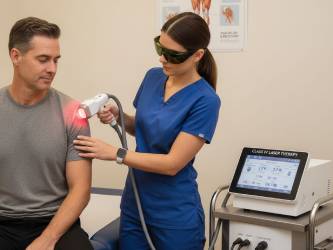
For athletes looking to get back in action quickly and safely, laser therapy is an incredibly powerful tool. This non-invasive treatment uses specific wavelengths of light to stimulate healing deep within your tissues at a cellular level. It helps your body’s natural repair processes work faster and more efficiently, which means less inflammation, reduced pain, and quicker recovery times. Unlike treatments that only mask symptoms, laser therapy helps fix the underlying problem. Incorporating it into your recovery plan can significantly speed up your return to the gym, making it a key part of any modern approach to preventative wellness and injury care.
Could Laser Therapy Help Your CrossFit Injury?
If you’re dealing with a nagging CrossFit injury, you’ve probably wondered if there’s a better way to heal. You want to get back to your WODs without relying on medication or facing a long, drawn-out recovery. This is where laser therapy comes in. It’s a modern, science-backed approach that helps your body heal itself on a cellular level, making it a powerful tool for any athlete’s recovery toolkit.
Laser therapy uses specific wavelengths of light to penetrate your skin and reach injured tissues. This process, known as photobiomodulation, stimulates your cells’ mitochondria, which are like tiny power plants. This cellular boost helps reduce inflammation, ease pain, and speed up tissue repair. Instead of just masking your symptoms, laser therapy addresses the root cause of your pain, helping you build a stronger, more resilient foundation for your return to the gym. It’s a safe, effective, and non-invasive way to support your body’s natural healing process.
Why Athletes Benefit From Drug-Free, Non-Invasive Care
As an athlete, you ask a lot of your body. When an injury strikes, you need a recovery plan that’s as smart and efficient as your training. Drug-free, non-invasive care allows you to heal without the side effects of medication or the long downtime of surgery. Instead of just masking pain, this approach focuses on true healing so you can come back stronger. Research in the Journal of Athletic Training confirms that non-invasive therapies can significantly reduce pain and inflammation, allowing athletes to return to their sport more quickly and safely. This makes it an ideal solution for anyone looking to optimize their performance recovery and stay active for the long haul.
Laser Therapy vs. Traditional Methods
When you’re injured, traditional methods often involve corticosteroid injections or oral medications. While these can offer temporary relief, they don’t fix the underlying problem and can even come with unwanted side effects. Laser therapy offers a different path. It’s a treatment that works with your body to promote healing from within. A review in the American Journal of Physical Medicine & Rehabilitation highlights that laser therapy can enhance tissue repair and shorten recovery time compared to conventional treatments. By stimulating cellular activity, laser therapy helps resolve inflammation and repair damaged tissue, offering a sustainable solution for your pain management without the risks associated with drugs or invasive procedures.
Why Choose Laser Lab Therapy for Your Recovery
At Laser Lab Therapy, we combine advanced technology with a deep understanding of athletic recovery. We know you’re eager to get back to your box, and our specialized approach is designed to make that happen. We use state-of-the-art equipment to deliver targeted light therapy that penetrates deep into injured tissues, providing fast and effective relief. Clinical trials have shown that patients receiving laser therapy report significant improvements in pain and functional mobility. When you choose us, you’re not just getting a treatment; you’re getting a partner in your recovery. We are dedicated to providing personalized, holistic care to help you heal correctly and completely.
What to Expect at Your First Appointment
Walking into a new place for care can feel a little uncertain, so let’s talk about what your first visit with us will look like. Your initial appointment is all about you. It’s our chance to listen, understand what you’re experiencing, and figure out the best way to help you get back to feeling and moving your best. We see this first meeting as the start of a partnership. Our goal is to create a clear, straightforward path to recovery that makes sense for you and your body.
The entire process is designed to be thorough yet simple. We’ll start by getting to know you and your history, then create a plan tailored specifically to your needs, and finally, set achievable goals to keep you motivated along the way. There’s no one-size-fits-all solution here because your injury and your recovery are unique. If you’re ready to get started, you can contact our team to schedule your first visit.
Your Initial Assessment and Movement Screen
Your first appointment begins with a conversation. We want to hear your story: what brought you in, where it hurts, and what you want to get back to doing. After we talk, we’ll guide you through a comprehensive assessment, which includes a detailed movement screen. This isn’t a test; it’s simply a way for us to see how you move. By observing your body in motion, we can identify any imbalances or restrictions that might be contributing to your pain. This step is crucial because it helps us find the root cause of the issue, so we’re not just treating the symptoms. Our expert team uses this information to build a complete picture of your condition.
Creating Your Personalized Recovery Plan
Once we understand how your body is moving and what’s causing your discomfort, we’ll develop your personalized recovery plan. This isn’t a generic handout; it’s a strategy designed just for you, based on your assessment and your specific goals. Your plan will outline the steps we’ll take together to help you heal. It will center around our non-invasive, drug-free laser therapy treatments to manage pain and inflammation effectively. We’ll also incorporate strategies to restore your range of motion and build strength where it’s needed. This plan for pain management gives you a clear roadmap for what to expect in the sessions ahead.
Setting Goals and Tracking Milestones
A good plan needs clear goals. What does a successful recovery look like to you? Maybe it’s getting through a CrossFit WOD without shoulder pain, hitting a new personal record, or simply enjoying a weekend hike without discomfort. Together, we’ll set realistic, meaningful milestones that mark your progress. At each appointment, we’ll check in on these goals, track your improvements in strength and flexibility, and celebrate your wins. This process keeps you motivated and allows us to make sure your plan is working effectively. It ensures your journey toward performance recovery stays on the right track, adapting as you get stronger.
How to Prevent Future CrossFit Injuries
Recovering from an injury is only half the battle. The other half is making sure it doesn’t happen again. Building resilience and preventing future injuries requires a proactive approach to your training and recovery. By integrating a few key habits into your routine, you can stay in the gym and keep hitting your personal records safely. It’s about training smarter, not just harder, to ensure your body can keep up with the demands of CrossFit for years to come.
Master Your Warm-Up and Cool-Down
Skipping your warm-up or cool-down might save you a few minutes, but it could cost you weeks of training time. Proper warm-up and cool-down routines are essential for preparing your body for intense activity and helping it recover afterward. Before a WOD, focus on dynamic movements that mimic the exercises you’re about to perform, like leg swings, arm circles, and inchworms. This increases blood flow and gets your muscles ready for action. After your workout, dedicate time to static stretching and foam rolling to improve flexibility and release muscle tension. A consistent routine is a key part of performance recovery and can make a huge difference in how you feel the next day.
Prioritize Proper Form Over Heavier Lifts
In the competitive atmosphere of a CrossFit box, it’s easy to get caught up in lifting heavier weights. But sacrificing form for a new PR is a fast track to injury. Focusing on proper form during every lift is crucial for safety and long-term progress. If you’re unsure about your technique, ask a coach for feedback or even record yourself to spot issues. Understanding and correcting your movement patterns can help you build a stronger, more stable foundation. This allows you to lift more weight safely over time, reducing your risk of strain and serious injury. Remember, the strongest athletes are often the ones with the best technique.
Listen to Your Body and Progress Smartly
There’s a difference between the discomfort of a tough workout and the sharp signal of pain. Being aware of your body and its signals is vital for injury prevention. Pushing through soreness is one thing, but ignoring pain can turn a minor issue into a chronic problem. Injuries often happen from repetitive movements, so it's important to listen to your body and adjust your training when something feels off. If a certain movement causes pain, don't push through it. Instead, scale the exercise or talk to your coach about alternatives. Smart, gradual progression is more sustainable than going all-out and ending up on the sidelines.
Stay Injury-Free with Preventative Wellness Care
The best way to treat an injury is to prevent it from happening in the first place. Engaging in preventative wellness care can significantly reduce your risk of getting hurt. This means actively taking steps to keep your body in optimal condition, not just reacting when something goes wrong. Regular treatments like light therapy can help manage inflammation, improve circulation, and support tissue health, making your body more resilient to the stress of high-intensity training. By making preventative care a regular part of your routine, you can address potential issues before they become serious, helping you perform at your best and stay injury-free.
Ready to Get Back in the Box?
Sitting on the sidelines is tough, especially when you can hear the timer beeping and weights dropping. If you’re dealing with a CrossFit injury, your main goal is simple: get back to your community and your WODs as quickly and safely as possible. But a smart recovery is more than just waiting for the pain to fade. It’s about taking active steps to heal correctly, rebuild strength, and prevent the same issue from happening again.
A truly effective recovery plan is never one-size-fits-all. It starts with understanding the root cause of your pain, not just treating the symptoms. From there, a specialist can create a personalized roadmap for you. This plan should focus on helping you regain function and build resilience through targeted therapies and exercises that prepare your body for the specific demands of CrossFit, from heavy lifts to high-intensity metabolic conditioning. Your comeback isn't just about being pain-free; it's about returning to your peak performance with confidence.
At Laser Lab Therapy, we specialize in helping athletes do exactly that. We combine advanced, non-invasive treatments with a deep understanding of sports mechanics to address your injury at its source. Our goal is to support your body’s natural healing process, reduce inflammation, and get you back in the box stronger than before. If you’re ready to move past your injury and start working toward your next PR, let’s talk. We can help you with a performance recovery plan that fits your goals and gets you back to the sport you love.
Frequently Asked Questions
Is laser therapy just for serious injuries, or can it help with nagging aches and pains? Laser therapy is effective for a wide range of issues, not just major injuries. While it's excellent for accelerating recovery from acute strains and sprains, it's also incredibly helpful for those persistent, nagging aches that many athletes experience. By reducing chronic inflammation and improving circulation at a cellular level, it can help resolve those stubborn shoulder, knee, or back pains that keep you from performing your best.
What does a laser therapy treatment actually feel like? This is a common question, and the answer is simple: you feel very little. The treatment is completely painless and non-invasive. Most people report feeling a gentle, soothing warmth over the area being treated, but there is no pain, burning, or discomfort. You can just relax while the light therapy does its work to stimulate healing deep within your muscle and joint tissues.
How quickly can I expect to see results for my CrossFit injury? The timeline for recovery varies for each person and depends on the type and severity of your injury. Many patients report feeling a noticeable reduction in pain and inflammation after just a few sessions. However, true tissue repair happens over time. Your personalized plan will outline a series of treatments designed to create lasting results, not just a temporary fix, so you can get back to the gym with confidence.
Can I continue to train while receiving treatment for my injury? This is something we determine during your initial assessment. Our goal is to keep you moving safely, not to sideline you completely. For many injuries, we can modify your activities and scale workouts to avoid stressing the injured area while still allowing you to train. We will work with you to find the right balance so you can support your recovery without losing your fitness.
My coach says my form is good, so why did I still get injured? Excellent form is crucial, but it's not the only factor in injury prevention. Injuries often happen due to overuse, muscle imbalances, or fatigue that causes your technique to break down subtly, even when you think you're moving well. A professional movement screen can help identify these hidden issues that may contribute to strain over time. This is why a personalized assessment is so important for creating a plan that addresses the true source of your pain.
Frequently Asked Questions
Is light therapy safe for athletes?

Yes, light therapy is completely safe and highly beneficial for athletes. It promotes faster muscle recovery, reduces inflammation, and supports performance without the risks of medication or downtime. That’s why professional and amateur athletes worldwide rely on it to train smarter and recover quicker.
How many sessions will I need?
The number of sessions varies depending on the type and severity of your condition. Many patients notice improvement after 3–5 sessions, while chronic conditions may require ongoing care for best results. During your initial consultation, we’ll design a personalized treatment schedule tailored to your body’s response and recovery goals.

Ready to Try Light Therapy for Recovery?