


A Guide to Compression Therapy Session Cost
When you invest in your health, you want to know you’re getting the best value for your money. With a service like compression therapy, the price tag is only part of the story. A lower price might seem appealing, but it’s important to consider what you’re receiving in return. The expertise of the staff, the quality of the equipment, and the overall environment all contribute to your results. The compression therapy session cost often reflects the level of care you can expect. This article will help you look beyond the numbers to understand what truly determines value, so you can make a confident and informed choice for your health.
Key Takeaways
- Pricing reflects multiple factors: The cost of a session is shaped by the clinic's location, the treatment duration, the quality of the equipment, and the team's professional expertise.
- Choose a payment option that fits your routine: You can pay per session for occasional use, but packages and memberships offer better value for consistent care, helping you stay on track with your wellness goals.
- Look for value beyond the price tag: The best choice combines quality care with affordability. Seek out a professional facility with expert staff and ask about new client deals or using your HSA/FSA to make treatments more accessible.
What Does Compression Therapy Cost?
Thinking about trying compression therapy is a great step toward feeling your best. But before you book a session, it’s smart to understand the costs involved. The price of compression therapy can vary quite a bit, so knowing what to expect helps you find the right fit for your wellness goals and your budget. Let’s break down what goes into the pricing so you can make an informed decision.
The Benefits of Compression Therapy
First, let’s touch on why compression therapy is such a popular tool for recovery. In short, it’s all about circulation. The therapy uses controlled pressure to increase blood flow in your limbs, which can help your body heal faster. For athletes, this is a game-changer. It’s a natural way to speed up performance recovery, reduce muscle soreness after a tough workout, and get you back to training sooner. But it’s not just for athletes. If you deal with swelling, tired legs from standing all day, or general muscle aches, compression therapy can offer significant relief by flushing out metabolic waste and reducing inflammation.
A Look at Average Session Pricing
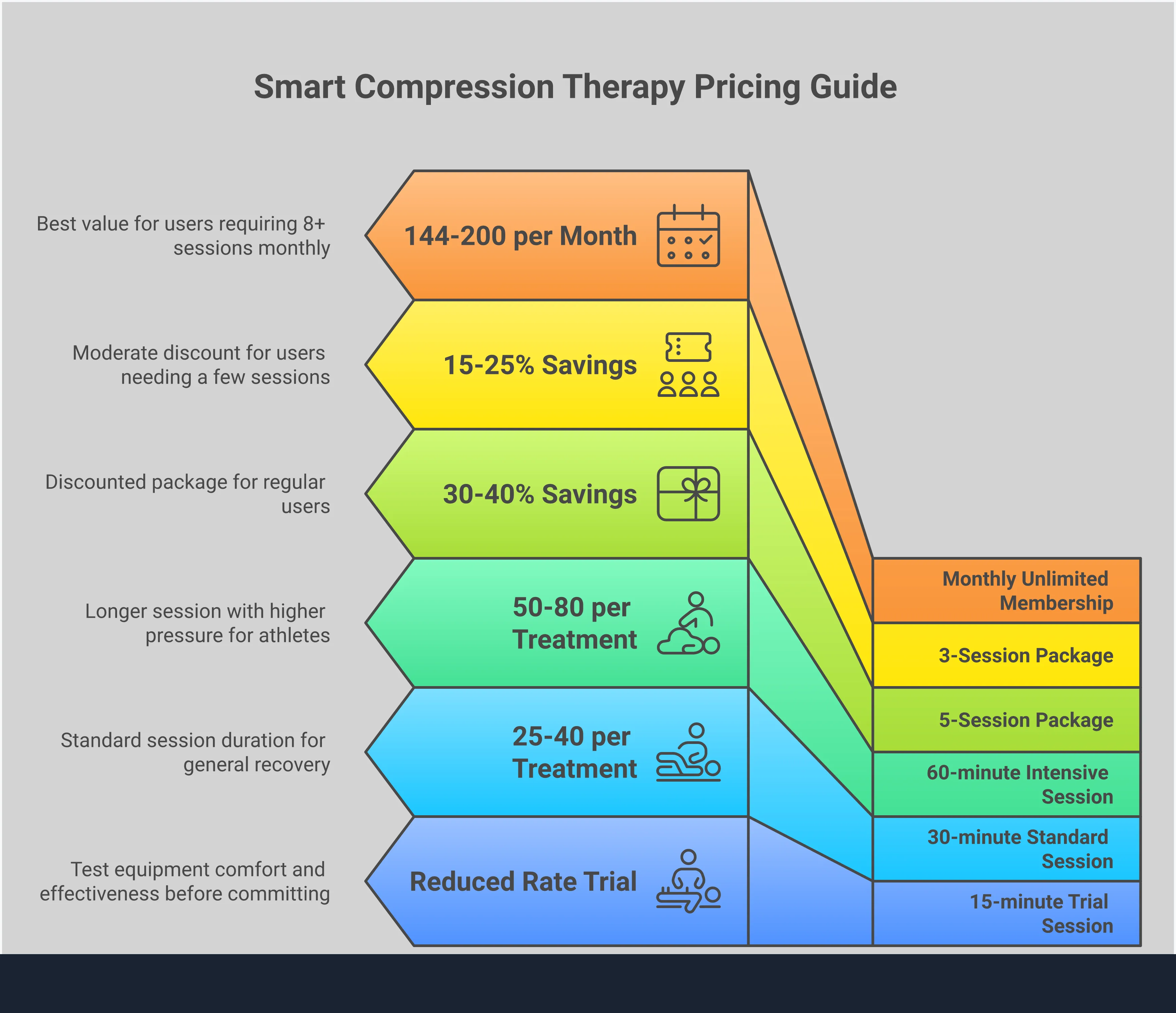
When you start looking at prices, you’ll find that most wellness centers offer single sessions. On average, you can expect a 30-minute compression therapy session to cost somewhere between $25 and $40. This is a great option if you want to try it out or only need it occasionally after a particularly strenuous event. Many places, including our clinic, also offer packages or memberships that bring the per-session cost down. If you plan on making compression therapy a regular part of your routine, these plans almost always provide better value in the long run.
Typical Cost Ranges by Location
Where you live is one of the biggest factors influencing the cost of compression therapy. You’ll likely see higher prices in large urban centers compared to smaller towns. This difference usually comes down to higher overhead costs, like rent and staffing, in major cities. While some sources report sessions in certain markets costing over $80, this often includes other services bundled together. For a standalone compression session, the lower ranges are more typical. The best approach is to research local options. If you’re here in Michigan, feel free to contact us directly for our specific pricing.
What Determines the Price of a Session?
When you start looking into compression therapy, you'll notice that prices can vary. There isn't one standard price tag because the final cost depends on a few key factors. Understanding what goes into the pricing can help you find a provider that fits your budget and your wellness goals. From the clinic’s location to the technology they use, several elements combine to create the price of a single session. Let's walk through what those are.
Your Location
Just like the cost of housing changes from one city to another, so does the price of wellness services. A session in a major metropolitan area will often cost more than one in a smaller town. This difference comes down to simple economics, as providers in larger cities face higher rent and operational costs. These local market conditions directly influence pricing, so when you see a range of prices, remember that geography plays a significant role. It’s a reflection of the local business environment.
Session Length and Intensity
The duration of your compression therapy session is one of the most direct factors affecting its cost. A quick 30-minute session will naturally be priced lower than a full 60-minute session. Beyond just time, the intensity of the treatment matters. A more intensive session might involve higher pressure settings or focus on multiple areas of the body, requiring more of the equipment's resources. This is especially true for athletes or individuals seeking intensive performance recovery, where a longer, more powerful session can make all the difference in bouncing back.
The Facility and Its Equipment
The quality of the clinic and the technology it uses also play a part in pricing. A facility that invests in the latest compression systems offers a different experience than one with older equipment. Advanced technology can provide more precise and comfortable treatments, and that investment is often reflected in the session price. When a provider uses high-quality equipment, it shows a commitment to delivering the best possible results. Learning about a clinic's philosophy and the tools they use can give you confidence that you're making a worthwhile investment in your health.
Provider Expertise
You aren't just paying to use a machine; you're also paying for the knowledge of the professionals guiding your care. A team of trained specialists can assess your needs and customize the therapy for you, which is crucial for safety and effectiveness. This is especially important if you're seeking pain management for a chronic condition. An expert can adjust the pressure and duration to align with your health goals, ensuring you get the most out of every session. Their expertise turns a simple service into a personalized therapeutic experience.
What Are My Payment Options?
Finding a payment plan that fits your lifestyle and budget is just as important as finding the right therapy. Most wellness centers understand this and offer a variety of options, so you can choose what works best for you without any pressure. Whether you want to try a single session or make compression therapy a regular part of your wellness routine, there’s likely a plan that matches your goals. Let's walk through the most common ways you can pay for your sessions.
Paying Per Session
If you're new to compression therapy or just want to use it occasionally, paying per session is a fantastic, no-commitment choice. This approach allows you to experience the benefits firsthand before deciding if you want to incorporate it into your routine more regularly. For example, some studios offer a single 30-minute session for around $39. It’s a straightforward way to get relief when you need it, like after a tough workout or a long week on your feet, without signing up for a package or membership.
Session Packages and Bundles
For those who plan on coming back a few times, buying a package of sessions is often a more cost-effective route. Facilities frequently offer bundles of three, five, or ten sessions at a discounted rate compared to the single-session price. You might also find introductory packages that bundle compression therapy with other services, like an infrared sauna or cryotherapy session, for a reduced price. This is a great way to explore different recovery methods and find what your body responds to best while saving some money.
Monthly Memberships
If you're ready to make compression therapy a consistent part of your health strategy, a monthly membership is usually the most logical and affordable option. These plans are designed for regular use and often include a set number of sessions per month for a flat fee. Some centers offer a basic membership for around $29 a month that includes one session. We believe consistent care is key to long-term wellness, which is why we offer our own memberships to help you stay on track with your health goals.
Unlimited Access Plans
For the dedicated athlete or wellness enthusiast, an unlimited access plan offers the greatest value. These all-inclusive memberships are perfect for individuals who want to use compression therapy and other services multiple times a week. A facility might offer an ultimate plan for around $144 per month that grants unlimited access to all of its recovery tools. While it’s a bigger upfront investment, this option provides the freedom to use the services as often as you need, making it the most economical choice for anyone committed to a comprehensive recovery regimen.
How to Compare Prices and Find the Best Value
Finding the right compression therapy service isn't just about locating the lowest price. It's about discovering the best value for your health and your wallet. True value comes from a combination of effective treatment, a comfortable environment, and expert guidance. To make an informed decision, you need to understand what goes into the pricing, what the industry standards look like, and how to look past the sticker price to see the real benefits. Let's walk through how you can compare your options and choose the best fit for your wellness journey.
Our Approach to Pricing at Laser Lab
At Laser Lab, we believe that feeling your best shouldn't be complicated. We structure our pricing to be as straightforward and accessible as possible. You can choose from single sessions for targeted needs or explore our memberships for consistent, long-term care at a better value. Our goal is to make it easy for you to incorporate services like compression therapy into your routine, whether you're recovering from an injury, managing chronic pain, or simply investing in your preventative wellness. We want to be your partner in health, offering flexible options that fit your lifestyle and support your goals without any hidden fees or confusing packages.
What Is the Industry Standard?
When you start looking around, you'll notice that compression therapy prices can vary quite a bit. Generally, you can expect to pay anywhere from $1 per minute to a flat rate for a 30- or 60-minute session. In some areas, a single session might cost between $80 and $130, but this can change depending on your location, the clinic's overhead, and local demand. Think of these numbers as a general guide, not a strict rule. They help you get a feel for the market, but remember that a higher price can often reflect a higher level of therapist training or more advanced equipment, which we'll cover next.
Looking Beyond the Price Tag
The cheapest option isn't always the best one, especially when it comes to your health. When you're comparing prices, I encourage you to look at the complete picture. What is the facility like? Is it clean and professional? What kind of equipment are they using? Most importantly, who is providing the service? An experienced team that understands the nuances of pain management and recovery can make a world of difference in your results. At Laser Lab, we pride ourselves on our holistic approach and the expertise of our staff. The value you receive comes from the quality of care, the personalized attention, and the peace of mind that you're in good hands.
What Different Price Points Get You
So, what's the difference between a budget-friendly session and a premium one? Different price points often reflect the quality and scope of the service. A lower-cost option might offer a basic compression session in a simple setting. As the price increases, you might find access to state-of-the-art equipment, longer session times, or a more customized experience tailored to your specific needs, like focused performance recovery. The compression therapy market is growing, with new technology and methods emerging all the time. Understanding what each price level offers helps you decide what's most important for your treatment and ensures you're investing wisely in your health.
How to Save on Compression Therapy
Investing in your health with compression therapy is a valuable decision, but that doesn't mean you have to break the bank. Many wellness centers offer ways to make their services more accessible. With a little planning, you can fit regular sessions into your budget and enjoy the benefits for your circulation, recovery, and overall well-being. Here are a few practical strategies to help you save.
New Client Offers and Seasonal Deals
If you're new to compression therapy, your first stop should be looking for introductory offers. Many clinics provide a special rate for your first session to give you a chance to experience the benefits firsthand. Some even credit the cost of your initial visit toward a package or membership if you decide to continue. It’s always worth asking what’s available for new clients. Also, keep an eye out for seasonal deals, especially around the New Year or during local health and wellness events. Following your favorite clinics on social media or signing up for their newsletters is a great way to stay informed about these limited-time promotions.
Referral and Loyalty Programs
Once you find a place you love, your loyalty can pay off. Ask if the clinic has a referral program that rewards you for bringing in friends or family. It’s a win-win: your friends get to discover the benefits of compression therapy, and you get a discount or a free session. While most memberships are designed for individual use, these referral perks are a common way for clinics to thank their dedicated clients. Consistent visits often lead to better results, and loyalty programs make that commitment to your health even more rewarding.
Student and Military Discounts
If you are a student, a member of the military, or a first responder, don't hesitate to ask about special discounts. Many wellness centers are proud to offer reduced pricing for those who are studying or serving the community. For example, it’s common to see student-specific rates that make a 30-minute session much more affordable. These offers aren't always advertised front and center, so it’s a good idea to inquire directly when you book your appointment. A quick phone call or email to contact the clinic can lead to significant savings over time.
Using Your Insurance or HSA/FSA
While compression therapy is often considered a wellness service, it can sometimes be eligible for reimbursement through a Health Savings Account (HSA) or Flexible Spending Account (FSA). This is especially true if a doctor recommends it for a specific medical condition, such as lymphedema, poor circulation, or as part of a pain management plan. We always recommend speaking with a healthcare professional to see if compression therapy is right for you. Afterward, check with your HSA or FSA provider to confirm eligibility and find out what documentation you might need, like a letter of medical necessity.
Frequently Asked Questions
How often should I use compression therapy to get results? The right frequency really depends on your personal goals. If you're an athlete looking for faster recovery, you might benefit from a session after every tough training day. For general wellness or to manage leg swelling, once or twice a week might be sufficient. The best approach is to start with one session to see how your body feels and then work with a professional to build a consistent schedule that supports your health and fits your budget.
Is it worth paying more for a session at a specialized clinic? A higher price often points to higher quality equipment and, more importantly, greater staff expertise. When you visit a dedicated clinic, you're paying for a professional to tailor the session to your specific needs, whether for chronic pain or athletic recovery. This guidance ensures the treatment is both safe and effective. Think of it as investing in a personalized experience rather than just renting time on a machine.
Will my health insurance cover compression therapy? Most standard insurance plans do not cover compression therapy when it's used for general wellness or fitness recovery. However, if a doctor recommends it as a necessary treatment for a medical condition like lymphedema or chronic venous insufficiency, you may be able to use your Health Savings Account (HSA) or Flexible Spending Account (FSA) to pay for it. I always suggest talking to your doctor and then checking with your benefits provider to clarify your coverage.
What’s the real advantage of a membership over paying per session? Paying per session is perfect if you want to try the therapy or only need it sporadically. A membership, on the other hand, is designed for consistency and provides the best long-term value. It lowers the cost of each individual session and makes it easier to integrate compression therapy into your regular routine. Lasting results often come from consistent care, and a membership makes that commitment more affordable.
How can I know if compression therapy is right for me before I commit? The easiest way to find out is to book a single, introductory session. This gives you a low-pressure opportunity to experience the therapy and see how your body responds. Many clinics, including ours, offer single sessions so you can feel the benefits firsthand. You can also schedule a consultation to discuss your wellness goals with a professional who can help you determine if it's the right fit for your needs.
Frequently Asked Questions
Is light therapy safe for athletes?

Yes, light therapy is completely safe and highly beneficial for athletes. It promotes faster muscle recovery, reduces inflammation, and supports performance without the risks of medication or downtime. That’s why professional and amateur athletes worldwide rely on it to train smarter and recover quicker.
How many sessions will I need?
The number of sessions varies depending on the type and severity of your condition. Many patients notice improvement after 3–5 sessions, while chronic conditions may require ongoing care for best results. During your initial consultation, we’ll design a personalized treatment schedule tailored to your body’s response and recovery goals.

Ready to Try Light Therapy for Recovery?