


How to Use Compression Therapy for Pickleball Leg Injuries
Playing pickleball for the long haul isn't just about having a great third-shot drop; it's about building smart, sustainable wellness habits. Taking care of your body with proactive recovery methods is the key to staying active and pain-free for years to come. Compression therapy is a powerful, non-invasive tool that fits perfectly into a holistic health plan. It provides a natural way to manage discomfort and support your body’s healing processes, making compression therapy for pickleball leg injuries an essential practice for any dedicated player. This simple technique helps you invest in your body’s long-term health and athletic future.
Key Takeaways
- Improve circulation to recover faster: Compression works by improving blood flow, which helps clear out the metabolic waste that causes soreness and delivers more oxygen to your muscles so they can repair themselves efficiently.
- Make it part of your game-day routine: Wear compression gear like socks or sleeves during matches to support your muscles and reduce fatigue. After you play, keep it on to minimize soreness and swelling, which helps shorten your recovery time.
- Find the right fit and listen to your body: Your gear should feel snug but not painful, so always follow the manufacturer's sizing guide. While compression is great for muscle fatigue, it is not a fix for everything; see a professional for sharp pain or an injury that doesn't improve with rest.
How Does Compression Therapy Help Pickleball Leg Injuries?
If you’ve felt that familiar ache in your calves or a twinge in your shins after a few intense pickleball matches, you know how frustrating leg pain can be. It can sideline you from the court and make everyday movements uncomfortable. While rest is essential, compression therapy is a simple tool to help you manage these issues and get back to playing sooner. It works by applying gentle, consistent pressure to your muscles to support your body’s natural healing process. Think of it as a therapeutic hug for your legs, helping them recover so you can stay active.
The Science of the Squeeze
So, what happens when you pull on compression socks or sleeves? The concept is simple: these garments apply controlled pressure to your limbs. This pressure isn't random; it's designed to support your veins and muscles. The main goal is to improve circulation and reduce swelling, two key factors in healing. While you can use simple gear like socks and wraps, advanced options like pneumatic compression boots offer a more intensive treatment. This gentle squeeze is how compression therapy helps your body recover more efficiently after physical activity.
Improving Blood Flow for Faster Recovery
When you play a fast-paced game like pickleball, your muscles work hard and produce metabolic waste like lactic acid, which causes post-game soreness. Compression helps by gently squeezing the veins in your legs, making it easier for blood to flow back toward your heart. This improved circulation acts like a cleanup crew, flushing out that waste more quickly. As a result, you’ll likely experience less muscle stiffness and soreness. This process is a core part of effective performance recovery, allowing your muscles to repair themselves faster so you feel ready for your next game.
Common Pickleball Injuries That Compression Can Help
Pickleball involves many quick stops, starts, and lateral movements, which can lead to specific leg injuries. Compression can be a game-changer for issues like calf strains, shin splints, and general muscle fatigue. The support from compression garments helps reduce muscle vibration during play, which can decrease fatigue and prevent overuse injuries. Wearing them after a match is just as beneficial. By reducing muscle soreness and swelling, compression helps you manage discomfort from minor strains and aches. It’s a proactive way to support your body and address common sports-related pain management needs.
Key Benefits of Compression for Pickleball Players
Pickleball is all about quick, explosive movements, which can be tough on your legs. Whether you're a casual player or a seasoned pro, incorporating compression therapy into your routine can make a huge difference. It’s a simple, non-invasive way to support your body, helping you recover faster and play stronger. Here’s how that gentle squeeze provides some major benefits.
Reduce Swelling and Inflammation
After a few intense games, it’s common to feel some puffiness or swelling in your legs and feet. This is your body's natural inflammatory response. Compression gear applies steady pressure to the area, which helps limit swelling and can ease discomfort. By gently squeezing the tissue, compression helps prevent excess fluid from building up. This is a key step in managing the after-effects of a tough match and is a cornerstone of effective pain management. Less inflammation means you can get back on your feet and feel more comfortable sooner, ready for your next game.
Speed Up Muscle Recovery and Ease Soreness
We’ve all felt it: the muscle soreness that sets in a day or two after a good workout. This is known as delayed onset muscle soreness, or DOMS. Compression can help you bounce back more quickly. Wearing compression garments after you play helps reduce muscle fatigue and soreness by improving the removal of metabolic waste from your muscles. This means you feel less achy and your muscles can repair themselves more efficiently. Think of it as giving your body a helping hand with its natural healing process, making it a vital tool for any athlete's performance recovery toolkit.
Improve Circulation for Quicker Healing
One of the biggest jobs compression has is to improve your circulation. The pressure from socks or sleeves helps your veins move blood more efficiently back toward your heart. This enhanced blood flow is fantastic for recovery. Why? Because your blood carries oxygen and essential nutrients that your muscles need to repair and rebuild after being pushed to their limits on the court. Better circulation means these healing components get where they need to go faster. This simple mechanical boost supports your body's overall health and contributes to your long-term preventative wellness strategy.
Prevent Injuries and Support Your Performance
Compression isn’t just for after the game; it’s also a powerful tool for prevention. When you’re playing, your muscles vibrate with every quick stop, start, and pivot. Over time, this can lead to muscle fatigue and potential injury. Compression garments provide support by holding your muscles firmly in place, which reduces this vibration, or muscle oscillation. This support can help you feel more stable and powerful during play. By being proactive about muscle support, you’re not just playing better in the moment, you’re also taking a key step to prevent future injuries, which aligns with a holistic approach to health.
Finding the Best Compression Gear for You
With so many options out there, finding the right compression gear can feel a little overwhelming. But it doesn't have to be. The key is to match the gear to your specific needs. Are you looking for something to wear during a match to keep your legs feeling fresh? Or do you need a powerful tool to help you recover after a tough tournament? Different types of compression gear offer different benefits, from everyday support to intensive, post-game recovery. Let's walk through the most common options so you can find the perfect fit for your pickleball routine.
Compression Socks: For Daily Wear and On the Court
Think of compression socks as your go-to for all-around support. These are perfect for wearing during a long match, as they apply gentle, graduated pressure to your lower legs. This helps improve circulation, which can reduce muscle fatigue and keep you feeling more energetic on the court. Many players also find that wearing them after a game helps minimize that next-day soreness. Because they are so easy to use and comfortable for long periods, they are a fantastic entry point into the world of compression therapy.
Compression Sleeves: For Targeted Muscle Support
If you have a specific area that needs a little extra attention, like your calves or knees, a compression sleeve is an excellent choice. Unlike socks, sleeves provide focused pressure right where you need it most. This targeted compression helps increase blood flow to the muscle, which can reduce swelling and provide light support to your joints. Some players feel this gives them better endurance during play and leads to less soreness in that specific muscle group afterward. They’re a great way to manage minor aches without wearing a full compression garment.
Pneumatic Compression Boots: For Intensive Recovery
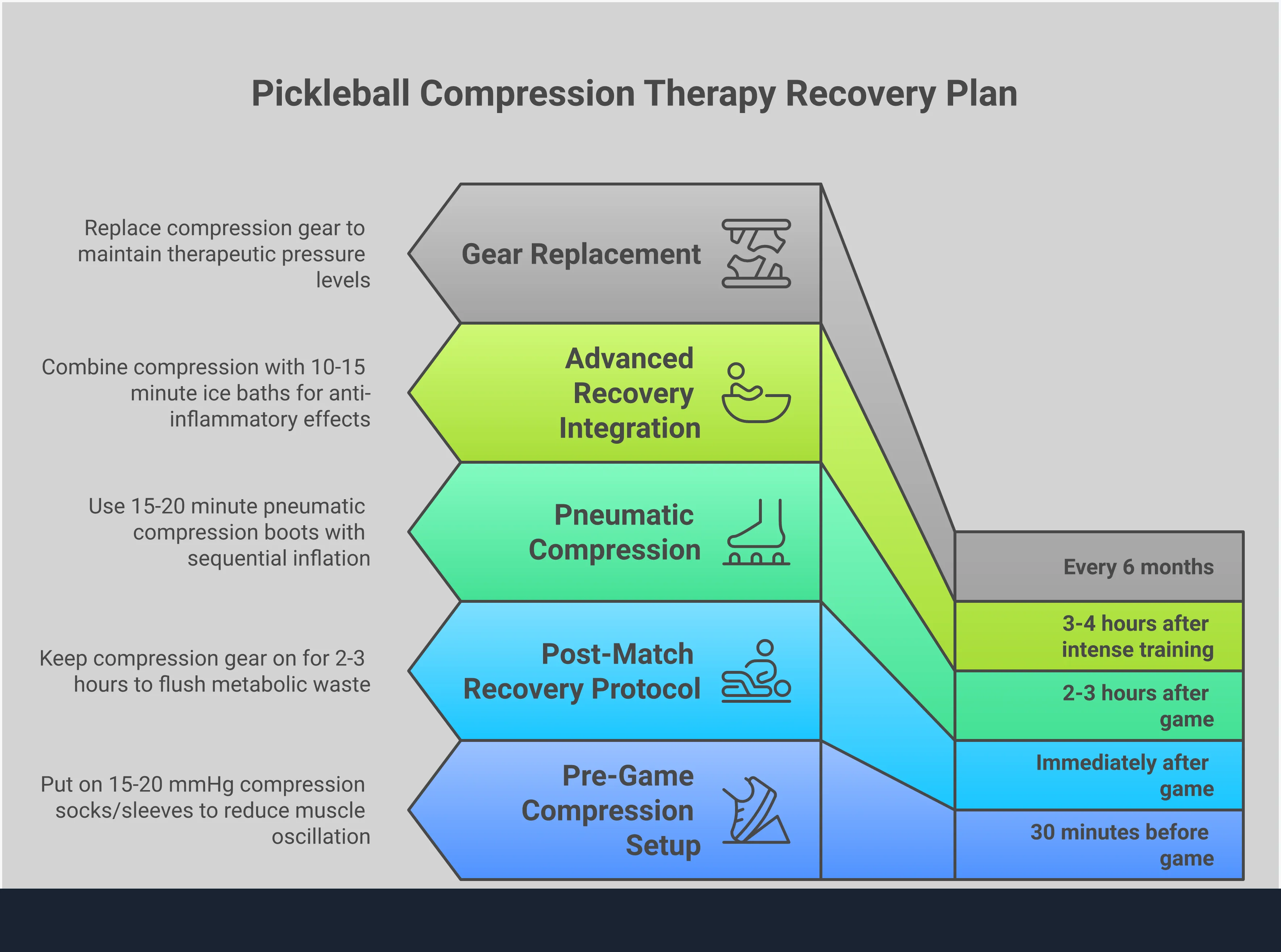
When you’re serious about recovery, pneumatic compression boots are a game-changer. These are not your everyday compression wear; they are a powerful tool for after your workout. The boots inflate and deflate with air, creating a dynamic massage that moves up your legs. This process helps flush out metabolic waste that builds up during intense exercise and increases blood flow to your muscles. The result is less muscle soreness and a body that can repair itself more efficiently, getting you ready for your next game faster. This type of advanced tool is a key part of a comprehensive performance recovery plan.
Choose the Right Compression Level and Fit
To get any real benefit from compression wear, the fit has to be just right. Gear that’s too loose won’t provide enough pressure to be effective, while gear that’s too tight can actually hinder your circulation. When you shop, you’ll see compression levels measured in mmHg (millimeters of mercury). For general athletic use, a level between 15-20 mmHg is a great starting point. Most importantly, always follow the manufacturer’s sizing guide. Take your measurements carefully to ensure you get a snug, supportive fit that feels like a firm hug, not a painful squeeze.
What to Look For in Quality Compression Gear
Not all compression gear is created equal. When you’re investing in a piece to support your performance and recovery, look for high-quality materials that are both breathable and moisture-wicking to keep you comfortable on the court. Good gear should also offer excellent flexibility. The best garments provide support while allowing for a full range of motion, stretching with you as you lunge for a shot. A seamless design is another plus, as it helps prevent uncomfortable chafing during long matches. Choosing quality gear ensures you get effective support that lasts.
How to Add Compression to Your Pickleball Routine
Knowing the benefits of compression is one thing, but fitting it into your life is what really makes a difference. The key is to make it a habit, just like your warm-up or post-game stretch. Think of compression not as a chore, but as a simple, effective tool you can use before, during, and after you play to keep your body feeling its best. By creating a consistent routine, you give your muscles the support they need to perform well and recover quickly, so you can spend more time on the court and less time dealing with aches and pains. Here’s how you can easily add compression to your pickleball schedule.
Before the Game: Prep and Prevent
Think of compression as part of your warm-up. Slipping on a compression sleeve or socks before you even step on the court can help you be more proactive about injury prevention. This gear provides muscle support and reduces muscle oscillation, which is just a technical way of saying it keeps your muscles stable and cuts down on the vibrations that cause fatigue. When your muscles are less tired, you’re less likely to make a wrong move that could lead to a strain or sprain. Adding compression to your pre-game ritual is a simple step toward better preventative wellness and can help you feel more secure and ready for a competitive match.
After the Game: Your Recovery Plan
After a tough match, your legs can feel tired, heavy, and sore. This is where compression becomes your best friend. Wearing compression garments after you play helps speed up the recovery process by reducing muscle soreness and fatigue. It works by applying gentle pressure that encourages blood flow, helping to flush out the metabolic waste that builds up during exercise. Think of it as giving your body a helping hand to repair itself. Making compression a non-negotiable part of your post-game cooldown is a simple but powerful way to support your performance recovery and ensure you’re ready for your next game sooner.
Pairing Compression with Other Recovery Methods
Compression works great on its own, but it’s even more effective when paired with other recovery strategies. For an intensive recovery session, you might use pneumatic compression boots, which use dynamic air compression to push metabolic waste out and bring fresh, oxygenated blood in. You can also combine daily compression wear with treatments like light therapy. This combination approach helps address inflammation and healing from multiple angles. Creating a holistic recovery plan that includes both at-home compression and professional pain management services can significantly shorten your downtime and keep you playing at your peak.
Using Compression in Any Season
A common concern is whether you can comfortably wear compression gear when it’s hot and humid. The good news is that modern compression garments are designed for athletes. Look for high-quality materials that are breathable and moisture-wicking to keep you cool and dry during summer matches. Many brands offer lightweight options specifically for warm weather. In the colder months, compression gear can be easily layered under your regular athletic clothes for added warmth and support. The best gear offers a 360-degree stretch, so you never have to worry about it restricting your movement on the court, no matter the season.
Build a Consistent Long-Term Routine
The real magic of compression happens when you use it consistently. Wearing it sporadically might provide some temporary relief, but incorporating it into your regular pickleball routine is what leads to lasting benefits. Make it a habit to wear compression during and after every game. This simple but effective practice is an invaluable addition to any player’s toolkit, helping to reduce your risk of injury and keep your body ready for the next match. A consistent routine is your best strategy for long-term health on and off the court. If you have questions about building the right routine, don't hesitate to contact us for guidance.
Is Compression Therapy Right for You?
Compression gear is a fantastic tool for many pickleball players, but it’s not a magic fix for every ache and pain. The key is knowing when to use it and, just as importantly, when to seek a professional opinion. Think of it as one part of your overall wellness strategy. Using compression correctly can make a huge difference in your recovery and performance, but it works best when you’re also listening to your body’s signals. Getting the timing and fit right is crucial for seeing real benefits. Let’s walk through how to determine if compression is the right move for your pickleball recovery and when you might need a different approach.
When to Talk to a Doctor First
While it’s tempting to self-diagnose and treat minor soreness, some injuries need a professional eye. If you experience a sudden, sharp pain during a match, have trouble putting weight on your leg, or notice significant swelling right away, it’s time to pause. As a general rule, if you have a serious injury or just need solid advice, you should always talk to a doctor or physical therapist first. They can properly diagnose the issue, whether it’s a sprain, a strain, or something else entirely. This step ensures you’re treating the root cause of the problem instead of just masking the symptoms with a compression sleeve.
How to Wear It Correctly and for How Long
To get the most out of your compression gear, timing is everything. Compression garments worn after exercise can help speed up the performance recovery process by reducing muscle soreness and fatigue. A great routine is to use your compression socks or sleeves for about 20 to 30 minutes after a tough match. You can also wear them before bed to help your muscles repair overnight or even on long car rides to and from a tournament to keep circulation moving. Make sure the fit is snug but not painfully tight; it should feel like a firm hug, not a vise grip. Consistency is what really makes a difference here.
Signs Your Injury Needs More Than Compression
Pay close attention to how your body responds. If your pain and swelling don't get better within 24 to 48 hours of rest and compression, it’s a clear sign you should see a specialist. Other red flags include numbness, tingling, skin that looks pale or blue, or pain that actually gets worse with compression. These symptoms suggest the injury might be more complex than simple muscle fatigue. Compression is meant to help with circulation and mild swelling, but it can’t fix a tear or a more serious underlying issue. Don’t hesitate to seek professional pain management if your body is telling you something is wrong.
Work with a Healthcare Provider for the Best Results
The best way to stay in the game for the long haul is to adopt a holistic approach to your health. Taking care of your body through proper hydration, stretching, rest days, and strength training is crucial for enjoying pickleball for years to come. A healthcare provider can help you build a comprehensive wellness plan that fits your specific needs and goals. They can recommend a combination of therapies, from compression and at-home exercises to advanced treatments like light therapy, to keep you moving well. If you’re ready to create a personalized plan, contact a professional who can guide you.
Frequently Asked Questions
When is the best time to wear compression gear for pickleball? Think of it in two ways: for support during the game and for recovery after. Wearing socks or sleeves while you play can help reduce muscle fatigue and keep your legs feeling more stable. For recovery, the most effective time is right after you finish playing. Putting on your compression gear for a few hours post-match helps manage swelling and soreness, so you feel better the next day.
Are the big pneumatic compression boots necessary, or are socks enough? For most players, high-quality compression socks or sleeves are perfect for managing everyday muscle soreness and fatigue. They are a fantastic tool for consistent recovery. The pneumatic boots are a more advanced option, providing an intensive massage that’s ideal for serious competitors or anyone looking to maximize their recovery after a tough tournament or a particularly demanding match.
How do I know if my compression gear is the right fit? The right fit should feel like a snug, supportive hug for your muscles, not a painful squeeze. It should be tight enough to stay in place without sliding down, but it shouldn't leave deep indentations or cause any numbness or tingling. Always use the manufacturer's sizing chart and take your own measurements to find the best fit for your body.
Can I wear my compression socks or sleeves all day long? While some lighter compression socks are designed for all-day wear, it’s not always necessary for athletic recovery. For post-pickleball recovery, you get the most benefit from wearing your gear for a few hours immediately after you play. If you wear it for too long, your body can get used to it, and it may become less effective when you really need it.
Will compression therapy heal a serious injury like a torn muscle? No, compression is a tool for managing muscle soreness, fatigue, and minor swelling, not for healing a significant injury. It supports your body's recovery from hard work. If you experience sharp, sudden pain or have an injury that doesn't improve with rest, it is very important to see a doctor for a proper diagnosis and treatment plan.
Frequently Asked Questions
Is light therapy safe for athletes?

Yes, light therapy is completely safe and highly beneficial for athletes. It promotes faster muscle recovery, reduces inflammation, and supports performance without the risks of medication or downtime. That’s why professional and amateur athletes worldwide rely on it to train smarter and recover quicker.
How many sessions will I need?
The number of sessions varies depending on the type and severity of your condition. Many patients notice improvement after 3–5 sessions, while chronic conditions may require ongoing care for best results. During your initial consultation, we’ll design a personalized treatment schedule tailored to your body’s response and recovery goals.

Ready to Try Light Therapy for Recovery?