


Your Guide to Compression Therapy for Legs in Conway
For athletes and active individuals, recovery is just as important as the workout itself. Pushing your body to its limits is rewarding, but the resulting muscle soreness and fatigue can slow you down. Compression therapy is a powerful tool that can significantly shorten your recovery time. By applying dynamic pressure, this treatment helps flush out metabolic waste from your muscles while increasing the flow of oxygen-rich blood. This process reduces soreness and helps your muscles repair more efficiently. If you’re looking for a competitive edge or simply want to feel better faster, incorporating compression therapy for legs in Conway into your routine is a game-changer for performance.
Key Takeaways
- It improves your body's natural fluid flow: Compression therapy uses rhythmic pressure to support your circulatory and lymphatic systems, helping to reduce swelling, flush out metabolic waste, and ease that heavy, tired feeling in your legs.
- It provides versatile, drug-free relief: This treatment is a powerful tool for speeding up muscle recovery for athletes, managing chronic aches for those with active jobs, and offering a moment of deep relaxation to lower stress.
- The process is simple, safe, and personalized: A typical session is a comfortable and relaxing experience. For the best results, work with a provider who can tailor the treatment frequency and pressure to your specific health goals, ensuring it's both effective and safe for you.
What Is Compression Therapy for Legs?
If you’ve ever dealt with sore, heavy, or swollen legs, you know how much it can impact your day. Compression therapy is a straightforward and relaxing treatment designed to help. Imagine slipping your legs into special sleeves that inflate and deflate with air, creating a gentle, rhythmic pressure. This process feels like a deep, soothing massage that works from your feet up toward your core.
It’s a natural, non-invasive way to support your body’s own healing systems. Whether you’re an athlete looking to recover faster, someone who spends all day on their feet, or you're simply seeking relief from aches and pains, this therapy can make a real difference. It works by giving your body’s circulation a helping hand, which is a cornerstone of overall health and preventative wellness. Think of it as a reset button for your legs, helping them feel lighter, refreshed, and ready for whatever’s next.
How Does It Actually Work?
The science behind compression therapy is pretty simple. The sleeves apply controlled pressure to your limbs, gently squeezing and releasing in a way that mimics your body’s natural muscle pump. This action encourages the movement of fluids, specifically your blood and lymphatic fluid. Your circulatory system brings oxygen-rich blood to your muscles, while your lymphatic system is responsible for clearing out metabolic waste and toxins. By improving the flow of both, compression therapy helps your body perform these vital functions more efficiently. It’s a passive workout for your circulatory and lymphatic systems, helping you heal faster and feel better from the inside out.
Key Benefits for Recovery and Pain Relief
So, what can you actually expect to feel after a session? The benefits are both immediate and long-lasting, making it a go-to therapy for many different needs.
- Faster Muscle Recovery: For athletes or anyone who’s active, compression therapy helps flush out the lactic acid and metabolic waste that cause muscle soreness. This means less downtime and a quicker return to your activities. It’s an essential tool for performance recovery.
- Natural Pain Relief: The gentle massage action can significantly reduce muscle aches, tension, and stiffness. If you struggle with chronic aches or that heavy, tired-leg feeling, this therapy offers effective, drug-free pain management.
- Reduced Swelling and Inflammation: By improving fluid dynamics, compression therapy is excellent for reducing mild swelling (edema) in the legs, ankles, and feet caused by exercise, travel, or standing for long periods.
- Deep Relaxation: Don’t underestimate the power of relaxation in the healing process. The rhythmic pressure is incredibly calming, helping to lower stress and leave you feeling refreshed and centered.
Busting Common Compression Therapy Myths
It’s normal to have questions about any new treatment, so let’s clear up a few common concerns. The biggest worry people have is about side effects. The truth is, serious issues from compression therapy are very rare, especially when the treatment is administered correctly. The most common complaint is minor skin irritation, like itching or dryness, which can typically be managed with a good moisturizer.
An international consensus statement from medical experts confirms that when used properly, compression therapy is a very safe treatment. At a professional facility, your provider will ensure the pressure levels are right for you and that you don't have any conditions that would make the therapy unsuitable. It’s all about getting a personalized treatment that helps your body without causing harm, giving you peace of mind as you relax and recover.
What Can Compression Therapy Do for Your Leg Health?
If you're dealing with tired, achy, or swollen legs, compression therapy might be the gentle, effective solution you've been looking for. This treatment is more than just a way to relax; it’s a powerful tool for improving your body's natural functions. By using controlled pressure, compression therapy can help with everything from post-workout soreness to chronic swelling. It’s a non-invasive way to support your body’s circulatory and lymphatic systems, helping you feel lighter, recover faster, and move with greater ease. Let's walk through exactly what this therapy can do for your leg health.
Improve Circulation and Reduce Swelling
At its core, compression therapy is all about improving flow. The treatment uses special sleeves that inflate and deflate with air, creating a gentle, rhythmic squeezing motion on your legs. This process mimics your body's natural muscle pump, encouraging better blood flow and lymphatic drainage. When fluid builds up in your tissues, it can cause uncomfortable swelling, also known as edema. Compression helps your body move this excess fluid along, which can significantly reduce swelling and the heavy feeling that comes with it. It’s a simple yet effective way to support your body’s circulatory system, which is fundamental to your overall preventative wellness.
Speed Up Muscle Recovery
For anyone who loves to stay active, muscle soreness is a familiar feeling. Compression therapy can be a game-changer for your recovery routine. After a tough workout, metabolic waste can build up in your muscles, contributing to that next-day ache. The pressure from compression therapy helps flush out this waste while bringing in fresh, oxygen-rich blood to your muscle tissues. This exchange helps your muscles repair themselves more efficiently, so you can get back to your activities with less downtime. While studies show it helps with soreness and strength recovery, it’s a key part of a complete performance recovery plan that helps you feel better, faster.
Find Natural, Drug-Free Pain Relief
If you're looking for ways to manage discomfort without relying on medication, compression therapy offers a compelling alternative. The gentle, massaging pressure can help ease muscle aches, soothe tension, and reduce the inflammation that often causes pain. Many people describe the sensation as making their legs feel lighter and more refreshed. By addressing the root causes of discomfort, like poor circulation and swelling, this therapy provides effective relief. It’s a cornerstone of a holistic pain management strategy, giving your body the support it needs to heal and feel its best naturally.
Support Your Body's Post-Surgery Healing
Healing after surgery requires giving your body the right conditions to recover, and managing swelling is a huge part of that. Compression therapy is often used in medical settings to help with post-surgical recovery, particularly for conditions like lymphedema, where the lymphatic system is compromised and fluid builds up. The therapy supports your body’s natural drainage process, helping to reduce swelling and improve comfort during the healing phase. When integrated into a comprehensive recovery plan, it can make a significant difference in your comfort and the overall speed of your healing journey.
Your First Session: What to Expect
Trying a new therapy for the first time can bring up a few questions, and that’s completely normal. You might be wondering what the session will be like, how it will feel, and what to do afterward. I want to walk you through exactly what happens during a compression therapy session at Laser Lab Therapy, so you can walk in feeling confident and ready to relax. Our goal is to make your experience as comfortable and effective as possible.
Think of this as your dedicated time to unwind while doing something great for your body. We’ll handle all the details, so all you have to do is sit back and let the therapy work its magic. From the moment you arrive, our team is here to guide you and answer any questions you might have. We’ll cover the step-by-step process, what the compression itself feels like, and how often you might want to come in to achieve your wellness goals. If you have any specific concerns before your visit, please don't hesitate to contact us. We're always happy to chat.
The Step-by-Step Process
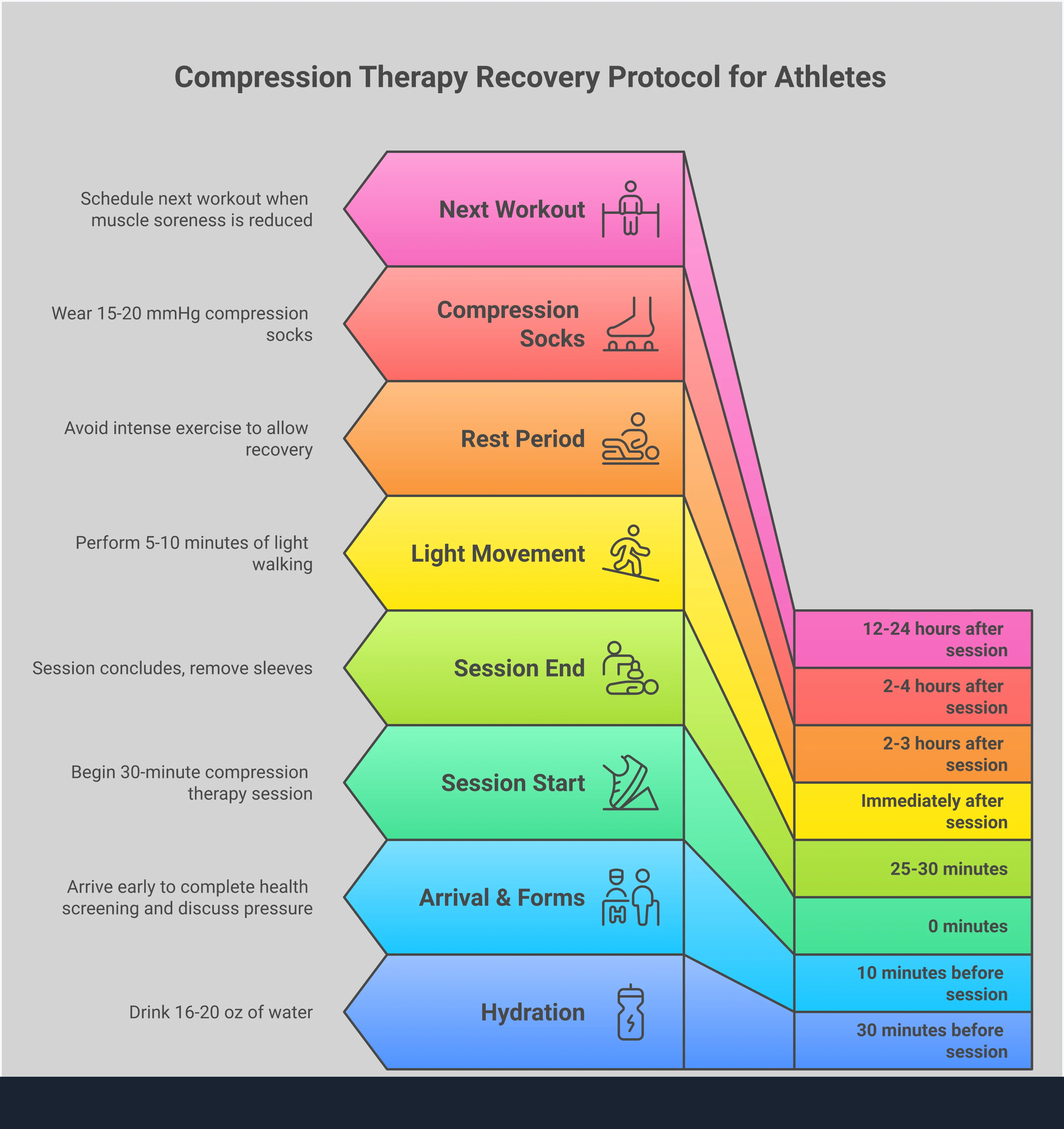
Your compression therapy session is designed to be simple and soothing. When you arrive, we’ll get you settled into a comfortable chair. You’ll then slide your legs into special sleeves. Don’t worry, we’ll be there to help you get them situated perfectly. Once you’re ready, the therapy begins.
The sleeves use air pressure to gently squeeze and release your legs in a rhythmic pattern, starting from your feet and moving upward toward your hips. This process helps move fluid and improve circulation. A typical session lasts about 30 minutes, giving you plenty of time to close your eyes, listen to a podcast, or simply enjoy a moment of peace. It’s an excellent addition to any performance recovery routine.
What Does It Feel Like?
If you’re imagining an uncomfortably tight squeeze, think again. Most people find compression therapy incredibly relaxing. The sensation is often described as a gentle, gradual massage that moves up your legs. The pressure is firm but soothing, working to release tension and reduce that heavy feeling you might get after a long day or an intense workout.
Many of our clients say it feels amazing and refreshing. The rhythmic pulsing of the sleeves creates a calming effect that can help you unwind both mentally and physically. It’s a fantastic, drug-free option for pain management that feels more like a spa treatment than a therapy session. You’ll likely leave feeling lighter, more refreshed, and ready to take on your day.
How Often Should You Get Treatment for Best Results?
The ideal frequency for compression therapy really depends on your personal goals. Are you an athlete looking to recover after every training session? Or are you seeking relief from chronic swelling or leg fatigue? Some people benefit from coming in several times a week, while others find a weekly session is perfect for maintenance and preventative wellness.
You can safely use compression therapy as often as you like, even daily. For the best results, consistency is key. During your first visit, we can talk about your specific needs and help you create a schedule that works for you. For those who plan to make compression therapy a regular part of their routine, our memberships offer a great way to stay consistent and save.
Finding the Right Compression Therapy Provider
Choosing where to go for any kind of health treatment is a big decision. You want to feel confident that you're in good hands with a team that truly understands your goals. When it comes to compression therapy, finding the right provider makes all the difference in your experience and your results. It’s about more than just the equipment; it’s about the expertise and care behind the treatment.
Our Comprehensive Approach at Laser Lab Therapy
At Laser Lab Therapy, we see compression therapy as a key part of a holistic plan for your health. Our approach is designed to support your body’s natural healing processes. We use specialized sleeves that apply gentle, dynamic pressure to your limbs. This process is incredibly effective for promoting faster performance recovery, relieving pain, and improving blood flow. By encouraging lymphatic drainage, this therapy also helps reduce swelling and leaves you feeling relaxed and refreshed. It’s a cornerstone of our commitment to helping you feel and move better, naturally.
What to Look for in a Quality Provider
When you're searching for a compression therapy provider, a few key things signal you’re in good hands. First, they should always start with a thorough assessment of your health. This is essential to make sure the treatment is right for you and to identify any risks. The effectiveness of the therapy also depends on the correct fit, so a great provider will take the time to get it just right. They should also discuss skin care to prevent irritation. Finally, look for a provider who offers a comprehensive plan, often combining compression with other treatments to help you get the best possible results for your overall wellness.
Understanding the Cost of Compression Therapy
Investing in your health is one of the best decisions you can make, and it’s natural to wonder about the cost. The price of compression therapy can vary depending on the provider, location, and the length of your sessions. The good news is that many clinics offer flexible options to make consistent care accessible and affordable. By understanding the different pricing structures available, you can find a plan that fits your budget and helps you achieve your wellness goals without financial stress. Let's walk through the common ways you can pay for treatment so you know exactly what to look for.
Exploring Pricing and Membership Options
Most providers offer single sessions, which are perfect if you want to try compression therapy for the first time or need it for a one-off issue. You can also find clinics that offer monthly memberships, which can be a fantastic value if you plan on making compression therapy a regular part of your routine. For example, a single session might cost around $40, while a monthly membership could give you access to multiple sessions for a flat fee. At Laser Lab Therapy, we offer memberships designed to make ongoing wellness simple and cost-effective, allowing you to get the consistent care your body needs.
Will Insurance Cover Your Sessions?
This is a common and important question. Whether your insurance plan covers compression therapy depends entirely on your specific provider and policy. Some plans may cover a portion of the cost, especially if the therapy is deemed medically necessary for a condition like lymphedema or venous insufficiency. The best first step is to call your insurance company directly and ask about your coverage for "pneumatic compression therapy." Be prepared to provide them with details from your healthcare provider. While coverage isn't always guaranteed, it’s definitely worth a phone call to see if you can get some cost assistance.
Finding Value with Treatment Packages
If you know you’ll need a series of treatments to address chronic pain or support your athletic goals, look for treatment packages. Many wellness providers offer the option to buy a bundle of sessions at a discounted rate. This brings down the per-session cost and makes it easier to commit to a full treatment plan. For anyone managing a long-term condition or focusing on consistent performance recovery, these packages are often the most economical choice. It’s a great way to invest in your long-term health while saving money along the way.
Is Compression Therapy the Right Fit for You?
So, you’ve learned what compression therapy is and what it can do, but the big question remains: is it right for you? While many people can benefit from this treatment, it’s especially effective for certain lifestyles and health goals. Think of it as a powerful tool for anyone looking to support their body’s natural recovery processes. Whether you’re an athlete pushing your limits, someone who spends hours on your feet, or you're simply seeking a natural way to feel your best, compression therapy could be a great addition to your wellness routine. Let's walk through who benefits most and what you should keep in mind before getting started.
Who Benefits Most from This Therapy?
Compression therapy is fantastic for a wide range of people. If you’re an athlete or lead an active lifestyle, it’s an incredible tool for performance recovery. The therapy uses special sleeves that apply gentle, rhythmic pressure to your limbs, helping to flush out metabolic waste and reduce muscle soreness faster. It’s also a game-changer for anyone whose job requires long hours of standing or sitting, like nurses, teachers, or office workers, as it helps fight that heavy, tired feeling in your legs. Even if you’re just looking for a way to support your body’s circulation and overall health, a regular session can leave you feeling refreshed and revitalized.
Conditions That See Great Results
Beyond general wellness, compression therapy provides targeted support for several specific conditions. It’s a well-regarded, non-invasive treatment for issues related to poor circulation, such as venous and lymphatic diseases. If you struggle with swelling, varicose veins, or lymphedema, the gentle squeezing motion can help move stagnant fluid and provide significant relief. It can also be an effective tool for pain management. For instance, studies show that compression can help reduce the pain and swelling associated with certain types of blood clots, which is a shift from older beliefs. By improving blood flow, it helps your body heal more efficiently from the inside out.
Important Safety Considerations
Your safety and comfort are always the top priority. The good news is that serious issues from compression therapy are very rare, especially when it’s administered correctly by a trained professional. Before you begin, a specialist should always review your health history to make sure it’s a safe option for you. Some of the most common side effects are minor skin irritations like itching or dryness, which are typically easy to manage. If you have any concerns or pre-existing conditions, it’s always best to talk with one of our specialists first. We’re here to answer all your questions and ensure you have a safe, positive, and effective experience.
Frequently Asked Questions
How is this different from just wearing compression socks? That's a great question. Think of it this way: compression socks provide static, constant pressure to support your circulation throughout the day. Compression therapy, on the other hand, is a dynamic treatment. The sleeves actively inflate and deflate in a rhythmic pattern, creating a pumping action that gently massages your limbs. This process is more powerful for flushing out metabolic waste and moving fluid, making it an active recovery tool rather than passive, all-day support.
Is the pressure from compression therapy uncomfortable or painful? Not at all. Most people find the experience incredibly relaxing and soothing. The sensation is a firm but gentle squeeze that moves up your legs, similar to a deep pressure massage. The system is designed for comfort, and the pressure levels are controlled to be effective without causing pain. You should leave your session feeling lighter and refreshed, not sore.
How soon can I expect to feel a difference after a session? Many people notice an immediate change after their very first session. It's common to feel that your legs are lighter, less heavy, and generally more refreshed right away. For benefits like faster muscle recovery or a significant reduction in chronic swelling, consistency is important. The cumulative effects of regular sessions will help you achieve more lasting results.
Are there any reasons I shouldn't try compression therapy? While compression therapy is very safe for most people, it isn't the right fit for everyone. Your safety is the top priority, which is why a professional provider will always review your health history before your first session. Certain medical conditions require specific precautions, so it's essential to have that initial conversation to ensure the treatment is a safe and beneficial choice for you.
Can I combine compression therapy with other treatments? Absolutely. In fact, compression therapy works wonderfully as part of a larger wellness plan. Because it improves circulation and helps prepare your body for healing, it can enhance the effects of other treatments, like laser therapy or manual adjustments. Using it before or after another session can help you get even better results from your overall care routine.
Frequently Asked Questions
Is light therapy safe for athletes?

Yes, light therapy is completely safe and highly beneficial for athletes. It promotes faster muscle recovery, reduces inflammation, and supports performance without the risks of medication or downtime. That’s why professional and amateur athletes worldwide rely on it to train smarter and recover quicker.
How many sessions will I need?
The number of sessions varies depending on the type and severity of your condition. Many patients notice improvement after 3–5 sessions, while chronic conditions may require ongoing care for best results. During your initial consultation, we’ll design a personalized treatment schedule tailored to your body’s response and recovery goals.

Ready to Try Light Therapy for Recovery?