

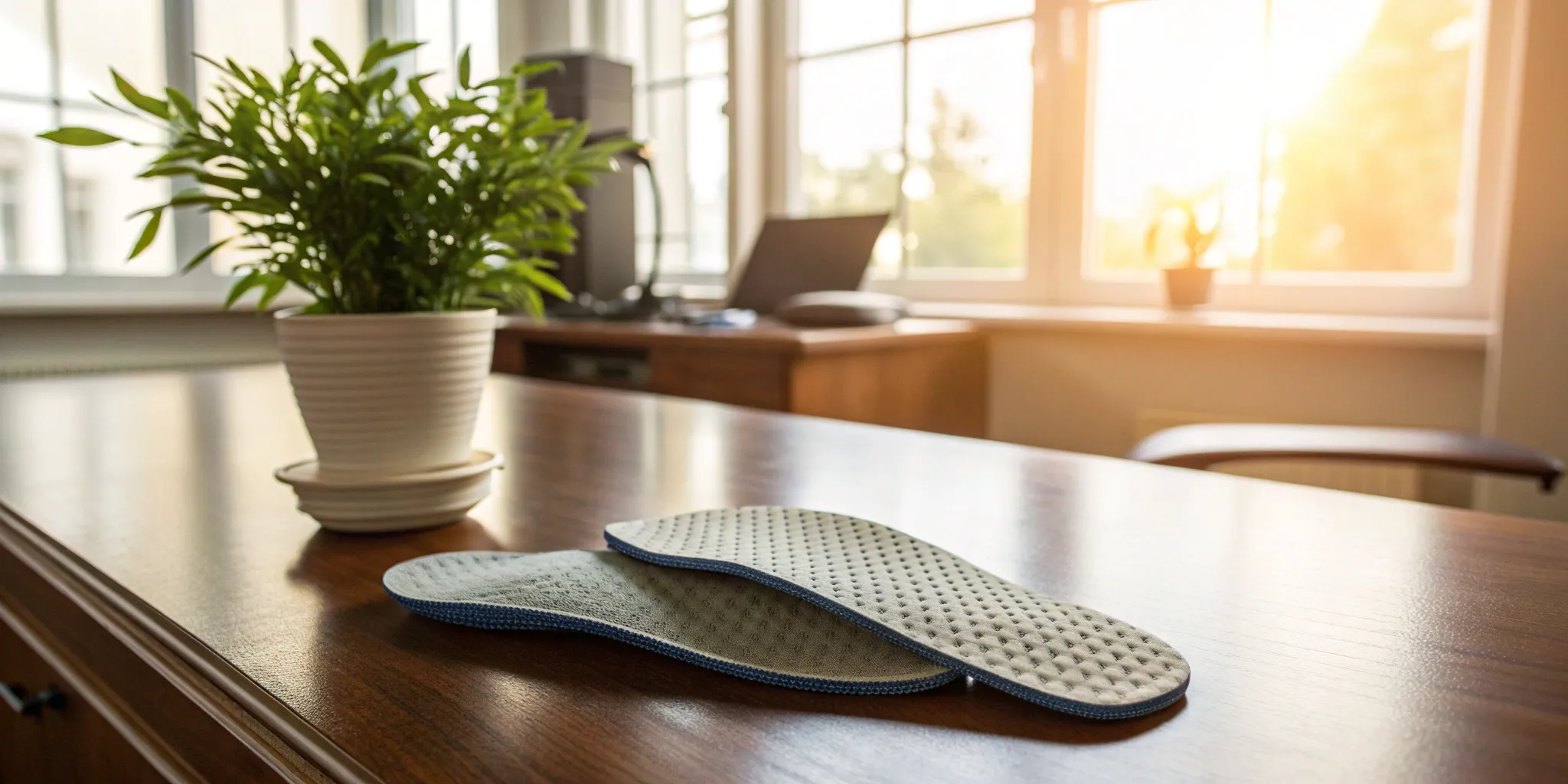
How to Get Orthotics Covered by Insurance: A Guide
Trying to get a straight answer from your insurance company can feel impossible. You just want to know, does BCBS cover orthotics? But you’re often met with confusing terms and vague policies. The real secret isn't just asking if they're covered, but understanding how to get orthotics covered by insurance by proving they are a medical necessity. This is especially true when figuring out how to get custom orthotics covered by insurance. This guide breaks down the process into simple steps, showing you what paperwork you need and how to avoid common roadblocks.
Key Takeaways
- Focus on Medical Need, Not Just Comfort: To get coverage, you must show that your orthotics are treating a specific, diagnosed condition. Work with your doctor to get a detailed prescription that clearly explains why the device is a medical necessity.
- Build a Complete Case File: A prescription is just the start. To ensure a smooth process, gather all your paperwork at once, including proof of custom fabrication and any biomechanical reports that support your diagnosis.
- Check Your Specific Plan Before You Act: Every BCBS policy has different rules. Prevent surprise bills by calling member services or checking your online portal to confirm coverage, find in-network providers, and ask about pre-authorization requirements first.
What Are Orthotics and How Do They Work?
Before you can figure out insurance coverage, it helps to know exactly what you’re asking for. Orthotics are custom-made medical devices designed to support and correct issues in your feet, ankles, and lower legs. Think of them less like a simple cushion and more like a specialized tool built to address a specific mechanical problem. They are prescribed by a healthcare professional to treat a diagnosed condition, which is the key difference that sets them apart from the generic insoles you can grab off a shelf at the pharmacy. Their primary goal is to restore proper function, reduce pain, and improve your stability from the ground up.
Orthotics vs. Over-the-Counter Insoles
The main distinction between custom orthotics and over-the-counter (OTC) insoles comes down to purpose and precision. OTC insoles are mass-produced and offer general cushioning or basic arch support. They might provide some temporary relief for tired feet, but they aren’t designed to fix underlying biomechanical issues. Custom orthotics, on the other hand, are crafted from a precise mold of your feet. They are prescribed to treat specific conditions like plantar fasciitis, flat feet, or complications from diabetes by correcting your unique foot mechanics. While an insole might make your shoe feel softer, an orthotic actively works to realign your foot structure with every step.
How Orthotics Correct Foot Problems
Custom orthotics work by addressing the root cause of your pain, not just masking the symptoms. They are engineered to redistribute pressure evenly across your foot, preventing excessive strain on any single area, like the heel or ball of the foot. By providing tailored arch support, they help maintain proper foot posture and control pronation (the inward rolling of the foot). This precise correction reduces stress on the plantar fascia, cushions the heel, and ultimately helps the affected tissues heal. It’s a targeted approach that aims to fix the faulty movement patterns that led to the pain in the first place.
The Importance of Proper Footwear with Orthotics
An orthotic can only do its job if it’s in the right environment. Placing a custom device in a flimsy, unsupportive shoe is like putting a high-performance engine in a car with flat tires—you just won’t get the results you need. To allow your orthotics to function correctly, you should wear them in stable, supportive shoes that have a firm heel, good arch support, and enough space to accommodate the device without crowding your toes. It’s best to avoid shoes that are completely flat, like flip-flops, as well as high heels or old, worn-out sneakers, as these can counteract the corrective benefits of the orthotic.
How Effective Are Custom Orthotics?
When used consistently, custom orthotics can be highly effective for pain relief. Because they are designed to correct the specific structural problems causing your discomfort, they offer a long-term solution rather than a temporary fix. Most people experience a significant reduction in pain—often between 50% and 80%—within one to three months of wearing their orthotics regularly. The key is consistency. Your body needs time to adapt to the new alignment, so wearing them as recommended by your doctor is essential for achieving the best possible outcome and getting back to your daily activities without discomfort.
Orthotics as Part of a Holistic Pain Management Plan
While orthotics provide critical structural support, they often work best as one component of a broader treatment strategy. Your body is an interconnected system, and addressing foot mechanics is just one piece of the puzzle. True, lasting relief often comes from a holistic approach that combines the foundational support of orthotics with therapies designed to heal tissue, reduce inflammation, and improve overall function. This ensures you’re not only correcting the alignment issue but also treating the pain and inflammation it caused.
Combining Support with Advanced Therapies
If your pain persists or your condition is severe, your doctor might recommend additional treatments like physical therapy or night splints. For those seeking a non-invasive, drug-free approach, advanced therapies can make a significant difference. At Laser Lab Therapy, we find that combining the structural correction of orthotics with light-based treatments offers a powerful path to recovery. Our pain management protocols use targeted light energy to reduce inflammation, accelerate tissue repair, and provide lasting relief, helping your body heal while your orthotics provide the support it needs to stay aligned.
Understanding the Cost and Value of Custom Orthotics
The price tag on custom orthotics can seem high at first glance, but it’s important to look at it as a long-term investment in your health and mobility. Unlike generic insoles that need frequent replacement and offer minimal therapeutic benefit, custom orthotics are durable medical devices designed to provide years of targeted support. When you factor in their lifespan and effectiveness in treating the root cause of your pain, the value becomes much clearer. Understanding the costs, longevity, and payment options can help you make an informed decision about your care.
Custom vs. Over-the-Counter: A Cost Comparison
When you compare the numbers, the initial cost difference is clear. Store-bought insoles typically cost between $20 and $50, while a pair of custom orthotics can range from $300 to $600. However, the value proposition is very different. OTC insoles are a temporary fix, offering basic cushioning that lasts only three to six months before they need to be replaced. They don't correct underlying biomechanical problems. Custom orthotics, in contrast, are built to last for years and are prescribed to fix the specific issue causing your pain, potentially saving you money on other treatments down the road.
How Long Do Custom Orthotics Last?
One of the biggest advantages of custom orthotics is their durability. With proper care, a single pair of custom orthotics typically lasts between two and five years, and sometimes even longer depending on the materials and your activity level. This longevity makes them a cost-effective solution over time. Instead of spending $50 on new OTC insoles every few months, you make a one-time investment in a medical device that provides consistent, targeted support for years. This durability ensures you get continuous therapeutic benefits without the hassle and recurring expense of frequent replacements.
Financing Options for Your Orthotics
If the upfront cost of custom orthotics is a concern, you have options that can make them more manageable. Many people don’t realize they can use pre-tax funds from a Health Savings Account (HSA) or Flexible Spending Account (FSA) to pay for them. Since custom orthotics are considered a medical device prescribed by a doctor, they are an eligible expense for these accounts. Using your HSA or FSA funds is a smart way to cover the cost with tax-free dollars, making this important investment in your health more accessible and affordable.
Will Blue Cross Blue Shield Cover Your Orthotics?
So, you’re wondering if your Blue Cross Blue Shield plan will cover orthotics. The short answer is: maybe. It’s not a straightforward yes or no, and coverage really hinges on a few key factors. If you're dealing with persistent foot, ankle, or even back pain, you know that finding the right support is crucial. While treatments like our pain management light therapy can address inflammation and discomfort at the source, custom orthotics are often a key part of a comprehensive care plan. But getting them covered by insurance can feel like a whole separate challenge.
Think of it less as a simple approval and more as a checklist you need to complete. Your specific BCBS plan is the first piece of the puzzle, as benefits can vary quite a bit from one policy to another. Beyond your plan details, the two most important things are proving the orthotics are medically necessary and ensuring they are supplied by an in-network provider. Insurance companies need to see that you aren’t just getting inserts for a little extra comfort—you need them to treat a diagnosed medical condition that impacts your daily life. This is where your doctor’s role becomes critical. They need to provide clear documentation that justifies the need for custom support. Navigating insurance can feel like a hassle, but understanding these core requirements from the start will make the process much smoother. We’ll break down exactly what you need to know.
What Makes an Orthotic "Medically Necessary"?
For an insurance company to consider covering your orthotics, they must be deemed “medically necessary.” This is more than just your feet feeling tired after a long day. It means a qualified healthcare provider has diagnosed you with a specific condition that custom orthotics can help treat or manage. Your doctor must document that these devices are an essential part of your treatment plan for issues like severe plantar fasciitis, diabetic foot ulcers, or significant structural foot deformities. This official diagnosis is the foundation of your claim, proving that the orthotics are a medical intervention, not just a wellness product.
Custom vs. Over-the-Counter: Which Does BCBS Cover?
Here’s a key detail that trips many people up: insurance almost always distinguishes between custom-made orthotics and the over-the-counter inserts you can buy at a pharmacy. Blue Cross Blue Shield plans that offer coverage will typically only pay for custom orthotics. These are devices created from a 3D scan or physical mold of your feet, designed specifically for your unique foot structure and medical needs. Your doctor’s prescription must also explain why a generic, non-custom insert won’t be effective for your condition. Those off-the-shelf gel insoles or arch supports, while helpful for some, are generally not covered.
Are Orthotics Considered Durable Medical Equipment (DME)?
Your insurance company will likely classify orthotics under a category called “Durable Medical Equipment,” or DME for short. It’s a formal term for reusable medical gear prescribed by a doctor for home use. For orthotics to fit the DME definition, they generally must meet a few criteria. They need to be durable and reusable, serve a clear medical purpose, and be appropriate for use in your home. Most importantly, they are only considered DME if they are necessary because of a specific illness or injury. This classification is important because it’s often the part of your insurance plan that will determine coverage.
Which Orthotics Does BCBS Typically Cover?
Blue Cross Blue Shield plans can be quite specific about which orthotics they’ll cover. Generally, coverage hinges on the device being custom-made and medically necessary to treat a diagnosed condition. While over-the-counter inserts from the drugstore are almost always excluded, several types of prescribed orthotics often make the cut. Your specific plan details will always be the final word, but coverage typically falls into a few key categories.
From custom insoles for foot pain to more complex braces for your knees or back, the key is proving that the device is an essential part of your treatment plan. Think of it this way: if the orthotic is helping you manage a health condition, recover from an injury, or improve function that’s limited by a medical issue, you have a much stronger case for coverage. Let’s look at the most common types of orthotics that BCBS plans tend to cover.
Custom Foot Orthotics for Common Conditions
If you’re dealing with persistent foot pain from conditions like plantar fasciitis or flat feet, custom foot orthotics are often a covered benefit. The crucial factor here is that they must be prescribed by a qualified doctor, such as a podiatrist. Your doctor’s notes need to clearly explain why the orthotics are medically necessary for your foot condition and how they fit into your overall treatment plan. Insurance wants to see that this isn't just for comfort but is a targeted solution for a diagnosed problem, so detailed documentation from your provider is essential for getting your claim approved.
Prescription Arch Supports and Heel Cups
Simple arch supports and heel cups may also be covered, but only if they meet specific criteria. Most insurance plans, including BCBS, classify these items under a category called 'Durable Medical Equipment' (DME). For your device to qualify as DME, it generally needs to be reusable, serve a clear medical purpose, be prescribed by a doctor, and be useful only because you have a specific condition. This distinction is what separates a medically necessary device from a general wellness product, so make sure your prescription and diagnosis align with these requirements.
Ankle-Foot and Knee-Ankle-Foot Orthoses (AFOs & KAFOs)
More complex devices like ankle-foot orthoses (AFOs) and knee braces are often covered when prescribed for significant injuries or chronic conditions. For example, custom knee braces may be approved for severe ligament injuries, dislocations, or as part of a post-surgery recovery plan. If you have advanced arthritis, a knee brace might be covered if you’re experiencing pain and disability that’s confirmed by an X-ray. As with other orthotics, BCBS will want to see clear proof that the brace is necessary to stabilize the joint, improve mobility, or prevent further injury.
Spinal Orthotics and Back Braces
Spinal orthotics and certain types of back braces can also be covered, especially when they are part of a structured treatment plan. Some plans will cover devices like static progressive stretch splints if you’ve already tried other treatments, such as physical therapy, without success. However, coverage for these devices can be time-limited. For instance, a plan might only cover a device for a few months and will require documentation showing that you are making clear, measurable improvements while using it. This shows how important it is to work closely with your healthcare provider to track your progress.
Navigating Other Insurance Plans for Orthotics Coverage
While Blue Cross Blue Shield is a major provider, your coverage might come from a different source like Medicare, Medicaid, or a workers' compensation plan. The rules for these plans can be just as specific, so it’s important to know what to expect before you move forward. Each program has its own set of requirements for what’s covered and who qualifies, especially when it comes to custom devices. Understanding these differences can help you prepare the right paperwork and set realistic expectations. Here’s a look at how some of these other common plans handle orthotics coverage.
Medicare Coverage for Therapeutic Shoes and Inserts
If you're on Medicare, you should know that coverage for orthotics is very specific and primarily aimed at individuals with diabetes. According to Medicare's official guidelines, Part B (Medical Insurance) can help pay for therapeutic shoes and inserts, but only if you have diabetes and severe foot problems resulting from it. The doctor who treats your diabetes must certify that you need them. If you qualify, Medicare helps cover one pair of custom-molded shoes and two extra pairs of inserts, or one pair of extra-depth shoes and three extra pairs of inserts per year. After you meet your annual Part B deductible, Medicare typically pays 80% of the approved cost.
Medicaid, Workers' Comp, and VA Benefits
For those on Medicaid, coverage for orthotics can vary significantly from state to state, as each state manages its own program. It often covers orthotics for children and people with disabilities when deemed medically necessary. If your need for orthotics stems from a workplace injury, your claim will likely fall under workers' compensation, which may cover all or part of the cost. Veterans seeking orthotics coverage should look into their VA benefits, though pre-authorization is often required. Understanding the specifics of these plans is key, as coverage and benefits can differ greatly depending on your situation and location.
Special Considerations for Children's Orthotics
Getting orthotics for a child comes with its own set of considerations, especially when it comes to insurance. Because children grow quickly, they may need new orthotics more frequently than adults. Some insurance plans recognize this and may cover replacements due to growth. Orthotics for treating congenital or developmental conditions, like cerebral palsy, are also more likely to be covered if they are proven to be medically necessary. If your plan limits coverage to one pair per year, don't be discouraged. You can often appeal this decision with a strong letter from your child's doctor explaining why a replacement is clinically necessary for their development and mobility.
How to Get Your Orthotics Covered by Insurance
Navigating insurance coverage can feel like a puzzle, but when it comes to orthotics, there’s a clear path forward. Blue Cross Blue Shield doesn’t automatically cover every insert or brace. To get your claim approved, you need to show that your orthotics are a medical necessity, not just a comfort item. This involves getting the right prescription, ensuring your device is truly custom, and meeting the standards for durable medical equipment. By ticking these three boxes, you significantly improve your chances of getting the coverage you need to support your health and mobility. Let's walk through exactly what each of these steps entails.
Why a Doctor's Prescription is Your First Step
First things first: you need a prescription from a qualified healthcare provider. This is non-negotiable. Your doctor must diagnose you with a specific condition that makes the orthotics medically necessary for your treatment. This isn't just about having sore feet; it's about addressing a documented medical issue. For an orthotic to be considered essential, it generally must be reusable, serve a primary medical purpose, and be something you can use at home. Think of it as a tool prescribed to help you manage a specific health challenge, much like any other part of a comprehensive pain management plan. Without that official prescription and diagnosis, your claim will likely be denied.
Proving Your Orthotics are Genuinely Custom-Made
Here’s a detail that trips many people up: your orthotics must be genuinely custom-made. This means they can't be off-the-shelf inserts you could buy at a pharmacy, even if your doctor recommends them. Insurance providers have strict definitions for "custom." According to Blue Cross, the items must be custom-made from raw materials using a 3D mold or cast of your feet. This process ensures the device is fabricated specifically for your body’s unique structure and needs. Be sure to confirm with your provider that they use this method and can provide documentation, as this proof of custom fabrication is a critical piece of your insurance claim.
Meeting the Standards for Durable Medical Equipment
Finally, your orthotics must qualify as durable medical equipment (DME). This is an insurance category for equipment that can withstand repeated use and is appropriate for use in the home. To meet this standard, the orthotic must be prescribed by your doctor as an essential part of treating an illness or injury. It can’t be for general wellness or to improve athletic performance. The good news is that because they are considered durable, most plans allow for orthotics to be replaced if they break, wear out over time, or if a child outgrows them. This ensures your treatment remains effective as your needs change.
What Paperwork Will You Need for Your Claim?
Think of your insurance claim as a story you’re telling about your health. To make it compelling and clear, you need to provide the right evidence. When it comes to getting orthotics covered, Blue Cross Blue Shield will want to see a complete picture of why they are medically necessary for you. Gathering the right documents ahead of time is the single best thing you can do to ensure a smooth process. It shows that you’ve done your homework and that your request is backed by professional medical advice. Let’s walk through exactly what you’ll need to have on hand.
A Doctor's Prescription with a Specific Diagnosis
This is the foundation of your entire claim. You’ll need a formal prescription from your doctor that includes a specific diagnosis. It’s not enough for the prescription to simply say “foot pain.” It needs to name the condition, like plantar fasciitis or severe pronation, that makes the orthotics a medical necessity. To make your case even stronger, ask your doctor to include their notes and any relevant test results that support the diagnosis. This paperwork is the official starting point that tells your insurance provider that a medical professional has recommended this treatment for a documented health issue.
Documentation of Custom Fabrication
Insurance providers draw a hard line between over-the-counter inserts and custom-made orthotics. To get coverage, you must prove your orthotics are truly custom. This means providing documentation from the fabricator showing that your devices were built from raw materials using a 3D mold or cast of your feet. An invoice or a letter detailing this process is usually sufficient. This proves the orthotics aren’t just a generic solution but a piece of medical equipment specifically engineered to correct your unique foot structure and address your diagnosed condition.
Your Biomechanical and Gait Analysis Reports
For many custom foot orthotic claims, you’ll also need to include a copy of a biomechanical assessment or gait analysis. This sounds complicated, but it’s simply a report that details how your body moves, particularly your feet and legs when you walk or run. This analysis provides objective data that shows exactly where the mechanical problems are and justifies the need for a custom device to correct them. Understanding your movement patterns is a key part of a holistic approach to pain management and is often a crucial piece of evidence for your insurer.
Medical Records That Prove Necessity
Finally, your medical records tie everything together. These documents, provided by your doctor, must clearly explain why the orthotic is the right solution for your specific condition and how it’s expected to help. This narrative connects the diagnosis, the prescription, and the custom fabrication into one cohesive story. It substantiates your claim by showing that the orthotics are an integral part of your treatment plan. Having thorough records is essential for meeting the strict insurance requirements and demonstrating that this isn't just for comfort, but for your long-term health.
What Isn't Covered? Common Exclusions to Know
Knowing what your insurance plan doesn't cover is just as important as knowing what it does. Insurance policies have specific rules, called exclusions and limits, that define what they won't pay for. Getting familiar with these common roadblocks can save you a lot of time and frustration. While every Blue Cross Blue Shield plan is different, most share a few standard exclusions when it comes to orthotics. Let’s walk through the big ones so you can be prepared.
Why Over-the-Counter Inserts Aren't Covered
If you can buy it off the shelf at a pharmacy or shoe store, your insurance plan likely won't cover it. This includes things like standard gel insoles, arch supports, or heel cups. According to Pacific Blue Cross, "Items bought off the shelf... are not covered." That’s because insurance coverage is reserved for custom-made devices designed to treat a diagnosed medical condition. Over-the-counter products are considered comfort or convenience items, not medical necessities, so you’ll have to pay for those out of pocket.
Orthotics for Sports or Recreational Activities
Are you hoping to get orthotics to improve your running form or make your ski boots more comfortable? Unfortunately, insurance typically won't cover them. Orthotics prescribed solely for athletic or recreational activities are usually excluded. The key factor is medical necessity. If the device is meant to treat a foot condition that affects your daily life, it might be covered. But if its only purpose is to support a hobby, plans will generally deny the claim. This is a common policy across many providers, not just BCBS.
Understanding Your Replacement Limits
Even when your orthotics are covered, there are often limits on how frequently you can get a new pair. Your plan might specify that you’re eligible for one pair per year or one pair every two years. For example, some BCBS plans may only cover orthotics for one foot per year. These limits are in place because custom orthotics are built to last. It’s crucial to check your specific plan’s benefits summary to understand its replacement schedule before you order a new set.
The "Conservative Treatment First" Rule
Many insurance plans require you to try more conservative treatments before they will approve a claim for orthotics. This is sometimes called "step therapy." For instance, your doctor may need to document that you’ve already tried physical therapy, stretching, or anti-inflammatory treatments without success. According to Blue Cross NC, certain devices are not covered if regular treatments haven't been tried first. This is why documenting your entire pain management journey is so important for getting your claim approved.
How to Check Your Specific BCBS Plan for Coverage
Insurance policies can feel like they’re written in another language, and coverage for orthotics is no exception. Because every Blue Cross Blue Shield plan is different, what’s covered for one person might not be for another, even within the same state. The key is to confirm the details of your specific plan before you move forward. This saves you from surprise bills and helps you understand exactly what to expect. Taking a few proactive steps to verify your benefits will put you in the driver’s seat. Here are four straightforward ways to get the answers you need directly from the source.
Start by Reviewing Your Plan Documents
Your first stop should be the documents you received when you enrolled in your plan. Look for your "Summary of Benefits and Coverage" or the full plan booklet. These documents are your official guide, outlining exactly what is and isn't covered. You can usually find them by logging into your online member portal. Do a quick search in the document for terms like “orthotics,” “orthopedic devices,” or “durable medical equipment (DME).” As Blue Cross NC points out, some plans may not cover orthotics at all or might have specific limits, so reading the fine print here is essential.
Call Customer Service to Confirm Your Benefits
If the plan booklet leaves you with more questions than answers, don’t hesitate to pick up the phone. The member services number on the back of your insurance card is your direct line to a representative who can look up your specific benefits. When you call, be ready with your member ID and ask pointed questions like, “Does my plan cover custom-molded foot orthotics?” and “What are the medical necessity requirements?” This is the quickest way to cut through the confusion and get a clear "yes" or "no" answer. It’s also a great time to ask about in-network providers and pre-authorization rules.
Key Questions to Ask Your Insurance Provider
To get the clearest picture of your coverage, it helps to go into the conversation with a list of specific questions. This preparation ensures you get all the information you need in one go and helps you understand exactly what’s required to get your claim approved. Think of this as your cheat sheet for a productive call with your insurance provider. Here are the essential questions to ask to determine if your orthotics are covered and what steps you need to take next.
- Does my plan cover custom-molded foot orthotics? Start with the most direct question. Be specific and use the term "custom-molded" to distinguish them from over-the-counter inserts. This will give you a clear yes or no right away.
- What are the specific requirements for "medical necessity"? If the answer is yes, your next question should be about their criteria. Ask what specific conditions or diagnoses they typically cover and what level of detail they need from your doctor to prove the orthotics are essential for your treatment.
- What documentation is required for a claim? Beyond the prescription, what else do they need? Ask if you need to submit a gait analysis, proof of custom fabrication, or your doctor’s clinical notes. Getting a complete list upfront prevents delays later.
- Do I need pre-authorization before ordering my orthotics? Some plans require you to get approval *before* you purchase the device. Asking about pre-authorization can save you from an unexpected denial and a bill you weren't prepared for.
- What are the coverage limits and replacement policies? Even with coverage, there are often limits. Ask how many pairs are covered per year and what the policy is for replacing them if they wear out or if your medical needs change.
Check Your Coverage in the Online Member Portal
Most BCBS plans have a robust online portal where you can manage your benefits. Once you log in, look for a section related to coverage, benefits, or claims. You might find a tool that lets you search for specific services or a library of documents, including payment schedules for things like durable medical equipment. The portal is also where you can check your deductible status and see how much you’ve paid toward your out-of-pocket maximum, which will affect your final cost for the orthotics. It’s a valuable resource for understanding the financial side of your coverage.
Ask Your In-Network Provider for Guidance
Your healthcare provider is often your best ally in this process. Their office staff usually deals with insurance companies every day and can help you understand the requirements. Your doctor or specialist can confirm if your health condition meets the BCBS criteria for medical necessity. They can also help you get any required pre-authorizations and ensure your claim is submitted with the correct diagnostic codes and documentation. Don’t be afraid to ask them for guidance—they want to see you get the care you need for pain management and improved mobility.
Common Myths About Orthotics Insurance Coverage
When you're dealing with foot pain, the last thing you want is a headache from your insurance company. The world of orthotics coverage can feel like a maze, filled with confusing terms and hidden rules that can easily lead to a denied claim. Let's clear the air and walk through some of the most common myths about getting your orthotics covered. Understanding what's true and what's not is the first step toward getting the support you need.
Myth: All Orthotics Are Automatically Covered
It would be great if this were true, but unfortunately, it's not that simple. Many people assume that if their doctor recommends orthotics, their insurance will automatically pay for them. In reality, Blue Cross Blue Shield coverage varies widely from plan to plan. Whether your orthotics are covered depends on your specific policy, if they are deemed truly necessary for a medical condition, and whether your doctor and the supplier are in your insurance network. Think of it less as a blanket 'yes' and more as a checklist you need to complete to get approval for your pain management tools.
Myth: A Doctor's Note Guarantees Coverage
Having a prescription is a crucial first step, but it doesn't automatically unlock coverage. Your doctor's note needs to prove that the orthotics are "medically necessary"—a key term insurance companies use. This means you need the device to treat, manage, or prevent a specific health condition, not just for general comfort or to improve athletic performance. Your provider must clearly document why you need them, connecting the orthotics directly to a diagnosis like plantar fasciitis or severe pronation. Without that clear justification, even a valid prescription can result in a denied claim from your insurance provider.
Myth: Your Coverage for Orthotics is Unlimited
Even when your plan covers orthotics, there are often limits. It’s a common mistake to think you can get new pairs whenever you need them. Many BCBS plans place restrictions on how many pairs you can get within a certain timeframe. For example, some policies might only cover one pair of orthotics per year, or even one orthotic for a single foot. These details are buried in your plan documents, so it's important to check them before you order. Understanding these limits helps you plan ahead and avoid unexpected out-of-pocket costs as part of your long-term preventative wellness strategy.
Myth: Custom and Store-Bought Orthotics Have the Same Rules
This is a big one. Insurance companies draw a hard line between custom-fabricated orthotics and the over-the-counter inserts you can buy at a pharmacy. To be covered, orthotics must typically be custom-made from a 3D scan or physical mold of your feet. They have to be prescribed by a qualified provider to address a specific medical diagnosis. Store-bought inserts, no matter how helpful they feel, are usually considered convenience items and aren't covered. Your policy is designed to pay for medical treatment, and only true custom orthotics fit that definition.
How to Submit a Successful Orthotics Claim
Navigating insurance claims can feel like a chore, but a little preparation goes a long way. When you submit a claim for orthotics, your goal is to clearly show that they are a medical necessity for your health and well-being. Being organized and proactive can make a huge difference in getting your claim approved without unnecessary delays. Think of it as building a strong, clear case for why you need this support. A successful claim is a key part of a holistic approach to your health, ensuring you have all the tools you need for effective pain management and better movement. These steps will help you put your best foot forward.
Secure Pre-Authorization Before You Buy
Before you even order your orthotics, your first step should be to check if your plan requires pre-authorization (sometimes called prior authorization). This is essentially getting a green light from Blue Cross Blue Shield before you receive the service. Many plans require this step to confirm that the orthotics are medically necessary and that your provider is in-network. Skipping this step if it’s required is one of the fastest ways to get a claim denied. You can find out if you need pre-authorization by calling the member services number on the back of your insurance card or by logging into your online member portal.
Submit All Your Documentation at Once
To avoid a lengthy back-and-forth, aim to submit a complete and organized claim from the start. This means gathering all your documents and sending them in as one comprehensive package. You will need a formal prescription from your doctor that includes a clear diagnosis. Along with the prescription, include any supporting documents that strengthen your case for medical necessity. This can include your doctor’s clinical notes, results from a gait analysis, or other relevant test results. Submitting everything at once makes it easier for the claims processor to review your case and approve it quickly.
Work with a Qualified In-Network Provider
The provider who prescribes and supplies your orthotics plays a huge role in your claim’s success. Your prescription must come from a qualified medical professional, like a podiatrist or orthopedic specialist. It’s also crucial to check that both your prescribing doctor and the orthotics supplier are in your BCBS network. An in-network provider not only helps keep your out-of-pocket costs down but also understands your insurance company’s submission requirements. Working with a team of trusted professionals who prioritize your well-being is always the best approach, which is a core part of our philosophy at Laser Lab Therapy.
What to Do if Your Provider Doesn't File Claims
If your orthotics provider doesn't handle insurance claims directly, you'll need to file for reimbursement yourself. It sounds like a hassle, but it's manageable if you're organized. Start by asking the provider for a detailed, itemized receipt, which is often called a “superbill.” This document will have the specific billing codes you need for your claim form. After that, your main task is to build a complete case file with all the other essential paperwork, including your doctor’s prescription, proof of custom fabrication, and any relevant biomechanical reports. Submitting everything together in one organized package is the best way to avoid delays and get your claim processed smoothly.
Follow Up on Your Claim and Prepare to Appeal
Don’t just submit your claim and hope for the best. Keep track of its status through your online portal or by calling member services. If your claim is denied, remember that it’s not the final word. You have the right to appeal the decision. Your plan booklet or benefits summary will outline the specific steps for the appeals process. It’s important to read the denial letter carefully to understand why the claim was rejected so you can address that specific issue in your appeal. Being persistent and informed is your best strategy for turning a denial into an approval.
Common Roadblocks to Coverage (and How to Get Past Them)
Even with a doctor's prescription in hand, getting your orthotics claim approved can feel like an uphill battle. It’s frustrating when you know a device could help with your pain, but the insurance process seems designed to be confusing. The good news is that most claim denials come down to a few common, and fixable, issues.
Understanding these potential roadblocks ahead of time is the best way to prepare a claim that sails through the approval process. From the fine print in your specific plan to the paperwork you submit, a little preparation goes a long way. Let’s walk through the most frequent hurdles and what you can do to clear them, so you can focus on what really matters: your health and recovery.
Understanding Your Specific Plan's Fine Print
One of the most common points of confusion is that there isn't one single "Blue Cross Blue Shield" policy. BCBS is a federation of separate, locally operated companies, and each one offers dozens of different plans. This means your friend’s BCBS plan in another state, or even your coworker’s plan through a different employer, could have completely different rules for orthotics coverage.
The only way to know for sure what your plan covers is to review your specific plan documents. Look for your Summary of Benefits or plan booklet. These documents will outline the requirements, coverage limits, and exclusions for durable medical equipment (DME), which is where orthotics usually fall. Don’t assume anything; always check your own policy first.
The Difference Between In-Network vs. Out-of-Network
Using an in-network provider is one of the easiest ways to keep your costs down and simplify the claims process. An in-network doctor or orthotics supplier has a contract with BCBS to provide services at a pre-negotiated rate. When you go out-of-network, your insurance will cover a much smaller portion of the bill, if they cover it at all, leaving you responsible for the rest.
Before you even make an appointment, use your BCBS member portal or call customer service to find a podiatrist and a DME supplier who are in your network. This simple step can save you from a surprise bill and a denied claim down the road. It ensures that the professionals helping you also know how to work with your insurance company.
What if You Don't Have Enough Proof of Medical Need?
A prescription alone often isn't enough to prove that your orthotics are "medically necessary." Insurance companies need to see clear, documented evidence that the device is essential for treating or managing a specific health condition. This means your doctor’s notes must be detailed, explaining why orthotics are a critical part of your overall pain management plan.
Your claim should be supported by medical records, results from a gait analysis, and a clear diagnosis. The documentation needs to tell a story, showing that the orthotics aren't just for comfort or general athletic improvement but are a necessary medical intervention. Without this robust proof, your insurer is likely to deny the claim.
The Problem with Missing Pre-Authorization Deadlines
Many BCBS plans require pre-authorization (also called prior authorization) for custom orthotics. This means your provider must submit a request and get approval from your insurance company before the orthotics are made. If you skip this step, the claim will almost certainly be denied, even if your condition and the orthotics meet all the other coverage criteria.
Talk to your doctor’s office about this from the very beginning. They are usually familiar with the process and can handle the submission for you. However, it’s always a good idea to follow up and confirm that the authorization was received and approved before you move forward. Think of it as getting permission first to avoid having to ask for forgiveness (and pay out-of-pocket) later.
What to Do If Your Orthotics Claim is Denied
Receiving a denial letter from your insurance provider can feel like hitting a wall, but it’s not the end of the road. A denial doesn’t always mean you have to give up on getting the support you need or pay the full cost out-of-pocket. You still have several great options to explore to make your orthotics more affordable and accessible. Think of this as a detour, not a dead end. By taking a few proactive steps, you can find a path forward that works for your health and your budget. Let's walk through some practical strategies you can use to move forward after a claim denial.
Step 1: Request a Written Explanation for the Denial
If your insurance denies your claim, don't give up. Your first move is to ask for a formal, written explanation of why it was denied. A verbal reason over the phone isn’t enough; you need the official letter. This document is your roadmap for the appeal, as it will state the specific reason for the denial—whether it was a coding error, missing paperwork, or because the insurer didn't consider the orthotics medically necessary. While you wait for the letter, start keeping detailed records of every interaction. Log all your calls, including the date, time, and who you spoke with. This paper trail is crucial for building a strong case and will help you appeal an insurance denial effectively.
Step 2: Partner with Your Doctor to Write an Appeal
You don’t have to tackle this alone. Your doctor is your most important partner in the appeals process. Work with them to formally appeal the decision. They can provide additional medical records or, most importantly, write a "letter of medical necessity." This letter is a powerful tool that explains in detail why the custom orthotics are an essential part of your treatment plan. It should clearly connect your diagnosis—like severe plantar fasciitis or a structural foot deformity—to the need for custom support. This letter explains how the orthotics fit into your broader pain management strategy, providing the structural support needed to address the root cause of your discomfort and improve your daily function.
Using Your HSA or FSA to Pay for Orthotics
If your Blue Cross Blue Shield plan doesn't cover orthotics, your Health Savings Account (HSA) or Flexible Spending Account (FSA) can be a lifesaver. These accounts allow you to use pre-tax dollars for qualified medical expenses, which often include custom orthotics. This is a fantastic way to reduce the overall cost since you’re using untaxed money. Check your account balance and review the list of eligible expenses with your plan administrator. Using these funds is straightforward and can make an immediate difference in affordability, allowing you to get the relief you need without waiting for a lengthy appeal process.
Asking Your Provider About Payment Plans
Don't hesitate to talk directly with your provider’s office about your situation. Many clinics are willing to work with you by setting up a payment plan that breaks the total cost into smaller, more manageable monthly payments. This can ease the immediate financial burden significantly. At Laser Lab, we believe that financial constraints shouldn't stand in the way of your well-being, which is why we offer flexible memberships to make ongoing care accessible. Your provider wants to see you get better, so starting a conversation about payment options is always a worthwhile step.
How a Second Opinion Can Strengthen Your Case
Sometimes, a claim is denied because the paperwork didn't sufficiently prove that the orthotics are medically necessary. Getting a second opinion from another qualified provider can strengthen your case. A different doctor may identify additional diagnostic details or articulate your need for orthotics in a way that better aligns with your insurance policy's requirements. Their medical records must clearly explain why the orthotic is essential for your condition. A comprehensive evaluation can provide the detailed evidence needed to successfully appeal the decision or submit a new claim. This is a core part of our approach to pain management, where a thorough understanding of your condition is key.
Exploring Other Member Resources and Discounts
Your relationship with your insurance provider includes access to a variety of resources. Log into your online member portal or call the customer service number on your card again. This time, ask specifically about the appeals process, member advocacy programs, or any other tools available to help you. Sometimes there are specific forms or steps you need to follow that weren't obvious at first. Be persistent and clear about what you need. By exploring all the resources available to you as a plan member, you can become your own best advocate and find a solution that works.
Frequently Asked Questions
Why doesn't a doctor's prescription automatically guarantee my orthotics will be covered? A prescription is the essential first step, but it's not a golden ticket. Insurance companies need to see proof that the orthotics are "medically necessary" to treat a specific, diagnosed condition that impacts your daily life. Your doctor's notes must clearly explain why a custom device is a crucial part of your treatment plan, going beyond just general foot pain to justify the medical need.
What makes custom orthotics different from the inserts I can buy at a pharmacy? The key difference is how they are made and their intended purpose. Over-the-counter inserts are mass-produced for general comfort, while true custom orthotics are built from scratch using a 3D mold or scan of your feet. Insurance covers the custom version because it's considered a prescribed medical device, fabricated to correct your unique biomechanical issues for a diagnosed health problem.
What is the single most important thing I should do before ordering orthotics? Before you do anything else, check the specific details of your own Blue Cross Blue Shield plan. Coverage can vary dramatically, so log into your member portal or call the number on your insurance card to ask directly about your benefits for "durable medical equipment" or "custom orthotics." You should also confirm if your plan requires pre-authorization to avoid having your claim denied on a technicality.
Besides the prescription, what other paperwork will strengthen my claim? To build a strong case, you'll want to include documentation that proves your orthotics are both custom-made and medically necessary. This often includes a receipt from the fabricator detailing the custom molding process and a copy of a biomechanical or gait analysis. These reports provide objective data that shows exactly why you need a specialized device to support your movement.
My claim was denied. What are my options now? A denial is frustrating, but it's not the final word. First, read the denial letter to understand the specific reason, as you have the right to appeal the decision. You can also use funds from a Health Savings Account (HSA) or Flexible Spending Account (FSA) to pay for the orthotics with pre-tax money. Many providers also offer payment plans if you ask, making the cost much more manageable.
Frequently Asked Questions
Is light therapy safe for athletes?

Yes, light therapy is completely safe and highly beneficial for athletes. It promotes faster muscle recovery, reduces inflammation, and supports performance without the risks of medication or downtime. That’s why professional and amateur athletes worldwide rely on it to train smarter and recover quicker.
How many sessions will I need?
The number of sessions varies depending on the type and severity of your condition. Many patients notice improvement after 3–5 sessions, while chronic conditions may require ongoing care for best results. During your initial consultation, we’ll design a personalized treatment schedule tailored to your body’s response and recovery goals.

Ready to Try Light Therapy for Recovery?