

9 Alternatives to Back Surgery for Spinal Stenosis
A spinal stenosis diagnosis can feel overwhelming, especially when pain starts running your life. It's easy to think surgery is your only real option. But what if you could fix spinal stenosis without surgery? Exploring alternatives to back surgery for spinal stenosis puts you back in control. This isn't about one magic cure; it's about building a smart, personalized plan. We'll cover powerful alternative treatments for spinal stenosis, from Class IV laser therapy and targeted exercises to complementary care, helping you find lasting relief and reclaim your daily activities.
Key Takeaways
- Surgery isn't your only option for relief: Many people find lasting success with non-surgical treatments, which often match the long-term outcomes of surgery without the significant risks and recovery time.
- Combine treatments for better results: A powerful approach involves layering different strategies, such as using physical therapy to build core strength, Class IV laser therapy to reduce inflammation, and complementary care to ease muscle tension.
- Your daily habits have a huge impact: Simple, consistent changes like managing your weight, improving your posture, and creating an ergonomic workspace can significantly reduce daily strain on your spine and provide lasting relief.
What Is Spinal Stenosis?
If you’ve been diagnosed with spinal stenosis, it simply means the open spaces within your spine have started to narrow. Think of your spine as a protective tunnel for the nerves that run through it. When that tunnel gets smaller, it can squeeze or compress those nerves, leading to discomfort and pain. This narrowing is often a natural part of aging, resulting from conditions like arthritis, bulging discs, or bone spurs that develop over time. Your spinal cord is like the main information highway for your body, and the nerves branching off it are the local roads. When stenosis creates a traffic jam, messages between your brain and your limbs can get jumbled, which is why you might feel weakness or numbness.
While the diagnosis might sound intimidating, it’s a common condition, especially in older adults. The good news is that understanding what’s happening is the first step toward finding effective pain management solutions that don’t involve surgery. The key is to address the pressure on the nerves and manage the symptoms so you can get back to doing what you love. Recognizing this helps shift the focus from just masking the pain to addressing the root cause of the nerve compression.
Understanding the Causes and Risk Factors
Acquired vs. Congenital Stenosis
Spinal stenosis generally falls into two categories, and the one you have depends on whether you developed it over time or were born with it. The most common type is acquired spinal stenosis, which is essentially the result of a lifetime of movement and activity. Over the years, natural "wear and tear" can lead to changes in your spine, such as bulging discs, arthritis in the spinal joints, or the thickening of ligaments. These changes can gradually narrow the spinal canal. The other, much rarer, type is congenital stenosis. This means a person is born with an unusually small spinal canal, making them more susceptible to nerve compression earlier in life. For most people, however, stenosis is simply a part of the aging process.
Who Is Most Affected?
While anyone can develop spinal stenosis, it’s most common in adults over the age of 65. Symptoms often don't appear overnight; they tend to develop slowly as the spinal canal narrows and begins to put pressure on the nerves. This pressure can cause what’s known as "pseudoclaudication," which might show up as pain, weakness, or numbness in your legs, particularly when you're standing or walking. This can make everyday activities feel challenging and significantly impact your mobility. The gradual onset can sometimes make it tricky to pinpoint the cause, but understanding that these symptoms are tied to nerve compression is the first step toward finding effective ways to manage the discomfort and improve your quality of life.
Key Symptoms You Shouldn't Ignore
The symptoms of spinal stenosis can vary depending on which nerves are affected, but some tell-tale signs often appear. You might feel pain, tingling, numbness, or weakness that radiates from your back or neck into your arms or legs. One of the most common indicators is experiencing leg pain or cramping when you stand or walk for a while. Many people find this discomfort gets better almost immediately when they sit down or lean forward, as this position temporarily opens up the spinal canal and relieves pressure on the nerves.
Understanding Pseudoclaudication
That classic leg pain that flares up when you're active and eases with rest has a name: pseudoclaudication. It’s a hallmark of spinal stenosis, caused by the narrowed spinal canal putting pressure on your nerves. As the Mayo Clinic explains, this nerve compression can create pain, weakness, or a heavy feeling in your legs and feet after standing or walking. It’s not muscle fatigue—it’s your nerves sending distress signals because they’re being squeezed. This helps you see the pain as a direct result of what’s happening in your spine.
The relief you feel when sitting or leaning forward—like on a shopping cart—is purely mechanical. That posture temporarily creates more space in your spinal canal, taking pressure off the nerves. This distinction is key because pseudoclaudication is often mistaken for vascular claudication, which is caused by poor blood flow. Knowing your pain is nerve-related helps you find the right solutions. You can then focus on treatments that address the root cause of inflammation and pressure, leading to lasting relief without invasive procedures.
Cervical vs. Lumbar: What's the Difference?
Spinal stenosis is categorized based on where the narrowing occurs in your spine. Knowing the type can help pinpoint the best treatment approach for your specific needs.
- Lumbar stenosis: This is the most common form, affecting the lower back.
- Cervical stenosis: This type occurs in the neck.
- Thoracic stenosis: A much rarer form that affects the mid-back region.
Within these areas, the narrowing can happen in specific spots. Foraminal stenosis is when the small openings where nerves exit the spine become constricted, while central canal stenosis involves the compression of the main canal that houses the spinal cord.
Other Forms of Stenosis
While we've touched on the main locations, it's helpful to understand how symptoms differ depending on where the narrowing occurs. Each type presents its own unique challenges, but the goal is always the same: to relieve pressure on the nerves and reduce your discomfort. Pinpointing the exact area is the first step toward finding relief, as it allows you and your care team to create a targeted pain management plan with strategies that directly address the source of your pain, whether through targeted exercises, lifestyle adjustments, or specialized therapies.
- Lumbar Stenosis: As the most common form, this affects your lower back. The classic sign is pain or cramping in your legs that flares up when you walk or stand for a while but eases when you sit or lean forward.
- Cervical Stenosis: When the narrowing happens in your neck, it can cause pain, weakness, or numbness that travels into your shoulders, arms, and hands, sometimes making fine motor skills feel clumsy.
- Thoracic Stenosis: This is the rarest type, occurring in the mid-back. The symptoms can include pain in the upper back and, in some cases, issues with balance or walking.
How Spinal Stenosis Is Diagnosed
The Role of Physical Exams and Imaging
Figuring out if you have spinal stenosis starts with a conversation and a physical exam with your doctor. They’ll want to hear all about your symptoms—what you’re feeling, when it started, and what makes it better or worse. During the physical evaluation, your doctor will check your reflexes, muscle strength, and sensation in your arms and legs to see if there are any signs of nerve compression. This initial step is all about gathering clues. By understanding your experience and observing how your body responds, your doctor can begin to connect the dots between your symptoms and what might be happening in your spine.
After the physical exam, the next step is usually to get a look inside. To confirm a diagnosis, your doctor will likely recommend imaging tests to see the structure of your spine. An X-ray is often the starting point, as it can show bone spurs or disc degeneration that might be contributing to the narrowing. For a more detailed view, an MRI is the most effective tool. It provides clear images of your spinal cord, nerves, and surrounding soft tissues, allowing your doctor to see exactly where and how much the spinal canal has narrowed. This comprehensive approach, combining your physical exam with detailed imaging, ensures an accurate diagnosis and helps create the most effective plan for your relief.
Is Surgery Your Only Option for Spinal Stenosis?
When you’re dealing with the persistent pain of spinal stenosis, the idea of surgery can feel like both a last resort and the only real solution. It’s a huge decision, and it’s completely normal to wonder if you’ve explored every single alternative. The good news is that for many people, surgery isn't the only path forward.
Before committing to a major procedure, it’s worth understanding the full picture—the potential downsides of surgery and the powerful benefits of non-invasive treatments. Many people find significant, lasting relief through conservative care that works with the body’s natural healing processes. This approach focuses on reducing pain and improving function without the long recovery times and risks associated with an operation. Let's walk through what that looks like.
Treating the Person, Not the Scan
It’s easy to see an MRI report showing a narrowed spinal canal and assume the worst. But what that image doesn't show is your personal experience—your pain levels, your mobility, and how the condition actually affects your day-to-day life. That’s why a modern approach to spinal stenosis focuses on how you feel and function, not just what a scan reveals. Many people have imaging that shows stenosis but experience few or no symptoms. The goal of any effective treatment plan should be to reduce inflammation, relieve nerve pressure, and improve your quality of life. This perspective shifts the power back to you, opening up a world of non-surgical possibilities that address your specific symptoms and help you get back to living comfortably.
What Are the Risks of Spinal Surgery?
Surgery is a serious step, and it’s important to weigh the potential drawbacks. Recovering from a procedure like a laminectomy can be a long road, often requiring weeks or months away from your normal activities and a challenging rehabilitation process. Like any major surgery, it also comes with risks, including infection, blood clots, and potential nerve damage.
Perhaps most importantly, surgery isn't always a permanent fix. Some studies show that while surgery can provide relief, the long-term benefits aren't always significantly better than non-surgical treatments. In some cases, patients may need additional surgeries down the line. Considering these factors helps you have a more complete conversation with your doctor about whether it's the right choice for your specific situation.
Why Choose a Non-Surgical Treatment?
Opting for a non-surgical path puts you in the driver's seat of your recovery, focusing on treatments that strengthen your body and provide relief with minimal risk. This approach is all about managing symptoms and improving your quality of life without the stress and downtime of an operation. It combines various strategies, from physical therapy and targeted exercises to innovative treatments that address pain at its source.
Methods like Class IV laser therapy, for example, offer a powerful way to reduce inflammation and pain directly in the affected tissues, promoting healing on a cellular level. This type of pain management is gentle, effective, and helps you get back to your life faster. By choosing non-surgical options, you’re investing in long-term wellness and giving your body the support it needs to heal itself.
When Is Surgery the Right Choice?
While non-surgical treatments are incredibly effective for many, there are specific situations where surgery becomes the most practical option. It’s important to have an open conversation with your doctor if your symptoms become severe or start to significantly impact your daily function. According to the Mayo Clinic, surgery might be considered if you experience weakness or numbness that is progressively getting worse, or if you notice changes in your bowel or bladder control. These can be signs of more serious nerve compression that needs immediate attention. If you’ve diligently tried other medical treatments without finding relief from severe symptoms, surgery may be the next logical step to regain your quality of life.
Success Rates of Minimally Invasive Surgery
If you and your doctor decide surgery is the best path, it’s helpful to know that surgical techniques have advanced significantly. Modern, minimally invasive methods work just as well as traditional open surgeries but often lead to fewer complications and a much faster recovery. Patients who undergo these procedures frequently report better results a year later, allowing them to return to their activities with less downtime and discomfort. This progress means that even if surgery is necessary, the experience can be far less disruptive than it was in the past.
What About "Watchful Waiting"?
If your symptoms are mild or you’re not ready to commit to a specific treatment plan, a "watchful waiting" approach can be a smart and proactive choice. This isn't about ignoring the issue; it's about consciously monitoring your symptoms while focusing on lifestyle adjustments and non-invasive care to prevent them from worsening. This strategy allows you to stay in control, making informed decisions as your body tells you what it needs. It’s an excellent option for anyone who wants to see how their body responds to conservative measures before exploring more intensive treatments.
This approach pairs perfectly with a focus on preventative wellness. By incorporating gentle exercises, improving your posture, and using therapies that reduce inflammation, you can actively manage your condition. Watchful waiting empowers you to listen to your body and build a foundation of health that may help you avoid more aggressive interventions down the road. It’s a patient-centered strategy that prioritizes your comfort and long-term well-being.
Can Physical Therapy and Exercise Bring Relief?
When you’re dealing with the pain and numbness of spinal stenosis, the idea of exercise might seem counterintuitive. But what if the right kind of movement is exactly what your body needs? For many people, a structured physical therapy program is one of the most effective first steps in managing symptoms and avoiding surgery. It’s not about pushing through the pain; it’s about working with a professional to find a safe, sustainable routine that strengthens your body and eases the pressure on your spine.
A physical therapist acts as your personal guide, creating a plan tailored to your specific condition and goals. They can teach you targeted exercises that you might not discover on your own, helping you build strength where it matters most. This approach is all about empowering you with the tools to manage your symptoms long-term. By focusing on core stability, flexibility, and proper body mechanics, you can make significant strides in improving your mobility and overall quality of life. It’s a proactive strategy that puts you in control of your health, helping you build a stronger foundation for a more active, comfortable future.
Strengthen Your Core to Support Your Spine
Think of your core muscles—the ones in your abdomen and back—as a natural corset for your spine. When these muscles are strong, they provide essential stability, taking a significant amount of pressure off your spinal column. This is especially important when you have spinal stenosis. A dedicated physical therapy program can teach you specific exercises to strengthen your core muscles, improve your posture, and gently stretch your back and legs. By building up this internal support system, you can reduce the strain on the narrowed areas of your spine, which often leads to a noticeable decrease in pain and discomfort during daily activities.
Improve Flexibility with Gentle Stretches
Stiffness and tension are common complaints with spinal stenosis, making even simple movements feel difficult. Gentle, targeted stretching is key to restoring flexibility and easing this discomfort. The goal is to lengthen the muscles in your lower back and legs, which can become tight as your body tries to protect itself from pain. Engaging in low-impact exercise that focuses on flexibility can help create more space within the spinal canal, relieving pressure on the nerves. A physical therapist can show you the safest and most effective stretches for your body, ensuring you move in a way that soothes rather than aggravates your symptoms.
Find Relief with Low-Impact Activities
Staying active is crucial for managing spinal stenosis, but high-impact workouts can do more harm than good. That’s where low-impact activities come in. Exercises like walking, swimming, or cycling are fantastic options because they get your body moving without jarring your spine. These activities help strengthen the supporting muscles around your spine, improve blood flow to the area, and maintain your flexibility. Incorporating these gentle movements into your routine can significantly reduce pain and keep your spine functioning well. It’s a simple yet powerful way to support your body’s health and aid in your performance recovery from daily strain.
Simple Changes to Your Posture and Movement
How you sit, stand, and lift things throughout the day has a huge impact on your back. Poor body mechanics can place unnecessary strain on your spine, making spinal stenosis symptoms worse. A physical therapist can be an invaluable resource for teaching you how to move more efficiently. They’ll analyze your daily habits and show you simple adjustments to protect your back. Learning proper techniques for lifting and other movements can prevent further irritation and help you manage your condition more effectively. These small changes in your daily routine can add up to significant, lasting relief.
Can Medication and Injections Provide Relief?
When you’re dealing with the pain and discomfort of spinal stenosis, medication is often one of the first lines of defense. It’s a common approach for managing symptoms like inflammation, nerve pain, and muscle spasms. While medications and injections can offer temporary relief and help you get through your day, they typically mask the pain rather than address the underlying structural issues causing it.
Think of this approach as a temporary fix. It can be a useful part of a broader strategy, but it’s important to understand what these treatments do, their limitations, and the potential long-term effects. For many, relying solely on medication becomes a cycle of managing symptoms without ever getting closer to a lasting solution. Let's walk through the most common options so you can make an informed decision about your care.
Starting with Over-the-Counter Pain Relief
It’s understandable to reach for something from the pharmacy shelf when pain strikes. Over-the-counter (OTC) options, especially nonsteroidal anti-inflammatory drugs (NSAIDs) like ibuprofen and naproxen, are designed to do exactly what their name says: reduce inflammation. Since inflammation around the spinal nerves is a major source of pain in spinal stenosis, these medications can certainly help take the edge off. They work by blocking the body's production of certain chemicals that cause swelling and pain. While they can provide short-term relief, they aren’t a long-term solution and don't change the physical narrowing of the spinal canal.
Managing Nerve Pain with Prescription Medication
If OTC medications aren't cutting it, your doctor might suggest something stronger. Because spinal stenosis often involves nerve compression, you might be prescribed medications that specifically target nerve pain, such as certain antiseizure drugs. These work by calming down overactive nerves that are sending pain signals to your brain. If you’re also experiencing muscle spasms in your back, a muscle relaxant might be prescribed to help ease that tension. These medications can be more effective for the specific types of pain caused by stenosis, but they also come with a higher risk of side effects and require careful management with your doctor.
Epidural Steroid Injections: What to Know
For more direct and potent relief, some people turn to epidural steroid injections. During this procedure, a doctor injects a powerful anti-inflammatory medication, a corticosteroid, directly into the space around the compressed nerves in your spine. The goal is to deliver a strong dose of medicine right to the source of the problem to quickly reduce swelling and relieve pressure. For some, this can bring significant, albeit temporary, relief that allows them to participate more fully in physical therapy. However, the results can vary widely from person to person, and the relief is not always permanent.
Other Types of Injections for Targeted Relief
Beyond epidurals, there are several other types of injections that offer a more targeted approach to pain relief. These procedures are designed to diagnose and treat pain originating from specific structures in and around your spine. By delivering medication directly to a suspected problem area, your doctor can get a clearer picture of what’s causing your discomfort and provide more precise relief. This can be an important step in creating a treatment plan that truly addresses the root of your symptoms, moving beyond just general pain management.
Facet Joint Injections
Your spine is stabilized by small joints on each side of your vertebrae called facet joints. Like any other joint in your body, they can become arthritic and inflamed, which is a common issue for those with spinal stenosis. A facet joint injection sends a mix of anesthetic and anti-inflammatory steroid medication directly into the joint capsule. This procedure serves two purposes: it can provide immediate relief by calming the inflammation, and it helps your doctor confirm whether that specific joint is the source of your pain, making it a valuable diagnostic tool.
Medial Branch Blocks
If facet joint pain is suspected, a medial branch block may be the next step. The medial branch nerves are tiny nerves that transmit pain signals from the facet joints to your brain. This procedure involves injecting an anesthetic near these nerves to temporarily block those signals. It’s primarily a diagnostic test—if you experience significant pain relief after the block, it confirms that the facet joints are the culprit. This information can then guide further treatment, such as a longer-lasting procedure to disrupt the pain signals from those nerves.
Sacroiliac Joint Injections
Sometimes, pain that feels like it’s coming from your lower back is actually originating from the sacroiliac (SI) joint, where your spine connects to your pelvis. This joint can become inflamed and cause symptoms that mimic lumbar spinal stenosis. A sacroiliac joint injection delivers anesthetic and steroid medication directly into the SI joint. Much like a facet joint injection, this can provide temporary pain relief while also helping your doctor diagnose the source of your discomfort, ensuring your treatment plan is aimed at the right area.
Weighing the Side Effects and Long-Term Risks
While injections can sound like a quick fix, their long-term effectiveness is worth considering. Research from the Mayo Clinic has shown that years after receiving steroid injections for spinal stenosis, only a small percentage of patients experienced complete pain relief. In fact, about half still had significant pain and either needed more injections every few months or had to rely on oral medications. This highlights the reality that injections are often a temporary measure. Creating a sustainable pain management plan often means looking beyond solutions that only cover up the symptoms and finding treatments that support your body's ability to heal.
Understanding the Success Rates of Injections
It helps to go into any treatment with realistic expectations, and steroid injections are no exception. While they can provide welcome relief by delivering powerful anti-inflammatory medication right where it’s needed, that relief isn't always permanent. The results—both how well they work and for how long—can really vary from person to person. For example, a study that followed patients for several years found that only about 15% had complete, long-term pain relief from their injections. In fact, about half still dealt with significant pain, needing either repeated injections every few months or oral medications to manage their symptoms. Knowing these outcomes helps you build a realistic and sustainable plan for your health, one that focuses on lasting well-being.
Modern Alternatives to Back Surgery for Spinal Stenosis
Beyond physical therapy and medication, some truly exciting treatments are changing the game for people with spinal stenosis. These innovative options offer powerful relief by targeting the root causes of pain and inflammation, all without the long recovery times associated with major surgery. They represent a shift toward working with the body to encourage healing from the inside out. Instead of just masking symptoms, these approaches aim to address the underlying issues, offering a path to more sustainable relief. From advanced light therapies that calm inflammation at a cellular level to minimally invasive procedures that create space without major disruption, the goal is the same: to help you feel better and move better. These treatments are great for anyone who wants to avoid the risks and extended downtime of surgery but needs more relief than conservative care alone can provide. Let's look at a few of the most promising approaches available today that can help you get back to living with less pain and more freedom.
Reduce Inflammation with Class IV Laser Therapy
If you're looking for a powerful, non-surgical treatment, Class IV laser therapy is an excellent option. This therapy uses specific wavelengths of light that penetrate deep into your tissues to reach the source of your pain. The light energy stimulates cellular activity, which helps reduce inflammation, improve circulation, and accelerate your body’s natural healing processes. For spinal stenosis, this can mean significant relief from the nerve pressure and pain caused by inflammation. It’s a gentle yet effective approach that serves as a cornerstone of modern pain management, helping you find relief without any invasive procedures or downtime.
The mild® Procedure Explained
For some people, a minimally invasive approach offers the right balance of relief and recovery. The mild® Procedure (which stands for minimally invasive lumbar decompression) is designed to address a common cause of lumbar spinal stenosis. Through an incision about the size of a baby aspirin, a doctor can remove small pieces of bone and thickened ligament that are compressing the nerves. This creates more space in the spinal canal, relieving the pressure that causes pain and numbness. It’s a non-surgical option that can provide lasting relief while allowing you to get back on your feet much faster than with traditional surgery.
Radiofrequency Ablation (RFA)
Another targeted approach to pain is Radiofrequency Ablation, or RFA. This procedure uses heat generated by radio waves to temporarily interrupt pain signals from specific nerves. Think of it as a way to turn down the volume on the nerves that are sending constant pain messages to your brain. For those with spinal stenosis, RFA can provide significant relief by targeting the precise nerves causing discomfort. It’s a minimally invasive option that can help manage chronic pain for several months at a time, giving you a window of relief to focus on physical therapy and other restorative treatments without being held back by constant pain.
Minimally Invasive Implantable Devices
For some, a more structural solution is needed to create lasting space in the spinal canal. This is where minimally invasive implantable devices come in. These are small, advanced tools designed to be placed in the spine to relieve nerve compression without the need for a major fusion surgery. They are typically inserted during an outpatient procedure, meaning a much quicker recovery time compared to traditional operations. These devices offer a middle ground, providing a physical fix for the narrowing while avoiding the extensive recovery and risks of a more invasive surgery. Let's look at a couple of examples.
VertiFlex™ Superion™
The VertiFlex™ Superion™ is a small spacer that’s placed between two vertebrae in your lower back. Its job is simple but effective: to act as a tiny pillar that keeps the vertebrae slightly separated when you stand and walk. This small separation widens the spinal canal just enough to reduce pressure on the nerves, which can provide immediate relief from the leg pain that is so common with lumbar stenosis. It’s designed to work with your body’s natural movement, offering a stable solution that helps you stay active with less pain.
TOPS™ System
The TOPS™ System offers a dynamic alternative to spinal fusion. Instead of locking the vertebrae together, this implanted device is designed to allow for controlled, natural movement in your spine while still relieving nerve pressure. It stabilizes the spine and reestablishes a controlled range of motion, which is a significant advantage for anyone who wants to maintain their flexibility. The TOPS™ System is a great example of how modern treatments are moving away from rigid fixes and toward solutions that work with your body’s mechanics to restore function and reduce pain.
Could Regenerative Medicine Be an Option?
Regenerative medicine is an exciting field that focuses on harnessing your body's own ability to heal itself. One of the most talked-about treatments is stem cell therapy, which uses stem cells to help repair damaged tissues. While still being studied for spinal stenosis, early research shows real promise. The idea is that these cells can help regenerate tissues in the spinal cord and surrounding areas, potentially offering a long-term solution rather than just managing symptoms. These innovative treatments are at the forefront of medical science and could change how we approach spinal conditions in the future, offering hope for lasting recovery and regeneration.
Considering the Downsides of Newer Treatments
While these newer options are exciting, it's important to go into any treatment with your eyes wide open. Even procedures described as "minimally invasive" still involve surgical intervention. The mild® Procedure, for example, is less disruptive than traditional surgery but isn't without risks and isn't the right fit for everyone. Understanding the potential recovery time, costs, and success rates helps you make a truly informed choice. It’s about weighing the benefits against the drawbacks to find the path that feels best for your body and your life.
It's also helpful to manage expectations for other treatments. Steroid injections can provide relief, but their effects are often temporary, sometimes requiring repeated procedures to keep pain at bay. Similarly, while the idea of using your body's own cells to heal is exciting, many regenerative treatments are still considered experimental for spinal stenosis and may not be effective for everyone. This is why building a plan around proven, safe, and non-invasive therapies is so valuable, allowing you to focus on sustainable relief without the risks of more invasive or experimental options.
How Complementary Therapies Can Help
When you’re dealing with the persistent pain of spinal stenosis, building a well-rounded care plan is key. Complementary therapies can be fantastic additions to your primary treatments, working alongside things like physical therapy or laser therapy to help you feel better. These approaches often look at pain from a different angle, focusing on things like muscle tension, spinal alignment, and nerve pressure to provide relief.
Think of them as valuable tools in your wellness toolkit. While one therapy alone might not be the complete answer, combining a few can create a powerful, synergistic effect. For example, while one treatment reduces inflammation, another can ease the muscle tightness that develops from guarding against pain. The goal is to create a holistic pain management strategy that addresses your symptoms from every direction. Before starting any new treatment, it’s always a good idea to talk with your doctor to make sure it’s a safe and appropriate choice for your specific condition.
Finding Relief Through Acupuncture and Acupotomy
You’ve likely heard of acupuncture, a practice that involves placing very thin needles at specific points on the body. The goal is to help relieve pain and reduce pressure on nerves, which can be a major source of discomfort with spinal stenosis. While many people find it helpful, it’s important to remember that results can vary.
A related but less common procedure is acupotomy. This technique uses a small, needle-like instrument to target and release tension in the soft tissues around your spine. It’s designed to break up adhesions, reduce swelling, and help your body better manage pain. For both practices, it is absolutely essential to find a certified and experienced practitioner to ensure you’re getting safe and effective care.
What to Know About Chiropractic Care
Chiropractic care focuses on the relationship between your spine and your nervous system. A chiropractor uses hands-on adjustments to improve spinal alignment, which can help reduce nerve pressure and improve your range of motion. For many people with general back pain, these adjustments can provide significant short-term relief.
However, when it comes to spinal stenosis, it’s important to be cautious. While chiropractic care can help manage some symptoms, it may not be suitable for severe cases and does carry some risks. The best first step is to have a conversation with your doctor. They can help you weigh the potential benefits against the risks and determine if chiropractic adjustments are a safe option for you.
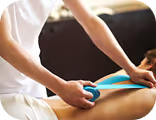
Ease Muscle Tension with Massage Therapy
When you’re in pain, your muscles often tense up around the affected area as a protective response. This constant tightness can create its own cycle of pain and discomfort. Massage therapy is a wonderful way to address this by relaxing tense muscles and improving circulation. Better blood flow can help deliver oxygen and nutrients to sore tissues, which may help with pain relief.
While a massage feels great, it’s most effective when it’s part of a complete treatment plan. Think of it as a supportive therapy that complements other treatments aimed at addressing the root cause of your spinal stenosis. When used consistently, it can be a great way to manage muscle-related pain and improve your overall quality of life.
Other Physical Therapy Modalities
Beyond targeted exercises and stretches, a physical therapist has a range of tools they can use to help manage your pain and accelerate your recovery. These methods, often called modalities, are designed to complement your active therapy program by addressing specific symptoms like inflammation, muscle spasms, and nerve pain directly. Think of them as supportive treatments that help calm things down so you can get more out of your strengthening and flexibility work. They can provide welcome relief, especially on days when your symptoms are more intense, making it easier to stay consistent with your overall care plan.
TENS (Electrical Nerve Stimulation)
If you’re dealing with the sharp, radiating nerve pain that often comes with spinal stenosis, a TENS unit might be a helpful tool in your care plan. TENS stands for transcutaneous electrical nerve stimulation, which is a non-invasive way to manage pain. It involves a small, portable device that sends gentle, low-voltage electrical currents to the affected area through electrodes you place on your skin. The sensation is often described as a light tingling. The primary goal of this therapy is to interrupt the pain signals before they can reach your brain, providing you with temporary relief without medication. It’s a safe and simple method you can often use at home to get through a tough day with less discomfort.
Ultrasound, Heat, and Cold Therapy
Sometimes, the simplest approaches can make a big difference in your daily comfort. Heat and cold therapy are classic, effective methods for managing pain and stiffness. Applying a heating pad can help relax tight muscles, loosen stiff tissues, and encourage blood flow to your lower back, which promotes healing. On the other hand, using a cold pack can be incredibly helpful during a flare-up to reduce inflammation and numb sharp pain. Another option your therapist might use is therapeutic ultrasound, which uses sound waves to generate gentle heat deep within your tissues. This can help ease muscle spasms and improve circulation, making it a great complement to other treatments in your recovery plan.
Simple Lifestyle Changes for Lasting Relief
While targeted treatments are essential for managing spinal stenosis, the small choices you make every day have a significant impact on your pain levels and overall quality of life. Lasting relief often comes from a combination of professional care and mindful daily habits. By making a few simple adjustments to your routine, you can create a supportive environment for your spine, reduce unnecessary strain, and empower yourself to feel and move better.
Think of these lifestyle changes as the foundation of your wellness plan. They work alongside other non-invasive treatments to help you manage symptoms and prevent flare-ups. Adopting these habits can help you regain a sense of control over your condition, turning everyday actions into opportunities for healing. It’s about building a lifestyle that supports your spine, not one that works against it. This approach is a core part of a holistic strategy for preventative wellness, helping you build resilience for the long term.
Manage Your Weight and Posture
It might seem simple, but managing your weight is one of the most effective things you can do for your spine. Extra pounds increase the load on your spinal column, which can worsen the pressure and discomfort from spinal stenosis. Even a modest weight loss can make a noticeable difference in your daily pain levels. Alongside a healthy diet, focus on your posture. Try to be mindful of how you sit, stand, and walk. Slouching can compress your spine, while standing tall with your shoulders back helps distribute your weight evenly and gives your spinal canal more space. Small adjustments throughout the day can lead to significant relief over time.
Create an Ergonomic Environment
Your surroundings can either help or hurt your back. Creating an ergonomic environment means setting up your daily spaces to minimize spinal strain. At your desk, adjust your chair so your feet are flat on the floor and your screen is at eye level. When you’re at home, think about how you perform daily tasks. Learning proper body mechanics for lifting—bending at the knees, not the waist—is crucial for avoiding further injury. These aren't complicated changes, but they are powerful ways to protect your back from the small, repetitive stresses that can add up and cause pain.
How to Adjust Your Daily Movements
Spinal stenosis can make you hesitant to move, but the right kind of activity is key to managing your symptoms. The goal is to learn to move in a way that supports your spine instead of stressing it. Low-impact activities like walking, swimming, or cycling are excellent choices because they enhance mobility and blood flow without jarring your back. A physical therapist can also be a great resource, teaching you specific exercises to strengthen your core, improve your posture, and gently stretch your back and legs. These new movement patterns are a fundamental part of effective pain management and can help you stay active with confidence.
Using Supportive Aids for Better Mobility
When you're managing spinal stenosis, adding supportive aids to your daily routine can make a huge difference in your mobility and comfort. Back braces, like lumbosacral corsets, are designed to give your lower back essential support, which can help improve your movement and reduce strain as you go about your day. Walking aids can also be a game-changer for maintaining balance and stability, giving you the confidence to move more freely. These tools are most effective when paired with professional guidance, as they can help you manage symptoms and stay active with less fear of falling.
These aids work best when they’re part of a comprehensive plan. A physical therapist can teach you exercises that improve posture and strengthen your core muscles, making the support from a brace even more effective. By integrating these tools into your routine, you’re not just getting by—you’re proactively taking control. These simple lifestyle changes can significantly reduce daily strain on your spine, leading to lasting relief and helping you build a foundation for long-term preventative wellness.
Is a Non-Surgical Path Right for You?
Deciding on the best path forward for your spinal stenosis can feel overwhelming, but you have more control than you might think. The right choice depends entirely on your specific symptoms, lifestyle, and long-term health goals. Exploring non-surgical options isn't about avoiding a difficult decision; it's about making an informed one. By understanding how conservative treatments compare to surgery and what recovery looks like, you can build a plan that feels right for you.
How Non-Surgical Options Compare to Surgery
Many people assume surgery is the only definitive solution for spinal stenosis, but research suggests otherwise. Several studies have found no significant difference in outcomes between surgical and non-surgical treatments. In fact, one major review concluded that clinicians should be very careful about recommending surgery as a first-line option.
When you look at the data, conservative care often proves to be just as effective without the risks that come with an operation. For many, a non-surgical approach to pain management offers a safer route to relief, allowing you to heal on your own terms and avoid potential complications.
Who Benefits Most from Conservative Care?
Conservative care is particularly effective for individuals with mild-to-moderate spinal stenosis. If your symptoms are manageable but impact your daily life, a non-surgical plan can make a world of difference. Treatments like physical therapy are proven to help manage symptoms by strengthening core muscles, improving posture, and increasing flexibility.
Because every case of spinal stenosis is unique, an individualized plan is key to your success. Working with professionals who understand your body and your goals allows you to combine different therapies—from targeted exercises to innovative treatments like light therapy—to create a comprehensive approach that supports your body’s natural healing process.
Set Realistic Goals for Your Recovery
Your recovery journey is a marathon, not a sprint. It’s important to set achievable goals based on your specific condition and work closely with your healthcare providers. While it may seem counterintuitive, staying active is a crucial part of managing spinal stenosis, even when you’re in pain. Gentle, consistent movement helps maintain fitness and flexibility.
Remember that for many people, a dedicated non-surgical plan can be safer and more effective than surgery or medication. Committing to a program focused on long-term preventative wellness can help you not only find relief but also build a stronger, more resilient body for the future.
When to Seek Immediate Medical Attention
While we've focused on proactive, non-surgical ways to manage spinal stenosis, it's just as important to know when a situation requires urgent medical care. Most of the time, the symptoms of stenosis develop gradually, giving you time to build a treatment plan. However, certain signs can indicate severe nerve compression that needs to be addressed immediately to prevent the risk of permanent damage. Listening to your body and understanding the difference between your typical discomfort and a true "red flag" is a critical part of advocating for your own health. Ignoring these warning signs can lead to chronic issues or nerve damage that becomes much harder to treat over time.
Think of it this way: conservative treatments are designed for a stable condition, but sudden, severe changes in your symptoms demand a different, more immediate response. It’s not about causing alarm, but about being prepared and informed. Knowing when to bypass your regular management plan and seek an urgent evaluation from a doctor or an emergency room is essential for your long-term well-being. These are the moments when you need a medical expert to rule out a serious issue and ensure you get the right level of care as quickly as possible. Being aware of these specific symptoms empowers you to act decisively when it matters most.
Red Flag Symptoms to Watch For
If you experience any of the following symptoms, it's time to seek immediate medical attention. These signs can point to a serious condition, like severe spinal cord compression, that requires an urgent evaluation. Don't wait to see if they get better on their own. Key red flags include:
- Loss of bowel or bladder control. This is a medical emergency.
- Sudden or rapidly worsening weakness, numbness, or tingling in your legs, arms, hands, or feet.
- Difficulty with balance or coordination, such as stumbling or feeling unsteady on your feet.
- Severe, unrelenting pain that doesn’t improve with rest or changing positions.
- Numbness in your inner thighs, groin, or buttocks area (often called "saddle anesthesia").
How to Build Your Non-Surgical Treatment Plan
Finding the right path to relief from spinal stenosis is a personal journey. There’s no single magic bullet, but by combining different strategies, you can create a comprehensive plan that addresses your specific symptoms and fits your lifestyle. Think of it as building a personalized toolkit for managing your condition, focusing on methods that help you feel and move better without invasive procedures. The goal is to find a sustainable, long-term approach that puts you in control of your health.
Here are some of the most effective components to consider for your plan:
Physical Therapy and Gentle Exercise: Working with a physical therapist is a cornerstone of non-surgical care. They can guide you through exercises that strengthen your core muscles to better support your spine and stretches that improve flexibility. Incorporating low-impact activities like walking, swimming, or cycling into your routine can also enhance your mobility without adding stress to your back.
Class IV Laser Therapy: For a modern, non-invasive approach, Class IV laser therapy is a powerful tool. This treatment uses specific wavelengths of light to penetrate deep into the tissue, reducing inflammation and pain right at the source. It’s a drug-free, surgery-free way to accelerate your body’s natural healing processes and is a key part of our approach to pain management.
Lifestyle Modifications: Small changes can make a big difference. Maintaining a healthy weight and practicing good posture can significantly alleviate pressure on the spine. Simple adjustments to your daily movements and workspace ergonomics can provide lasting relief.
Complementary Therapies: Many people find additional relief by exploring complementary care. Therapies like acupuncture, massage, and chiropractic adjustments can help ease muscle tension, improve alignment, and support your overall treatment plan. These methods work well alongside other conservative treatments to enhance your results.
Frequently Asked Questions
How long will it take to feel better with non-surgical treatments? There isn't a one-size-fits-all timeline, as everyone's body and condition are unique. Some people notice an improvement in their pain and mobility after just a few sessions of treatments like Class IV laser therapy, while for others, it's a more gradual process over several weeks. The key is consistency. Lasting relief comes from combining treatments with lifestyle adjustments, so think of it as a steady journey toward feeling better rather than an overnight fix.
What does Class IV Laser Therapy actually feel like? Most people find Class IV laser therapy to be a very gentle and relaxing experience. You’ll likely feel a soothing, warm sensation in the area being treated, but it is not painful. The therapy works at a cellular level to reduce inflammation and promote healing, so there's no discomfort involved. It’s a comfortable way to get powerful relief right at the source of your pain.
Can I combine different non-surgical treatments, like physical therapy and laser therapy? Absolutely. In fact, combining treatments is often the most effective strategy. A great plan might involve using physical therapy to build core strength and improve flexibility, while Class IV laser therapy works to reduce the underlying inflammation that causes pain. This layered approach addresses your symptoms from multiple angles, helping you achieve better and more sustainable results than you might with just one method alone.
If I try non-surgical options first, can I still have surgery later if I need it? Yes, choosing a non-surgical path now doesn't close the door on other options in the future. Many people find that a dedicated conservative care plan provides all the relief they need, allowing them to avoid surgery altogether. Think of it as exploring the safest, least invasive options first. If you find they aren't enough to meet your goals, surgery remains a possibility to discuss with your doctor.
What's the most important first step if I want to explore a non-surgical path? The best first step is to get a clear understanding of your specific condition from a healthcare professional. A thorough consultation will help pinpoint the exact cause of your symptoms and determine which non-invasive treatments are best suited for you. This allows you to move forward with a personalized plan that is tailored to your body and your goals, ensuring you start your recovery journey with confidence.
Frequently Asked Questions
Is light therapy safe for athletes?

Yes, light therapy is completely safe and highly beneficial for athletes. It promotes faster muscle recovery, reduces inflammation, and supports performance without the risks of medication or downtime. That’s why professional and amateur athletes worldwide rely on it to train smarter and recover quicker.
How many sessions will I need?
The number of sessions varies depending on the type and severity of your condition. Many patients notice improvement after 3–5 sessions, while chronic conditions may require ongoing care for best results. During your initial consultation, we’ll design a personalized treatment schedule tailored to your body’s response and recovery goals.

Ready to Try Light Therapy for Recovery?